
Battery Energy Storage Lawyer: Legal Strategies for BESS Development, Financing, and Commercialization
A battery energy storage lawyer is specialized legal counsel for battery energy storage systems who helps developers, investors, utilities, and energy companies structure, finance, commercialize, and protect BESS projects under complex energy regulations and commercial contracts. Battery energy storage is no longer a niche technology waiting in the wings. It is a core infrastructure asset class attracting billions in capital, reshaping grid operations, and creating legal, regulatory, and commercial issues that can determine whether a project secures incentives, reaches commercial operation, and remains bankable.
This guide breaks down the legal strategies used across utility-scale and large commercial and industrial storage projects for battery energy storage developers, independent power producers, utilities, infrastructure funds, energy investors, data-center power buyers, and technology providers. It covers project development and risk management, interconnection and regulatory compliance, site control and permitting, commercial agreements and battery supply contracts, project financing and tax equity, mergers and acquisitions, corporate governance, renewable integration, intellectual property, dispute avoidance, and litigation readiness.
Key Takeaways
INK™ Law helps developers, investors, and energy companies structure, finance, and commercialize battery energy storage systems across the United States, with particular focus on Colorado, Texas, Arizona, Utah, Wyoming, North Dakota, and Oklahoma. The firm provides end-to-end legal counsel for BESS transactions, from greenfield development through M&A exits.
- Early legal involvement during site selection, interconnection strategy, and term sheet negotiations is critical to bankability, tax incentive capture, and avoiding costly redesigns of battery storage projects. Battery energy storage projects face unique legal and commercial challenges that demand front-loaded risk management.
- INK™ Law combines deep experience in energy law with corporate, M&A, securities, and project finance capabilities specifically tailored to energy storage projects and hybrid renewable energy portfolios.
- The firm regularly advises on revenue stacking (capacity, ancillary services, arbitrage), FERC/ISO/RTO participation rules for energy storage, and complex commercial contracts such as tolling, shared-facilities, EPC, battery supply, and O&M agreements.
- Battery energy storage systems require specialized legal knowledge. A multi-disciplinary legal team is typical for large battery energy storage projects, and INK™ Law is built around that model.
Ready to discuss a BESS project or portfolio? Call INK™ Law at (720) 307-2627 or message the firm online for a confidential consultation.
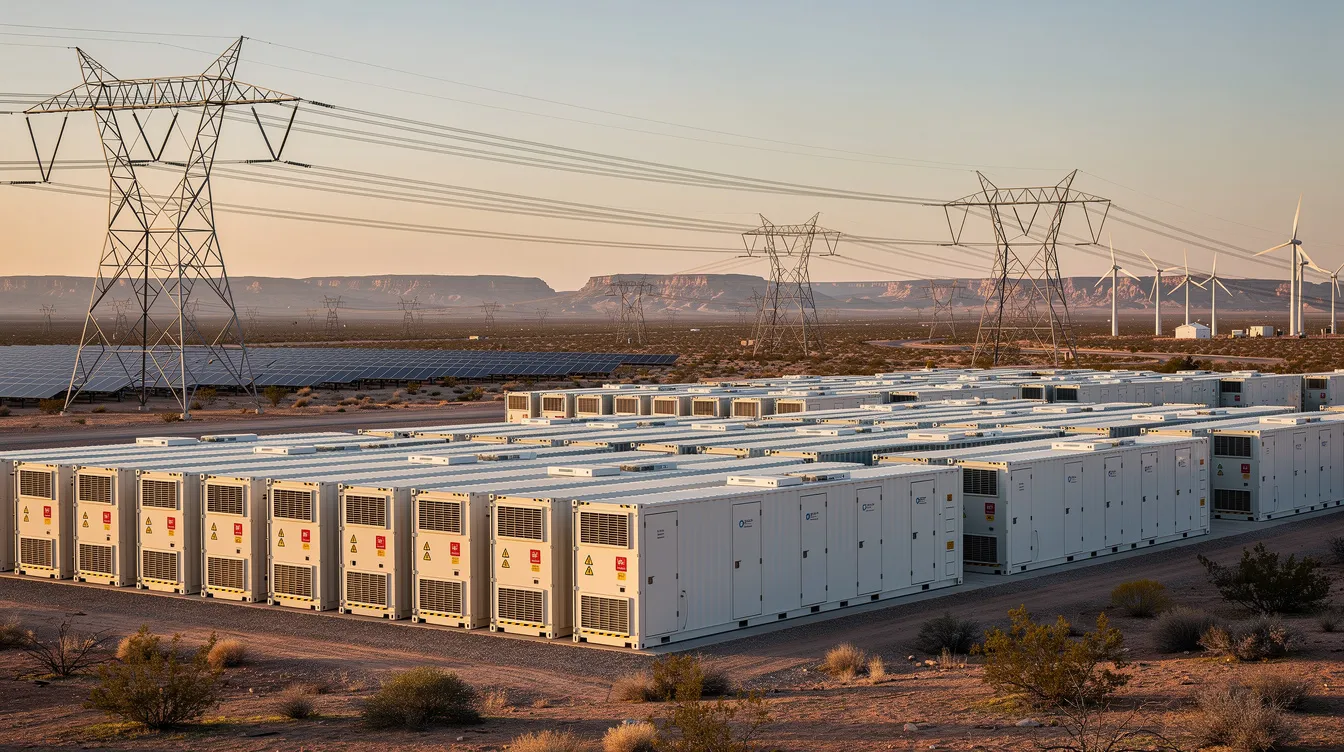
Battery Energy Storage in 2026: Where the Market – and the Law – Stand Now
Utility-scale battery energy storage has grown rapidly since 2020, driven by falling lithium-ion costs, federal incentives, and grid reliability needs in markets like ERCOT, CAISO, and SPP. The Inflation Reduction Act permanently expanded ITC eligibility to include standalone battery storage systems, and the results are showing up in the pipeline. According to the U.S. Energy Information Administration, 2026 is set to bring approximately 24 GW of utility-scale battery storage additions in the U.S.-up from about 15 GW in 2025-with over half expected in Texas alone.
Battery storage is now as critical as wind and solar for energy companies, IPPs, and infrastructure funds operating in markets such as Colorado’s Front Range, West Texas, Arizona’s solar corridor, and California’s load centers. Battery energy storage systems help balance supply and demand on the grid, and battery energy storage can reduce costs and improve grid stability-which is precisely why capital is flowing into the sector at an unprecedented pace.
The legal landscape for BESS is distinct from traditional generation. The federal energy regulatory commission (FERC) regulates energy storage systems in the United States through orders like Order 841 and ongoing hybrid-resource proceedings. Capacity accreditation for hybrid resources is evolving, safety and fire-code issues create permitting complexity, and the merchant vs. contracted revenue models for storage introduce commercial risk that doesn’t exist in a straightforward solar or wind project. Legal frameworks for energy storage are rapidly evolving, and developers who don’t track those changes in real time risk building projects on unstable regulatory ground.
INK™ Law tracks federal policy, state regulatory developments, and utility procurement trends across the Rockies and Southwest to help clients translate shifting rules into viable project and financing structures. Call (720) 307-2627 to discuss how current policy changes may affect a specific BESS pipeline.
Why Battery Energy Storage Projects Demand Specialized Legal Strategy
BESS projects are not simply “another renewable asset.” They are complex energy storage systems whose economics depend on bidirectional power flows, grid services, degradation curves, and sophisticated contracting. Each step of a battery energy storage project must create legally enforceable rights, or the entire capital structure can unravel.
The main categories of risk that make battery energy storage legally distinct include:
- Technology performance and degradation: Round-trip efficiency losses, capacity fade over time, and augmentation obligations
- Safety and fire-code compliance: NFPA 855, UL 9540/9540A, and local AHJ requirements
- Interconnection and curtailment: Queue backlogs, cost allocation uncertainty, and dispatch limitations
- Evolving tariff and market structures: Changing ancillary services designs, capacity accreditation methods, and resource adequacy rules
- Merchant price volatility: Revenue exposure when projects are not fully contracted
Many of these issues are front-loaded in the development cycle. Missteps in early term sheets, site control documents, or interconnection strategy can undermine project financing and exit valuations years later. Battery storage projects introduce additional regulatory complexities that conventional generation projects simply don’t face.
INK™ Law’s integrated energy, corporate, finance, and litigation teams design project documents to be bankable, regulator-ready, and aligned with likely M&A or recap exits. The firm acts as outside general counsel to energy developers and investors, helping them build repeatable, scalable templates for battery storage portfolios instead of one-off, bespoke deals.
INK™ Law’s Role in Battery Energy Storage Development
INK™ Law’s core BESS development services are organized around real-world project stages: greenfield site identification, interconnection queue strategy, offtake structuring, and EPC/battery procurement. Attorneys support battery storage projects at every development stage, from concept through commercial operation.
The firm helps structure and form special purpose vehicles (SPVs), holding companies, and a joint venture structure for single-asset or portfolio BESS development and financing arrangements, aligning sponsor governance, control, and waterfall economics among sponsors and investors. For developers actively involved in multiple markets, this entity design work is foundational.
Key development-phase agreements the firm handles include:
- Site control agreements (leases, options, easements)
- NDAs and exclusivity agreements
- Development services agreements
- Early-stage term sheets with electric utilities, data centers, or C&I offtakers
INK™ Law also supports developers co-locating BESS with solar or wind farms, addressing shared-facilities use, common-area cost allocations, and operational coordination between battery energy and generation assets-issues that become increasingly important as hybrid projects dominate future projects in the pipeline.
Schedule a strategy call: contact INK™ Law at (720) 307-2627 or submit a project summary through the firm’s online contact form.
Site Control, Real Estate, and Land Use for BESS Projects
Energy storage site control must balance proximity to substations and transmission lines with zoning, setbacks, emergency-response access, and community considerations. Battery energy storage necessitates understanding local zoning laws and conditional use permits, and BESS site control requires greater emphasis on zoning and safety setbacks than typical generation projects.
INK™ Law drafts and negotiates ground leases, purchase and sale agreements, options, easements, and access rights tailored to battery storage footprints, equipment pads, and transmission corridors. Site acquisition strategy must anticipate future augmentation, equipment swaps, and expanded capacity-all of which affect land use terms.
Common local land use and permitting concerns for BESS include:
- Fire-code compliance, including compliance with NFPA 855, which is critical for fire safety in energy storage systems
- Hazardous materials rules and environmental approvals
- Visual and noise concerns (inverter fans, HVAC for battery enclosures)
- Decommissioning or reclamation obligations
- Municipal regulations that may vary significantly between jurisdictions
Local governments can impose project-specific requirements for battery facilities, and local permits and environmental approvals are necessary for battery storage installations. The firm coordinates with local land use counsel, engineering consultants, and environmental specialists across Colorado, Texas, Arizona, Utah, Wyoming, North Dakota, and Oklahoma to build a clean record for permitting and financing.
INK™ Law also helps landowners and developers align site documents with title, mineral rights, and surface-use issues, leveraging the firm’s oil and gas and mineral rights experience where legacy mineral estates are present.
Interconnection, Grid Access, and Regulatory Strategy
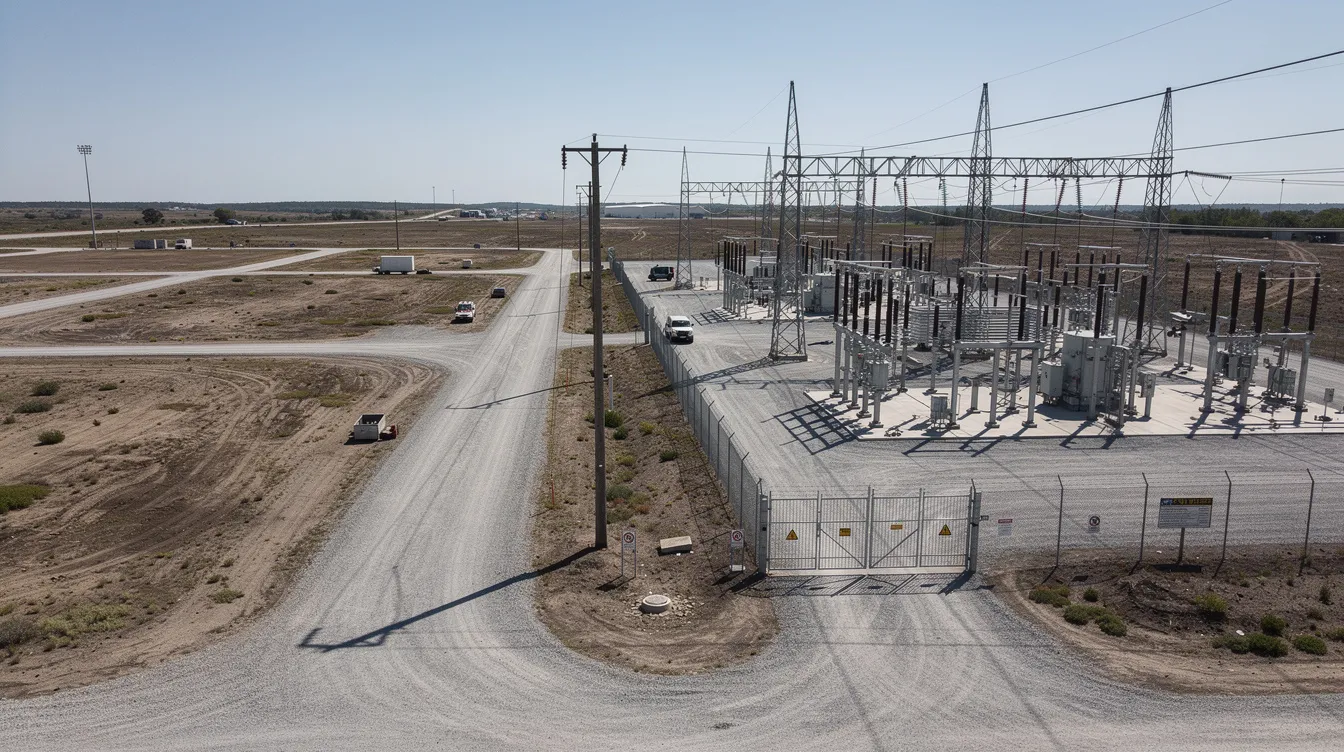
Interconnection queue backlogs, evolving FERC orders, and ISO/RTO rules make grid access a central legal issue for BESS. Developers must navigate complex interconnection requirements, and interconnection agreements are vital for grid-connected battery energy storage systems. Under FERC Order No. 841, RTOs and ISOs must revise their participation models to accommodate energy storage resources in capacity, energy, and ancillary services markets.
INK™ Law advises on interconnection applications and agreements with transmission providers, utilities, and RTOs/ISOs, ensuring that milestones, curtailment provisions, and cost-allocation terms are negotiated with financing in mind. The firm helps clients understand participation models for standalone storage vs. co-located or hybrid resources in markets like ERCOT, SPP, CAISO, MISO, and Western balancing authorities, coordinating with specialized regulatory counsel when appropriate.
State-level public utility commissions govern market participation for energy storage, and regulatory challenges vary significantly across jurisdictions. Attorneys help developers manage regulatory risk around storage-as-transmission assets, resource adequacy rules, capacity accreditation (including recent ELCC-based approaches approved by FERC in SPP), and changing ancillary-services market designs.
Early regulatory strategy sessions with INK™ Law can identify which markets, products, and timing windows are most realistic for a proposed energy storage project’s revenue stack.
Revenue Stacking, Offtake, and Commercial Contracts
BESS economics often depend on multiple revenue streams-each requiring precise contractual language. Revenue models for battery energy storage may include energy arbitrage and ancillary services agreements, capacity payments, tolling contracts, and resource adequacy commitments.
The main types of offtake and commercial agreements INK™ Law negotiates include:
| Agreement Type | Key Focus |
|---|---|
| Tolling agreements | Dispatch rights, scheduling, counterparty obligations |
| Capacity / RA contracts | Availability metrics, seasonal obligations |
| Power purchase agreements / VPPAs | Price certainty, delivery structure |
| Merchant optimization agreements | Upside sharing, performance benchmarks |
| Shared-facilities agreements | Cost allocation, dispatch priority for hybrid projects |
Contract negotiation includes power purchase agreements and Energy Storage-as-a-Service contracts, and attorneys draft and negotiate energy storage agreements for financing. Performance obligations are tailored to reflect storage-specific issues like round-trip efficiency, degradation, and state-of-charge limitations, with liquidated-damages regimes calibrated to lender expectations.
The firm aligns counterparties’ credit support-letters of credit, guarantees, collateral accounts-and step-in rights with lender expectations and intercreditor arrangements in project financing deals. INK™ Law uses carefully drafted allocation and curtailment provisions to prevent offtake or dispatch conflicts between co-located solar or wind projects and the battery energy storage system.
Battery Supply, Warranties, EPC, and O&M Agreements
Long-term performance, augmentation rights, and warranty protection are central to bankability for battery energy storage projects. Construction risk management involves negotiating warranties and indemnification agreements, and EPC contracts are essential for constructing battery energy storage facilities.
INK™ Law reviews and negotiates equipment supply agreements, battery supply agreements, and long-term service agreements, focusing on:
- Capacity and energy-throughput warranties
- Degradation guarantees with defined curves and measurement protocols
- Augmentation options and technology-upgrade rights
- Remedy regimes (repair, replacement, buy-down)
Knowledge of import tariffs on lithium-ion cells impacts battery storage projects-an issue the firm tracks given evolving trade policy. Key issues in EPC contracts specific to BESS include integration of inverters and EMS/SCADA, commissioning and performance-testing protocols, responsibility for interconnection facilities, and coordination with OEMs.
O&M agreements are structured to align availability guarantees, dispatch protocols, maintenance obligations, cybersecurity requirements, and reporting obligations with offtake and financing documents. INK™ Law’s intellectual property experience helps clients protect control software, algorithms, and performance data generated by modern energy storage systems.
Project Financing, Tax Equity, and Capital Stacks for BESS
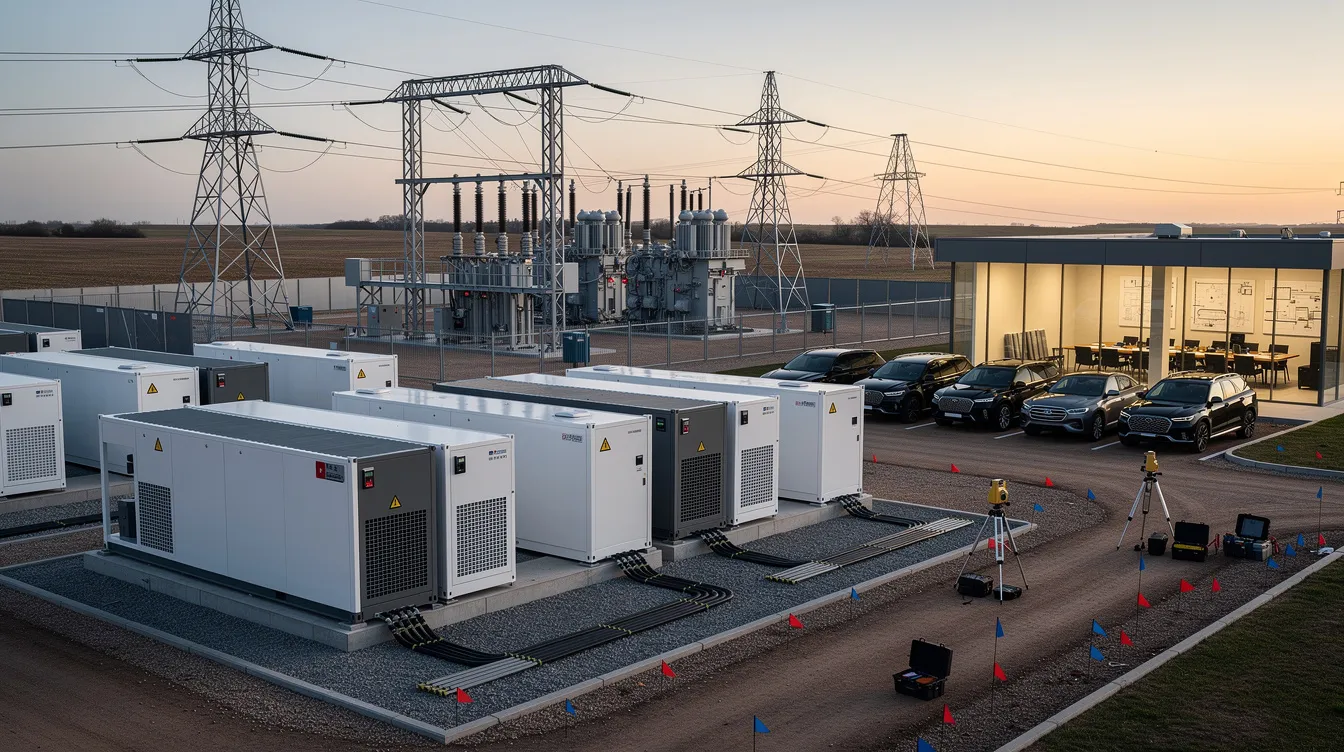
Most utility-scale BESS projects rely on carefully structured capital stacks combining construction and term debt, tax equity financing, and sometimes mezzanine capital or preferred equity. Legal support is crucial for securing financing in energy projects, and the capital structure must align with a project’s specific risk profile and revenue model.
INK™ Law designs and negotiates non-recourse and limited-recourse project finance structures, aligning security packages, cash waterfalls, reserve accounts, and financial covenants with storage-specific risks and revenue profiles. Attorneys draft and negotiate energy storage agreements for financing that satisfy lender, tax-equity, and sponsor requirements simultaneously.
Tax counsel is involved in analyzing investment tax credits for battery storage projects. The firm coordinates with tax counsel and investors to capture federal incentives available to battery energy storage-such as standalone ITC under the Inflation Reduction Act, bonus credits, and potential grants-while managing domestic-content rules and prevailing-wage/apprenticeship requirements. Tax incentives and tax abatements can materially change project economics, but require careful structuring to capture.
For private capital raises, INK™ Law handles private placements, Reg D offerings, fund and portfolio-level vehicles, and compliance with investor-disclosure obligations for energy storage sponsors under U.S. securities laws.
Sponsors, lenders, and investors: Call INK™ Law at (720) 307-2627 or reach out through the online contact form to map out a realistic BESS financing and closing timeline.
Mergers, Acquisitions, and Portfolio Transactions Involving BESS
Many BESS assets change hands through development-stage sales, operating asset acquisitions, or portfolio transactions involving solar-plus-storage, wind-plus-storage, and standalone storage fleets. The role of lawyers includes coordinating various legal fields: project finance, real estate, and energy regulations throughout these transactions.
INK™ Law conducts targeted due diligence on battery energy storage assets, focusing on interconnection status, key contracts, regulatory exposures, performance data, warranty position, and ESG or community-relations issues. Lessons from incidents like the 2019 McMicken BESS explosion in Arizona-where inadequate fire suppression and pre-NFPA 855 design contributed to a catastrophic failure-underscore why diligence on safety compliance and code-adoption status is essential.
The firm structures asset vs. equity deals, crafts purchase agreements, and negotiates post-closing covenants related to ongoing construction, punch-list completion, and transfer of OEM warranties and service agreements. Attorneys integrate BESS-specific risk allocation-degradation performance, augmentation commitments, technology-upgrade options-into representations, warranties, indemnities, and price-adjustment mechanisms.
INK™ Law coordinates cross-border and multi-state BESS portfolio transactions, leveraging its energy, corporate, securities, and finance practice strengths across decades of deal experience.
Corporate, Governance, and Outside General Counsel Support for Energy Storage Companies
BESS developers, operators, and technology companies are ongoing businesses that need more than one-off project counsel. They require strategic corporate and governance guidance. Legal counsel helps navigate complex regulatory landscapes for energy storage, and the firm provides that guidance as a long-term partner rather than a transactional vendor.
INK™ Law structures and maintains holding-company and subsidiary structures for energy storage sponsors, including multi-SPV project platforms, joint ventures, and portfolio-level entities for institutional investors. Governance documents are tailored to energy and infrastructure investors: operating agreements, shareholder agreements, delegation matrices, conflict-of-interest policies, and board-level oversight of ESG and safety aspects.
The firm provides general counsel support for recurring commercial contracts-vendor and services agreements, data-sharing agreements, software licensing, and NDAs-connected to energy storage operations. INK™ Law works with energy clients in Denver, Houston, Phoenix, Salt Lake City, Los Angeles, and other energy hubs, providing remote and in-person counsel as portfolio needs scale.
Integrating BESS with Solar, Wind, and Other Renewable Energy Projects
Co-locating or integrating BESS with solar energy projects and wind projects can smooth output, capture higher prices, and satisfy utility and data-center reliability requirements. This is particularly valuable in regions with high renewable energy penetration, where curtailment risk is real and grid operators need dispatchable capacity.
Legal and commercial issues unique to hybrid and co-located projects include shared-facilities and shared-interconnection arrangements, allocation of operating costs, and dispatch rights between storage and generation. INK™ Law structures and negotiates common-use and shared-facilities agreements, ensuring compatibility with interconnection arrangements, offtake contracts, and financing documents across all assets.
The firm works with clients on master development and framework agreements for repeatable solar-plus-storage and wind-plus-storage project pipelines. For a renewable energy company building a multi-state portfolio, this template approach-covering everything from site control to offtake-can compress timelines and reduce legal costs across future projects. Attorneys help developers decide when to pursue standalone storage vs. co-located structures based on specific ISO/RTO rules, interconnection queues, and offtaker demand for solar projects, wind farms, or hybrid configurations.
Risk Management, Dispute Avoidance, and Litigation Readiness
While most BESS clients focus on deals and development, disputes can arise over interconnection delays, EPC performance, equipment failures, or offtake obligations. Lawyers address risk management related to performance shortfalls in storage projects, and proactive drafting is the most cost-effective form of risk analysis.
INK™ Law drafts contracts with clear milestones, cure periods, LD regimes, change-order processes, and technical dispute-resolution mechanisms to prevent disagreements from escalating into litigation. Regulatory compliance is woven into every agreement to protect against enforcement exposure.
The firm’s commercial litigation team is prepared to handle disputes involving energy storage projects-including contract disputes, construction claims, warranty enforcement, and insurance-related issues. Attorneys also assist municipalities in developing battery storage regulations, helping both public- and private-sector energy clients navigate various issues that arise during project permitting and operations.
INK™ Law helps clients structure evidence and data retention (performance data, SCADA logs, commissioning records) from day one to support potential future claims or defenses. If you’re facing an emerging BESS dispute, contact INK™ Law promptly at (720) 307-2627 or via the online contact form to evaluate litigation exposure and resolution options.
Intellectual Property, Data, and Cybersecurity in Battery Energy Storage
Modern BESS assets depend on proprietary control software, algorithms, and data analytics, making intellectual property and data security key value drivers and risk areas. Energy storage technologies are advancing quickly, and the IP embedded in EMS platforms, optimization algorithms, and predictive maintenance tools represents substantial enterprise value.
INK™ Law’s IP team helps storage technology companies and project sponsors protect patents, trade secrets, trademarks, and copyrights associated with battery designs, EMS software, and optimization algorithms. Attorneys draft and negotiate software licensing, data-sharing, and joint-development agreements, ensuring that ownership, usage rights, and commercialization paths are clearly defined.
The firm helps clients incorporate cybersecurity, data-protection, and incident-response obligations into EPC, O&M, and vendor agreements to mitigate operational and regulatory risk. INK™ Law aligns IP and data strategies with long-term M&A and financing goals, ensuring that key rights are transferable and due-diligence ready across batteries and related energy storage facilities.
How INK™ Law Works with BESS Clients: Process and Collaboration
INK™ Law takes a strategy-first approach, aligning legal work with commercial outcomes for energy storage clients. The firm functions as a central deal and risk-management hub, not a document factory.
A typical engagement follows this lifecycle:
- Initial consultation and issue-spotting – Identifying regulatory frameworks, commercial risks, and deal structure options
- Scoping – Defining project or portfolio legal needs, including connection to financing and offtake timelines
- Legal roadmap – Building a prioritized plan with milestones tied to commercial and construction schedules
- Execution and coordination – Working alongside technical consultants, lenders, tax equity investors, and specialized regulatory attorneys
The firm handles both single-project mandates and multi-state portfolio programs, offering flexible fee structures for sophisticated commercial clients. INK™ Law’s extensive experience across energy, corporate, and finance matters means developers get a single point of coordination rather than managing multiple outside firms.
Begin the process by calling (720) 307-2627 or submitting a short project overview via the firm’s online contact form for follow-up by an energy attorney.
When to Call a Battery Energy Storage Lawyer – and What to Bring
Developers, investors, and energy companies should engage BESS legal counsel before signing binding term sheets, submitting interconnection applications, or finalizing site control for major storage projects. Legal compliance is crucial for successful battery energy storage projects, and the cost of retrofitting poorly drafted early documents almost always exceeds the cost of getting them right the first time.
Key inflection points to contact INK™ Law:
- Pre-LOI or pre-term sheet discussions with offtakers or co-developers
- Early interconnection strategy sessions
- Tax incentive planning and domestic content analysis
- Project finance kickoff and capital stack design
- Pre-closing due diligence reviews for BESS acquisitions
What to bring to a first call:
- Project location and size (MW/MWh)
- Interconnection status and queue position
- Offtake concepts or counterparty discussions
- Project timeline and target COD
- Any draft agreements already in circulation
Early engagement often saves clients significant time and capital by aligning engineering, commercial, and legal paths before sunk costs accumulate. Whether the project is in New Mexico, compressed air storage in a different technology class, or a lithium-ion battery storage facility in West Texas, the approach is the same: protect the deal by getting the documents right from the start.
Contact INK™ Law today at (720) 307-2627 or reach out online at https://ink.law/contact/ to discuss specific BESS opportunities or challenges.
Frequently Asked Questions: Battery Energy Storage Legal Services
What kinds of battery energy storage clients does INK™ Law typically represent?
The firm primarily represents developers, IPPs, utilities, energy companies, infrastructure and private-equity investors, data-center power buyers, and technology providers involved in utility-scale and large C&I BESS projects. INK™ Law’s renewable energy attorneys and energy attorneys work across the full spectrum of battery storage facilities and hybrid project configurations, providing legal solutions tailored to each client’s commercial objectives.
Does INK™ Law handle projects outside Colorado?
While headquartered in Denver, INK™ Law represents clients nationwide, with particular focus on Colorado, Texas, Arizona, Utah, Wyoming, North Dakota, Oklahoma, and major energy markets such as Denver, Houston, Phoenix, Salt Lake City, and Los Angeles. The firm’s regulatory attorneys and project developer clients span multiple ISO/RTO regions and state jurisdictions.
How early in a BESS project should legal counsel get involved?
Engaging counsel at the concept or early development stage-before signing binding term sheets, leases, or interconnection agreements-allows the firm to shape bankable terms, preserve optionality in revenue models, and avoid re-negotiations with utilities and lenders. The firm’s deep experience across other matters in energy development means it can assist clients at every phase, from site selection through construction, financing, and later use or disposition of the asset.
Can INK™ Law assist with financing and capital raising for battery storage portfolios?
The firm advises on project financing, tax equity financing, private placements, fund structures, and other corporate finance tools used to raise debt and equity for single-asset and portfolio BESS strategies. INK™ Law coordinates with lenders, tax counsel, and securities regulators as needed to help clients capture federal incentives, structure compliant offerings, and close capital efficiently.
How do I start working with INK™ Law on a battery energy storage matter?
Prospective clients can call (720) 307-2627 to speak with the firm or submit details through the secure online contact form. An energy attorney will follow up to discuss scope, timing, and next steps tailored to the specific BESS project or transaction.