
Energy Asset Assignment Lawyer: Assignments in Energy Transactions—Transferring Assets, Contracts, Interests, and Operating Rights
An energy asset assignment lawyer is essential for navigating the transfer of energy assets, contracts, interests, and operating rights. Energy asset assignments sit at the center of nearly every oil and gas, natural gas, and power generation transaction in the United States. Whether you are acquiring working interests in a Colorado basin, divesting a midstream gathering system in Texas, or selling a solar-plus-storage project in Arizona, the mechanics of transferring rights, obligations, and operating control will define whether your deal actually closes and delivers value.
This guide is intended for energy industry professionals, project developers, investors, and legal counsel seeking to understand the legal mechanics and risks involved in energy asset assignments. Understanding these processes is crucial for ensuring successful transactions and avoiding costly disputes.
This guide breaks down how assignments work in energy transactions, what can go wrong, and why getting the legal mechanics right from the start is the difference between a clean closing and a post-closing dispute.
Key Takeaways
Energy asset assignments are at the core of most oil and gas, natural gas, and power generation deals. INK™ Law structures and negotiates these assignments for operators, project developers, and equity investors across the U.S., drawing on extensive experience assisting clients with complex energy transactions and corporate finance.
- Asset transfers can involve oil and gas leases, renewable energy projects, and utility contracts-each with its own regulatory overlay and consent requirements. Energy lawyers play a vital role in managing legal risks during asset assignments, protecting buyers and sellers from gaps in title, liability, and operational continuity.
- Assignments in energy projects commonly involve working interests, leasehold and mineral interests, midstream and pipeline development assets, power purchase agreements, joint operating agreements, and complex contract portfolios spanning multiple projects and jurisdictions.
- Poorly drafted assignment provisions and anti-assignment clauses can derail closings, trigger defaults, or leave buyers without the rights they thought they purchased, especially in large energy M&A transactions where deal value depends on confirmed transferability.
- INK™ Law combines deep energy law experience with corporate, project development, and finance capabilities to handle upstream, midstream, and distributed energy resources transactions, including battery storage and renewable energy projects.
Ready to discuss your specific energy asset assignment or transfer? Call INK™ Law at (720) 307-2627 or message us online to get started.

What Is an “Assignment” in Energy Transactions?
Energy asset assignment involves the legal transfer of rights and interests in energy properties-from one party (the assignor) to another (the assignee). Assignments are the legal mechanism used to move contractual rights, operating interests, and property ownership in oil and gas, natural gas, power generation, and renewable energy projects. Energy transactions are heavily regulated and often complex due to diverse legal frameworks at the federal, state, and local levels.
Assignments often entail transferring operational responsibilities along with legal rights. Here is how the key transfer mechanisms differ:
- Assignment transfers existing rights (and sometimes obligations) under a contract or property interest. The assignor may remain liable unless the contract expressly releases them.
- Novation substitutes a new party entirely, extinguishing the original party’s rights and obligations. This requires the consent of all original contracting parties.
- Sublicensing or subcontracting permits use or performance by a third party but does not transfer underlying title or contract rights.
Concrete examples include assignment of oil and gas leases in the DJ Basin, transfer of gathering agreements attached to midstream systems in Texas and North Dakota, or assignment of power purchase agreements for a solar-plus-battery storage project in Arizona.
Most upstream and midstream documents-leases, joint operating agreements, transportation agreements, interconnection agreements, EPC contracts-contain detailed assignment and change-of-control provisions. These must be analyzed before any deal is signed, because failing to comply with them can void the transfer or trigger counterparty remedies.
Why Assignments Matter in Oil & Gas, Natural Gas, and Power Generation Deals
Assignments touch every stage of the energy project lifecycle: from acreage aggregation and drilling programs to midstream infrastructure buildout to long-term electricity generation offtake contracts. They are central to:
- Buying or selling operated and non-operated working interests in producing basins
- Monetizing midstream and pipeline development assets through drop-downs, sales, or joint ventures
- Dropping assets into project companies or special-purpose entities for tax, liability, or financing purposes
- Refinancing or restructuring existing energy projects where lenders require collateral assignments of key contracts and revenue streams
Consider a 2024 sale of producing wells in the Powder River Basin. Assignments of leases, joint operating agreements, and surface use agreements are required to close. If a lease restricts assignment without lessor consent, or a JOA requires non-operator approval for a change of operator, those issues must be resolved before the buyer can operate or receive revenue.
The business stakes are significant. Preserving cash flows, maintaining operatorship, and avoiding disruption to natural gas delivery or power generation commitments to utilities and large energy users all depend on getting the assignment mechanics right.
If you are planning an energy transaction, call INK™ Law at (720) 307-2627 early to evaluate assignment constraints before negotiations harden.
Common Types of Energy Assets and Rights That Are Assigned
The term “asset” in energy transactions is broad, covering real property interests, contract rights, regulatory approvals, and intangible rights such as intellectual property and data. Contracts for energy projects include site control and property rights agreements that must be independently analyzed.
Key categories include:
- Upstream oil and gas: leases, mineral and royalty interests, working interests, overriding royalty interests, and farmout and participation agreements
- Midstream energy: gathering and processing agreements, pipeline easements and rights-of-way, storage agreements (including natural gas pipelines and NGL storage), and transportation capacity rights
- Power and renewables: power purchase agreements, interconnection agreements, REC and carbon credit contracts, site leases and easements for wind and solar projects, battery storage tolling agreements, and community solar projects
- Corporate-level rights: membership interests or stock in project companies, operating rights, management agreements, and equity securities in public and private companies
INK™ Law regularly helps energy clients structure and document assignments across the upstream, midstream, and power sectors, including distributed energy resources, behind-the-meter projects, and distributed generation installations.
Dealing with Anti-Assignment and Change-of-Control Clauses
Many critical energy contracts-midstream gathering agreements, power purchase agreements, large-volume natural gas supply contracts-prohibit or restrict assignments or treat certain equity transactions as a “deemed assignment.” Third-party consents may need to be secured before executing an assignment agreement, and failing to do so can invalidate the transfer.
Anti-assignment and change-of-control provisions can:
- Require counterparty consent as a condition to closing
- Give counterparties termination or price-reset rights
- Trigger defaults if transfers occur without required approvals
Ohio courts in Harding v. Viking International Resources enforced an anti-assignment clause requiring written consent, voiding assignments even though lessors had accepted royalty payments after the assignment. The Fourth Circuit in Hess Energy v. Lightning Oil treated a change of control as a deemed assignment under the contract, highlighting the risk of equity transactions triggering anti-assignment clauses.
In a recent midstream sale, dozens of gathering, compression, and processing agreements contained different consent thresholds. Some required simple notice; others demanded written consent that could not be unreasonably withheld; a few prohibited assignment entirely. These differences impacted transaction timing, purchase price adjustments, and the structure of deferred-assignment mechanics.
INK™ Law reviews these clauses early in every deal to map consent requirements, structure around problematic provisions, and build realistic closing timelines into the transaction documents.
Need a targeted assignment-risk review? Send your key contracts to INK™ Law through the online contact form.
Assignments in Upstream Oil & Gas Transactions
Upstream assignments in Colorado, Texas, North Dakota, Wyoming, Oklahoma, and other producing states involve a complex overlay of leases, mineral rights, joint operating agreements, and regulatory approvals. Under 43 C.F.R. § 3106.10, assignments of record title or operating rights in federal oil and gas leases must follow rules on acreage thresholds, filing deadlines (typically 90 days from execution), and BLM approvals. On Indian lands, 25 C.F.R. § 211.53 requires consent from the Secretary for assignment of leases or interests.
Key elements of upstream assignments include:
- Drafting and negotiating assignments of oil and gas leases, including depth limitations, reserved overriding royalties, and re-assignment obligations
- Assigning rights and obligations under joint operating agreements, including approvals from non-operators and successor-operator issues
- Handling farmout agreements where drilling obligations, continuous development clauses, and earning mechanisms must be clearly transferred
- Addressing state-specific recording requirements, memoranda of assignment, and notice to lessors and regulatory agencies
A recent illustration: Viper Energy Partners’ 2026 non-Permian divestiture involved approximately $610 million in net proceeds covering roughly 9,400 net royalty acres across the DJ, Eagle Ford, and Williston Basins. Assignments of mineral and royalty interests required clean title, compliant recording, and coordination with local regulations in each state.
INK™ Law’s energy lawyers regularly work with operators, private equity sponsors, and investors in basins across Colorado, Wyoming, Utah, Oklahoma, and Texas to align assignment language with drilling and development plans.

Assignments in Midstream, Pipeline Development, and Storage Projects
Midstream and pipeline development assignments involve long-term, high-value contracts deeply integrated with regulatory approvals and real property rights. Related infrastructure such as compressor stations, processing plants, and storage facilities makes these assignments multi-layered.
Key assignment considerations include:
- Gathering, transportation, and processing agreements for natural gas and natural gas liquids, including liquefied natural gas handling and delivery commitments
- Easements, rights-of-way, and surface-use agreements for pipelines and related facilities
- Storage agreements and capacity rights in natural gas storage fields and NGL storage caverns
- Interconnection, balancing, and operational agreements with utilities and pipeline operators
INK™ Law assists clients with structuring “drop-downs” of midstream assets into joint ventures or special-purpose entities, ensuring that the necessary assignments and consents are built into the larger corporate transaction. Our team also advises on assignments connected with carbon capture and sequestration pipeline projects and related CO₂ transportation agreements.
JERA’s 2026 acquisition of South Mansfield upstream assets in the Haynesville Shale from Williams and GEP Haynesville II illustrates the scope: full ownership transfer likely required assignment of multiple leases, gathering and pipeline rights, regulatory filings, and environmental obligations.
Midstream companies and infrastructure investors: Call INK™ Law at (720) 307-2627 to discuss pipeline and midstream asset transfers.
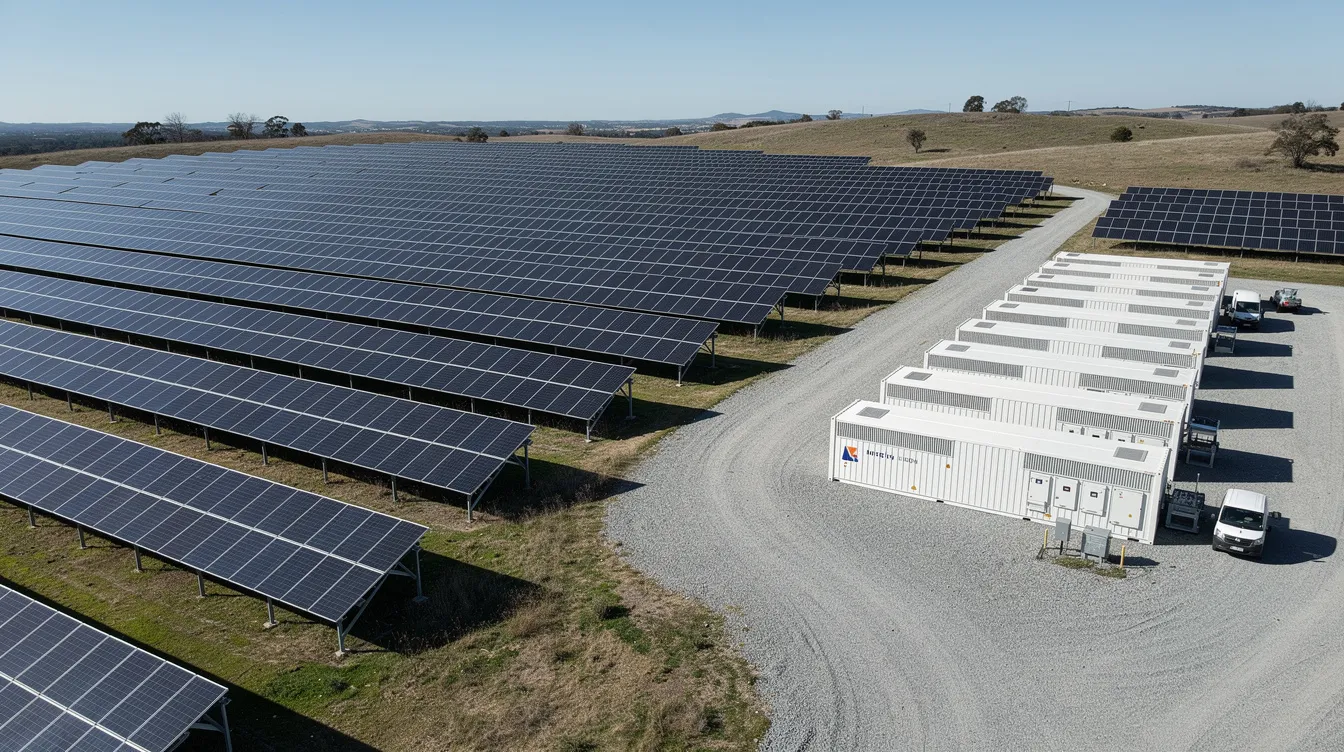
Assignments in Power Generation, Renewables, and Distributed Energy Resources
Modern power generation and renewable energy projects often bundle real property rights, interconnection access, power purchase agreements, and financial incentives into a project company that is bought, sold, and refinanced multiple times over its life. Power purchase agreements are crucial for energy projects, and energy contracts often involve negotiations for interconnection agreements with utilities and regional transmission organization operators.
Key assignment items in this sector:
- Transfer of PPAs and energy services agreements for utility-scale solar, wind, and natural gas-fired power plants-each requiring attention to counterparty consent and regulatory compliance
- Assignment of site control documents for wind and solar projects, including ground leases, solar leases, option agreements, and easements for access, transmission, and collector lines
- Assignments and consents related to battery storage systems, distributed energy resources, and microgrid projects, including tolling agreements and capacity contracts. Solar projects can incorporate battery energy storage for demand management, expanding the scope of assets and contracts that must be addressed
- Navigating assignment of interconnection agreements with regional transmission organizations or retail electric providers, including security requirements and milestone schedules
Federal and state renewable energy incentives drive renewable energy project development. The Inflation Reduction Act and related federal incentives, along with state programs, provide tax incentives and economic incentives that can be maximized only if assignment documentation is properly handled. State programs add additional layers: New York’s Climate Leadership Act aims for 76,750 MW of renewable energy by 2050, and the NY-Sun initiative allocates $1 billion for solar energy projects. Texas has significant wind energy developments in West Texas, where wind energy projects and wind projects require precise assignment of lease and offtake rights.
Battery storage projects are growing rapidly. A 2026 Morgan Lewis report notes that utility-scale energy storage procurements increasingly require contracts structured to permit collateral assignment and compliance with tax credit rules, with forecasts projecting approximately 93 GW of storage capacity in the U.S. over the next five years. The renewable energy industry continues to expand, and renewable energy clients need assignment-ready documentation from the earliest stages of project development.
INK™ Law assists developers and investors in states like Colorado, Arizona, Utah, and California in building assignment mechanics into early-stage project development documents to facilitate later sales or refinancings. Biomass projects, community solar projects, and other energy related projects from renewable sources benefit from the same approach.
Project developers contemplating a 2025–2026 asset sale or tax equity transaction:Contact INK™ Law for a tailored assignment-readiness review.
Assignments Within Mergers, Acquisitions, and Energy Joint Ventures
Many energy deals are structured as equity transactions-stock or membership interest sales-specifically to avoid wholesale assignment of every underlying contract. But assignment issues still arise through change-of-control provisions and post-closing restructurings. Energy M&A transactions often exceed multibillion-dollar valuations, and legal compliance is crucial for energy sector M&A transactions. Antitrust laws impact energy mergers and acquisitions significantly, and M&A in energy requires federal and state regulatory approvals.
INK™ Law’s M&A and energy practice integrates assignment analysis into:
- Asset purchases and divestitures of upstream, midstream, and power generation portfolios
- Equity purchases of project companies that own pipelines, gathering systems, or future projects
- Formation of energy joint ventures where each party contributes assets and contracts that must be properly assigned into the JV entity
Deal lawyers coordinate with energy lawyers to prepare detailed schedules of assigned contracts and real property interests, craft closing conditions tied to receipt of “Required Consents,” and allocate risk and economic responsibility if certain consents cannot be obtained.
INK™ Law has experience handling energy deals from smaller $1M–$10M asset packages to multi-million-dollar midstream and power transactions involving diverse contract portfolios.
Evaluating a strategic acquisition or joint venture? Call INK™ Law at (720) 307-2627 to align assignment strategy with your broader M&A objectives.
Regulatory, Environmental, and Real Estate Issues Tied to Assignments
Assignments often trigger regulatory notifications and may be conditioned on preserving environmental permits, land use approvals, and real property rights essential to continued operations. Energy contracts must comply with federal and state regulations, and energy lawyers navigate complex regulatory environments to ensure lawful asset transfers.
Key considerations:
- State oil and gas commissions often require transferring operatorship and plugging and abandonment responsibilities as part of any assignment. State regulations impact energy project development and compliance across every producing jurisdiction.
- Federal Energy Regulatory Commission and state utility commissions may regulate assignment of certain interstate pipeline and electricity generation assets. FERC oversees wholesale energy markets and electricity transactions, and the Federal Power Act governs electricity industry regulations. The Public Utility Regulatory Policies Act affects qualifying facilities’ compliance with public utility regulatory policies in power purchase and generation contexts.
- Environmental permits, water rights, and reclamation obligations must either be assigned, updated, or duplicated in the new owner’s name. Environmental compliance is crucial in energy transactions to avoid future liabilities and regulatory penalties. Mitigation of environmental liabilities is a key concern in energy asset assignments, and environmental matters and environmental issues require careful coordination with state and federal agencies.
- Real estate issues including title, survey, easements, surface use agreements, and rights-of-way must be assigned and properly recorded. Regulatory approvals from agencies-including regulatory agencies at the state and federal level-are often required for energy asset transfers. Environmental approvals may need to be reissued or transferred.
INK™ Law coordinates assignments with regulatory and real estate workstreams to avoid gaps that could disrupt production, natural gas transportation, or electricity generation and delivery.
Facing multi-state regulatory or real estate complexities?Message INK™ Law for a coordinated regulatory and assignment strategy.
Financing, Security Interests, and Assignments as Collateral
Energy lenders and private equity investors frequently require assignments of key contracts, leases, and revenues as collateral. Energy asset assignments may require negotiating financial agreements and securing lender approvals before closing. Project finance is capital intensive in the energy sector, and energy project financing requires detailed contractual agreements governing every collateral element.
Key concepts:
- Collateral assignments of oil and gas leases, gathering agreements, and revenues secure reserve-based lending facilities
- Assignments of PPAs, interconnection rights, and project company equity in project finance transactions support power generation and renewable energy projects
- Intercreditor and subordination arrangements address scenarios where multiple lenders or equity investors share assignment-based security interests
Energy project financing often involves structured debt and equity investments, and financing mechanisms include tax equity financing and construction financing. Legal counsel is crucial for securing project financing approvals, and project finance often requires compliance with federal and state regulations.
INK™ Law’s corporate finance and energy practice helps borrowers and lenders structure collateral assignments that comply with anti-assignment and consent provisions, prepare and negotiate security agreements, and align deal closings with the perfection and enforceability of assignments and security interests under UCC Article 9 and state real property recording statutes.
Assignment language can determine whether a lender truly has the collateral it expects in a default scenario. Getting this right is not optional.
Drafting and Negotiating Effective Assignment Provisions
Many assignment disputes arise not from statutory law but from unclear or incomplete assignment clauses in energy contracts and transactional documents. Contract drafting is essential to outline the terms and responsibilities of the asset transfer.
Best practices include:
- Clearly defining what is assigned (e.g., “all right, title, and interest” vs. enumerated rights) and what is excluded
- Documenting assumption of liabilities explicitly-determining whether obligations as well as benefits are being assumed
- Addressing partial assignments, retained interests, back-in rights, and re-assignment obligations if certain triggers occur
- Building in practical consent mechanics, cure periods, and cooperation obligations between buyer and seller
- Specifying whether energy efficiency, environmental group obligations, or regulatory compliance responsibilities transfer with the assigned interest
INK™ Law reviews counterparties’ forms-producer’s master service agreements, midstream templates, PPA forms-and tailors assignment provisions to clients’ commercial and exit objectives.
Contract drafters and in-house counsel should involve an energy asset assignment lawyer early in negotiations. Call (720) 307-2627 for outside general counsel support on energy contract templates.
Managing Due Diligence and Closing Logistics for Energy Assignments
Thorough due diligence on energy assignments is critical to avoid paying for assets or rights that cannot actually be transferred. Due diligence involves verifying ownership and identifying potential liabilities before transferring assets, especially in multi-asset portfolios covering multiple projects across several states.
Due diligence steps:
- Build a complete inventory of assets and contracts that must be assigned, including natural gas supply, transportation, and power generation agreements
- Review underlying instruments for consent requirements, default risks, and change-of-control triggers
- Confirm title to mineral, leasehold, and easement interests, and reconcile internal records with public filings
- Plan for staggered closings or post-closing “deferred assignments” where immediate consent is unavailable
Closing mechanics:
- Prepare and execute multiple assignment instruments tailored to specific jurisdictions and asset classes
- Coordinate recording and regulatory filings across states like Colorado, Texas, Wyoming, and North Dakota
- Implement post-closing transition services and operational handoffs to ensure uninterrupted natural gas or power flows
Closing procedures involve finalizing documents and notifying relevant parties of the asset transfer. INK™ Law runs assignment-heavy transactions from initial review to final closing, coordinating across counsel, counterparties, and governmental entities.

How INK™ Law Supports Energy Companies with Assignments and Transfers
INK™ Law takes an integrated approach, combining energy law, corporate and business law, M&A, project development, and commercial litigation capabilities to support energy assignments across the project lifecycle. We represent clients across the energy sector and advise clients on a broad range of transactional and litigation services.
Our service offerings for energy industry clients include:
- Strategic structuring of upstream, midstream, and power deals to minimize assignment friction and regulatory delay
- Drafting and negotiating assignment agreements, assumption agreements, and related ancillary documents
- Serving as outside general counsel for energy companies needing ongoing support with recurring asset transfers and contract assignments
- Collaborating with our commercial litigation team when assignment disputes, title challenges, or indemnity claims arise
- Advising renewable energy clients, energy companies, and energy industry clients on assignment readiness for future projects and refinancings
INK™ Law serves clients headquartered or operating in Denver, Houston, Phoenix, Salt Lake City, Los Angeles, and energy-producing regions across Colorado, Arizona, Utah, Wyoming, Texas, North Dakota, and Oklahoma. Our energy practice is actively involved in transactions covering the full spectrum from upstream to distributed generation.
Schedule a consultation: Call (720) 307-2627 or send a message through our online contact portal.
When Assignment Disputes Turn into Litigation
Despite best drafting efforts, disputes can arise over whether an assignment was valid, what exactly was transferred, or whether consents and approvals were properly obtained. When they do, having counsel who understands both the energy law and the litigation is critical.
Common dispute scenarios:
- Counterparties claiming that an assignment violated anti-assignment provisions, justifying termination or damages
- Allegations that excluded assets or retained interests were not clearly defined, leading to post-closing conflicts
- Title disputes over mineral interests, easements, or pipeline rights-of-way after recorded assignments are challenged
- Lender and borrower disputes over the scope and enforceability of collateral assignments in distressed situations
INK™ Law’s commercial litigation practice works with the energy and corporate teams to analyze contract language and deal history, pursue or defend claims for breach of contract, declaratory relief, or specific performance, and leverage negotiation, mediation, or arbitration before full-blown trial. Our team can serve as lead counsel in complex energy disputes while coordinating with your operations and finance teams.
Facing a potential assignment-related dispute? Contact INK™ Law online or call (720) 307-2627 to preserve evidence and position your case effectively.
Choosing the Right Energy Asset Assignment Lawyer
Assigning energy assets and operating rights is not a generic contract task. It requires lawyers who understand both the legal and technical aspects of energy projects, energy markets, and the regulatory regimes governing them. An energy asset assignment lawyer specializes in the transfer of energy-related assets and brings a combination of deal skills, industry knowledge, and regulatory awareness that generalist counsel cannot replicate.
Qualities to look for:
- A dedicated energy practice with experience in upstream oil and gas, midstream energy, pipeline development, and power generation projects
- Strong corporate and M&A capabilities to align assignment strategy with deal structure and financing
- Familiarity with regulatory regimes in core energy states and the ability to coordinate multi-state assignments
- A track record of handling both routine assignments and high-stakes, multi-asset energy transactions for operators, developers, and investors
INK™ Law offers this combination. We counsel clients across energy sectors and serve as outside general counsel for growing energy companies that need a team to assist clients with ongoing assignment and transfer needs.
Reach out to INK™ Law at (720) 307-2627 or via the contact page to explore representation.
Frequently Asked Questions About Energy Asset Assignments
Do I need consent from every counterparty before I can assign an energy contract?
Whether consent is required depends on the specific wording of each contract’s assignment and change-of-control clauses. Some agreements freely permit assignments, some require written consent (which may not be unreasonably withheld), and others prohibit assignment entirely. INK™ Law reviews natural gas supply contracts, gathering agreements, PPAs, and related documents to map out which consents are truly required and to design transaction structures that minimize closing risk. The key is to start this analysis before you negotiate purchase price or set a closing date.
How early in a deal should we involve an energy asset assignment lawyer?
Assignment issues should be evaluated at the term sheet or letter of intent stage-before purchase price and tight closing timelines are set. Consent requirements can materially affect deal economics and timing. We routinely see transactions where an early assignment-risk review saves weeks of delay and avoids renegotiation. Contact INK™ Law at (720) 307-2627 as soon as you begin planning an acquisition, divestiture, or project restructuring.
What is the difference between assigning assets and selling company equity?
An asset sale typically requires separate assignments of each contract and property interest, while an equity sale transfers ownership of the entity that already holds those assets, often reducing the number of formal assignments needed. However, change-of-control provisions can still treat equity deals as “deemed assignments,” triggering consent requirements, termination rights, or price resets. INK™ Law’s M&A and energy lawyers help clients choose the structure that best balances tax, liability, and assignment considerations for each deal.
Can assignments help with restructuring or refinancing existing energy projects?
Assignments are frequently used to move underperforming assets into new entities, admit new capital partners, or grant collateral to lenders in refinancing transactions. INK™ Law assists clients with restructuring upstream portfolios, midstream systems, and power generation projects by designing and documenting the necessary assignments and collateral arrangements. Whether you are bringing in a new private equity partner or restructuring around such projects, the assignment mechanics must hold up under lender and counterparty scrutiny.
In which states does INK™ Law handle energy asset assignments?
INK™ Law represents clients in energy and natural resources transactions across the United States, with particular emphasis on Colorado, Arizona, Utah, Wyoming, Texas, North Dakota, Oklahoma, and major markets such as Denver, Houston, Phoenix, Salt Lake City, and Los Angeles. For clients with multi-state portfolios, we coordinate assignments and regulatory compliance across jurisdictions to deliver a unified closing. Message us online to discuss how we can support your next energy transaction.