
Energy Finance Lawyer for Complex Energy & Infrastructure Deals
Energy and infrastructure projects don’t fail because of bad geology or weak demand. They fail because the capital structure, contracts, and risk allocation weren’t built right from the start. INK™ Law represents energy companies, developers, operators, and investors who need transactional counsel that understands both the money side and the asset side of project finance. If you are seeking an experienced energy finance lawyer for complex energy and infrastructure deals, this page explains how INK™ Law can help.
This page is designed for energy companies, developers, operators, and investors seeking expert legal counsel for project finance. We explain what an energy finance lawyer does, the types of projects we support, and why legal structuring is critical for successful energy and infrastructure deals. Successful project finance depends on legal structuring that aligns capital, contracts, and risk allocation from the outset—making the role of an energy finance lawyer essential for project success.
Key Takeaways
-
INK™ Law helps energy companies, developers, and investors structure and finance complex energy projects across oil and gas, midstream, and renewable energy sectors, with a focus on sophisticated project finance transactions that hold up under scrutiny from lenders, tax equity investors, and regulators.
-
The firm supports non-recourse and limited recourse financing, tax equity structures, credit facilities, and capital markets deals for energy and infrastructure assets, including electric power generation, gas pipelines, energy storage projects, and data centers.
-
INK™ Law’s integrated corporate, M&A, securities, and energy law capabilities are led by attorneys with Big-Law training and natural resources backgrounds, serving clients across Colorado, Texas, Arizona, Utah, Wyoming, North Dakota, Oklahoma, and key energy markets nationwide.
-
Energy sponsors and investors planning or refinancing projects in the 2024–2028 window should engage legal counsel early. Call (720) 307-2627 or message INK™ Law online for a focused consultation on your upcoming energy project financing.
Energy Project Finance at INK™ Law: What We Actually Do
This page is about energy project finance-not generic banking work or routine commercial lending. INK™ Law structures and negotiates financing for capital intensive energy and infrastructure projects where the deal lives or dies on contracts, cash flows, and risk allocation rather than a sponsor’s balance sheet.
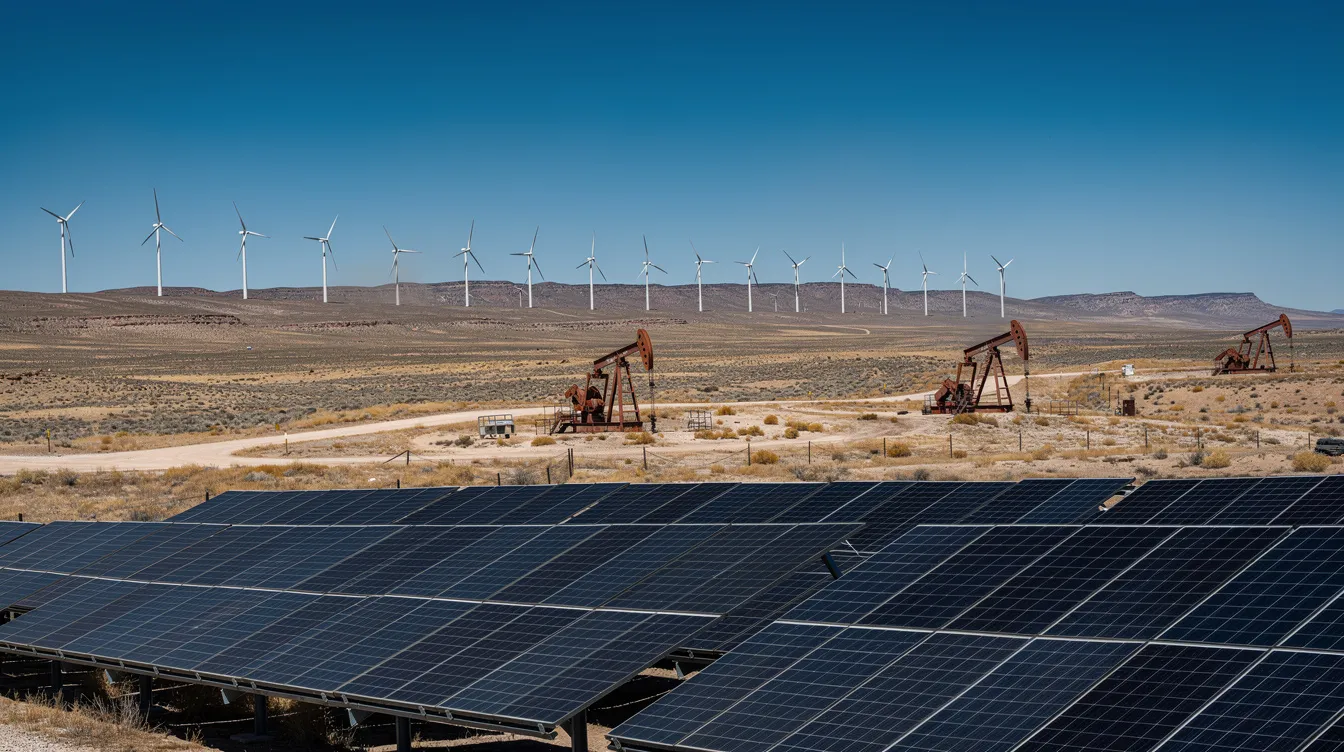
Typical projects include upstream oil and gas developments in the Permian and DJ Basins, midstream pipelines and gathering systems, salt-cavern and tank storage facilities, utility-scale solar and wind farms, battery energy storage systems, and power-hungry data centers requiring dedicated generation. We represent developers, lenders, and investors in energy projects across the full range of project types and capital structures.
INK™ Law acts for project sponsors, independent power producers, midstream operators, private equity funds, infrastructure investors, and strategic buyers on U.S. projects, with particular emphasis on Rockies and Southwest markets. Our project finance work is coordinated with INK™ Law’s corporate, M&A, securities, and commercial transactions teams to align capital structure, governance, and long-term exit strategies from the outset.
If you’re planning a 2026–2028 energy project and need counsel who understands both the financing and the asset, call (720) 307-2627 for a project finance strategy session.
How Energy Project Finance Actually Works
Project finance is fundamentally different from corporate balance-sheet lending. In a typical corporate loan, the lender looks at the borrower’s overall credit, revenue streams, and assets. In project finance, the lender underwrites the project itself-its contracts, permits, assets, and projected cash flows-through a special-purpose vehicle (SPV) that ring-fences the project from the sponsor’s other businesses.
Project finance transactions often involve non-recourse debt structures, meaning the lender’s recovery in a default scenario is limited to the SPV’s assets and revenue. Limited recourse variations include narrow carve-outs-sometimes called “bad actor” guarantees-that allow lender claims against the sponsor under specific, event-driven conditions, but the sponsor’s broader balance sheet stays protected.
The basic structure works like this: the SPV owns the project assets and enters into all key contracts (offtake, EPC, O&M, supply, site control). Lenders take security over the SPV’s real property interests, contract rights, permits, and bank accounts. Revenue flows through a cash flow waterfall, with operating costs and debt service paid first, then reserves funded, and finally equity distributions made if debt service coverage ratios (typically 1.3–1.5×) are met.
Energy finance lawyers structure, negotiate, and close funding deals for energy projects at each stage of the project lifecycle: development and permitting, construction financing, achievement of commercial operation date (COD), and long-term operations. Risk allocation is a critical aspect of energy financing agreements-documented among sponsors, EPC contractors, offtakers, and lenders with specific attention to energy sector risk points like commodity price volatility, curtailment risk, interconnection delays, and reservoir risk for oil and gas assets.
Energy finance lawyers play a crucial role in project development life cycles, ensuring that each financing milestone aligns with the project’s physical and commercial readiness.
Energy Sectors We Serve: Oil, Gas, Midstream, Power & Renewables
INK™ Law’s project finance capability spans the full energy industry value chain. Energy finance lawyers often work on renewable energy, oil and gas, and power generation projects-and our strategic energy law practice reflects that breadth.
Upstream oil and gas: Drilling programs, joint development areas in Colorado, Texas, and North Dakota, and reserve-based credit facilities that interface with project finance structures. We regularly assist clients with development and production agreements, joint ventures, and financing arrangements tied to proved and probable reserves.
Midstream energy and infrastructure: Gathering systems, gas processing plants, NGL and crude pipelines, rail and terminal facilities, storage caverns, and compression projects across the Rockies and Gulf Coast. These infrastructure projects are often financed on a throughput-backed or acreage-dedication basis, requiring careful alignment of commercial and financing documents.
Electric power: Combined-cycle gas fired plants, peaker facilities, distributed generation, and behind-the-meter solutions serving industrial users and data centers. INK™ Law works with power marketers, equipment manufacturers, and project developers to structure financeable generation assets.
Renewable energy: Utility-scale solar projects in Arizona deserts, wind projects in West Texas and Wyoming, hybrid solar-plus-storage configurations, community solar portfolios, and emerging hydrogen and renewable natural gas projects. We also advise on offshore wind development structures as that market matures.
Geographic focus: INK™ Law is headquartered in Denver with regular work involving assets and sponsors operating in Denver, Houston, Phoenix, Salt Lake City, Oklahoma City, and Los Angeles energy markets.

Structuring Project Finance: Debt, Equity & Tax Equity
Structuring project financing is a primary duty of energy finance lawyers. Getting the capital stack right-debt, equity, and tax equity-determines whether a project is bankable, what it costs, and how risk flows among the parties. Project finance includes construction loans and tax equity financing, and the interplay between them requires careful legal coordination.
Project debt typically involves:
-
Construction loans with short-term risk profiles and milestone-based draws
-
Mini-perm and term loan structures bridging construction to long-term operations
-
Mezzanine tranches for subordinated capital needs
-
Working capital lines and revolving credit facility structures
-
Hedging arrangements covering commodity, interest rate, or basis risk
-
Security packages covering all project assets, contracts, permits, and accounts
Leverage in energy infrastructure projects commonly targets 60–70% debt to 30–40% equity, though this varies by technology, contract strength, and market conditions.
Sponsor equity arrangements include direct equity contributions, co-investment vehicles, joint ventures between developers and infrastructure funds, and club deals with institutional investors and private equity partners.
Tax equity is where renewable energy tax credits transform a project’s economics. In a standard partnership flip structure, the tax equity investor initially receives most tax benefits and income until achieving a targeted IRR (typically over 5–8 years), after which interests “flip” so the developer retains roughly 95% of the project. Inverted leases and sale-leasebacks offer alternative paths depending on asset class and tax profile. Tax equity investments and tax equity financing require rigorous compliance with IRS safe harbors, bonus credit qualifications (domestic content, energy communities, low-income adders), and careful coordination between tax advisors and lender counsel.
INK™ Law assists in maximizing government incentives associated with renewable projects and coordinates with tax counsel and lender counsel to ensure tax equity and project debt interlock without disrupting cash flow priorities or covenant packages.
Sponsors evaluating tax equity for a 2025–2027 renewable portfolio should call (720) 307-2627 or contact INK™ Law online early in the structuring phase, before term sheets are locked.
Key Project Finance Documents for Energy Transactions
Energy finance lawyers at INK™ Law negotiate, draft, and review the documents that make a financing close. Legal due diligence is essential before financing closes in energy projects, and every document must work together-a misalignment in one contract can trigger defaults across the entire structure.
Core finance documents:
-
Credit agreement or note purchase agreement
-
Intercreditor agreement (where multiple debt tranches exist)
-
Collateral and security documents (deeds of trust, UCC filings, pledges)
-
Sponsor guarantees and equity commitment letters
-
Account control agreements governing project revenue accounts
Key project-level contracts:
-
EPC contracts with fixed-price, turnkey terms and liquidated damages
-
Turbine or panel supply agreements and drilling contracts
-
O&M and maintenance agreements with performance guarantees
-
Gathering and processing agreements for midstream assets
-
Pipeline transportation agreements and terminaling agreements
-
Long-term offtake or power purchase agreements (PPAs)
Energy finance lawyers negotiate key commercial agreements like power purchase agreements and EPC contracts to ensure they meet bankability requirements-assignment rights, cure periods, performance standards, and step-in provisions that lenders demand.
Site-control and regulatory documents:
-
Leases, surface use agreements, easements, and rights-of-way
-
Mineral and royalty agreements
-
Interconnection agreements with utilities or grid operators
-
Major environmental permits and regulatory approvals
INK™ Law reviews alignment between these project documents and the financing terms to confirm that covenants, events of default, and performance standards are financeable and internally consistent. A PPA with missing assignment language or an EPC contract without adequate delay remedies can derail an otherwise solid financing.
Renewable Energy, Energy Storage & the Energy Transition
INK™ Law supports sponsors and investors driving the energy transition through renewable energy and energy storage projects, using project finance techniques refined across conventional and clean-energy assets. Energy finance lawyers help turn renewable energy concepts into bankable assets-moving a project from development-stage idea to fully financed, construction-ready deal.
Solar: We advise on financing for utility-scale and distributed solar projects in states like Colorado, Arizona, and California, including community solar portfolios and corporate PPA structures with large offtakers. Many renewable projects heavily rely on tax credits and other government incentives, and structuring around post-2022 clean energy legislation (Sections 45Y and 48E) is central to our solar sector work. Large international firms like Morgan Lewis advise on all phases of solar project development, and Morgan Lewis has a global energy team for innovative energy projects-INK™ Law brings comparable depth with a more focused, hands-on approach for mid-market and growth-stage developers. Projects like Mammoth Solar, which won Americas Renewables Deal of the Year 2025, demonstrate how sophisticated project finance structuring creates landmark outcomes.
Wind: We work on onshore wind projects and advise on repowering of 2010s-era wind farms, reflecting how evolving tax credit regimes and curtailment risks shape financing terms. Morgan Lewis represents clients in onshore and offshore wind projects, and firms like Husch Blackwell support renewable energy developers across the U.S.-this is a space where experienced energy finance counsel is essential.
Energy storage: Morgan Lewis has advised on numerous electric energy storage projects, and INK™ Law similarly structures financing for battery energy storage systems, hybrid solar-plus-storage projects, and long-duration storage technologies, including revenue-stacking strategies that blend capacity payments, grid services, and merchant arbitrage.
Emerging technologies: Clean hydrogen pilots, renewable natural gas facilities, and carbon capture projects represent areas where INK™ Law’s energy finance lawyers blend energy and infrastructure know-how with novel incentive structures, while also addressing intellectual property issues that can arise alongside financing and incentive-structure questions. Husch Blackwell represents renewable energy developers and investors in similar emerging spaces, and the market is growing. We facilitate various financing models for renewable energy projects across all of these technology categories.
Data Centers, Electric Power Demand & Infrastructure Finance
The rapid growth of cloud computing and AI-driven data centers from 2023 onward is reshaping energy and infrastructure project finance in markets like Denver, Phoenix, Dallas, and Salt Lake City. These facilities have enormous, constant power requirements-and the infrastructure development needed to serve them creates significant financing opportunities.
INK™ Law structures long-term power supply arrangements for data centers, including behind-the-meter generation, microgrids, and renewable PPAs. We coordinate those arrangements with project lenders’ requirements to ensure that power supply contracts are bankable and that credit facilities supporting generation assets account for the data center’s load profile and creditworthiness.
Financing structures for dedicated substations, transmission upgrades, and backup generation assets serving high-load facilities require integrating electric power regulatory constraints into deal documents. We work closely with project developers and investment banks to structure these infrastructure projects so that regulatory, commercial, and financing terms align.
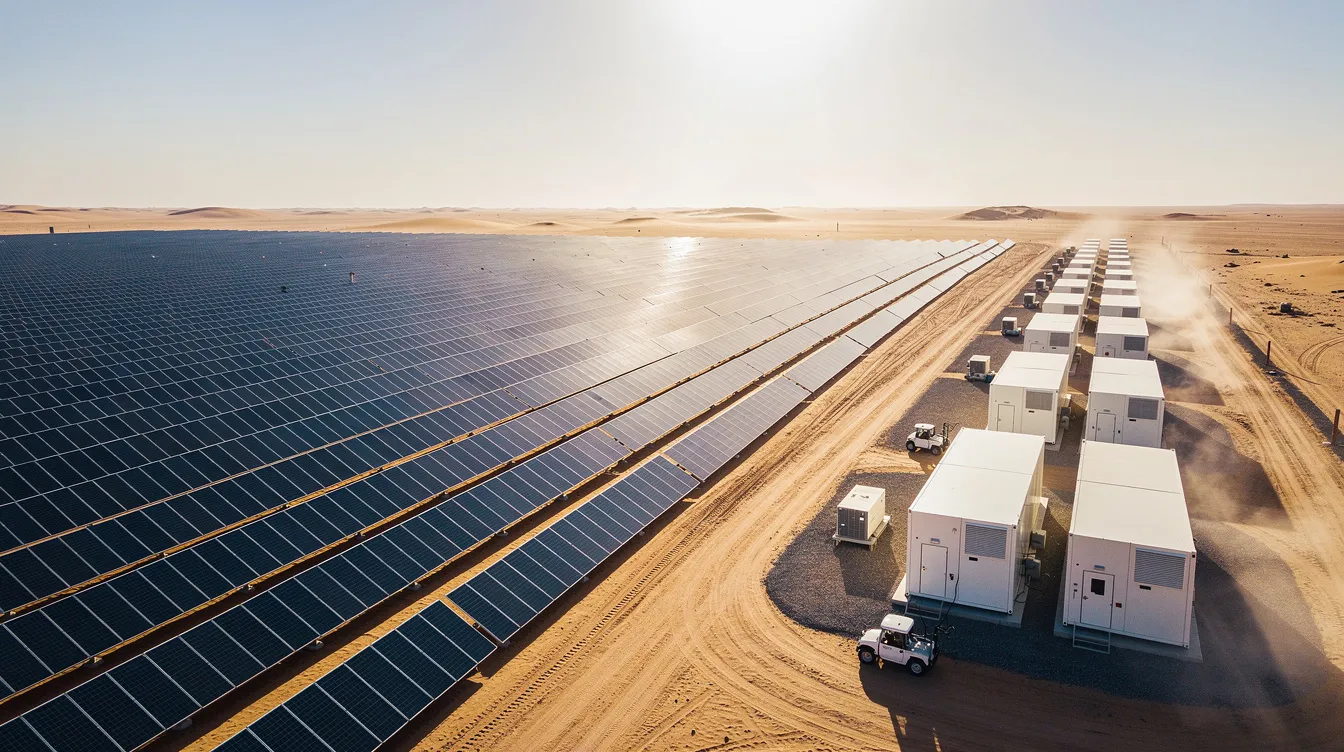
Energy storage projects co-located with data centers can be financed to manage capacity charges, reliability obligations, and grid-stability services such as frequency regulation and demand response revenues. These revenue-stacking structures add complexity to the capital stack but can materially improve project economics.
Data center developers or investors planning energy-intensive campuses should call (720) 307-2627 or message INK™ Law to align real estate, power, and financing strategies before committing to site plans.
Corporate, M&A, and Securities Support Around Energy Project Finance
Energy project finance rarely happens in isolation. It sits inside corporate groups, joint ventures, and M&A transactions-and INK™ Law routinely handles all of those. Mergers and acquisitions in energy include both asset and corporate transactions, and the project finance structure has to accommodate whatever exit or restructuring eventually comes.
Entity structuring: We form project companies and holding companies (LLCs, limited partnerships, S-corps, and C-corps) to accommodate multiple investor classes, waterfall distributions, and exit options. Our corporate transactions work ensures that governance documents, operating agreements, and investor rights are consistent with the financing terms from day one.
M&A transactions: Acquisitions and sales of project companies, portfolio sales, farm-ins and farm-outs, drop-downs into master holding entities, and joint ventures between operators and capital providers. Large firms like Morgan Lewis have handled numerous mergers and acquisitions in energy and represent clients in energy asset acquisitions and divestitures, and Morgan Lewis has experience in creating tax-efficient structures for acquisitions. INK™ Law brings similar transactional sophistication to the mid-market and growth-stage energy space. Morgan Lewis advises on regulatory structuring for energy mergers-at INK™ Law, we counsel clients on the same issues with a responsiveness and accessibility that larger platforms often cannot match.
Securities and corporate finance: Private placements, Regulation D offerings, preferred equity, and debt securities used to fund project pipelines. Our securities practice handles disclosure, governance, and regulatory compliance for energy investments flowing through these structures. Financial institutions, private equity funds, and institutional investors all have documentation and compliance expectations that must be met.
INK™ Law’s broader corporate law practice reinforces integrated advice for energy sponsors and investors across corporate transactions, securities, and project finance.
Risk Management, Regulation & Compliance in Energy Project Finance
Sophisticated energy finance requires proactive management of regulatory, environmental, and commercial risks. INK™ Law incorporates the legal aspects of project development, regulation, and financing directly into project documents rather than treating compliance as an afterthought.
Regulatory regimes: Lawyers represent clients before US regulatory agencies like FERC and the US Department of Energy on matters involving electric power rates, interconnection, and pipeline regulation. Clients receive guidance on compliance with NERC Reliability Standards, and we advise on compliance with energy regulations at federal and state levels. Morgan Lewis advises on compliance with the Price-Anderson Act for nuclear-adjacent projects-across the energy sector, regulatory fluency is non-negotiable. Clients are counseled on regulatory compliance for LNG exports, including liquefied natural gas facility permitting and commodity futures trading commission considerations. Lawyers assist clients with regulatory audits and investigations as needed. Energy finance lawyers ensure compliance with energy and environmental regulations through every phase of project development.
Environmental permitting: Compliance with local permitting requirements is essential in energy project financing. Air quality, water discharge, land use, and species-related permits must be addressed in financing documents as conditions precedent to draws and as ongoing covenants.
Commercial risk tools:
-
Hedging and commodity price risk management for natural gas, crude, and power
-
Basis and locational risk in gas and power energy markets
-
Curtailment and congestion risk for wind and solar projects
-
Volumetric risk for throughput-based midstream assets
Energy finance lawyers mitigate risks by clearly defining contractual obligations-covenants, representations, and conditions precedent that account for permitting milestones, ESG reporting, and ongoing regulatory compliance to avoid post-closing defaults.
Dispute readiness: INK™ Law’s commercial litigation background informs how we draft dispute resolution mechanisms, step-in rights, and remedies in project and finance contracts. Tax strategies, environmental permitting conditions, and energy regulations are all embedded into the deal documentation rather than addressed reactively.
Representative Energy Project Finance Scenarios
The following anonymized scenarios illustrate the types of energy finance matters INK™ Law handles. No confidential details are disclosed.
Scenario 1 – Solar-Plus-Storage in Arizona: Structuring a non-recourse financing for a 150-MW solar-plus-storage project with a 20-year corporate PPA and tax equity partnership flip. The deal required coordination among construction lenders, a tax equity investor, and the sponsor’s private equity backers, with INK™ Law aligning the PPA assignment rights and EPC warranties with lender requirements. Morgan Lewis advises on project financing for energy technologies in deals of this nature-INK™ Law delivers the same caliber of work with a tighter, more responsive team.
Scenario 2 – DJ Basin Midstream: Advising a Denver-based midstream operator on financing a new gas gathering and processing system using a combination of term debt, volumetric production payments, and long-term transportation agreements. The deal required integrating acreage dedication agreements with lender security packages.
Scenario 3 – Wind and Solar Portfolio Acquisition: Supporting a private equity fund in acquiring a portfolio of operating wind and solar assets in Texas, including diligence on project documents, refinancing existing credit facilities, and harmonizing covenants across facilities. Bracewell’s finance team is recognized by leading legal publications for similar work-this is a space where deep industry knowledge matters.
Scenario 4 – Data Center Power in Utah: Helping a data center developer negotiate power supply and backup generation agreements tied to a project-financed gas fired peaker and battery storage facility, coordinating electric power regulatory requirements with the project lender’s security package.
Why Energy Finance Clients Choose INK™ Law
Energy finance lawyers are commonly employed by large international law firms and energy developers-firms with hundreds of attorneys and overhead to match. Chambers USA ranked energy lawyers assist with project financing at those platforms. Leading institutions such as Wells Fargo Bank are often part of the broader financing ecosystem for sophisticated energy deals. INK™ Law offers a different model: Big-Law training, energy sector depth, and business-first strategy without the bureaucratic drag.
Attorney Tom RuBane brings a natural resources and energy law background rooted in Texas and the Western states, with corporate counsel experience since 2006. Energy finance lawyers need several years of experience in transactional law to handle these deals competently-our team draws on decades of combined deal execution across oil and gas, midstream, power, and renewables.
INK™ Law’s integrated team-corporate and business law, M&A, securities and finance, and energy transactions-manages every stage of an energy project’s life cycle. We advise clients on capital structure, risk allocation, documentation, and exit strategy as a single coordinated effort, not as siloed workstreams.
Our geographic and industry focus covers sponsors and investors operating in Colorado, Texas, Wyoming, North Dakota, Oklahoma, Arizona, Utah, and California, with deals often centered around Denver, Houston, Phoenix, Salt Lake City, and Los Angeles.
INK™ Law’s candid, strategy-first style means honest risk assessments, clear documentation, and responsiveness suited to time-sensitive financing timelines. We support clients with innovative solutions tailored to their specific deal, not recycled templates from unrelated transactions.
How We Work With Energy Sponsors, Lenders & Investors
INK™ Law’s process is structured, predictable, and designed to keep complex energy financings moving forward on schedule. We work closely with sponsors, lender groups, tax equity parties, and co-investors to keep every workstream aligned.
Engagement flow:
-
Initial consultation: Goals, timing, capital stack overview, and identification of key risks
-
Term sheet review: High-level assessment of financing terms and bankability gaps
-
Diligence planning: Scoping the document review, identifying local counsel needs, and building the closing checklist
-
Drafting and negotiation: Finance documents, project contracts, and security packages
-
Closing coordination: Managing multiple parties, conditions precedent, and funding mechanics
-
Post-closing support: Covenant compliance, amendments, waivers, and refinancing
We collaborate with lender counsel, tax counsel, technical consultants, and local counsel in multiple states to streamline comments and avoid last-minute issues. Our broad range of capabilities means fewer handoffs and faster turnaround.
INK™ Law’s “protector and partner” philosophy means regular check-ins, clear communication, and practical recommendations instead of academic memos. We counsel clients on what matters for the deal, flag real risks, and skip the noise.
Review INK™ Law’s broader engagement process for expectations on communication, scope, and fees.
Start Your Energy Project Finance Strategy With INK™ Law
If you’re a sponsor, developer, operator, fund, or corporate buyer planning or refinancing projects in the 2024–2028 window-oil and gas, midstream, power, renewables, or energy-intensive infrastructure like data centers-INK™ Law is built for your deal.
Early legal input on capital structure, risk allocation, and documentation can materially change bankability, pricing, and execution risk. We regularly assist clients and other energy industry participants on complex, time-sensitive financings, and we’re prepared to handle the full range of deal structures and tight timelines that energy industry participants face.
INK™ Law represents sophisticated commercial parties across the infrastructure space and the energy sector. Whether you’re an independent power producer closing your first tax equity deal or a private equity fund acquiring a midstream portfolio, we are ready to move.
Get started:
-
Call (720) 307-2627
-
Email contact@ink.law
Schedule a project finance consultation and let’s map the legal and documentation path for your next energy investment.

Frequently Asked Questions About Energy Project Finance Lawyers
These FAQs address practical concerns of energy sponsors and investors that aren’t fully covered above.
What does an energy project finance lawyer actually do?
An energy project finance lawyer structures and negotiates the legal side of financing for large energy and infrastructure projects, focusing on risk allocation, lender protections, and bankability. Concrete tasks include drafting and negotiating credit agreements and security documents, reviewing PPAs and offtake contracts, aligning EPC and maintenance agreements terms with lender requirements, and coordinating closings with multiple parties. Education requirements for energy finance lawyers typically include a Juris Doctor degree, and effective practitioners bring years of transactional experience across the energy sector. At INK™ Law, this role also includes strategic advice on capital structure, timing, and how financing choices impact long-term M&A or exit options.
When should we involve INK™ Law in an energy project financing?
Involve counsel as soon as you’re negotiating term sheets with lenders, tax equity investors, or major offtakers-rather than waiting for fully drafted documents. Early involvement helps flag bankability issues in PPAs, midstream contracts, or site-control documents that could derail financing later. Sponsors planning to reach financing or FID (final investment decision) in the next 6–18 months should call (720) 307-2627 or message the firm online to map a legal and documentation timeline.
What information should we prepare before our first call?
Bring a project summary (location, technology, capacity), current stage (project development, construction, or operating), key contracts (even in draft), proposed capital stack, and any existing financing or liens. A basic project schedule with target financing and COD dates helps, along with a list of counterparties-lenders, investors, EPC contractors, and offtakers. INK™ Law can still add value even if details are evolving, but more detail leads to a more concrete initial strategy discussion.
Can INK™ Law work alongside our in-house counsel or existing law firms?
Yes. INK™ Law often collaborates with in-house legal teams and other outside counsel, especially on large multi-jurisdictional or multi-asset financings. The firm can act as project-finance lead counsel, energy-sector specialist, or corporate and securities support, depending on how you want to allocate roles. Early alignment on roles and communication protocols helps keep transaction costs predictable and avoids duplication of work.
Does INK™ Law only handle very large or utility-scale projects?
While the firm is built for sophisticated, often multi-million or multi-hundred-million-dollar energy transactions, we also represent growth-stage developers and operators whose projects are on a trajectory to scale. The key fit is commercial sophistication and a commitment to structured documentation-not just project size. If you’re unsure whether your deal is a match, call (720) 307-2627 or use the online contact form to explore a potential engagement.