
Energy Infrastructure Lawyer: Legal Strategy from Site Control Through Commercial Operation
Energy infrastructure projects define the backbone of the American economy. Whether it’s a gas pipeline crossing three states, a solar farm paired with battery energy storage, or a carbon capture hub serving multiple industrial emitters, every project demands legal strategy that begins long before the first shovel hits dirt. This page explains how INK™ Law serves as energy infrastructure counsel for developers, operators, and investors navigating the full project lifecycle.
Key Takeaways
An energy infrastructure lawyer specializes in the legal frameworks governing energy development, and the right one can mean the difference between a project that reaches commercial operation on schedule and one that stalls in permitting, financing, or construction disputes. INK™ Law helps energy companies, project developers, and private equity funds take energy infrastructure projects from initial site control and feasibility through permitting, financing, facility construction, interconnection, commercial operation, and eventual sale or refinancing.
INK™ Law focuses on sophisticated energy infrastructure projects across the oil and gas industry, midstream systems, electric power generation, renewable energy, and energy storage. The firm’s primary geographies include Colorado, Texas, Wyoming, North Dakota, Oklahoma, Utah, and Arizona, with particular depth in the major energy markets of Denver, Houston, Phoenix, and Salt Lake City.
The firm integrates energy law, corporate law, mergers and acquisitions, securities and finance, and real estate capabilities to structure bankable energy transactions aligned with the current U.S. energy transition and evolving environmental compliance requirements. Energy infrastructure projects involve complex regulatory frameworks and high capital costs, and INK™ Law designs legal strategies that account for both.
Typical projects include:
- Interstate and intrastate oil and gas pipelines and gathering systems
- High-voltage electric transmission lines
- Natural gas-fired generation plants (combined-cycle and peaker units)
- Utility-scale solar and wind farms with integrated battery energy storage
- Carbon capture, utilization, and storage hubs
- Liquefied natural gas and gas storage facilities
- Renewable natural gas and clean hydrogen infrastructure
Ready to discuss an upcoming or ongoing energy infrastructure project? Call INK™ Law at (720) 307-2627 or send a message online to schedule a consultation.
Why Energy Infrastructure Legal Strategy Matters in 2026
As of 2026, energy infrastructure development in the United States is shaped by overlapping forces: the Inflation Reduction Act of 2022 continues to drive capital toward clean energy, carbon management, and grid modernization. The Federal Energy Regulatory Commission has accelerated reforms to natural gas blanket certificate permitting and interconnection queue rules, including a May 2026 Notice of Proposed Rulemaking broadening the scope of projects eligible for blanket authorization. State-level regulatory regimes, reliability mandates, and aggressive decarbonization goals add further layers of complexity.
Energy projects often require large capital investments and have long development timelines. A greenfield utility-scale solar project routinely takes three to seven years from site identification to commercial operation. Interconnection queues, which once averaged roughly 17 months from interconnection agreement to COD (2007–2015), now average approximately 25 months nationally, with some projects in congested regions like CAISO exceeding six years after securing their interconnection agreement.
The role of energy lawyers encompasses project development, financing, and operations. An energy infrastructure lawyer’s job is to align risk allocation, regulatory strategy, commercial contracts, and capital structure from the first letter of intent or site option through COD. Technical literacy in energy projects is a necessary skill for energy lawyers because the legal strategy must reflect engineering realities, market dynamics, and regulatory timelines simultaneously.
For large electric power and midstream projects, typical development cycles run 18 to 36 months or longer. Waiting to engage legal counsel until after permits are filed or construction begins dramatically increases cost exposure.
Early-stage legal involvement usually costs a fraction of fixing permitting, title, or contract issues discovered during construction or financing. For a 200 MW solar project, cumulative cost at risk before construction can reach $2 million to $12 million. Discovering a title defect or misaligned easement at that stage is exponentially cheaper than during mobilization.
INK™ Law’s Energy & Infrastructure Focus
INK™ Law is a Denver-headquartered business and energy law firm serving clients across Colorado, Texas, Wyoming, North Dakota, Oklahoma, Utah, Arizona, and key markets including Houston, Phoenix, Salt Lake City, and Los Angeles. Energy infrastructure projects often require multi-jurisdictional legal expertise, and the firm’s licensing footprint and industry knowledge are built to match.
The firm’s energy and infrastructure work spans upstream oil and gas, midstream energy infrastructure (pipelines, gathering, processing, storage), electric power generation and transmission, and renewable energy development and energy storage projects. INK™ Law’s practice groups-Corporate & Business Law, Mergers & Acquisitions, Energy Law, Securities & Finance, Real Estate, and Outside General Counsel-are integrated to support complex energy infrastructure projects and energy transactions under one coordinated strategy.
The firm serves energy companies and operators, midstream developers, independent power producers, renewable energy project developers, energy private equity funds, and infrastructure investors who need counsel that understands both the energy industry and the corporate and financial structures behind it.
Who We Serve: Developers, Operators, Investors, and Energy Companies
INK™ Law regularly counsels management teams, in-house counsel, and deal principals on energy infrastructure projects ranging from $5 million distributed generation assets to $500+ million multi-state midstream systems. Principal client segments include:
- E&P companies developing or divesting upstream assets tied to infrastructure
- Midstream operators building or acquiring pipelines, gathering systems, and processing facilities
- Independent power producers developing gas-fired, wind, or solar generation assets
- Renewable energy project developers structuring solar, wind, and hybrid projects
- Battery energy storage sponsors navigating interconnection, offtake, and market participation
- Private equity funds and infrastructure investors deploying capital into energy and infrastructure sectors
- Large commercial and industrial offtakers securing long-term power or fuel supply
The firm represents both project sponsors and capital providers, which allows the team to anticipate lender and investor expectations around covenant packages, security documents, and risk allocation in project documents. Whether the project is a gas gathering system in the DJ Basin, a 96 MW gas-fired peaker in Texas, or a multi-site solar and energy storage portfolio in the Mountain West, INK™ Law provides the legal architecture to move from concept to closing.
Sponsors and investors considering new energy infrastructure projects: Call (720) 307-2627 for a Quick Fit Assessment or send a message through the online contact form.
Full Project Lifecycle: From Site Control to Commercial Operation
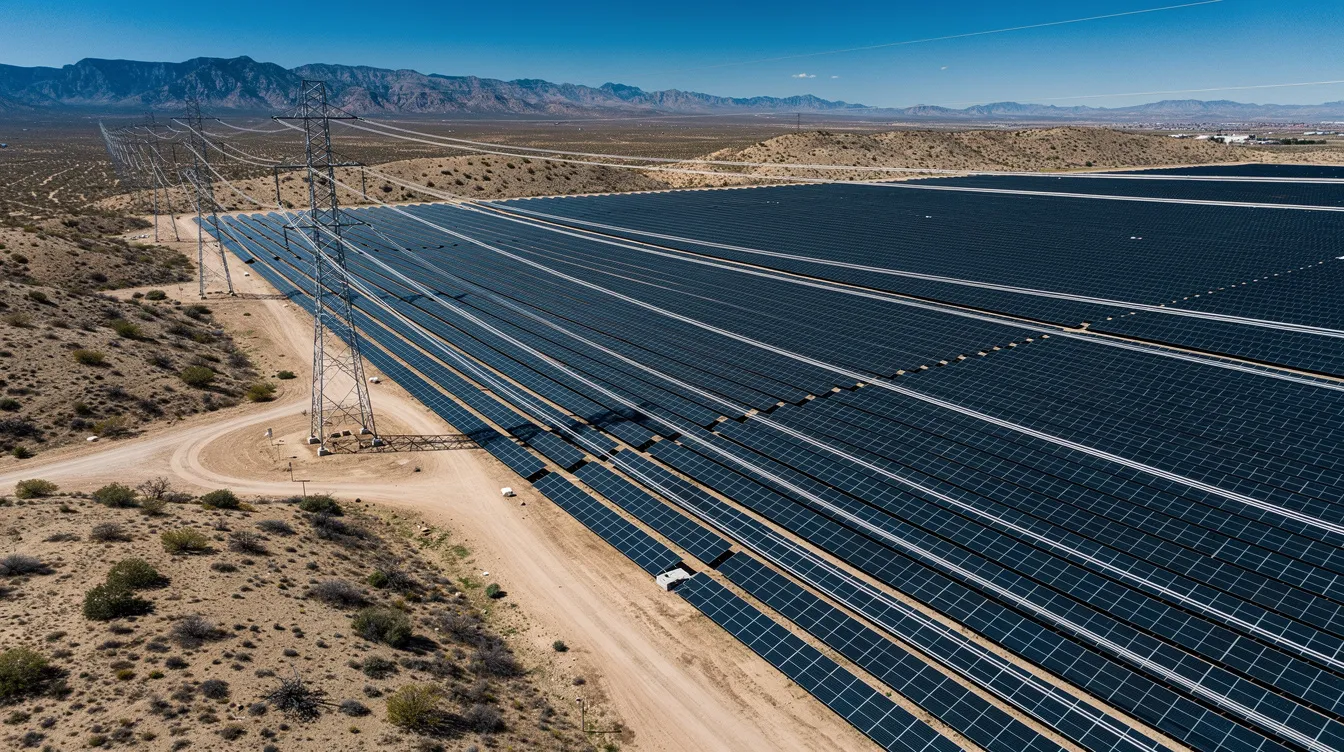
INK™ Law approaches infrastructure development as a full-cycle discipline: concept, site control, permitting and environmental compliance, land and title, commercial contracts, financing, construction, interconnection, and COD. Energy lawyers mitigate risks throughout the project lifecycle by sequencing legal work to match engineering and commercial milestones.
Typical energy infrastructure projects the firm supports include high-voltage transmission lines, intrastate and interstate pipelines, gas storage facilities, gas-fired combined-cycle plants, wind farms in Colorado and Texas, and solar plus battery energy storage systems in Arizona and Utah. Construction costs vary significantly by technology-roughly $1,865 per kW for solar PV, $1,469 per kW for battery storage, and $1,004 per kW for new natural gas plants, according to the EIA.
The approximate sequencing for a typical project:
- Site control and feasibility – LOIs, options, preliminary studies (6–18 months)
- Permitting and environmental review – federal, state, and local approvals (12–36 months)
- Offtake and throughput contracts – PPAs, transportation agreements, MVCs
- EPC and O&M contracting – design, procurement, construction terms (6–12 months)
- Financing close – debt, equity, tax equity (6–12 months, often overlapping)
- Construction and commissioning – physical build and testing (6–18 months)
- Commercial operation – COD, ongoing compliance, market participation
INK™ Law can remain as outside general counsel for ongoing operational matters, expansions, and eventual project sale or refinancing-functions covered by the firm’s Outside General Counsel for Energy Companies practice.
Early-Stage Strategy: Site Control, Feasibility, and Risk Mapping
Early-stage work typically begins with LOIs, option agreements, surface use agreements, easement negotiations, and preliminary joint venture or development agreements for proposed energy infrastructure projects. Energy lawyers mitigate risks throughout the project lifecycle, and nowhere is that more important than before significant capital is committed.
INK™ Law helps clients map regulatory, environmental, and title risks during feasibility. This includes early views on National Environmental Policy Act and Endangered Species Act issues, state PUC or siting board requirements, habitat conservation plans, and community or tribal engagement where relevant. The firm reviews feasibility studies, preliminary interconnection or capacity requests, and basis risk or curtailment exposure in electric power projects.
Consider the difference between evaluating alternative alignments for a 150-mile gas pipeline in Wyoming at the planning stage versus discovering a conflicting conservation easement after ROW acquisition is underway. Or choosing a corridor for a 345 kV transmission line intended to connect wind generation in eastern Colorado to Front Range load centers-where one alignment avoids a congested interconnection node and saves 18 months in queue delays.
Resolving site control or routing issues in 2026 at the planning stage costs a fraction of addressing those same problems in 2028 once construction has mobilized.
Land, Easements, and Right-of-Way for Energy Infrastructure
Land acquisition and real estate expertise are essential in energy project development. Land and right-of-way issues are central to pipelines, transmission lines, gas storage facilities, compressor stations, substations, and renewable energy projects, and careful title and survey review can make or break a timeline.
INK™ Law drafts and negotiates easements, surface use agreements, rights-of-way, underground and overhead line agreements, and related instruments. The firm has particular experience in Colorado, Texas, Wyoming, and North Dakota, where surface-versus-mineral-rights conflicts, setbacks, encumbrances, and conservation easements regularly arise.
Founding partner Patrick Ivy has a long history preparing land title opinions and transfers of easements and leasehold interests for upstream and midstream energy companies. His experience includes conducting multi-million-dollar due diligence and resolving title defects before they escalate into rerouting costs or contractual penalties.
Typical constraints the firm addresses:
- Setback requirements from existing structures or property lines
- Competing mineral and surface rights under split-estate regimes
- Conservation easements restricting development corridors
- Encroachments and access conflicts
- Rights of first refusal held by adjacent landowners
Early title clean-up has, in the firm’s experience, prevented late-stage reroutes of pipeline segments and transmission line corridors that would have added months and millions to project budgets.
Permitting and Environmental Compliance
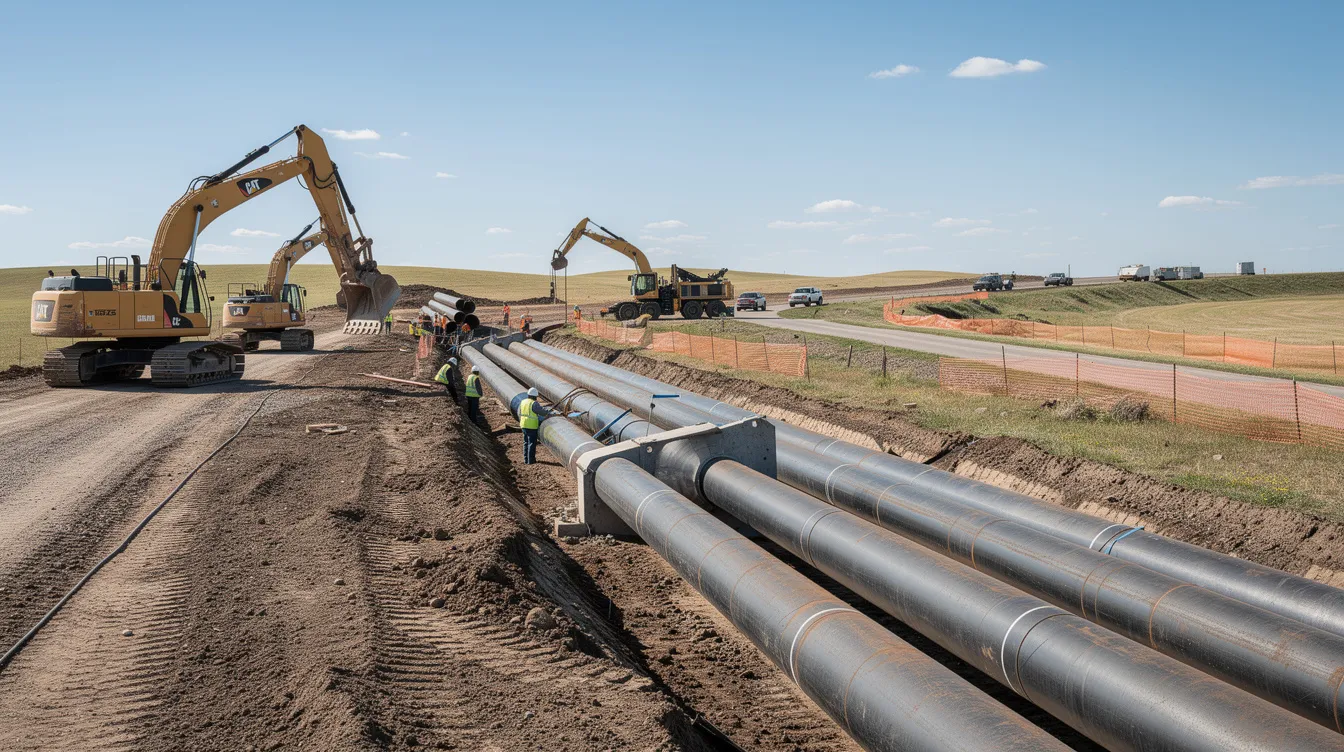
Environmental compliance is crucial in the development of energy projects. Permitting for infrastructure energy projects usually involves overlapping federal, state, and local approvals, as well as environmental compliance obligations that extend well into operations.
Key permitting categories include:
- Federal approvals: FERC certificates for certain gas pipelines, Corps of Engineers permits under Clean Water Act Section 404, NEPA reviews (Environmental Impact Statements or Environmental Assessments)
- State approvals: Facility siting, PUC approvals, air and water permits under state environmental programs
- Local approvals: Land use, zoning, building and construction permits
A 650 MW natural gas-fired plant requires facility siting approval from the relevant state authority. Robinson+Cole represented a 650 MW natural gas-fired power plant in securing those approvals. A 96 MW power facility development includes construction permits, and Robinson+Cole represented a client in developing a 96 MW facility through that process. High-voltage transmission line projects require successful permitting across every jurisdiction they cross. Developers must secure environmental permits for energy projects at every scale.
Energy lawyers help ensure compliance with environmental protection laws, including the Clean Air Act, Clean Water Act, National Environmental Policy Act, Endangered Species Act, and the Toxic Substances Control Act. INK™ Law coordinates with environmental consultants on compliance with these statutes, including cultural-resource analysis and tribal consultation, and state analogues such as Colorado’s environmental review requirements.
The Environmental Protection Agency, the U.S. Fish and Wildlife Service, the Army Corps of Engineers, and relevant state agencies all may have jurisdiction over a single project. The firm advises clients on how to sequence and manage these reviews to avoid delays. Ongoing compliance-monitoring, reporting, and adapting to changing standards-is particularly important for long-lived energy infrastructure assets.
Project Contracts: EPC, O&M, Interconnection, and Offtake
The bankability of energy infrastructure projects depends on how risk is allocated in major project documents. Contractual mastery includes drafting engineering, procurement, and construction contracts that align with financing requirements and construction timelines. INK™ Law structures and negotiates EPC contracts, balance-of-plant agreements, O&M agreements, and long-term service contracts covering:
- Schedule guarantees and liquidated damages
- Performance guarantees and testing protocols
- Force majeure and change-of-law provisions
- Change orders and warranty regimes
- Indemnification and limitation of liability
Energy project developers negotiate interconnection agreements with utilities and grid operators-a process that has become the single most unpredictable element of project timelines. Queue positions, curtailment risk, and interconnection costs (including allocated network upgrade expenses) can dramatically impact project economics. Regulatory compliance includes managing interconnection agreements and tariff design as part of the grid integration process.
Negotiation of power purchase agreements is a key responsibility of energy lawyers. The firm also handles gas supply and transportation contracts for natural gas companies and midstream clients, capacity or storage agreements for gas storage and terminal facilities, and minimum volume commitment contracts. These offtake and throughput agreements drive investor and lender confidence.
INK™ Law’s broader commercial transactions and contract drafting capabilities support these complex agreements across the project lifecycle.
Energy Project Development and Financing
Financial structures in energy projects often involve tax equity and project finance models. Many modern energy projects rely on non-recourse or limited-recourse structures with long-term revenue contracts, and the legal architecture of those structures determines bankability.
INK™ Law assists sponsors and investors with term sheets, credit agreements, security documents, intercreditor arrangements, and equity capital raises, including private placements and securities compliance. The firm advises on capital stacks that may include:
- Senior secured debt
- Mezzanine or subordinated debt
- Tax equity partnerships (where applicable under IRA incentives)
- Sponsor equity
- DOE loan programs and state incentive structures
Energy lawyers support capital flow to projects through structuring legal assurances that satisfy lender due diligence requirements. Financing arrangements for energy projects must account for offtake certainty, equipment lead times, site control, title cleanups, and regulatory permit status. The Inflation Reduction Act’s Investment Tax Credit, Production Tax Credit, and specialized credits under Sections 45Q, 45V, and 48C all require precise structuring of safe harbors, partnerships, and compliance protocols.
Across the energy industry, project financing is a specialized discipline. Morgan Lewis advises on project financing for energy projects, Latham handles financing for renewable energy projects globally, and Bracewell’s energy projects team won awards from IJ Global and Project Finance International in 2017, 2018, and 2021. INK™ Law brings this same rigor to development and project financing work for its energy clients at project scales that range from distributed solar portfolios across Colorado and Utah to gathering and processing systems backed by long-term producer dedications.
Sponsors and capital providers planning 2026–2027 financings: Call (720) 307-2627 or reach out via the online form to discuss transaction structures.
Mergers, Acquisitions, and Divestitures of Energy Infrastructure Assets
Legal counsel is crucial for energy sector mergers and acquisitions. INK™ Law’s M&A team supports acquisitions, divestitures, and joint ventures involving pipelines, storage facilities, power plants, renewables portfolios, and other energy infrastructure assets. Morgan Lewis has handled numerous mergers and acquisitions globally in the energy sector, reflecting the scale and complexity of these complex transactions. INK™ Law brings the same deal discipline to its oil and gas clients and renewable energy project developers.
Key legal tasks in energy M&A include:
- Due diligence on permits, environmental liabilities, and regulatory compliance
- Review of offtake and transportation agreements, including successor obligations
- Title review for easements, rights-of-way, and leasehold interests
- Analysis of regulatory approvals for change of control
- Structuring asset and equity deals with attention to tax efficiency and successor liability
Mergers and acquisitions in energy often involve regulatory structuring-FERC approval for certain pipeline transfers, state PUC consent for generation or transmission assets, and Hart-Scott-Rodino filings where applicable. Acquisitions in energy require thorough due diligence processes to identify both operational risks and hidden liabilities.
INK™ Law structures deals such as the acquisition of midstream asset packages in the Permian or DJ Basin, the sale of an operating wind or solar project to an infrastructure fund, or entry into energy joint ventures for multi-project build-out strategies. The firm’s energy M&A practice works alongside its corporate and securities team to evaluate existing business structures and existing business structures of targets, design holding companies and SPVs, and close deals that protect both buyer and seller interests.
Midstream Energy Infrastructure: Pipelines, Gathering, and Storage
INK™ Law’s midstream practice covers crude oil and natural gas pipelines, gathering systems, processing plants, gas storage facilities, and compressor stations in Colorado, Texas, North Dakota, Wyoming, and Oklahoma. These infrastructure projects serve as the connective tissue between production basins and downstream markets-and the contracts and permits that govern them are correspondingly intricate.
Typical midstream contract structures include:
- Gathering and processing agreements
- Transportation service agreements
- Dedication and minimum volume commitment contracts
- Terminal services and throughput agreements
- Pipeline easement and right-of-way instruments
The firm advises on facility construction, operational risk, waste management obligations, and allocation of liability and indemnities among operators, shippers, and service providers. For gas clients and oil and gas clients building or expanding midstream systems, INK™ Law coordinates land, permitting, commercial, and financing workstreams to keep complex projects on track.
The midstream energy and oil and gas PSA practices reflect the firm’s extensive experience in the gas industry and broader oil gas sector.
Electric Power, Renewables, and Energy Storage
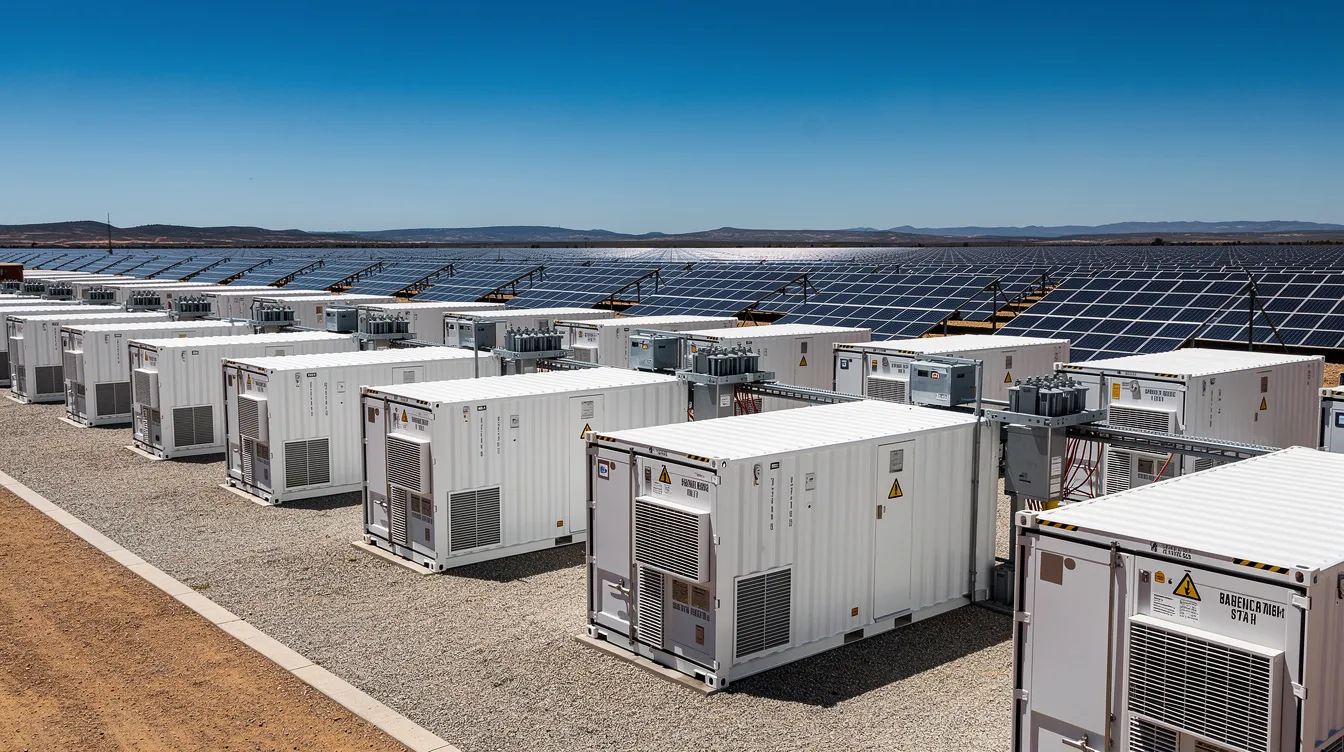
INK™ Law works with electric power generation projects-natural gas-fired plants, wind farms, solar projects, and hybrid facilities-as well as transmission and distribution infrastructure. The firm understands how interconnection, market rules, and reliability obligations interact to determine project economics.
Renewable energy project development has become one of the most capital-intensive and legally complex segments of the energy sector. Solar projects and wind projects are structured around power purchase agreements, renewable energy credits, renewable portfolio standard obligations, and, where applicable, participation in organized ISO/RTO markets. Latham advises on first-of-their-kind renewable energy deals at the global scale, and firms like Morgan Lewis have over 100 years of client relationships in power and energy. INK™ Law brings focused, practical counsel to renewable energy project developers and independent power producers operating in the western and central United States.
Energy storage-particularly grid-scale battery energy storage systems-plays an increasing role in balancing intermittent renewables. Robinson+Cole assists clients with financing energy storage projects, reflecting the growing capital requirements of this asset class. Contracts and risk allocation for storage differ from conventional power projects: revenue models often combine capacity payments, energy arbitrage, and ancillary services, requiring tailored legal structures.
The firm’s renewable energy and battery energy storage practices cover the full lifecycle. Energy efficiency measures, demand response, and distributed energy resources are increasingly integrated into project planning and regulatory discussions, and INK™ Law advises clients on how these trends affect both new development and existing asset strategy.
Energy Transition, Carbon Management, and Emerging Technologies
The energy transition is reshaping infrastructure development across North America. ESG-driven investment mandates from financial institutions, grid modernization programs, and federal incentives are steering capital toward decarbonization. Global energy markets are responding, and developers are positioning new asset classes-carbon capture, renewable natural gas, clean hydrogen, and landfill gas-to-energy-to meet demand.
Carbon capture, utilization, and storage projects, hydrogen infrastructure, and renewable natural gas facilities represent emerging infrastructure where legal frameworks and incentives are still evolving. The IRA’s Section 45Q (carbon capture), Section 45V (clean hydrogen), and Section 48C (advanced energy manufacturing) credits all require careful structuring to ensure qualification. Latham advises on first-of-their-kind renewable energy deals, and INK™ Law brings this same forward-looking perspective to its clients building carbon management and clean fuel infrastructure.
INK™ Law assists clients in structuring projects to qualify for federal and state incentives, tax credits, and grants relevant to carbon management. The firm’s carbon capture and energy private equity practices reflect an understanding of both the technical requirements and the capital markets realities behind emerging technologies. For companies building infrastructure that supports the energy transition through 2030 and beyond, INK™ Law serves as a long-term partner.
Regulatory Strategy and Market Participation
Navigating the regulatory landscape is foundational for every energy infrastructure project. INK™ Law helps clients understand and comply with Federal Energy Regulatory Commission jurisdiction over interstate gas transportation and electric transmission, state commission requirements for generation and distribution assets, and market rules for power projects in organized wholesale markets.
FERC oversees compliance for electric utilities and generating companies, including enforcement of interconnection and transmission service requirements. Morgan Lewis represents clients before US regulatory agencies like FERC, reflecting the critical role that federal agencies play in infrastructure permitting and market oversight. Robinson+Cole assists clients with regulatory compliance audits and investigations, and clients across the energy sector receive guidance on compliance with NERC Reliability Standards.
INK™ Law advises on:
- Tariff structures and rate design for regulated assets
- Interconnection and transmission service issues
- Market participation strategies for independent power producers and storage developers
- Government entities’ requirements for public-private partnerships
- Commodity Futures Trading Commission considerations for energy market participants
- Compliance with the Environmental Protection Agency and the U.S. Fish and Wildlife Service
The firm coordinates with local regulatory specialists and, where needed, co-counsel in specific states to handle contested cases or complex multi-agency approvals. Robinson+Cole has 96 lawyers recognized in The Best Lawyers in America 2027, reflecting the bench strength required for complex regulatory work. INK™ Law’s regulatory counsel focuses on proactive planning that protects project economics and mitigates enforcement risk-including evolving reliability and cybersecurity expectations for critical energy infrastructure.
Corporate Governance, Risk Management, and Outside General Counsel for Energy Companies
Beyond individual projects, INK™ Law serves as outside general counsel to energy companies and infrastructure developers, advising on governance, risk management, and portfolio strategy. The firm designs corporate structures, holding companies, and joint venture entities that own and operate multiple infrastructure assets.
Key governance considerations include:
- Minority protections and exit rights in multi-sponsor ventures
- Buy-sell provisions and drag/tag-along rights
- Alignment mechanisms between public and private companies in co-investment structures
- Board-level oversight, disclosure obligations, and ESG reporting trends
- Compliance programs tailored to energy industry risks, including greenhouse gas emissions reporting
Dispute resolution skills are important for energy infrastructure lawyers, and the firm assists clients in designing dispute mechanisms-mediation, arbitration, and escalation protocols-before conflicts arise. Whether structuring governance frameworks for a multi-asset renewable platform or a midstream joint venture involving producers, a private equity firm, and an infrastructure investor, INK™ Law helps sponsors evaluate existing business structures and build governance systems that work.
Executives and boards seeking experienced outside general counsel for energy and infrastructure portfolios: Call (720) 307-2627 or contact INK™ Law online for a strategy consultation.
How INK™ Law Engages: The INK Plan™ for Energy Infrastructure Projects
INK™ Law’s engagement process, detailed on the firm’s Our Process page, is designed to move quickly from initial contact to actionable legal strategy.
Step 1: Quick Fit Assessment (15 minutes, free) A brief phone or video call to determine alignment with the client’s energy project scope, timeline, and jurisdictional needs. If INK™ Law isn’t the right fit, the firm provides referrals. This step identifies urgent issues and confirms the right practice group engagement.
Step 2: Strategy Consultation (1 hour, paid) A focused session where the firm develops a preliminary roadmap for the project’s legal strategy-from site control through commercial operation or acquisition. Business consultations are $500; this fee is applied to subsequent work if the engagement moves forward.
Step 3: INK Plan™ Implementation The resulting INK Plan™ outlines phases of work, estimated costs, key milestones (targeted permitting submissions, financing dates, COD), and a communication plan tailored to the project team. The firm then executes the plan, coordinating with engineers, environmental consultants, financial advisors, and lenders’ counsel.
Schedule your assessment now. Call (720) 307-2627 or send a detailed project summary through the online contact form.
Why Choose INK™ Law as Your Energy Infrastructure Counsel
INK™ Law brings together deep energy sector knowledge, corporate and finance capabilities, and a business-first approach that serves sponsors, operators, and investors across the energy and infrastructure sectors. The firm’s differentiators include:
- The contract and project-development experience of founding partner Patrick Ivy, who has authored land title opinions, conducted multi-million-dollar due diligence, and negotiated large-scale energy transactions across multiple states
- Integrated practice groups that handle corporate structuring, securities compliance, M&A, real estate, and energy law under one roof
- Modern project management and transparent fee structures aligned with how energy clients actually build and finance projects
- Experience representing clients from small privately held energy companies to publicly traded operators and private equity funds
INK™ Law’s lawyers represent clients with clarity, responsiveness, and strategic insight. The firm understands how to advise clients and assist clients at every phase-from the first option agreement to the last closing condition-and how to calibrate counsel based on client sophistication and internal resources.
Contact INK™ Law today. Call (720) 307-2627, schedule a consultation online, or visit ink.law for more about the firm’s energy and infrastructure practice.
Frequently Asked Questions: Energy Infrastructure Lawyer
The following FAQ addresses common questions that energy developers, operators, and investors raise when first engaging an energy infrastructure lawyer. Answers are general information, not legal advice. For project-specific guidance, contact INK™ Law directly.
What types of energy infrastructure projects does INK™ Law typically handle?
The firm handles oil and gas pipelines, gathering systems, gas storage facilities, compressor stations, gas-fired generation plants, high-voltage transmission lines, utility-scale and distributed solar and wind projects, battery energy storage systems, and emerging carbon capture and hydrogen infrastructure. Project sizes range from tens of millions to several hundred million dollars in capital, with primary geographies including Colorado, Texas, Wyoming, North Dakota, Oklahoma, Utah, Arizona, and other U.S. markets. The firm represent developers, operators, and investors across both conventional and clean energy infrastructure.
When should we bring an energy infrastructure lawyer into our project?
The most effective time is at the concept or early site-control stage-before signing long-term site options, binding term sheets, or major equipment orders. At that point, risk, regulatory requirements, and financing assumptions can be aligned from the start. Waiting until after permits are filed or construction is about to begin frequently results in misaligned easements, flawed offtake terms, or unexpected regulatory approval timelines that compound costs. Based on industry data, resolving issues during the 6- to 18-month feasibility phase is far less expensive than during the construction or financing phase.
How does INK™ Law structure fees for energy infrastructure work?
The firm uses a combination of hourly rates, flat fees for defined work packages (such as specific contracts, title opinions, or regulatory filings), and phased budgets aligned with project milestones. Fee structures are discussed transparently during the Strategy Consultation, and the INK Plan™ outlines anticipated costs by phase so sponsors and investors can integrate legal spend into project financial models.
Can INK™ Law coordinate with our in-house team and other advisors?
Yes. The firm frequently works alongside in-house counsel, project managers, engineers, environmental consultants, and financial advisors. INK™ Law adapts communication and reporting to fit the client’s existing project-management structure. The firm can take lead counsel, co-counsel, or specialist roles-for example, focusing on midstream contracts, power purchase agreements, carbon capture arrangements, or intellectual property matters-depending on what the project requires.
How do we get started with INK™ Law on a new energy infrastructure project?
Contact INK™ Law by phone at (720) 307-2627 or submit a brief project overview through the firm’s online contact form. The firm will schedule a Quick Fit Assessment, typically within a few business days, to determine alignment and urgency. From there, a Strategy Consultation maps out project scope, timing, and next steps-resulting in a tailored INK Plan™ that covers legal strategy from site control through commercial operation.