
Energy Joint Venture Lawyer: Structuring Ownership, Capital, Governance, and Exit Rights
Energy joint ventures sit at the intersection of corporate deal-making, project development, and energy regulatory law. Getting the structure wrong at the outset can lock partners into years of misaligned economics, governance paralysis, or tax credit forfeitures. Getting it right means building a durable framework that survives commodity cycles, regulatory shifts, and evolving partner strategies. This guide breaks down how energy joint ventures actually work and when to bring in experienced counsel.
Key Takeaways
- Energy joint ventures are complex ownership and financing structures used across oil and gas, midstream, and renewable energy projects. INK™ Law helps design clear capital, governance, and exit arrangements from the outset so that partners can focus on building value rather than managing conflict.
- INK™ Law combines energy regulatory, project development, and energy project finance experience with deep corporate and M&A capabilities to structure durable joint venture deals across the U.S.
- Careful planning around ownership percentages, capital commitments, decision-making rights, and exit mechanisms is critical to avoid costly disputes and deadlock in long-term energy projects.
- Sponsors, operators, and investors can call INK™ Law at (720) 307-2627 or message the firm online to discuss a potential or pending joint venture.
- INK™ Law is headquartered in Denver, Colorado and regularly represents clients in Colorado, Texas, Wyoming, Utah, North Dakota, Oklahoma, Arizona, and beyond in sophisticated energy joint ventures.
What Is an Energy Joint Venture (And When Do You Need One?)
An energy joint venture lawyer helps energy companies, developers, operators, investors, sponsors, and financial partners structure ownership, capital contributions, governance, and exit rights for oil and gas, midstream, renewable, and alternative energy projects. In these deals, counsel does more than help parties share costs and risks: the lawyer drafts the joint venture agreement, coordinates related commercial contracts, and addresses regulatory and tax issues so the venture has a durable framework that aligns partner interests and reduces the chance of costly disputes. An energy joint venture is the underlying business arrangement in which two or more parties pool capital, assets, and expertise to develop or operate a specific project or portfolio, with returns and risks shared under a negotiated structure and the roles of owner, operator, and non-operator typically distinct.
Concrete examples illustrate the range. A Denver-based oil and gas operator might form a joint venture with a private equity fund to acquire Permian Basin working interests. A Wyoming gathering system owner could partner with a Houston infrastructure fund to expand a midstream pipeline network. A solar-plus-storage developer might team with a tax equity investor under a joint development agreement to build a 200 MW facility. In 2017, NRG Energy and JX Nippon formed a joint venture for carbon capture operations, demonstrating that these structures extend well beyond traditional drilling. Google invested approximately $200 million in a wind project, showing that even technology companies participate through joint venture arrangements.
Because these projects are capital-intensive and legally complex, the structure has to account for ownership entities, funding obligations, control rights, risk allocation, commercial agreements, compliance requirements, tax incentives, and exit mechanics from the start. Typical triggers for using a joint venture instead of a simple contract include large capital needs, multi-party ownership of key energy resources, complex project financing, foreign or tribal partners, or long-term shared control of critical assets. Common energy segments that rely on JVs include:
- Upstream oil and gas drilling programs
- Midstream gathering and processing systems
- LNG and natural gas pipelines
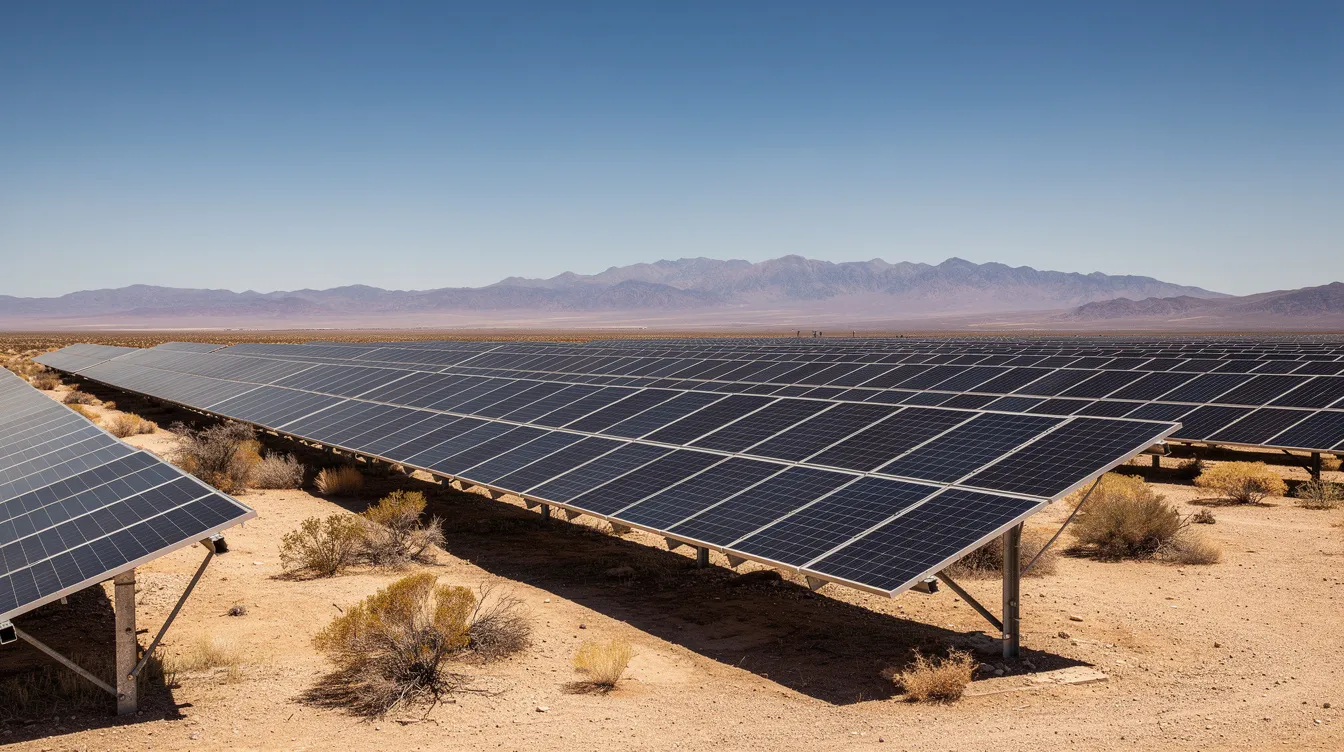
- Wind and solar farms
- Battery energy storage projects
- Carbon capture hubs and renewable natural gas facilities
If you’re contemplating whether a JV is the right vehicle or whether a farmout, services agreement, tolling, or offtake arrangement is better suited, call INK™ Law at (720) 307-2627 for an initial discussion.

INK™ Law’s Role as an Energy Joint Venture Lawyer
INK™ Law is a Denver-based business and energy law firm that treats energy joint venture work as a blend of corporate structuring, project development, project finance, and energy regulatory counseling. The firm focuses on sophisticated commercial and transactional work for energy companies, operators, developers, and investors, particularly across Colorado, Texas, Wyoming, Utah, North Dakota, Oklahoma, and Arizona.
An energy joint venture lawyer at INK™ Law adds value by:
- Structuring ownership and capital stacks for public and private companies
- Drafting joint venture, joint development agreement, and shareholders’ agreements
- Coordinating related documents including JOAs, offtake, EPC, and interconnection agreements
- Negotiating governance terms that balance operator control with investor protections
- Aligning JV terms with financing and securities rules
- Designing clear exit mechanics including buy-sell, tag-along, and drag-along provisions
Energy JV lawyers handle complex contracts and regulatory compliance across multiple deal layers. Contract law expertise is essential for drafting joint venture agreements that hold up under operational stress. The firm’s related capabilities include corporate and business law for entity structuring and corporate governance, mergers and acquisitions for roll-up or exit strategies, energy law for upstream oil and gas and midstream arrangements, and securities and finance for capital raising and project finance. Energy JV lawyers must understand the specific energy sector dynamics and economics to structure deals that actually work in the field.
Ready to discuss an upcoming or troubled joint venture? Call (720) 307-2627 or contact INK™ Law online to schedule a consultation.
Choosing the Right JV Entity and Ownership Structure
Most modern energy joint ventures are formed as limited liability companies (LLCs), limited partnerships, or occasionally as corporations. The choice is driven by liability ring-fencing, tax treatment, governance flexibility, and financing requirements.
Key structural questions include:
- Will the JV own hard assets (wells, pipelines, panels) or just contract rights, and will it also hold or control the related real estate?
- Will partners contribute cash, leases, mineral interests, or technology?
- How do working interests, net revenue interests, and carried interests map into the JV equity cap table?
Concrete structures include a Delaware LLC holding a portfolio of Colorado and North Dakota oil and gas leases with a 70/30 ownership split between operator and investor. A limited partnership might own a Texas natural gas pipeline with preferred and common equity tiers. A project-specific LLC for a 100 MW solar project could have separate membership interests for the sponsor and a tax equity investor.
Entity choice also interacts with existing joint operating agreements, area of mutual interest provisions, and mineral rights ownership in places like the DJ Basin, Powder River Basin, and Permian Basin. An experienced energy joint venture lawyer at INK™ Law can walk clients through entity selection and ownership planning at the term sheet stage. Call (720) 307-2627 early, before committing to a structure that is difficult or expensive to unwind.
Capital Contributions, Project Financing, and Ongoing Funding
Capital commitments are the backbone of any energy joint venture and must be aligned with realistic project development and project financing timelines. This is especially true for capital-intensive assets like pipelines, gas plants, wind farms, and energy storage facilities. Energy projects often require project financing and lender coordination that must mesh with JV economics.
Energy joint ventures may involve asset and technology contributions between partners, including:
- Cash
- Leases and mineral rights
- Existing infrastructure (pipelines, compressors, storage tanks)
- Intellectual property such as control systems or proprietary drilling methods
- In-kind services such as operatorship or construction management
Key funding mechanics that a JV agreement must address:
- Initial capital calls vs. staged capital contributions tied to project milestones
- Default remedies if a party fails to fund (dilution formulas, forced loans, loss of voting rights)
- How JV funding obligations dovetail with external project finance or corporate finance facilities
Consider a 250 MW solar-plus-storage project that uses a construction loan converting to term debt, supported by a tax equity investment and sponsor equity from JV partners. The LLC agreement and financing documents must contain interlocking covenants. Firms like Duane Morris have decades of project finance experience advising on similar structures, and Jackson Walker has extensive experience in energy loan transactions. INK™ Law coordinates joint venture capital provisions with bank lenders, private credit funds, or tax equity investors, drawing on the firm’s broader securities and finance and corporate finance experience.
Governance, Control Rights, and Decision-Making
Governance provisions determine who actually runs the joint venture and how key decisions about drilling, construction, operations, and divestitures are made over the life of the project.
Specific governance topics include:
- Manager-managed vs. member-managed LLCs
- Composition of management committees
- Operator designation and day-to-day authority
- Veto rights for “major decisions”
- Quorum and voting thresholds
- Deadlock resolution mechanisms (shotgun provisions, arbitration, expert determination)
In a midstream JV, the infrastructure fund might require consent rights over capital expenditures above a set dollar amount, related-party contracts, and long-term offtake agreements. In an oil and gas JV, the non-operator often holds protective rights over drilling budgets and AFEs.
Typical “major decisions” requiring enhanced approval include changes to the business plan, incurring significant debt, asset sales, entry into new basins, approval of annual budgets, and changes to ownership or capital structure. INK™ Law helps balance control between sponsor-operators and financial investors so that the project remains bankable, regulators’ expectations are met, and day-to-day operations are not paralyzed by excessive consent rights.

Allocating Risk, Liabilities, and Indemnities
Energy projects involve unique operational, environmental, regulatory, and market risks. A well-drafted joint venture agreement should allocate these risks deliberately rather than by default. Energy JV lawyers manage risk allocation through contractual protections tailored to the specific asset class.
Risk categories to address:
- Drilling and completion risk in upstream projects
- Construction and EPC risk in pipelines and alternative energy projects
- Commodity price and basis risk in midstream and power offtake deals
- Environmental and decommissioning liabilities
- Regulatory or permitting delays
Understanding environmental regulations is vital for energy joint venture lawyers. Indemnities in practice often include operator indemnity for gross negligence or willful misconduct, mutual indemnities for third-party claims, carve-outs for certain regulatory fines, and allocation of environmental cleanup costs for legacy contamination discovered mid-project.
Consider a carbon capture and storage joint venture relying on Section 45Q tax credits. Partners must address long-term monitoring and potential leakage liabilities lasting decades beyond the initial credit period. Carbon capture projects are influenced by climate change regulations that continue to evolve. INK™ Law’s energy attorneys routinely coordinate JV indemnity structures with insurance coverage, service contracts, and joint operating agreements to prevent gaps and unexpected exposures.
Revenue Sharing, Offtake, and Commercial Contracts
Even where ownership percentages are clear, the commercial value of a joint venture depends on how revenues and costs flow through power purchase agreements, gas gathering and processing agreements, transportation agreements, and offtake contracts.
Contract types that typically require coordination with JV terms include:
- Power purchase agreements for wind and solar projects
- Renewable energy certificates and renewable energy attributes sales
- Tolling agreements for gas-fired plants
- Crude oil transportation and gathering agreements
- Gas processing and fractionation arrangements
- Storage service agreements and equipment supply agreements
- Carbon capture offtake contracts
These contracts interact directly with JV terms: dedication of production or throughput, minimum volume commitments, ship-or-pay obligations, price and index selection, and how revenues and shortfall penalties are allocated among partners. A long-term power purchase agreement for a 150 MW Colorado solar project selling into an off-taker in 2027, or a multi-year gas gathering agreement in the Permian Basin with escalating MVCs, can materially impact partner cash flows.
INK™ Law can both structure the joint venture and negotiate the key commercial agreements so that the economics and risk allocation across all documents are aligned rather than in conflict.
Regulatory and Energy Regulatory Considerations
Many energy joint ventures must navigate energy regulatory issues at the federal and state levels. The Federal Energy Regulatory Commission oversees wholesale energy markets and electricity transactions, and state public service commissions regulate local energy markets and rates. Energy joint ventures may require handling of permits and approvals from regulatory bodies at multiple levels. Energy projects can involve regulatory changes that affect economics, sometimes dramatically.
Concrete regulatory contexts include:
- FERC regulation of natural gas pipelines and certain midstream arrangements
- State oil and gas commissions (such as the Colorado Energy and Carbon Management Commission) overseeing drilling, pooling, and spacing
- Public utility regulatory policies governing retail electric providers and certain solar or storage projects
- Environmental permitting under the Clean Air Act and Clean Water Act
- NERC monitors compliance with reliability standards in energy markets
The Energy Policy Act governs various aspects of the electricity industry. FERC approved the first regional transmission organization in 2001, establishing the framework for regional transmission operators and entities like the midcontinent independent system operator and the electric reliability council. Joint ventures often involve complex regulatory compliance issues, and the JV structure itself can affect whether the venture is treated as a public utility, whether affiliate transaction rules apply, and whether market-based rate authority or open access obligations are triggered.
Climate change policies drive demand for renewable energy technologies, and policymakers pursue carbon reductions through alternative fuel technologies. Renewable portfolio mandates are part of climate change policies that shape demand for such projects. State and federal agencies, along with federal and state legislators, continue to refine these frameworks. INK™ Law monitors regulatory changes in key states such as Colorado, Texas, and Wyoming and advises energy clients on how to structure joint ventures that remain compliant as energy regulatory frameworks evolve.
Tax, Federal Incentives, and Section 45Q / Renewable Credits
Energy joint ventures are often driven by tax efficiency and the ability to monetize federal incentives and state and federal incentives. The Inflation Reduction Act incentivizes renewable energy investments and expanded the investment tax credit, production tax credit, and Section 45Q tax credit for carbon capture and storage. These tax credits are available for renewable energy and alternative energy projects including wind energy projects, solar energy projects, biomass projects, and energy storage projects.
Tax equity and special allocation structures are commonly used in wind, solar, and energy storage JVs. Tax equity investors receive the majority of tax benefits until a target IRR is met, after which ownership “flips.” For a carbon capture project in the Rockies designed around Section 45Q, ownership and risk allocation must satisfy IRS rules for partnership allocations of credits. For solar projects using an investment tax credit with a flip structure, the JV agreement must precisely define allocation mechanics.
State and local tax incentives-such as property tax abatements, sales and use tax exemptions on equipment, or value limitation agreements-can materially affect returns and should be addressed in JV budgets and distribution waterfalls. Federal incentives drive significant capital flows; since passage of the IRA, clean energy investments have catalyzed over $1 trillion in private investment across the energy industry.
INK™ Law works closely with clients’ tax advisors to ensure that joint venture documents reflect and preserve intended tax and incentive outcomes. Any tax-driven allocation or distribution provisions must be accurately translated into the JV agreement language.
Dispute Prevention, Exit Rights, and Buy-Sell Mechanics
Energy joint ventures are typically long-term relationships. Disputes, deadlock, and changing strategies are inevitable unless the JV agreement includes clear exit and dispute resolution mechanisms from day one. Joint venture agreements include buy-sell provisions and dispute resolution mechanisms that should be drafted with specificity. Dispute resolution frameworks are important in joint ventures to prevent operational paralysis.
Specific exit tools include:
- Buy-sell provisions (shotgun or appraised value)
- Drag-along and tag-along rights
- Rights of first offer and rights of first refusal on partner interests or underlying assets
- Put and call options tied to time or performance milestones
- Step-in rights for non-defaulting parties
Realistic scenarios include a partner seeking liquidity after commodity prices fall, one partner wanting to expand into hydrogen or alternative fuels while the other prefers to divest, or a financial investor’s fund term expiring before the end of project life. Investment funds and private equity sponsors often operate on fixed timelines that differ from an operator’s development horizon.
Dispute resolution strategies beyond simple litigation include management-level negotiation, mediation, expert determination for technical disagreements (such as reserve reports or construction delay attribution), and arbitration clauses tailored to cross-border or multi-jurisdictional disputes. INK™ Law’s corporate and commercial litigation experience informs how it drafts JV exit and dispute provisions to prevent common partner conflicts.
Oil and Gas Joint Ventures and Joint Operating Agreements
Upstream oil and gas joint ventures often sit on top of or alongside joint operating agreements, farmout agreements, and development area arrangements. The JV must be harmonized with these underlying contracts. Drafting joint operating and shareholder agreements is a primary responsibility of energy JV lawyers working in the upstream space.
Concrete upstream JV scenarios include drilling programs in the Denver-Julesburg Basin, horizontal development in the Permian Basin, multi-well development in the Powder River Basin, or cross-lease development arrangements where multiple mineral owners are involved.
JV terms intersect with JOAs in critical ways: operator designation, AFEs and cost overruns, non-consent penalties, and area of mutual interest provisions that may require offering new leases to the JV or other parties. Split estates and mineral rights in Western states create additional complexity, as mineral title, surface use, accommodation doctrine, and related real estate diligence and surface-access issues feed into upstream joint venture risk allocation and site control.
INK™ Law regularly drafts and negotiates joint operating agreements and related oil and gas contracts, enabling the firm to design JVs that work seamlessly with field-level operating documents and real-world drilling practices.
Midstream, Storage, and Infrastructure Joint Ventures
Joint ventures for midstream infrastructure-gathering systems, processing plants, natural gas pipelines, and storage facilities-often require shared ownership among producers, infrastructure funds, and sometimes downstream users. These are among the most capital-intensive assets in the energy industry, and innovative deal structures are often needed to align economics.
Asset types include crude oil and NGL gathering systems in Texas and Oklahoma, natural gas processing plants in Colorado and Wyoming, underground gas storage in Utah, and rail or terminal infrastructure in major hubs.
Long-term throughput commitments, dedication of production, and tariff or fee structures are central to midstream joint ventures. These commercial terms are reflected in the JV’s distribution and financing models. Unique midstream issues include FERC or state regulation of rates for certain pipelines, open access considerations, interconnection with third-party systems, and coordination among multiple producers feeding the same system. Duane Morris provides legal support for international energy financings involving midstream assets, and other firms like Jackson Walker assist with renewable energy project development and financing for assets with midstream characteristics.
INK™ Law’s midstream energy and energy transactions experience allows the firm to design JV structures that align the interests of producers, midstream operators, and capital providers.

Renewable Energy, Energy Storage, and Alternative Energy Project JVs
The renewable energy industry has seen rapid growth in joint ventures, spanning utility scale solar, onshore wind energy, community solar, distributed generation, and battery energy storage facilities across the Mountain West and Southwest. Joint ventures are common in renewable energy project financing, and the expansion of federal incentives has accelerated this trend. Holland & Knight has represented clients in 800 MW renewable projects, and Holland & Knight assists with financing for energy storage projects, reflecting the scale and complexity of such projects.
Specific project types include 100+ MW solar farms in Colorado and Texas, hybrid solar-plus-storage projects, community solar gardens in Colorado, onshore wind projects in Wyoming, solar power projects paired with landfill gas or renewable natural gas, and hydrogen projects leveraging new federal incentives. Project developers and solar project developers increasingly partner with institutional investors, independent power producers, and governmental entities through joint venture arrangements.
Common JV structures in renewables include joint development agreements between local developers and institutional investors, build-transfer arrangements, sponsor–tax equity structures, and partnerships between utilities and independent power producers. Google invested approximately $200 million in a wind project, illustrating the scale at which technology companies participate as renewable energy clients.
Unique issues include interconnection queues managed by a regional transmission organization, curtailment risk, offtaker credit quality, community and tribal engagement, site control and real estate land access, and how battery energy storage changes project revenue stacking and dispatch strategies. Energy storage integrates intermittent renewables into the grid, and energy storage can optimize the value of renewable energy projects. Energy storage projects face significant regulatory challenges, particularly around interconnection and market participation rules. Energy storage is essential for distributed energy resources and for such projects to deliver reliable power. Regulatory approvals are necessary for successful renewable energy projects across all asset types.
INK™ Law helps renewable energy project developers, storage providers, and investors structure joint ventures that integrate renewable project development, project financing, and energy regulatory realities while preserving eligibility for federal incentives available through at least 2033. The firm has extensive experience advising renewable energy company clients and energy industry clients on complex energy transactions.
Cross-Border, Tribal, and Public–Private Energy Joint Ventures
Some energy projects involve cross-border assets, tribal lands, or public–private partnerships that add layers of regulatory, jurisdictional, and sovereignty issues. Energy joint ventures can include public-private partnerships, and Akin advises on public-private partnerships for renewable projects, reflecting the specialized expertise these structures demand. Duane Morris provides legal support for energy project financing involving cross-border elements.
Examples include joint ventures with tribal energy authorities for renewable or oil and gas development on tribal lands, cross-border natural gas infrastructure projects linking U.S. production to export markets, and public–private arrangements for transmission or energy storage serving municipal utilities. These ventures may involve state and federal agencies and federal agencies with overlapping jurisdiction.
High-level legal considerations include tribal sovereign immunity waivers, choice-of-law and dispute resolution provisions that respect tribal and federal jurisdiction, and compliance with cross-border investment regulations and sanctions regimes. Governance and exit provisions may need special tailoring due to political considerations, treaty obligations, or public interest constraints.
INK™ Law works with local and subject-matter co-counsel when appropriate and designs JV structures that can be implemented in complex regulatory and sovereign environments without sacrificing commercial clarity.
How INK™ Law Works With Energy Clients on Joint Ventures
INK™ Law’s process for energy joint ventures follows a clear path: assess objectives, map risks, design structure, document the deal, and support execution and governance over time.
The typical engagement looks like this:
- Initial strategy call to understand the project, partners, and commercial goals
- Review of existing leases, JOAs, term sheets, or LOIs to identify constraints and opportunities
- Development of a deal roadmap and allocation model for ownership, capital, and governance
- Drafting and negotiation of JV documents
- Coordination with lenders, investors, and regulators to close the transaction
- Ongoing outside general counsel support to the JV and its sponsors
The firm’s compact, focused team brings together corporate, M&A, energy, securities, and litigation perspectives so that documents are both commercially sensible and defensible in a dispute. For energy companies and operators who enter multiple JVs over time, INK™ Law serves as outside general counsel, providing standardized templates and consistent governance practices that reduce legal friction across deals. The firm is actively involved in the deal from term sheet through operations.
Schedule a consultation by calling (720) 307-2627 or submitting a message through the firm’s online contact form to discuss your current or planned joint venture strategy.
When to Call an Energy Joint Venture Lawyer
The best time to involve an energy joint venture lawyer is before signing a term sheet or letter of intent, before submitting joint bids, or as soon as partners begin discussing shared capital and ownership. INK™ Law has assisted clients at every stage.
Warning signs and triggers for picking up the phone:
- Disagreements over operatorship
- Mismatched investment horizons among partners
- Counterparty-drafted term sheets that appear one-sided
- Lenders requesting changes to JV governance
- Early disputes over development pace or capital calls
Problems that are cheaper to prevent than to fix include ambiguous exit rights that lead to stalemate, undocumented side understandings, governance structures that make board approval impossible in practice, or misaligned tax and regulatory assumptions. INK™ Law can also help renegotiate or restructure an existing troubled joint venture using tools such as amendments, buyouts, or asset carve-outs. The firm’s energy attorneys bring perspective from both deal-making and dispute resolution.
Call INK™ Law at (720) 307-2627 or reach out online at ink.law/contact for a confidential discussion of your situation.
Frequently Asked Questions About Energy Joint Ventures
How long does it typically take to negotiate and close an energy joint venture?
Timelines vary with complexity, but many straightforward upstream or midstream JVs can move from signed term sheet to closing in 60–120 days if partners are aligned and due diligence is organized. More complex structures-such as multi-asset portfolios, carbon capture hubs involving Section 45Q tax credits, or renewables with tax equity and project finance-can take several additional months due to tax, regulatory, and financing workstreams. Early involvement of an energy joint venture lawyer and a clear project plan often shortens the overall timeline and reduces last-minute surprises.
Can a joint venture be used just for one project, or does it have to cover an entire business?
Energy joint ventures can be set up for a single asset (such as one solar project or one gathering system), a defined project area (like an acreage block in the DJ Basin), or a broader business line (such as all midstream assets in a region). The correct scope depends on the parties’ goals, anticipated capital needs, and exit plans. Over-broad or under-inclusive scopes can create problems later. INK™ Law helps clients define the appropriate project or portfolio scope at the structuring stage so that the JV supports, rather than limits, future strategy.
Do I need separate counsel if I am partnering with a much larger energy company?
When partnering with a major oil company, infrastructure fund, or utility, each party should have its own counsel to ensure its interests and risk tolerances are fully represented. Larger partners often have standard forms and preferred structures, and an experienced energy joint venture lawyer can help a smaller operator or developer understand which provisions are market, which are negotiable, and where to push back. INK™ Law regularly works with counterparties’ in-house and outside counsel to reach balanced, financeable structures that protect private companies and smaller operators.
What if our energy joint venture starts to underperform or we no longer agree on strategy?
Underperformance and strategic divergence are common over multi-year project timelines, especially in volatile commodity or energy policy environments. Well-drafted JV agreements anticipate these situations with budget processes, performance thresholds, buy-sell rights, and other exit mechanisms that allow parties to re-align ownership or unwind the relationship. INK™ Law can review existing joint venture documents, advise on available options, and help negotiate amendments or exit transactions tailored to the current facts.
How can I speak with INK™ Law about a potential or existing energy joint venture?
Call INK™ Law at (720) 307-2627 to speak with the team about your project, counterparties, and timing. You can also submit details through the firm’s secure online form at ink.law/contact, and a member of the team will respond promptly to schedule a consultation. The firm regularly represents clients across Colorado, Texas, Wyoming, Utah, North Dakota, Oklahoma, Arizona, and other U.S. energy markets in complex joint venture and energy transaction matters involving energy resources across every major asset class.