
Energy Private Equity Lawyer: Structuring Acquisitions, Investments, and Portfolio Company Transactions
Energy private equity lawyer expertise is essential for navigating the complex landscape of energy investments. This guide covers the unique legal, regulatory, and transactional issues faced by energy private equity lawyers, including acquisitions, project development, finance, regulatory compliance, and portfolio company exits. The article is intended for private equity sponsors, family offices, and strategic investors active in the energy sector. Sector-specific legal expertise is critical to managing risk and maximizing value in energy investments. An energy private equity lawyer specializes in transactional, regulatory, and corporate law in the energy sector.
What is an Energy Private Equity Lawyer?
An energy private equity lawyer specializes in transactional, regulatory, and corporate law in the energy sector. Energy transactions require M&A, project finance, and energy-industry knowledge working in concert. Understanding energy market dynamics is crucial for an energy private equity lawyer, as a single permitting delay or missed tax credit deadline can materially impair returns. These lawyers combine deep industry knowledge with legal skills to help clients structure, negotiate, and execute complex energy deals.
Key Takeaways
- INK™ Law advises private equity sponsors, family offices, and strategic investors on energy transactions across oil and gas, natural gas, midstream, and renewables—focusing on commercially pragmatic deal structures that protect capital and position portfolio companies for growth.
- An energy private equity lawyer specializes in transactional, regulatory, and corporate law in the energy sector, combining skills that general corporate counsel typically lack. Energy transactions require M&A, project finance, and energy-industry knowledge working in concert.
- This article covers how to structure platform acquisitions, navigate project development and energy project finance, leverage federal incentives after the inflation reduction act of 2022, and plan portfolio company exits.
- INK™ Law’s integrated capabilities span corporate law, mergers & acquisitions, energy regulatory compliance, securities, and energy project contracts. The firm regularly acts as outside general counsel for energy-backed portfolio companies.
- The content is tailored to sophisticated investors and operators in Colorado, Texas, Arizona, Utah, Wyoming, North Dakota, and Oklahoma, but INK™ Law represents energy clients across the United States.
Ready to discuss a deal? Call INK™ Law at (720) 307-2627 or message us online for a confidential strategy consultation.

Why Energy Private Equity Needs Sector-Specific Deal Counsel
Generalist M&A counsel often miss value drivers and risk points that are unique to the energy industry—reserve-based valuation, midstream capacity constraints, interconnection queue positions, commodity price hedging, and eligibility for federal incentives, to name a few. Energy projects have risks that ordinary M&A lawyers may not spot, and the cost of overlooking them can dwarf legal fees.
What makes energy transactions different from other private equity investments is the combination of commodity price exposure, extreme capital intensity, and layered regulatory oversight from state and federal agencies. Understanding energy market dynamics is crucial for an energy private equity lawyer, because a single permitting delay or missed tax credit deadline can materially impair returns.
INK™ Law combines deep energy law experience—upstream oil and gas, midstream energy, natural gas infrastructure, renewables, and energy storage—with private equity and corporate deal structuring skills. Specialized energy counsel can identify regulatory and permitting risks before investment, aligning legal strategy with the sponsor’s underwriting model from day one.
PE sponsors, independent sponsors, and family offices rely on INK™ Law to evaluate, structure, and execute acquisitions and exits in basin-focused businesses across the DJ Basin, Permian Basin, Williston Basin, Powder River, and other key U.S. plays. If you are evaluating an energy transaction, call (720) 307-2627 to speak with INK™ Law about your deal.
Core Focus Areas: Oil & Gas, Midstream, Power, and Renewables
INK™ Law’s strategic energy practice covers the full spectrum—from upstream exploration and production through renewable energy projects and energy storage projects. The main subsectors where energy private equity typically invests include:
- Upstream E&P: oil and gas assets, natural gas production, mineral and royalty interests, non-operated working interests
- Mineral and Royalty Aggregation: acquiring and managing mineral and royalty interests across producing basins
- Midstream: gathering, processing, pipelines, storage, and CO₂ infrastructure projects
- Downstream and Services: refining, processing, oilfield services, and equipment supply agreements
- Power Generation: gas-fired plants, independent power producers, and distributed generation assets
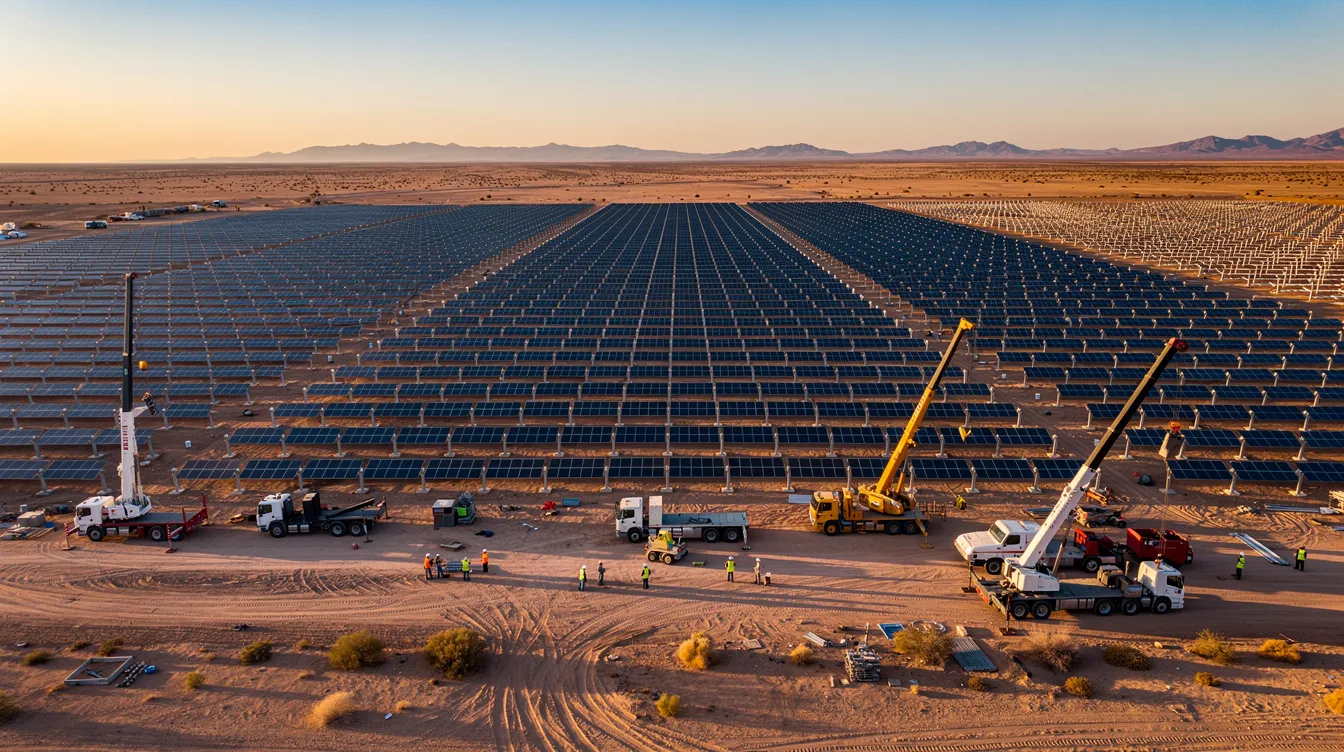
- Renewable Energy: utility scale solar power projects, onshore and offshore wind, renewable natural gas, biomass projects, and distributed energy resources (DER)—which include renewable energy and energy storage
- Energy Storage: standalone battery storage and hybrid renewable-plus-storage projects
Solar generation is one of the fastest-growing segments of the renewable energy industry, while wind energy demand is increasing due to climate change policies. Energy storage is essential for integrating renewable energy into the grid, particularly as intermittent resources scale. Microgrids enhance resilience for businesses and communities, and DER can participate in wholesale electricity markets for revenue—though regulatory challenges hinder the growth of DER and microgrid projects in many jurisdictions.
INK™ Law’s experience includes structuring and negotiating joint operating agreements, midstream dedications, processing agreements, offtake and fuel supply agreements, transportation contracts, power purchase agreements, interconnection agreements, and equipment supply agreements that materially affect portfolio value. Each subsector connects to common private equity strategies: buy-and-build, carve-outs from majors, “drillco” and development JVs, infrastructure and project finance plays, and platform roll-ups.
Structuring Energy Platform Acquisitions for Private Equity Sponsors
An “energy platform” for private equity means acquiring a controlling stake in an established E&P company, midstream operator, or renewable energy company as a base for bolt-on acquisitions and organic growth.
Common transaction structures include:
- Stock or membership interest purchases (capturing the entire entity, including contracts, permits, and liabilities)
- Asset acquisitions (cherry-picking specific oil and gas assets, leaseholds, or infrastructure while limiting assumed liabilities)
- Mergers (statutory combinations for scale)
- Joint ventures and farmouts (sharing risk and capital in development-stage assets)
INK™ Law helps sponsors choose the right structure based on tax, liability, and regulatory factors. For purchase price mechanics and risk allocation, the firm negotiates working capital adjustments, earnouts tied to production or development milestones, commodity-linked price adjustments, and indemnity structures including escrows, holdbacks, and representation and warranty insurance. Early-stage alignment between sponsor, management, and co-investors on governance rights, board composition, special approval matters, and exit strategy is essential—and frequently underestimated.
Evaluating a platform acquisition? Call (720) 307-2627 or request a consultation to review structure options before signing a letter of intent.
Energy Project Development: From Leasehold to Operating Asset
Private equity capital increasingly backs specific energy projects—a multi-well drilling program, a greenfield gathering system, or a 200 MW solar plus energy storage project—rather than only corporate-level deals. An energy investment can depend on permits, interconnection rights, and power purchase agreements at the project level.
The project development lifecycle typically follows these stages:
- Site control and land use: securing mineral and surface rights, easements, rights-of-way
- Permits and environmental approvals: developers must secure federal, state, and local regulatory approvals, including NEPA review, state environmental impact assessments, and water permits
- Commercial contracts: joint development agreements, EPC contracts, O&M agreements, offtake, transportation, and interconnection agreements
- Construction to commercial operation: coordinating EPC performance, commissioning, and energization or first production
Site Control and Land Use
Securing mineral and surface rights, easements, and rights-of-way is the first step in project development. This foundational work ensures that the project has the legal authority to access and use the land necessary for operations.
Permits and Environmental Approvals
Developers must obtain federal, state, and local regulatory approvals, including NEPA review, state environmental impact assessments, and water permits. These approvals are critical to advancing the project and mitigating environmental risks.
Commercial Contracts
Key agreements such as joint development agreements, EPC contracts, O&M agreements, offtake, transportation, and interconnection agreements are negotiated to define the commercial framework and allocate risk among parties.
Construction to Commercial Operation
Coordinating EPC performance, commissioning, and energization or first production marks the transition from development to operations. Managing these steps efficiently is essential for timely project delivery.
INK™ Law coordinates with engineers, landmen, environmental consultants, and tax advisors to make project development timelines and conditions precedent realistic in transaction documents. The differences between oil gas project development (drilling and completion programs, pad development, gathering tie-ins) and renewable project development (interconnection queues, power purchase agreements, resource studies, curtailment risk, and offshore wind project permitting) require distinct legal skill sets. INK™ Law’s project development work is tightly integrated with energy project finance and capital stack design so that contracts and risk allocation are bankable from day one.
Project Finance and Capital Stack Design for Energy Investments
Energy projects and portfolio companies often require complex project finance or hybrid corporate/project capital structures, particularly for midstream, power, and renewable energy assets. Energy private equity deals often leverage complex capital stacks, and complex debt and equity financing structures are common in energy investments. Energy projects often combine sponsor equity, tax equity, and construction debt in a single capital stack.
Key components INK™ Law helps structure include:
| Capital Layer | Typical Use |
|---|---|
| Senior secured project loans | Non-recourse or limited-recourse construction and term debt |
| Reserve-based lending | Upstream oil and gas revolving credit |
| Mezzanine debt | Subordinated capital for growth-stage assets |
| Preferred equity | Structural seniority with equity upside |
| Tax equity partnerships | Monetizing tax credits and depreciation for investment funds |
| Working capital revolvers | Short-term operational liquidity |
Well-known project finance tools for renewables and energy storage include partnership flips, inverted leases, and sale-leaseback structures. Under the inflation reduction act of 2022, transferability of tax credits and direct pay options have materially changed how sponsors structure ownership and financing—making these structures particularly relevant for deals closing through 2026. Partnership flips often deliver 40–70% of project capital via tax equity investors, while sale-leasebacks can approach 100% of project value less prepaid rent. Jackson Walker has participated in financing energy projects since 2001, and firms across the industry—including those with expertise in structured debt and equity investments—continue to refine these approaches as the market scales.
INK™ Law coordinates negotiation of credit agreements, security packages, intercreditor arrangements, and hedging documentation so that sponsor equity and lender expectations are aligned. To evaluate financing options for a specific energy project or portfolio company, call (720) 307-2627.
Energy Regulatory and Governmental Approvals in Private Equity Deals
Many energy transactions cannot close—or cannot be monetized as modeled—without careful treatment of energy regulatory requirements and approvals. Energy markets face strict rules from federal and state authorities, and a deal’s economics can shift dramatically if an approval is delayed or denied.
Primary regulatory regimes commonly encountered include:
- State oil and gas conservation commissions (e.g., Texas Railroad Commission, Colorado Oil & Gas Conservation Commission)
- Public utilities commissions managing retail electric providers, rate regulation, and public utility regulatory policies
- Federal Energy Regulatory Commission (FERC): FERC oversees wholesale energy markets and electricity transactions, interstate natural gas pipelines, and transmission siting. FERC approved the first regional transmission organization in 2001, expanding its role in grid oversight. The Federal Power Act governs many electricity industry regulations, and firms like Duane Morris advise on FPA Section 203 applications for energy projects.
- DOE, EPA, BOEM: permitting for offshore wind, environmental regulations, emissions, and the CITAP program for transmission
- State environmental and land use agencies: environmental permitting, water permits, wildlife, and zoning
The energy policy act influences federal energy regulations and policies across these agencies. State regulatory bodies manage energy market compliance and rate increases at the local level. Regulatory challenges hinder the growth of DER and microgrid projects, adding complexity for investors in distributed generation and energy storage.
In deal documents, regulatory issues appear as conditions precedent to closing, covenants to pursue approvals, allocation of responsibility for regulatory filings, and termination rights or price adjustments if approvals are delayed or denied. INK™ Law’s energy regulatory work covers traditional oil and gas and natural gas infrastructure as well as newer renewable energy projects and energy storage projects that rely on interconnection and wholesale market participation through a regional transmission organization.
Regulatory analysis should begin at the LOI or term sheet stage. Contact INK™ Law at (720) 307-2627 or through the firm’s online form before committing to deal timelines tied to regulatory milestones.
Leveraging Federal Incentives and Tax Credits in Energy Transactions
Federal incentives, including tax incentives, significantly influence project economics for renewables, carbon management, hydrogen, and certain energy storage and natural gas projects. Understanding the legal structures around tax credits is important for energy investors, because improper structuring can forfeit millions in expected value.
Specific incentives that private equity investors commonly target:
- Production tax credit (PTC) and Investment Tax Credit (ITC) for solar projects, wind energy, and other renewable energy projects
- Section 45Q tax credit, which supports carbon capture projects—including facilities like Petra Nova, the world’s largest carbon capture plant
- Standalone energy storage credits and hydrogen production credits under recent federal legislation
- Renewable energy certificates and renewable energy attributes that provide additional revenue streams
Carbon capture utilization and storage projects face complex regulations, and the One Big Beautiful Bill Act modifies carbon oxide sequestration tax credits, requiring sponsors to track evolving legislative changes. Carbon management is crucial for achieving decarbonization targets, making it a growing area for private equity deployment.
INK™ Law works with tax advisors to structure ownership, financing, and operating agreements so sponsors can monetize credits via tax equity, direct pay (where available), and transferability provisions while staying compliant with prevailing wage, apprenticeship, and domestic content requirements. At a high level, this work includes structuring tax equity partnership flips for multi-hundred-megawatt solar portfolios and advising on midstream CO₂ pipelines built around contracted 45Q volumes.
Properly documenting qualification for federal incentives at the outset is crucial for exit value and buyer diligence. Engage INK™ Law early to align renewable project development and documentation with incentive requirements.
Energy M&A Lifecycle: From Strategy Through Exit
INK™ Law’s energy mergers and acquisitions experience maps directly to private equity strategies: platform acquisitions, bolt-ons, carve-outs, and portfolio company sales or IPOs. Specialized counsel structures the initial investment with the eventual exit in mind—a discipline that separates energy-focused deal teams from generalist advisors.
The typical lifecycle of an energy private equity investment follows these phases:
- Initial basin or subsector thesis development
- Sourcing and evaluating targets
- Pre-LOI analysis and preliminary diligence
- Definitive diligence and negotiation
- Integration and operational optimization
- Add-on acquisitions
- Exit via sale, recapitalization, or public offering
INK™ Law tailors deal structures—asset vs. equity, joint ventures, farmouts, participation agreements—to match the client’s risk profile, tax posture, and desired time horizon. Common exit options for energy portfolio companies include strategic sale to an operator, sale to another private equity sponsor, roll-up sale to an infrastructure or pension fund, or combination with a public company. Sale preparation often begins 12–24 months before an anticipated transaction, with cleanup of title, environmental, and contractual issues to maximize value and buyer confidence.
Due Diligence for Energy Private Equity: Assets, Contracts, and Risks
Energy-specific due diligence is central to protecting equity invested in oil and gas, midstream, and renewable energy projects. Energy assets carry unique physical, environmental, and title risks that require targeted investigation. Due diligence involves reviewing permits, land rights, and environmental issues in energy deals—areas where generalist counsel frequently underperform.
Title and Ownership
- Chain of title on leaseholds, mineral rights, royalty interests, severed mineral estates, and surface access easements
Core Commercial Contracts
- Joint operating agreements, transportation, processing, offtake, power purchase agreements, and interconnection agreements
Regulatory and Environmental Compliance
- Existing permits, contamination, ongoing environmental regulations, and endangered species or wetlands issues
Litigation and Dispute History
- Pending or threatened claims, regulatory enforcement actions
Infrastructure Condition and Capacity
- Gathering systems, pipelines, wells, power generation equipment
Counterparty Risk
- Creditworthiness of offtakers, operators, and midstream counterparties
For oil and gas asset acquisitions, physical and legal title to reserves, lease terms, JOAs, and area of mutual interest obligations are critical. For renewable energy investments and offshore wind or onshore wind projects, site control, interconnection rights, and curtailment or congestion risk often drive value. INK™ Law coordinates virtual data rooms, diligence request lists, and issue-spotting memos, and works with engineers, landmen, and environmental consultants to convert findings into purchase price adjustments, special indemnities, and closing deliverables.
Sponsors planning an acquisition or divestiture should involve INK™ Law before releasing diligence requests so that legal, commercial, and regulatory questions are aligned with underwriting assumptions.
Governance, Joint Ventures, and Outside General Counsel Support
Many energy private equity strategies rely on joint ventures and robust portfolio company governance—not just one-off acquisitions. INK™ Law structures JV and joint development agreements between sponsors, operators, and capital providers, including capital call mechanics, decision-making rights, non-operated working interest protections, and deadlock or default remedies.
On the governance side, the firm drafts and negotiates:
- Board and committee charters
- Investor rights agreements
- Management incentive equity plans
- Policies addressing conflicts of interest and related-party transactions
INK™ Law often serves as outside general counsel to portfolio companies, handling day-to-day contract negotiation, regulatory questions, intellectual property protection, employment matters coordination, and commercial disputes so that management can focus on operations and growth. This ongoing role is especially valuable for energy companies navigating complex energy matters across multiple jurisdictions.
Portfolio company executives: call (720) 307-2627 or visit the contact page to explore an outside counsel relationship tailored to your stage and strategy.
Risk Allocation, Disputes, and Litigation-Ready Documentation
Well-structured energy transactions anticipate commodity volatility, operational issues, and regulatory uncertainty. The goal is reducing the likelihood of litigation while preparing clients if disputes arise. Lawyers draft strong contracts to protect against project risks in energy deals, and negotiating contracts is critical for creating the value of an energy project. Energy transactions rely on bespoke and highly technical agreements—and the quality of those agreements directly affects exit value.
INK™ Law’s approach to risk allocation in energy private equity deals includes:
- Detailed representations and warranties tailored to reserves, environmental regulations, and regulatory compliance
- Indemnity caps, baskets, and deductibles calibrated to deal size and risk
- Special escrows for identified environmental or title issues
- Dispute resolution clauses reflecting the commercial realities of cross-border and multi-party projects
INK™ Law’s commercial litigation team handles business and contract disputes including joint operating agreement litigation, purchase price adjustment disputes, earnout and milestone disagreements, and regulatory enforcement matters. Robust, clear documentation during negotiations—including contemporaneous term sheets, well-drafted schedules, and closing checklists—gives clients a strong record if disputes arise.
If you face a threatened or active dispute relating to an energy transaction, contact INK™ Law at (720) 307-2627 for an assessment of litigation strategy and early resolution options.
Geographic Focus: Rockies, Southwest, and National Energy Markets
INK™ Law is headquartered in Denver, Colorado and represents energy investors and operators across the United States. The firm has particular experience in Colorado, Texas, Arizona, Utah, Wyoming, North Dakota, and Oklahoma, including the major business and energy markets of Denver, Houston, Phoenix, Salt Lake City, and Los Angeles.
The firm’s energy private equity work spans key basins and resource plays—DJ Basin, Permian Basin, Eagle Ford, Williston, Powder River—and emerging renewable corridors in the Southwest and Mountain West. While the firm has deep regional knowledge, its corporate, securities, and project finance work is national in scope. INK™ Law coordinates with local counsel on state-specific regulatory and title matters where necessary.

How INK™ Law Works with Sponsors, Lenders, and Operators
INK™ Law takes a collaborative approach to working with private equity sponsors, lenders, and operating partners across the life of an investment. Typical engagement models include:
- Lead counsel on acquisitions and divestitures for public and private companies
- Energy regulatory and commercial contract specialist alongside a generalist M&A team
- Project finance and energy finance counsel in lender syndicates
- Long-term outside general counsel to portfolio companies
The firm uses clear timelines, checklists, and virtual data room coordination to keep deals on track, communicating directly with internal deal teams, investment committees, and management. The advantage of a single team handling energy transactions, corporate structuring, securities compliance for private offerings, and commercial litigation when needed is that it reduces handoffs and friction between separate law firms.
To schedule a focused strategy call, dial (720) 307-2627 or submit a request through INK™ Law’s online contact form.
When to Involve an Energy Private Equity Lawyer
Engaging counsel early saves time, money, and leverage in negotiations—particularly in competitive auction processes or when federal incentives and regulatory approvals are central to value. Energy lawyers who understand the energy sector can flag structural and regulatory issues that would otherwise surface at the worst possible moment.
Key trigger points when INK™ Law should be brought in:
- While evaluating a potential platform or energy project (pre-LOI)
- Before submitting or responding to a term sheet
- When first considering tax equity or project finance structures
- When a counterparty proposes complex JOAs, midstream dedications, or interconnection agreements
- When planning an exit or recapitalization of portfolio companies
Early-stage review allows INK™ Law to flag issues impacting bidding strategy, capital structure, or timing, and to align legal terms with the sponsor’s investment thesis. Do not wait until the definitive agreement stage to involve specialized energy counsel—major structural and regulatory points are usually set much earlier. Energy attorneys who are actively involved from the outset consistently deliver better outcomes.
Call (720) 307-2627 or contact INK™ Law online to discuss your specific situation.
Frequently Asked Questions About Energy Private Equity Transactions
What types of energy deals are most attractive to private equity right now?
Investors remain active in core oil and gas and natural gas assets—including mineral and royalty aggregators, non-operated working interests, and midstream infrastructure projects—while also pursuing energy storage, renewable energy projects, and solar projects that benefit from long-term contracts and federal incentives. Such projects are increasingly attractive to investment funds seeking predictable cash flows. The relative attractiveness of each subsector changes with commodity prices, interest rates, and policy shifts. INK™ Law helps investors evaluate how current conditions affect risk-adjusted returns and deal structures, including for renewable energy clients and solar project developers entering new markets.
How long do energy private equity transactions typically take to close?
Simple bolt-on acquisitions may close in 45–60 days. Complex platform acquisitions, cross-border midstream deals, or tax equity-backed renewable energy projects can take 90–180 days or more, driven by diligence, financing, and regulatory approvals. Sponsors should build timing buffers into models and transaction documents to accommodate regulatory reviews, interconnection delays, or lender approvals. Holland & Knight has represented clients in financing 800 MW facilities, and transactions of that scale routinely require extended timelines for environmental permitting and state and federal agencies review. INK™ Law helps set realistic closing dates in letters of intent and purchase agreements by mapping out filings, milestones, and third-party consent requirements.
Can one law firm handle both the corporate and regulatory aspects of an energy deal?
INK™ Law is intentionally structured to cover corporate and business law, mergers & acquisitions, energy regulatory, securities and finance, and commercial litigation under one roof—allowing integrated advice in complex energy transactions. While INK™ Law sometimes coordinates with specialized local counsel for state-specific title opinions or contested regulatory proceedings, the firm typically serves as the central strategic and transactional advisor. This integration is especially valuable when project development, project finance, and corporate-level M&A all intersect in a single investment. A Juris Doctor (JD) from an accredited law school is required to practice as an energy lawyer, but what distinguishes effective energy counsel is the depth of sector-specific deal experience layered on top of that credential. Duane Morris has decades of experience in project finance, and Jackson Walker has expertise in structured debt and equity investments—the energy legal market is robust, but INK™ Law’s combination of energy, corporate, and litigation capabilities under one team is designed to reduce friction and protect value for private companies and governmental entities alike.
How do federal incentives like the Inflation Reduction Act affect deal structure?
The inflation reduction act of 2022 expanded and extended tax credits for solar, wind, energy storage, hydrogen, and carbon capture, and introduced transferability and direct pay options that materially affect how sponsors structure ownership and financing. These incentives often justify more complex tax equity or partnership structures, detailed compliance covenants, and ongoing reporting obligations in operating and financing agreements. Production tax credit and ITC qualification, together with bonus incentives for domestic content and energy communities, can add several percentage points of value. The commodity futures trading commission and federal and state legislators also shape the broader market for energy resources and infrastructure projects. Investors should consult INK™ Law and their tax advisors early in project planning—before signing term sheets—so that incentive eligibility and monetization strategies for renewable energy investments are built into the transaction from the outset.
What is the best way to engage INK™ Law for an upcoming energy investment?
Prospective clients typically start with a focused strategy call where they outline their investment thesis, timing, and key concerns. INK™ Law then identifies the likely legal workstreams and initial risk issues. The firm can propose an engagement structure—whether as lead deal counsel, regulatory and commercial contract specialist, or ongoing outside general counsel to a portfolio company. INK™ Law has assisted clients ranging from in house counsel teams at established operators to independent sponsors assembling their first platform. Whether your focus is on gas assets, renewable energy projects, or midstream infrastructure, reach out by calling (720) 307-2627 or sending a message through INK™ Law’s contact page to set up a confidential consultation about your energy private equity transaction.