
Energy Secured Lending Lawyer: Structuring Credit Facilities, Collateral, and Financing Transactions for Energy Companies
Secured lending is the financial backbone of the energy industry. Whether an operator is drilling wells in the Permian Basin, building a midstream gathering system in Wyoming, or developing a solar and battery storage project in Arizona, the ability to pledge assets and cash flows as collateral determines how much capital a company can access and on what terms.
INK™ Law structures secured credit facilities, negotiates security packages, and manages financing transactions for energy companies, operators, investors, and lenders across the United States.
Key Takeaways
- Energy secured lending involves securing complex energy assets such as oil and gas reserves, pipelines, power contracts, and project cash flows. Collateral is only as strong as the documentation behind it. A missed county recording, an imprecise legal description, or an unfiled UCC statement can subordinate a lender’s position or leave assets unencumbered in a default scenario.
- Energy secured lending requires specialized legal expertise across finance and regulation. INK™ Law is a Denver-based, multi-state energy and corporate firm focused on sophisticated commercial and transactional work for upstream oil and gas, midstream, natural gas, power, and renewable projects across Colorado, Texas, Wyoming, North Dakota, Oklahoma, Arizona, Utah, and beyond.
- Secured lending for energy projects relies heavily on properly perfected security interests in reserves, leases, midstream assets, power contracts, and project cash flows. Errors in collateral structuring or filings can jeopardize repayment and future capital raises. INK™ Law acts as both deal architect and outside general counsel, integrating energy law, corporate finance, securities, and commercial lending to negotiate bankable terms, coordinate intercreditor issues, and keep transactions aligned with clients’ long-term strategy.
- Whether you are a borrower, sponsor, or lender, getting the term sheet right is where negotiation power is greatest. The further a deal progresses, the harder it becomes to modify structural and economic terms.
- Ready to discuss a secured lending matter? Call INK™ Law at (720) 307-2627 or message us online to schedule a strategy consultation.
Introduction: Secured Lending in the Modern Energy Industry
“Secured lending” in the energy sector means financing where the lender’s repayment is tied to specific collateral: oil and gas reserves, pipelines, processing plants, power purchase agreements, or the cash flows generated by these assets. The structures vary widely. An upstream exploration and production company might use a reserve based lending facility tied to proved reserves. A midstream gas company might secure a term loan against long-term transportation contracts. A renewable energy developer might pledge a power purchase agreement, site lease, and interconnection rights to back a construction loan for a wind or solar project.
The oil and gas industry learned hard lessons during the 2014–2016 and 2020 commodity downturns. Banks and financial institutions tightened advance rates, imposed more conservative price decks, required higher hedging minimums, and demanded more frequent borrowing base redeterminations. Those cycles underscored a reality that still shapes deal terms today: lenders want airtight collateral packages, and borrowers need covenants flexible enough to survive volatility. Increasing regulation at the federal, state, and local level adds further complexity to energy transactions, touching everything from environmental compliance to pipeline permitting.
Energy law requires understanding of multiple energy sectors including renewables and oil and gas. Specialized knowledge in project finance is essential for energy transaction lawyers because the collateral, the regulatory framework, and the cash-flow dynamics differ fundamentally from conventional commercial lending. INK™ Law acts as strategic energy finance counsel, helping sponsors, operators, and investors across America and even cross-border portfolios involving Canada and Mexico structure bankable security packages while preserving operational flexibility and protecting equity value.
If you are an operator, project developer, or energy lender with an upcoming financing, refinancing, or amendment, call INK™ Law at (720) 307-2627 or reach out online to start the conversation.

How Secured Lending Works for Energy Companies
Typical secured credit facilities for energy companies come in several forms: borrowing base revolving credit facilities tied to reserves, term loans for acquisition or development capital, construction and mini-perm loans for infrastructure and generation projects, and working-capital lines supported by accounts receivable and production revenue.
The life cycle of an energy loan moves through defined stages:
- Term sheet and commitment letter – Key economic and structural terms are established.
- Credit agreement drafting and negotiation – Conditions precedent, covenants, events of default, and remedies are documented.
- Collateral and security documents – Mortgages, deeds of trust, UCC filings, collateral assignments of contracts, and deposit account control agreements are prepared.
- Perfection – Recordings in county real property offices and UCC filings in the appropriate state offices.
- Closing – Funding conditions are satisfied and disbursement occurs.
- Ongoing monitoring – Reserve report updates, compliance certificates, redeterminations, and potential amendments.
Cash flows from production, midstream tariffs, or long-term power or offtake contracts underpin lender underwriting in the energy industry, often more than sponsor balance sheets. Lawyers in energy lending help structure non-recourse financing relying on project cash flows, so the debt lives and dies with the project’s performance rather than the parent company’s credit.
Corporate-level secured lending backed by a broad collateral pool differs meaningfully from project-level limited-recourse structures, where a single project’s assets and contracts must stand alone. An upstream operator in North Dakota might use a revolving credit facility to fund a multi-well drilling program, while a solar developer in Texas might use a construction loan to build a utility-scale generation facility, converting to a term loan upon commercial operations.
Types of Secured Credit Facilities in the Energy Industry Sector
Energy companies access several distinct facility types, each designed around specific asset profiles and cash-flow characteristics:
| Facility Type | Typical Borrower | Key Collateral | Structure |
|---|---|---|---|
| Reserve-based lending (RBL) | Upstream E&P | Proved reserves, leases, wells | Revolving credit, semi-annual redetermination |
| Asset-based lending (ABL) | Oilfield services, midstream | Equipment, inventory, receivables | Revolving credit, borrowing base |
| Project finance / construction loan | Renewable developers, pipelines | Project assets, contracts, SPV equity | Non-recourse or limited-recourse term loan |
| Term loan | Midstream, infrastructure | Pipeline systems, contracts, real property | Amortizing or bullet maturity |
| Mezzanine / second lien | Growth-stage operators, developers | Subordinated lien on project or corporate assets | Higher coupon, subordinated enforcement |
Reserve based lending mechanics revolve around the borrowing base. Independent engineering reports, commodity price decks, and production histories determine the discounted present value of proved reserves. Banks apply advance rates-typically 50–70% for proved developed producing reserves, substantially lower for proved undeveloped-to set the maximum credit available. Redeterminations happen semi-annually or upon material events such as acquisitions or commodity price shocks.
Facilities from large commercial banks such as Wells Fargo Bank and other energy lenders often include complex amortization schedules, hedging requirements, and syndicated structures involving a lead arranger and administrative agent coordinating among multiple participating banks. These terms must be carefully negotiated so that operational realities-drilling schedules, seasonal production fluctuations, and development timelines-are reflected in the covenants and borrowing mechanics.
INK™ Law structures, reviews, and negotiates these facility types for borrowers, sponsors, and occasionally lenders, ensuring the credit documents align with clients’ production forecasts, development timelines, and exit strategy.
Common Types of Collateral in Oil, Gas, Oil and Gas Exploration, and Renewable Energy Deals
Energy lending depends on a carefully defined collateral package and properly perfected security interests. Collateral structuring involves designing security packages tailored to specialized assets, and what that looks like varies by subsector.
Key collateral categories include:
- Oil and gas leases and mineral interests – The foundational collateral for upstream lending.
- Wells and related fixtures – Wellhead equipment, surface facilities, and downhole completions.
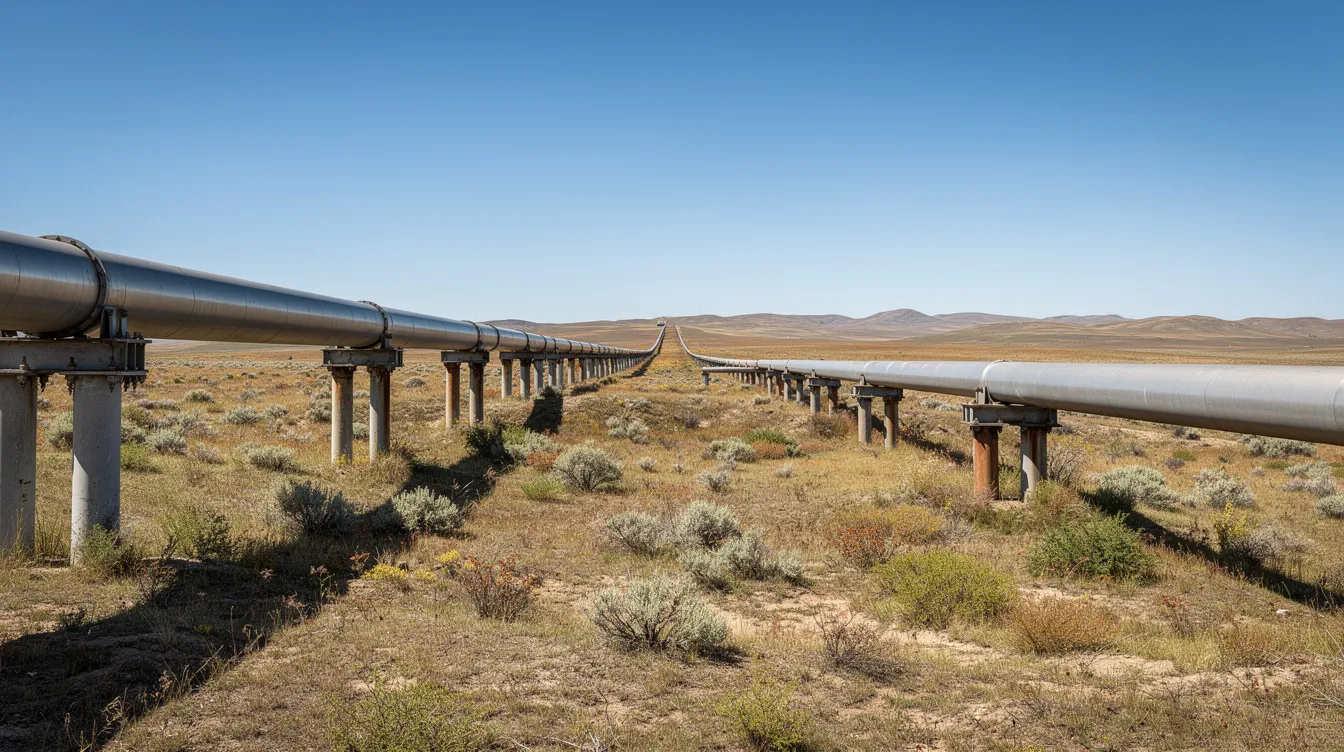
- Pipelines, gathering and processing systems – Core midstream assets.
- Generating facilities – Wind turbines, solar arrays, gas-fired plants, geothermal installations.
- Battery energy storage systems – Increasingly common in renewable and hybrid projects.
- Accounts receivable and deposit accounts – Operating cash flows swept into controlled accounts.
- Hedging and derivative collateral – Swap and option positions that protect revenue.
- Equity interests in project companies – Membership interests in an LLC or other SPV.
- Contract rights – Power purchase agreements, interconnection agreements, offtake contracts, transportation and gathering agreements, and O&M contracts.
Lenders often seek first-priority liens on substantially all assets of an energy borrower and its subsidiaries, including intercompany receivables and intellectual property related to proprietary technology or processes. In renewables and midstream, contract rights can be the most valuable collateral: a long-term power purchase agreement with a creditworthy utility or a take-or-pay transportation agreement may be worth more than the physical assets alone.
INK™ Law works with clients and local counsel in Colorado, Texas, Wyoming, Oklahoma, North Dakota, Arizona, Utah, and other states to tailor collateral descriptions and security documents to state-specific property and recording rules.
Perfection and Priority: Mortgages, Deeds of Trust, and UCC Filings
A security interest is as valuable as the underlying legal right it secures in energy projects. If the interest is not properly “perfected”-meaning recorded and filed in the right places, with the right names and descriptions-it may be worthless in a bankruptcy or contested foreclosure.
Energy deals use several perfection mechanisms:
- Oil and gas mortgages or deeds of trust recorded in county real property offices where leases and mineral interests are located. In Texas and other producing states, each county requires separate recordings with precise legal descriptions of the burdened properties.
- UCC-1 financing statements filed in the appropriate state filing office to perfect liens on personal property: equipment, accounts, contract rights, and as-extracted collateral.
- Fixture filings recorded in county real property records to establish lien priority over wellhead equipment, surface facilities, or other personal property that has become affixed to real property.
- Collateral assignments of contracts and deposit account control agreements to capture cash flows.
A lawyer should understand secured transactions under UCC Article 9 to navigate the interplay between real property recordings and personal property filings. Errors in debtor naming, collateral descriptions, or jurisdiction selection can leave critical assets unencumbered or subordinate to later creditors. In a bankruptcy scenario, these gaps can mean the difference between full recovery and total loss.
For operators with multi-basin portfolios spanning several states, coordinating recordings across multiple counties and filing offices is especially challenging. INK™ Law builds comprehensive filing and recording checklists, tracks post-closing recordation, and coordinates with title, land, and local counsel to protect clients’ secured positions.
Reserve-Based Lending (RBL) and Borrowing Base Mechanics
Reserve based lending remains the primary financing tool for upstream oil and gas companies. The borrowing base is calculated from the discounted present value of proved reserves-primarily proved developed producing reserves-using standardized engineering and price assumptions.
Here is a simplified example: An operator with a PDP reserve base valued at $100 million (PV10) might receive a 60% advance rate, yielding a $60 million borrowing base. If commodity prices drop and PV10 falls to $90 million, the borrowing base shrinks to roughly $54 million. If outstanding borrowings exceed the new base, the borrower must repay the deficiency or pledge additional collateral.
Typical RBL covenant packages include:
- Leverage ratios (total debt to EBITDA)
- Interest coverage minimums
- Hedging requirements covering a specified percentage of production
- Limitations on new liens and additional indebtedness
- Restrictions on asset sales, dividends, and distributions
- Environmental and regulatory compliance warranties
Operators in basins from the Permian Basin to the Williston and DJ Basins in North Dakota and Colorado need covenants and cure rights that reflect operational realities-seasonal production swings, drilling program timing, and acquisition opportunities. INK™ Law reviews reserve reports, borrowing base provisions, and covenant packages with clients to model how different price decks, drilling programs, or acquisitions will affect future availability and compliance.
Structuring Secured Lending for Midstream and Energy Infrastructure
Midstream assets-gathering systems, pipelines, processing plants, and storage facilities-differ from upstream reserves in their collateral profile, cash-flow stability, and regulatory overlay. A gas company with 10-year take-or-pay transportation contracts generates more predictable revenue than an exploration and production operator exposed to commodity price swings and decline curves.
Project financing often involves complex capital structures including multiple types of debt. Midstream infrastructure loans frequently layer senior secured bank debt, mezzanine tranches, and sometimes private placement notes. Each layer requires a detailed intercreditor agreement governing priority, enforcement rights, payment waterfalls, and cure periods.
Collateral for midstream deals spans real property rights (easements, rights-of-way, fee parcels), equipment (compressors, processing units, metering stations), and contract rights (transportation agreements, joint operating agreements, minimum volume commitments). Coordinating perfection across these asset types and across multiple counties and states is essential.
INK™ Law frequently aligns midstream financing structures with broader strategic moves-such as M&A, dropdowns into joint ventures, or sale-leaseback transactions-to maximize long-term value for operators and investors. The firm also advises on downstream oil and refined products facilities where secured lending intersects with regulatory and environmental permitting.
Secured Lending for Renewable Energy, Battery Storage, and Emerging Technologies
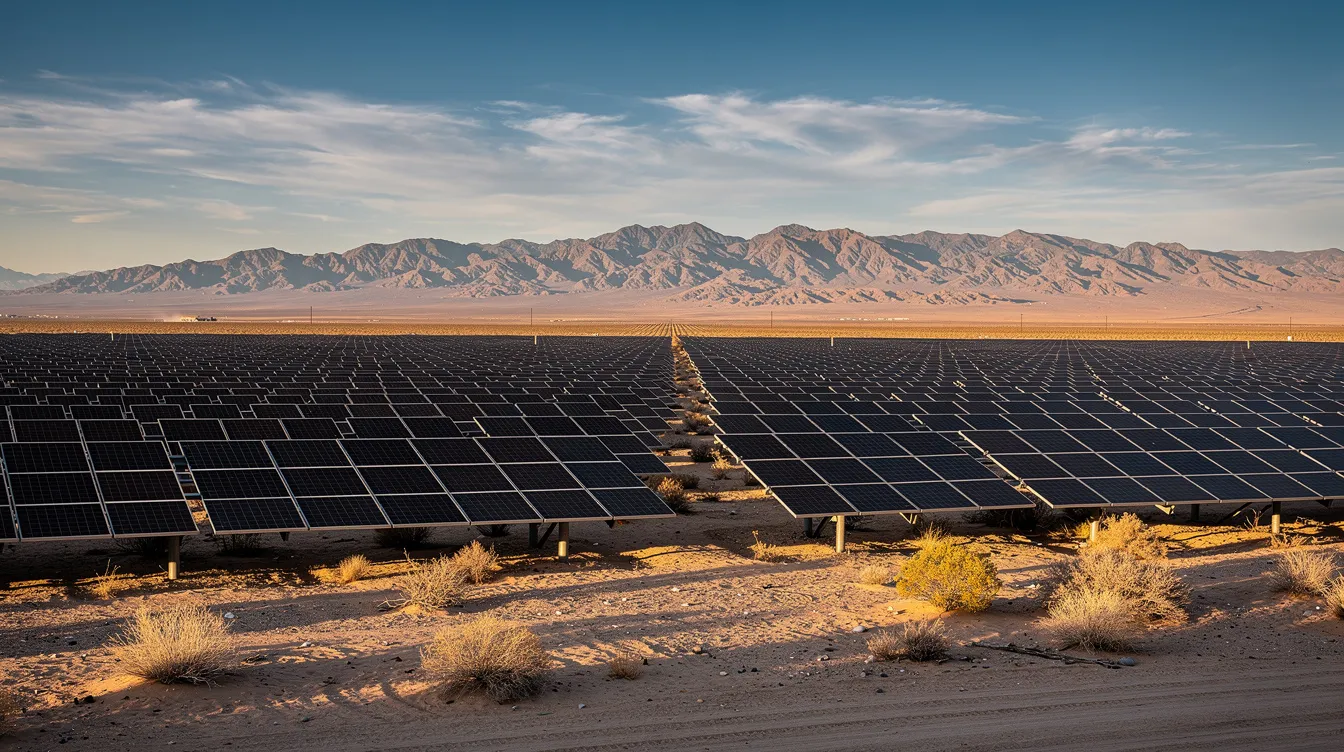
Secured lending is now central to financing utility-scale and distributed generation projects. Solar, wind, battery energy storage, geothermal, and hybrid projects that combine natural gas peaking capacity with alternative energy generation all require tailored credit structures that reflect their unique risk profiles.
Common secured products in renewables include:
- Construction financing – Funds the build-out phase, converting to a term loan at commercial operations.
- Back-leveraged term loans – Debt placed at the holding company level after tax equity is deployed at the project level.
- Working capital lines – Support operations, labor costs, equipment procurement, and interconnection deposits.
- Credit support facilities – Backstop performance guarantees and letters of credit required by utilities and offtakers.
Unique collateral and risk issues in renewables include site control (leases and easements), equipment supply agreements, interconnection and transmission rights, power purchase agreements, renewable energy credits, and performance guarantees. Lenders scrutinize counterparty credit quality, PPA tenors, curtailment risk, and regulatory change risk. In the world of electricity markets, merchant exposure-selling power without a long-term contracted off-take-has made many lenders cautious about uncontracted revenue streams.
INK™ Law helps sponsors and financiers structure and document secured lending arrangements for renewable energy and battery storage projects across the western and mid-continent U.S., often in tandem with tax equity, joint ventures, or energy M&A transactions.
Negotiating Credit Agreements, Security Documents, and Intercreditor Arrangements
The credit agreement and related security documents form the core of any secured lending transaction. Energy transactions often require managing relationships among multiple creditors, particularly in layered capital structures where senior lenders, mezzanine providers, and noteholders each have distinct rights and remedies.
Key components that demand careful negotiation include:
- Conditions precedent to closing and funding (title opinions, reserve reports, environmental assessments, regulatory approvals)
- Representations and warranties covering environmental compliance, title, regulatory status, and material contracts
- Financial covenants (leverage, coverage, liquidity)
- Negative covenants (restrictions on liens, indebtedness, asset sales, dividends)
- Events of default and remedies (acceleration, foreclosure, cash-flow sweeps)
Major security documents include security agreements, mortgages and deeds of trust, collateral assignments of contracts, deposit account control agreements, equity pledge agreements, and intellectual property security agreements. Intercreditor agreements and subordination arrangements govern how competing creditors share collateral, exercise remedies, and vote in workouts or restructurings. Litigation related to contracts is a major concern in energy lending, and well-drafted documentation substantially reduces that risk.
The legal role includes anticipating default scenarios and safeguarding lender interests while preserving borrower flexibility. INK™ Law recommends that borrowers and lenders engage experienced energy finance counsel early in the term sheet phase to avoid locking in unfavorable covenants or collateral terms. Call (720) 307-2627 for a focused credit document review.
Due Diligence: Title, Regulatory, Environmental, and Contract Reviews
Secured energy lending requires thorough due diligence to validate collateral, identify regulatory and environmental constraints, and confirm the bankability of key contracts. Due diligence involves verifying asset ownership, title legitimacy, and compliance with regulations before a single dollar is funded.
Title diligence includes confirming ownership of leases and mineral interests, verifying working interests and net revenue interests, reviewing title opinions, and resolving curative issues. In states like Oklahoma, Texas, and Pennsylvania, mineral ownership histories can be fragmented and burdened by old royalty interests, prior liens, or severed mineral estates.
Regulatory diligence covers state oil and gas commission requirements, federal and state pipeline and utility regulation, permits and licenses, environmental authorizations, and water rights in western states. Energy companies face unprecedented layers of compliance complexity, and energy finance lawyers ensure compliance with environmental and energy-related laws at every stage.
Contract diligence evaluates joint operating agreements, farmout and participation agreements, transportation and gathering contracts, power purchase agreements, and long-term supply or offtake agreements that support project revenues. These contracts are the revenue engine of the project, and their bankability directly affects the credit terms a borrower can achieve.
Collaboration with specialists in environmental, real estate, and tax law is key in energy transactions. INK™ Law coordinates with engineers, landmen, environmental consultants, and local counsel to build a holistic diligence picture and provides practical risk allocation solutions within the secured lending documentation.
Coordinating Secured Lending with M&A, Joint Ventures, and Capital Markets
Secured lending rarely exists in a vacuum. Energy companies routinely combine credit facilities with acquisitions, divestitures, joint ventures, and equity or securities offerings. An acquisition financing must align with the purchase and sale agreement, including working-capital adjustments, indemnity structures, and post-closing collateral filings for newly acquired assets.
Covenants in a revolving credit facility or term loan can restrict or facilitate future borrowings, asset sales, and new investments. Negative pledge provisions can block a company from incurring additional secured debt, which directly affects future private equity investments, high-yield debt issuances, or trading of portfolio assets. Joint ventures and farmout arrangements add another layer, as they often require consent or notice under the credit agreement before partners can assign interests or commit capital.
For growing energy platforms-whether upstream consolidators in the Permian Basin, midstream aggregators, or renewable developers scaling from New York to Texas-the interplay between existing credit covenants and future capital markets activity must be mapped carefully. INK™ Law’s integrated corporate, mergers and acquisitions, securities, and energy practice allows the firm to design secured lending solutions that support, rather than hinder, long-term strategic transactions and exit options.
INK™ Law’s Role as Strategic Energy Secured Lending Counsel
INK™ Law brings extensive experience with complex corporate finance structures, asset-based loans, and project financings across multiple sectors. The firm regularly represents upstream E&P companies, midstream operators, pipeline and infrastructure developers, natural gas marketers, renewable energy sponsors, and energy-focused investors in secured lending matters.
The firm’s team combines energy law knowledge with corporate governance, contract negotiation, securities regulation, and commercial litigation experience to anticipate lender concerns, negotiate balanced solutions, and preserve clients’ downside protection. Legal partners help navigate federal, state, and local regulations that touch every aspect of energy collateral and compliance. INK™ Law offers a full range of services-from advising on initial deal structuring to supporting post-closing compliance and eventual refinancing or exit.
INK™ Law’s geographic reach spans from Denver to Houston, Phoenix, Salt Lake City, Los Angeles, and across Colorado, Texas, Wyoming, Utah, Arizona, North Dakota, and Oklahoma. The firm frequently coordinates with local counsel wherever projects are located, maintaining overall structuring and transaction leadership.
Schedule a Quick Fit Assessment or strategy consultation by calling (720) 307-2627 or submitting a matter description through the firm’s online contact form.
Our Process: From Term Sheet to Closing and Ongoing Compliance
INK™ Law’s secured lending work follows the firm’s three-step INK Plan™ process:
- Quick Fit Assessment – A brief introductory conversation to determine whether the firm is the right fit for the matter.
- Strategy Consultation – An in-depth session that scopes the transaction, identifies negotiation pressure points, and produces a tailored action plan.
- Legal Execution – Full-cycle transaction management from documentation through closing and beyond.
Attorneys manage the transaction from term sheet through closing in energy secured lending. INK™ Law reviews and negotiates term sheets and commitment letters to align key economic and covenant terms with client strategy before parties become heavily invested in documentation. During the documentation phase, the firm drafts and negotiates credit and security documents, coordinates due diligence, manages checklists, and works closely with lenders, engineers, title agents, and other advisors to hit target closing dates.
Post-closing support includes amendments and waivers, collateral updates for new wells, leases, or projects, compliance with reporting obligations, and support for future refinancings or capital restructurings.
If you are early in the financing process-or facing a redetermination, covenant stress, or a maturity wall-contact INK™ Law at (720) 307-2627 to map out a practical action plan.
Why Energy Companies and Lenders Choose INK™ Law
INK™ Law is a business-focused, deal-oriented law firm that brings real-world finance and energy experience to secured lending transactions.
Key differentiators include:
- Deep familiarity with upstream, midstream, and renewable project contracts
- Cross-practice integration spanning corporate, M&A, securities, intellectual property, real estate, and litigation
- Nimble teams that move at deal speed
- Transparent pricing structures
- Emphasis on long-term client relationships rather than one-off transactions
The firm has experience advising on transactions involving major banks, private credit funds, and infrastructure investors. INK™ Law’s attorneys and professionals speak the technical language of engineers, bankers, and project managers, which allows faster identification and resolution of issues that affect bankability and collateral value.
Call INK™ Law at (720) 307-2627 or send a secure online message to explore a potential engagement.
How to Get Started with INK™ Law on an Energy Secured Lending Matter
Getting started is straightforward. Collect the basic deal information-borrower, lender group, facility size, collateral types, and jurisdiction-and share any existing term sheets or draft documents. INK™ Law quickly scopes the work, identifies likely negotiation pressure points (covenants, collateral, events of default, intercreditor issues), and proposes an approach that fits the client’s risk tolerance and budget.
The firm can step in at any stage of a transaction: early structuring, mid-negotiation, or post-closing for amendments, waivers, or refinancing reviews.
Contact INK™ Law at (720) 307-2627 or through the online contact form to discuss your specific secured lending needs.
Frequently Asked Questions: Energy Secured Lending and INK™ Law
What kinds of energy secured lending transactions does INK™ Law typically handle?
The firm regularly advises on reserve based lending facilities, asset-based lending backed by equipment and inventory, midstream and pipeline financings, renewable and battery energy storage project loans, construction and mini-perm facilities, and acquisition or bridge financings for energy M&A transactions. INK™ Law represents borrowers, sponsors, investors, and in select engagements lenders, across the upstream oil and gas, midstream, natural gas, power, and renewable energy sectors.
Do I need a specialized energy finance lawyer if my lender is using “standard” loan documents?
“Standard” forms from banks or funds are typically drafted to be lender-friendly and may not fully account for the specific risks, development timelines, regulatory issues, and commodity price exposure of a particular energy project or portfolio. An energy-focused secured lending lawyer can negotiate tailored covenants, collateral exceptions, and cure periods that align with field operations, gas exploration and development milestones, and counterparties’ obligations.
Can INK™ Law work with my existing in-house counsel or outside general corporate counsel?
Yes. The firm frequently partners with in-house legal teams and other outside counsel, focusing on the energy, project finance, and secured lending components while coordinating on corporate governance, tax, and regulatory issues. INK™ Law is comfortable taking the lead on transaction documentation or acting as a specialist consultant on specific aspects such as collateral structuring, intercreditor arrangements, or energy contract bankability.
In which states does INK™ Law handle secured lending for energy companies?
INK™ Law is headquartered in Denver, Colorado, and routinely represents clients with assets and projects in Colorado, Texas, Wyoming, Utah, Arizona, North Dakota, Oklahoma, and other key oil and gas exploration and production states. The firm collaborates with trusted local counsel as needed for state-specific property, regulatory, and recording issues while maintaining overall structuring and transaction leadership.
How early should we involve INK™ Law in a new energy financing or refinancing?
The best outcomes typically occur when INK™ Law is involved at the term sheet or pre-term sheet stage, when key economic and structural terms can still be negotiated without re-opening “final” documents. The firm can also add value later in the process-reviewing draft documents for red flags, assisting with diligence, or supporting negotiations of amendments, waivers, and forbearance agreements if market or operational conditions change.