
Energy Supply Agreement Lawyer: Allocating Price, Volume, Performance, and Commercial Risk in Offtake Agreements
Energy supply and offtake agreements are the contracts that determine whether a project generates predictable revenue or becomes a liability. For operators, developers, investors, and offtakers across the energy sector, getting the risk allocation right on price, volume, and performance is not optional-it is the foundation of every financeable deal.
Key Takeaways
- Energy supply and offtake agreements-including power purchase agreements and natural gas supply contracts-are the core revenue and cost drivers for modern energy projects. Pricing structures in energy agreements can be fixed, indexed, or hybrid, and precise risk allocation across price, volume, and performance is what makes these contracts bankable. A single poorly negotiated clause can lead to millions in losses over the life of a multi-year agreement.
- INK™ Law structures and negotiates complex energy supply and offtake agreements for oil, natural gas, LNG, midstream, and renewable energy projects across Colorado, Texas, Wyoming, North Dakota, Oklahoma, Utah, Arizona, and beyond. The firm’s multidisciplinary team integrates energy regulatory compliance, project finance, corporate law, and commercial litigation experience to protect clients in both day-to-day operations and high-stakes disputes.
- Lead energy attorney Patrick Ivy’s background in upstream and midstream energy law, project due diligence, and large-scale financings is directly leveraged in drafting bankable energy supply agreements tailored to sophisticated operators, investors, and developers. His wide ranging experience with land title opinions, multimillion-dollar leases, easements, and asset transfers informs every deal the firm handles.
- If you are negotiating or renewing any long-term power purchase, gas supply, or offtake agreement, call INK™ Law at (720) 307-2627 or message the firm online for a consultation.
1. What Is an Energy Supply and Offtake Agreement-and Why It Matters
An energy supply agreement binds a supplier to deliver commodities-electricity, natural gas, liquefied natural gas, crude oil, NGLs, or environmental attributes like RECs and carbon credits-under defined terms for price, quantity, quality, and delivery. An offtake agreement works from the buyer’s side: it commits a purchaser to take output from a project once production begins, whether that output is megawatt-hours from a solar farm or processed gas from a midstream facility. Energy transactions often necessitate careful drafting of terms for pricing and delivery, and these contracts are the mechanism through which that drafting takes concrete form.
Energy supply agreements involve significant financial and operational risks precisely because they typically span many years and need a structure accommodating future uncertainties. A 20-year power purchase agreement for a utility-scale wind project, a 10-year gas gathering and processing contract in the DJ Basin, or a 15-year LNG offtake for a Gulf Coast liquefaction terminal-each requires that commercial risk be identified, quantified, and allocated to the party best positioned to manage it. Energy projects include solar, wind, and natural gas technologies, and each carries a distinct risk profile that must be reflected in contract design.
Lenders, tax-equity investors, and infrastructure funds will not finance major energy projects without bankable long-term supply and offtake arrangements. These contracts transform volatile commodity markets into predictable cash flows that support debt service and equity returns. INK™ Law acts as an energy supply agreement lawyer for E&P companies, midstream operators, independent power producers, renewable developers, and large energy consumers, ensuring agreements are tightly aligned with commercial strategy and financing requirements. If you are entering into or renegotiating any supply or offtake contract for 2026 or beyond, call (720) 307-2627 to discuss your position.

2. Core Risk Buckets: Price, Volume, and Performance
Nearly every material clause in an energy supply or offtake agreement ultimately touches one of three risk categories: price, volume, or performance. Negotiating energy contracts often involves managing complex financial, regulatory, and operational risks across all three simultaneously, and risk allocation is crucial due to volatility in energy markets.
Price risk centers on what the buyer pays and the seller receives per unit of commodity. Common structures in 2024–2026 deals include fixed pricing (nominal or stepped), indexed pricing tied to benchmarks like Henry Hub for natural gas or ERCOT nodal prices for electricity, and hybrid structures incorporating floors, caps, collars, and sharing mechanisms. Escalators linked to CPI or producer price indices protect against inflation erosion over long contract terms. Each structure trades off predictability against exposure to favorable market movements.
Volume risk addresses how much commodity must be delivered or taken, and when. Take-or-pay obligations require a buyer to pay for a minimum volume whether or not delivery is accepted. Ship-or-pay serves a similar function for pipeline and transportation capacity. Must-take clauses force the offtaker to accept all delivered output; as-available structures shift the risk of production variability toward the buyer. Shortfall and make-up mechanisms, swing rights, and nomination flexibility add layers of optionality that must be carefully bounded to satisfy both parties and their lenders.
Performance risk governs whether the asset actually delivers what the contract promises. Availability guarantees, heat-rate or efficiency standards, degradation curves for battery storage systems, and reliability metrics for gas-fired generation all define the performance baseline. Liquidated damages for underperformance give the offtaker financial recourse, while realistic performance thresholds keep the supplier from bearing risks outside its control. INK™ Law’s role is to translate commercial intent into enforceable contract language that lenders and credit committees understand and accept, avoiding vague standards that later fuel costly disputes.
3. Power Purchase Agreements (PPAs) and Power Supply Contracts
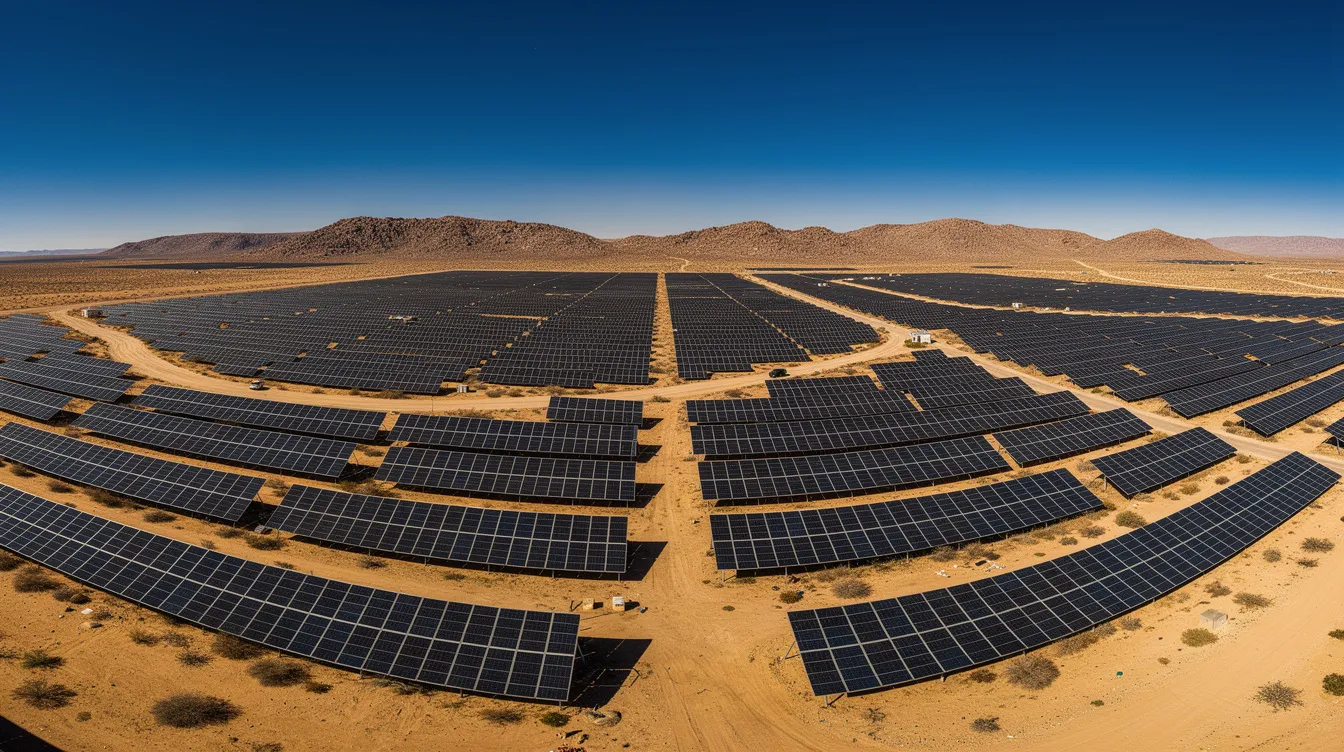
Power purchase agreements and long-term power supply contracts are specialized energy supply agreements used for utility-scale renewable energy projects and conventional generation such as gas-fired plants and cogeneration facilities. PPAs dictate pricing and supply conditions, establishing long-term commitments between energy producers and buyers that underpin project development and financing.
Key PPA design elements include contract tenor (often 10–25 years for renewables), point of delivery, and the distinction between baseload, unit-contingent, and as-available deliveries. Curtailment regimes-mandatory versus voluntary, compensation via deemed energy concepts, and curtailment caps-have become heavily negotiated provisions as grid congestion intensifies. Projected 2027 solar PPA prices vary dramatically by region: approximately $39/MWh in ERCOT West versus $75/MWh at PJM Western Hub, reflecting how locational constraints and capacity factor assumptions drive pricing.
A well-negotiated PPA stabilizes cash flow for energy companies, while weakly structured PPAs can lead to financial instability and disputes. PPAs are essential for balancing profitability with compliance, particularly as sustainability provisions in agreements often include renewable energy certificates, capacity credits, and carbon attributes. Change-in-law protections, grid and interconnection delay remedies, and environmental attribute allocation are critical for purchase agreements signed through 2030.
INK™ Law helps sponsors align PPAs with related documents-EPC contracts, O&M agreements, interconnection agreements, and site control and land use documents-to avoid mismatched risk allocation that undermines project financeability. Data center energy supply deals, increasingly structured with firm delivery obligations and variable pricing components tied to gas indices, represent a growing segment where the firm advises clients on complex hybrid structures.
4. Natural Gas, LNG, and Hydrocarbon Supply Agreements
Natural gas and LNG supply contracts incorporate pricing formulas, quality specifications, and nomination and logistics provisions that differ materially from power purchase agreements. Natural gas sales agreements, gas gathering and processing contracts, and liquefied natural gas offtake arrangements must address commodity indices such as Henry Hub and Waha, basis differentials, BTU and quality adjustments, and fuel use or “shrink” at midstream facilities.
Take-or-pay and ship-or-pay structures are frequently used for long-term gas transportation and processing, especially in basins like the Permian, DJ, Bakken, and Williston. These volume commitments directly impact upstream development planning and reserve-based lending. LNG SPA durations have been trending downward-from the traditional 20–25 years toward 10–15 years-as buyers demand more flexibility, though take-or-pay remains foundational for financing. Tolling arrangements, common in US Gulf Coast natural gas liquefaction projects, separate commodity-price risk (borne by the customer) from fixed processing fees (earned by the plant owner), improving bankability for lenders.
INK™ Law’s energy attorneys, including founding partner Patrick Ivy, have hands-on extensive experience with upstream and midstream contracts, land title opinions, and asset transfers. This allows the firm to identify issues around dedication areas, acreage commitments, and preferential rights that less specialized firms routinely miss. Patrick Ivy’s licensing in Texas, Colorado, North Dakota, and Wyoming and his background with multimillion-dollar transactions inform every gas and liquids supply agreement the firm drafts.
If you are a producer, midstream operator, or LNG counterparty, call (720) 307-2627 to review existing gas or liquids supply agreements before entering into new drilling or infrastructure commitments.
5. Distributed Energy Resources and Behind-the-Meter Supply Arrangements
Distributed energy resources-rooftop solar, battery energy storage, microgrids, and behind-the-meter generation-present contracting challenges that differ from utility-scale PPAs and classic utility tariffs. Distributed energy resources include renewable energy and energy storage, but the category also encompasses demand response and energy efficiency technologies that interact with grid operations and retail customers in complex ways.
Commercial and industrial customers entering into on-site solar or battery agreements must pay close attention to lease versus service versus power purchase structures, performance guarantees, demand charge reductions, and tariff interaction risk. Microgrids enhance resilience for businesses and communities and can be structured to operate islanded during outages, but the underlying supply and offtake terms must address charging sources, state-of-charge obligations, and cycling performance.
DER can participate in wholesale electricity markets for revenue through regional transmission organizations, capacity markets, and ancillary service programs. However, regulatory challenges hinder the growth of DER and microgrid projects, requiring careful navigation of state and local rules, utility interconnection standards, and net metering frameworks. Offtake and supply terms for DERs may incorporate complex pricing tied to time-of-use rates, demand response programs, or capacity payments, making clear metering and settlement mechanics essential.
INK™ Law integrates energy supply agreements with broader corporate and commercial arrangements-such as digital infrastructure energy supply deals or campus-wide microgrid projects-leveraging the firm’s corporate and real estate practices to ensure that DER transactions align with land use rules, easements, and building-level restrictions.
6. Key Commercial Terms: Pricing, Indexation, and Credit Support
Pricing and credit terms are often the most heavily negotiated portions of energy supply agreements and directly determine bankability and counterparty risk. Legal counsel protects clients from compliance and pricing risks in energy contracts, and the difference between a well-structured and poorly structured pricing provision can define a project’s financial trajectory for decades.
Fixed pricing offers revenue certainty but sacrifices market upside. Indexed pricing-tied to regional hubs in ERCOT, SPP, or WECC for power, or Henry Hub and regional basis points for natural gas-exposes both parties to market movement but can be bounded with escalators, caps, collars, and re-opener clauses. Hybrid structures combining a fixed base price with market participation mechanisms are increasingly common in corporate renewable PPAs, balancing buyer demand for predictability against developer need for upside.
Credit support structures-parent guarantees, letters of credit, performance bonds, margining and collateral thresholds, and creditworthiness tests tied to ratings or financial covenants-protect each party against counterparty default. Misaligned credit and pricing provisions can trigger early termination or costly renegotiations, especially during price spikes or counterparty distress. INK™ Law negotiates protections such as downgrade triggers and early-termination payment formulas that reflect the firm’s experience advising on financings in the $5–$100+ million range. Energy contracts must mitigate financial risk and legal exposure, and getting these provisions right at the front end is far less expensive than litigating them later.
7. Volume Commitments, Curtailment, and Flexibility Mechanics
Volume risk-how much commodity must be delivered or taken, and when-is a primary driver of both operational planning and financial modeling for energy projects. Financial institutions and lenders model minimum annual quantities, daily contract quantities, maximum daily quantities, and flexibility or swing rights when sizing debt against projected cash flows.
The difference between voluntary and mandatory curtailment in PPAs and gas supply agreements determines who absorbs the cost when deliveries are reduced. Mandatory curtailment imposed by grid operators or regulatory authorities is typically treated differently from voluntary reductions, with compensation handled through deemed energy concepts, curtailment caps, or deficiency payments. Regulatory-driven curtailment-whether triggered by grid reliability orders or environmental constraints-requires particularly clear drafting to avoid ambiguity over payment obligations.
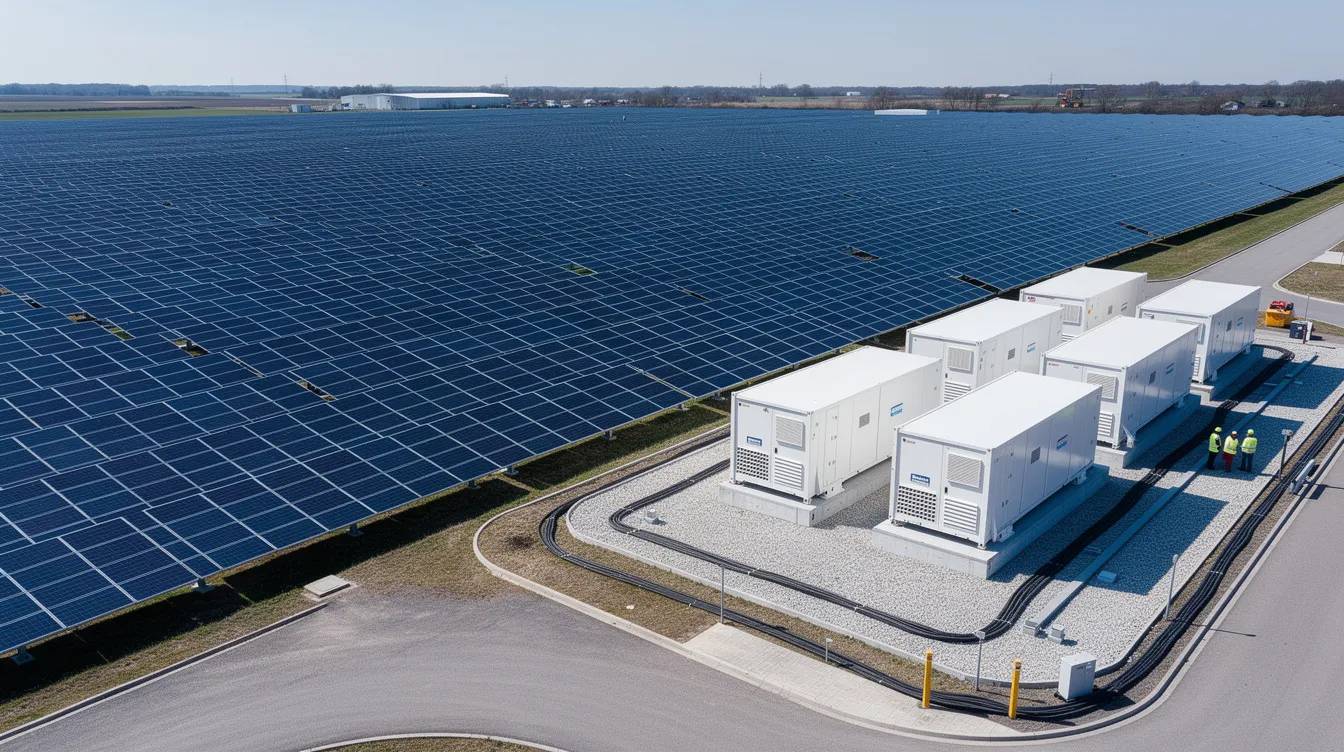
Storage-both gas storage and battery energy storage-can be integrated into volume provisions to smooth deliveries and manage nomination risk across seasons and peak demand periods. For battery-backed systems, capacity payments, energy payments, charging source limits, and round-trip efficiency guarantees must be layered onto baseline volume mechanics.
INK™ Law negotiates volume structures that are realistic given physical system constraints while still satisfying lender requirements and project-level cash-flow tests. Make-up rights, while offering buyer flexibility, must be bounded by expiration dates, scheduling constraints, and caps to preserve revenue predictability for the seller and its financiers.
8. Performance Standards, Force Majeure, and Change-in-Law Risk
Performance standards and risk-shifting provisions-force majeure and change-in-law clauses-often determine who bears the cost of unexpected events over 10- to 25-year contract lives. Legal risks in energy contracts can lead to costly disputes and operational delays when these provisions are drafted with insufficient precision.
Performance metrics vary by asset type: availability guarantees for generation units, efficiency standards for combined-cycle plants, round-trip efficiency and degradation curves for battery energy storage, and quality specs for natural gas and liquids. Each metric must be calibrated against manufacturer warranties, industry benchmarks, and the specific operating conditions of the project site.
Force majeure events and change-in-law clauses are vital in risk management for energy agreements. Modern force majeure clauses-particularly those negotiated after 2020-address pandemics, supply-chain disruptions, extreme weather events, and cyberattacks. Seasoned practitioners and sophisticated lenders now expect detailed notice requirements, affirmative mitigation obligations, and defined duration limits before termination rights vest. Energy companies must align contracts with evolving legal frameworks, and poorly structured agreements can lead to costly disputes and fines when these provisions are tested.
Change-in-law and regulatory risk allocation includes treatment of new emissions standards, carbon pricing regimes, or market rule changes in RTOs and ISOs. Pass-through mechanics or price re-openers allow parties to adjust economics without terminating agreements, but these clauses must be drafted with enough specificity to be enforceable. Energy companies face major regulatory risks in their contracts, and INK™ Law’s combination of energy regulatory insight and commercial litigation experience allows the firm to draft provisions that are both precise and enforceable.
9. Land Use, Site Control, and Real Estate Interfaces
Energy supply and offtake agreements rarely stand alone. They are tightly connected to real estate, land use, and site control arrangements that determine whether a project can be built and operate as promised. Offtake parties and lenders routinely require alignment between PPAs or supply agreements and underlying leases, easements, rights-of-way, and surface use agreements.
Land use and permitting considerations-zoning approvals, conditional use permits, environmental reviews, and local opposition-can trigger termination rights or force majeure under supply and offtake contracts if delays or denials prevent construction or commercial operation. Consider a 100-MW wind project in eastern Colorado where a county conditional use permit is challenged by neighboring landowners: if the supply agreement’s conditions precedent do not clearly address permitting delays, the developer faces both construction risk and offtake termination exposure simultaneously.
INK™ Law coordinates its energy real estate, oil and gas, and corporate teams to structure site control and land use packages that are acceptable to both offtakers and project financiers. For a 2027 battery-backed solar facility in Arizona, for example, misaligned land use rights-such as an easement that expires before the PPA term-can derail an otherwise viable offtake agreement and strand significant capital.

10. Regulatory Compliance Across Power, Gas, and Emerging Technologies
Regulatory compliance is not a separate afterthought but a core design element of every serious energy supply and offtake agreement. The energy sector operates in a highly regulated environment, and energy project financing requires compliance with regulatory frameworks at the federal, state, and local levels. Attorneys must understand federal, state, and local energy regulations to advise clients effectively on contracting strategy.
Regulatory bodies like the Federal Energy Regulatory Commission oversee energy market rules for interstate gas pipelines, wholesale electricity sales, and transmission. FERC approved the first regional transmission organization in 2001, establishing a framework that continues to shape how electricity is scheduled, dispatched, and settled across organized markets. State utility commissions, environmental agencies, and local permitting authorities add additional layers.
Energy agreements must align with regulatory changes and utility commission rules. Specific themes relevant through 2026 and beyond include greenhouse-gas emissions rules, carbon capture and sequestration incentives under Section 45Q, evolving interconnection and transmission planning policies, and environmental matters related to methane emissions. Non-compliance can result in severe penalties for energy companies, and regulatory compliance helps avoid costly fines and legal disputes. Regulatory compliance is crucial to avoid severe penalties in energy contracts, particularly for companies operating across multiple jurisdictions.
INK™ Law advises on regulatory compliance and policy developments through its Strategic Energy Law practice, shaping careful drafting of compliance, change-in-law, and governmental authority clauses. Utilities, power marketers, and energy funds should engage counsel early-call (720) 307-2627 or message INK™ Law online before locking in large, multi-year supply or power purchase agreements.
11. Project Finance, M&A, and Investment Considerations
Energy supply and offtake agreements are central to project finance, energy M&A, and private equity investment decisions because they define the revenue and cost profile that underpins valuations and debt sizing. Well-structured agreements can improve investor confidence in projects, while gaps in pricing, termination, or credit support provisions erode value.
Lenders and private equity firms diligence long-term purchase agreements by reviewing pricing formulas, termination rights, credit support, volume commitments, and alignment with technical and permitting documents-often modeling cash flows through 2035–2045. In a project finance deal, the offtake contract is frequently the single most important document in the financing package. Utility-scale energy storage deployment illustrates the pace of development: approximately 12 GW was added in 2024, with 93 GW expected over the next five years, each project requiring precisely drafted energy storage services agreements.
In acquisitions or divestitures of energy assets-such as buying a portfolio of gas-fired plants in Texas or selling distributed solar projects in Colorado-buyers routinely re-underwrite existing supply and offtake contracts to price risk and negotiate purchase price adjustments. INK™ Law’s combined capabilities in energy M&A, energy finance, energy due diligence, and securities and finance allow the firm to help clients identify hidden liabilities or upside in contract portfolios. The firm serves as an integrated transaction partner for funds, family offices, and strategic buyers seeking to grow or rationalize their energy holdings across oil, gas, renewables, and midstream infrastructure.
12. Who INK™ Law Represents in Energy Supply and Offtake Matters
INK™ Law represents a broad spectrum of energy market participants on both the supply and offtake sides, allowing the firm to anticipate counterparties’ tactics and market norms. Energy supply agreements require regulatory, transactional, and industry-specific expertise, and the firm’s client base reflects the full spectrum of industry participants who depend on these contracts.
The firm represents upstream oil and gas companies negotiating gas sales and gathering agreements, midstream pipeline and gathering operators structuring take-or-pay and ship-or-pay commitments, and companies involved in liquefied natural gas offtake and natural gas liquefaction projects. On the power side, INK™ Law advises clients who are independent power producers, renewable energy developers building solar and wind generation assets, and energy consumers including electric cooperatives and large industrial facilities. The firm also represents energy private equity firms conducting due diligence on contract portfolios and data centers requiring firm capacity and energy supply for digital infrastructure.
The firm’s geographic footprint includes Colorado, Texas, Wyoming, North Dakota, Oklahoma, Utah, Arizona, and neighboring markets. Patrick Ivy’s licensing in Texas, Colorado, North Dakota, and Wyoming-combined with his background in multimillion-dollar leases, easements, and asset transfers-means the firm can work closely with clients across the DJ, Permian, Bakken, and Powder River basins, as well as grid regions such as ERCOT and the Western Interconnection.
Prospective clients in these categories should contact INK™ Law at (720) 307-2627 to discuss representation in current negotiations, upcoming RFPs, or strategic contract portfolio reviews.
13. How INK™ Law Approaches Negotiation, Drafting, and Dispute Avoidance
INK™ Law’s philosophy combines rigorous contract drafting with a commercial mindset, so that agreements not only hold up in court but also align with real-world operations, project finance constraints, and corporate strategy. Complex energy contracts require input from various professionals including lawyers and engineers, and the firm’s approach is to serve as lead counsel who coordinates that input into a coherent contractual framework. Lawyers help translate commercial agreements into enforceable legal terms-this is the firm’s core commitment to every engagement.
The firm’s typical workflow for energy supply and offtake engagements follows a defined path: early-stage strategy calls to understand the transaction and commercial objectives, term-sheet review and redlining, alignment with related project contracts, detailed drafting of key risk allocations across price, volume, performance, force majeure, and change-in-law, and finalization to support financing or board approvals. Attorneys must negotiate default and termination provisions to safeguard client interests, and the firm’s dispute resolution and commercial litigation experience informs how it structures limitations of liability, indemnities, and termination mechanics to minimize the likelihood and cost of future disputes.
INK™ Law can also step into ongoing negotiations or distressed situations-such as counterparties threatening termination, invoking force majeure, or seeking price re-openers-to reset negotiation strategy and protect client positions. The firm’s advising approach and commitment to practical solutions means clients get guidance that is both legally precise and commercially realistic.
If you are facing an urgent contract issue or high-stakes negotiation, reach out via the firm’s online contact form or call (720) 307-2627 for a focused consultation.
14. Engaging INK™ Law for Energy Supply and Offtake Counsel
Having an experienced energy supply agreement lawyer on your side matters most when you are finalizing multi-year, multi-million-dollar contracts for power, natural gas, LNG, or other commodities. The stakes are too high for generic templates or counsel unfamiliar with energy industry dynamics and project finance requirements.
INK™ Law’s intake process is straightforward:
- An initial conversation to understand your goals, transaction timeline, and counterparty dynamics.
- A conflict check and tailored engagement proposal with transparent scope and fees.
- Ongoing communication emphasizing both legal precision and commercial clarity throughout the engagement.
- Coordination with the firm’s corporate, real estate, securities, and litigation teams as the transaction requires.
Before your first call, gather copies of your draft or executed supply and offtake agreements, term sheets, and any financing documents so that the firm can provide concrete, actionable feedback from the outset. INK™ Law integrates energy law, corporate and business law, M&A, securities and finance, real estate, and litigation capabilities into a single, cohesive representation.
Call INK™ Law at (720) 307-2627 or message the firm online to schedule a consultation regarding your current or upcoming energy supply and offtake agreements. The commercial terms you negotiate today will define your project’s financial future for the next decade or more.
Frequently Asked Questions About Energy Supply and Offtake Agreements
How early should an energy supply agreement lawyer get involved in a new project?
Counsel should be engaged as soon as commercial term-sheet discussions begin-often 12–24 months before financial close for large projects. Key risk allocations on price, volume, performance, and change-in-law need to be structured correctly from the outset. Retrofitting these provisions after a term sheet is signed creates leverage problems and delays that can jeopardize financing timelines.
Do smaller energy projects and electric cooperatives need sophisticated offtake agreements?
Even 5–20 MW projects, community solar programs, and agreements involving electric cooperatives or municipal utilities can carry significant long-term obligations. Tailored, right-sized contracts are critical to avoid unexpected costs or stranded assets. The complexity of the agreement should match the complexity of the risk, not simply the project’s nameplate capacity.
What is the difference between a power purchase agreement and a natural gas supply agreement?
PPAs typically govern the sale of electricity-and sometimes environmental attributes-from a generating asset to an offtaker, while natural gas supply agreements govern the sale and delivery of a gaseous fuel. The two contract types use different price indices, quality specifications, and transportation and logistics provisions. Natural gas contracts often incorporate take-or-pay structures, nomination procedures, and BTU adjustments that are not present in electricity PPAs.
Can INK™ Law help renegotiate existing contracts that have become uneconomic?
INK™ Law reviews legacy PPAs, gas supply agreements, and other purchase agreements to identify leverage points, renegotiation strategies, and potential dispute-resolution pathways. Where negotiation reaches an impasse, the firm’s commercial litigation team can support enforcement or challenge positions through arbitration or litigation, depending on the contract’s dispute resolution clause.
Does INK™ Law represent clients outside of Colorado in energy supply matters?
While headquartered in Denver, INK™ Law regularly advises clients across the United States-with emphasis on Colorado, Texas, Wyoming, North Dakota, Oklahoma, Utah, and Arizona-and in certain matters touching Latin America and other developing markets. Patrick Ivy is licensed in Texas, Colorado, North Dakota, and Wyoming. For jurisdictions requiring local counsel, the firm coordinates with trusted regional firms to ensure seamless representation on regulatory approvals, real estate, and permitting aspects of energy transactions.