
Midstream Energy Lawyer: Transactions, Counsel for Pipelines, Storage, and Strategic Infrastructure
A midstream energy lawyer provides legal counsel for transactions, regulatory compliance, and disputes involving pipelines, storage, and energy infrastructure. This page is for energy operators, investors, and developers seeking legal guidance on midstream transactions, compliance, and infrastructure projects. Understanding the role of a midstream energy lawyer is crucial for navigating complex regulatory and commercial challenges. Every pipeline, storage facility, and terminal along the midstream path requires precise legal work to build, finance, operate, and protect. This page explains how INK™ Law handles that work—and why operators, investors, and developers across the United States trust the firm to get midstream deals done.
Key Takeaways
-
A midstream energy lawyer handles legal and regulatory matters for moving and storing oil and gas, including the structuring, negotiation, and closing of transactions involving natural gas pipelines, oil and gas gathering systems, storage facilities, and export terminals. Recent U.S. projects—such as the Ridgeline Expansion Project (122 miles of 30-inch pipeline delivering 300,000 dekatherms per day) and ongoing litigation over the Northeast Supply Enhancement pipeline—illustrate the scale and complexity of this work.
-
INK™ Law’s midstream team combines energy law, corporate and M&A, and finance experience to handle complex midstream transactions across Colorado, Texas, Wyoming, North Dakota, Oklahoma, Utah, Arizona, and beyond. Midstream infrastructure includes pipelines, gathering systems, processing plants, and storage facilities, and each asset type raises distinct commercial, regulatory, and environmental issues.
-
INK™ Law structures, negotiates, and closes midstream deals—pipeline construction and operation agreements, capacity leases, joint ventures, and acquisitions—while managing environmental law, regulatory compliance, and eminent domain risk on behalf of clients.
-
The firm advises clients on both traditional midstream assets and energy transition infrastructure, including CO₂ pipelines and hydrogen blending initiatives, so that contracts and corporate structures remain viable as markets evolve.
-
Ready to discuss your midstream project? Call INK™ Law at (720) 307-2627 or message us online for a confidential consultation.

Midstream Energy Law: How INK™ Law Supports the Energy Value Chain
Midstream energy is positioned between upstream and downstream sectors of the oil and gas industry. It encompasses the gathering, processing, storage, and transportation of crude oil, natural gas, and natural gas liquids from production sites to refineries, petrochemical plants, and export terminals. Without midstream assets, upstream production has nowhere to go and downstream markets have nothing to refine.
Since 2020, U.S. midstream development has accelerated—particularly new natural gas pipelines connecting the Permian Basin to Gulf Coast liquefied natural gas export terminals. Projects like the Bakken East Pipeline (approximately 350 miles of 36- to 42-inch mainline) reflect the scale of capital and coordination required. At the same time, projects face heightened scrutiny: the Rio Grande LNG terminal had its FERC approval vacated in 2024 over NEPA compliance shortfalls, demonstrating that legal and regulatory strategy is not optional.
INK™ Law’s Strategic Energy practice in Denver focuses on sophisticated commercial and transactional work for energy companies, operators, investors, and developers across multiple basins. The firm handles the full midstream lifecycle—from initial project development through construction, operation, and eventual sale or restructuring.
Because midstream transactions depend heavily on corporate structuring, financing, and securities work, INK™ Law integrates its Corporate & Business Law and securities capabilities directly into midstream engagements. The result is a legal team that understands both the pipeline and the balance sheet.
For deal-ready midstream counsel, call INK™ Law at (720) 307-2627 or contact us online today.
What a Midstream Energy Lawyer Actually Does
A midstream energy lawyer handles legal and regulatory matters for moving and storing oil and gas and specializes in transporting, storing, and processing oil and gas. In practice, that means structuring, documenting, and negotiating transactions involving gas pipelines, oil and gas gathering systems, storage caverns, rail and marine terminals, and related energy infrastructure.
Core transactional tasks include:
-
Drafting and negotiating transportation services agreements (TSAs) for pipeline systems spanning multiple jurisdictions
-
Negotiating gathering agreements linking producers to processing facilities or mainline pipelines
-
Structuring storage and terminaling agreements, including underground natural gas storage
-
Preparing and reviewing EPC and EPCM construction contracts
-
Negotiating long-term offtake, capacity, and take-or-pay commitments
-
Drafting interconnect agreements and blending arrangements for NGL and crude oil systems
A midstream energy lawyer also coordinates with regulatory, environmental, real estate, and finance teams. For example, during the Ridgeline Expansion Project environmental review in 2024–2025, regulatory and environmental considerations—route selection, wetland mitigation, compressor station siting—directly influenced the timing, capital structure, and contract terms of the deal.
This work differs from upstream oil and gas law (exploration, drilling, royalties) and downstream practice (refining, retail distribution). INK™ Law works across the full energy value chain, which means midstream agreements can be aligned with upstream supply commitments and downstream offtake obligations from the outset. That alignment reduces renegotiation risk and positions projects for smoother financing and regulatory approval.
Types of Midstream Energy Transactions We Handle
INK™ Law handles both greenfield development and brownfield acquisitions, expansions, and divestitures of midstream assets, including pipeline facilities. Complex commercial agreements govern the relationships in the midstream energy sector, and getting them right at the outset determines whether a project succeeds or stalls.
Common midstream transactions include:
-
Construction and operation of natural gas pipelines and transmission lines
-
NGL and crude oil gathering systems
-
Gas processing and treating plants
-
Storage facilities, including underground natural gas storage and above-ground tankage
-
Marine and rail terminals, including LNG facilities serving export markets
Typical commercial arrangements:
|
Arrangement |
Description |
|---|---|
|
Firm transportation |
Reserved capacity on a pipeline for a fixed term |
|
Interruptible service |
Non-guaranteed capacity, typically at a lower rate |
|
Take-or-pay |
Shipper pays for minimum volumes whether or not shipped |
|
Capacity lease |
Long-term lease of pipeline or storage capacity |
|
Interconnect agreement |
Physical tie-in between two pipeline systems |
|
Blending / throughput |
Mixing commodities from multiple sources with quality specs |
INK™ Law also handles complex project structures such as joint ventures between midstream operators and infrastructure funds, drop-downs from sponsors to master limited partnerships or private entities, and platform roll-up strategies across multiple states. FERC’s updated certification policy now requires applicants to demonstrate benefits to project users versus impacts on other gas customers, landowners, and communities—making early legal strategy during term-sheet drafting more important than ever.
If you are a project sponsor or investor planning a midstream project, call (720) 307-2627 before committing to term sheets.
Pipeline Construction and Operation: Contracts, Risk, and Compliance
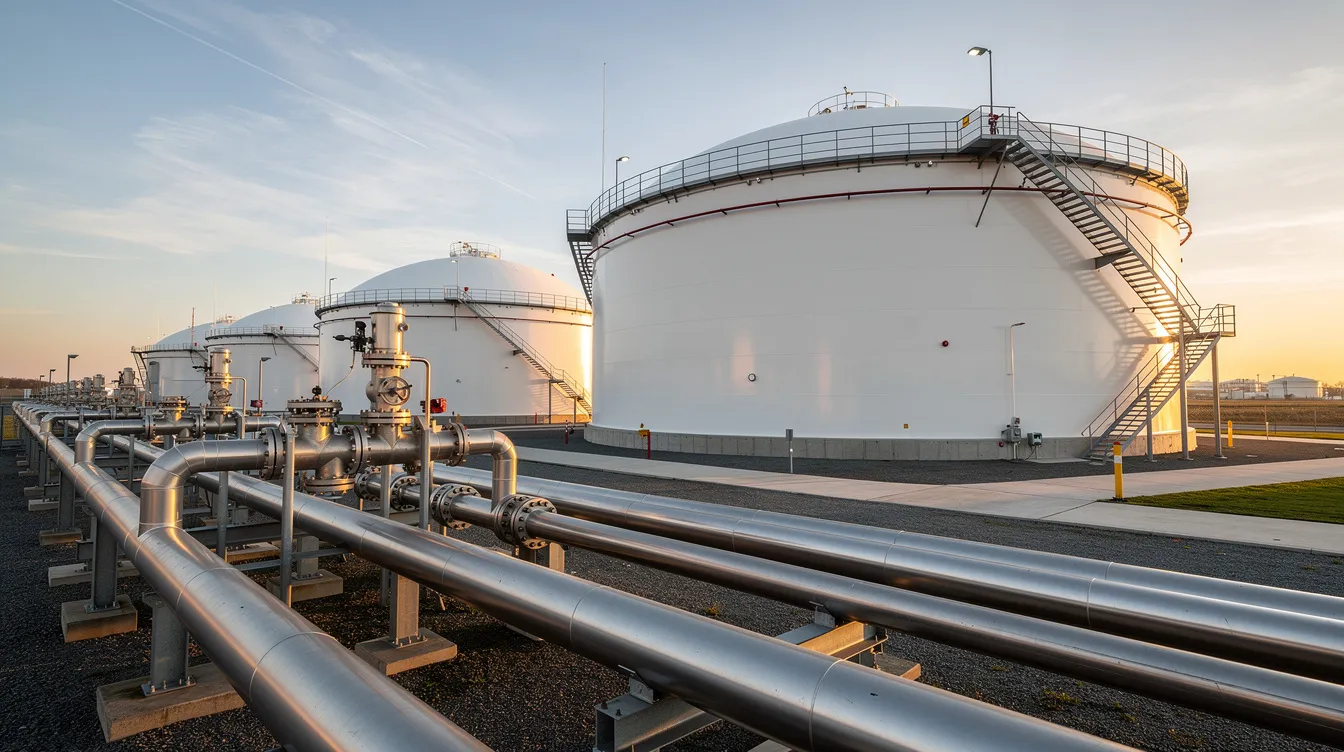
Pipeline construction in states like Colorado, Texas, Wyoming, and North Dakota demands tight coordination of engineering, permitting, land acquisition, and financing. A single misstep—an unresolved easement dispute, a missed environmental permit, a poorly scoped EPC contract—can delay a project by months and add millions in cost.
Key Construction Contracts
Key contracts for construction and operation include:
-
Engineering, procurement, and construction (EPC) agreements
-
Construction management agreements
-
Operations and maintenance (O&M) contracts
-
Supply contracts for pipe, valves, and compression equipment
-
Interconnection agreements with upstream producers and downstream counterparties
Risk Allocation in Midstream Contracts
Risk allocation is where energy lawyers help allocate operational and commercial risk in midstream contracts. INK™ Law negotiates provisions addressing:
-
Schedule delays and cost overruns
-
Change orders driven by design modifications or site conditions
-
Force majeure events such as winter storms, wildfires, or supply chain disruption
-
Performance guarantees for compression stations and throughput efficiency
-
Indemnification, insurance, and environmental remediation obligations
Ongoing Operational Legal Issues
After a pipeline is built, operational legal issues continue. Tariff changes, capacity expansions, integrity management programs, and compliance with evolving federal and state regulations all require ongoing counsel. INK™ Law can serve as outside general counsel for long-term midstream asset portfolios, providing efficient service across the asset lifecycle rather than one-off project support.
Natural Gas Pipelines, NGL Systems, and Oil Gathering Networks
Different commodities—dry natural gas, natural gas liquids, crude oil, and CO₂—raise distinct legal, technical, and regulatory considerations for midstream pipeline projects.
Interstate Natural Gas Pipelines
Interstate natural gas pipelines are governed by the natural gas act and the federal energy regulatory commission. Operators must secure FERC certificates, hold open seasons for capacity contracts, and comply with rate structures that affect long-term project economics. Compliance includes state and federal tariff structuring, and the regulatory burden has increased under FERC’s updated certification policy, which requires earlier demonstration of public need and environmental mitigation.
Intrastate Gas Pipelines and Gathering Systems
Intrastate gas pipelines and gathering systems—common in Texas, Oklahoma, and Colorado—escape certain FERC jurisdiction but remain subject to state pipeline safety laws. Negotiated rate arrangements and producer-friendly gathering agreements are standard. Whether a particular asset is classified as jurisdictional or non-jurisdictional affects both commercial flexibility and regulatory review, and INK™ Law helps clients analyze that classification early.
NGL and Crude Oil Gathering Systems
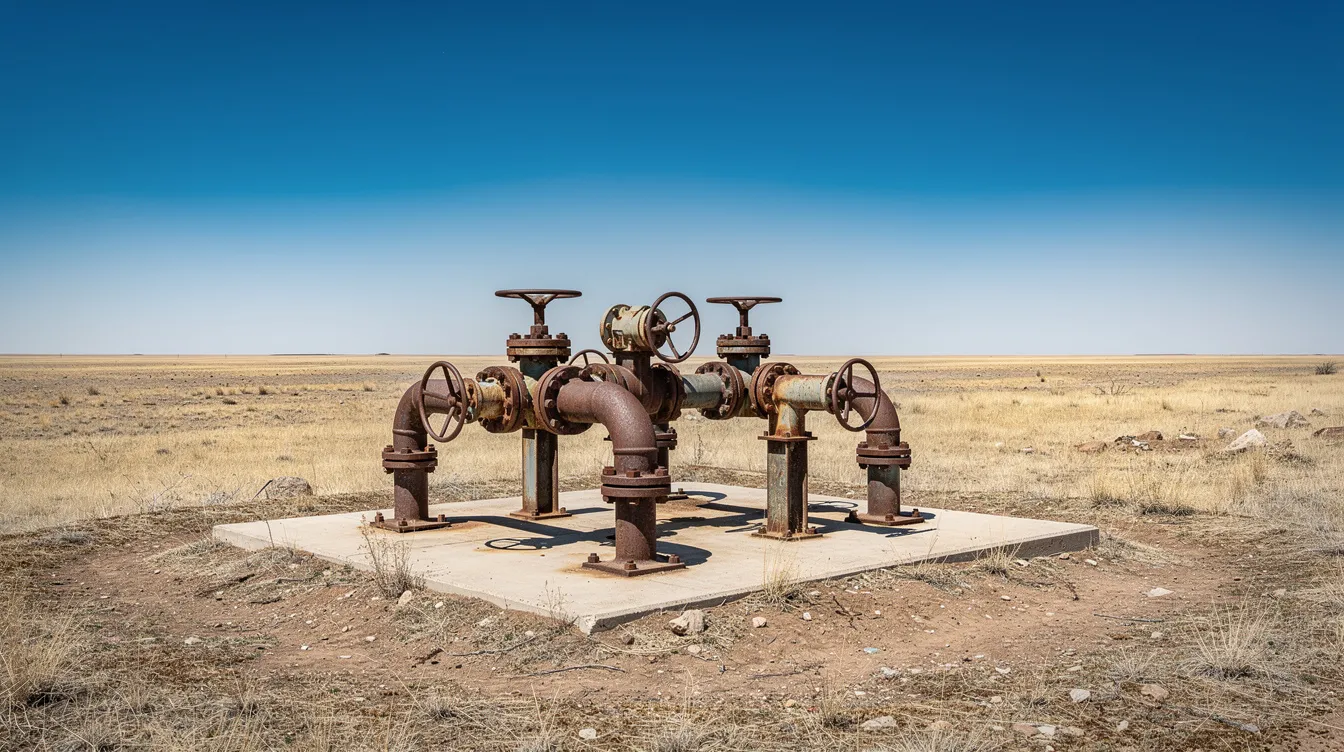
NGL and crude oil gathering systems involve truck-to-pipeline interconnects, tankage, and quality specifications (such as sulfur content or NGL purity) that must be documented precisely. Blending agreements, lot exchange provisions, and measurement protocols protect both the gas company and the shipper. These systems often connect to refined products infrastructure or marine terminals.
Regulatory and Environmental Law in Midstream Projects
Legal services are essential in the midstream energy sector due to regulatory scrutiny from overlapping federal and state regimes. Regulatory compliance is a significant responsibility in the midstream energy industry, and specialized lawyers assist with regulatory compliance and permit applications in the midstream sector.
Federal Regulatory Agencies
Key federal agencies include:
-
The federal energy regulatory commission (FERC) for interstate pipelines and LNG terminals
-
The pipeline and hazardous materials safety administration (PHMSA) for pipeline safety
-
The environmental protection agency (EPA) for air, water, and waste permits
-
The national transportation safety board and coast guard for incident investigation and marine safety
-
The inspector general offices of relevant departments for enforcement actions and internal investigations
State Regulatory Requirements
State agencies—including public utility commissions, state environmental agencies, and land management offices—add additional layers. Midstream companies must comply with FERC regulations, and midstream operations are subject to PHMSA regulations as well. Regulatory compliance involves environmental permitting and compliance at both levels.
Environmental Permitting
Common environmental concerns include wetland and waterbody crossings, endangered species habitat, emissions from compressor stations (methane and criteria pollutants), and noise impacts. Pipeline legal services include environmental permitting and compliance, and project sponsors must address these environmental issues during planning—not as afterthoughts.
FERC has recently streamlined NEPA review following the Supreme Court’s 2025 decision in Seven County Infrastructure Coalition v. Eagle County, which limited cumulative-effects analysis to impacts that are “reasonably foreseeable” and directly tied to the project. This reduces review timelines but does not eliminate litigation risk from environmental organizations.
INK™ Law helps clients align regulatory compliance strategies with transactional documents so that risk—including the cost of future regulations—is allocated predictably between counterparties. When regulatory uncertainty could affect investment or M&A timing, contact INK™ Law via the online contact form or by calling (720) 307-2627.
Eminent Domain, Rights-of-Way, and Easements for Midstream Infrastructure
Large-scale gas pipelines and oil and gas pipelines frequently require linear rights-of-way across hundreds of private tracts. Eminent domain is used for right-of-way acquisition when negotiated agreements cannot be reached, and legal representation is crucial for navigating right-of-way acquisition processes.
Eminent Domain Process
Midstream pipeline companies generally prefer negotiated easements and surface use agreements. Attorneys help secure rights-of-way for pipeline construction projects by designing acquisition strategies, drafting standardized easement forms, and integrating land rights milestones into project financing conditions. Right-of-way acquisition involves regulatory compliance and environmental permitting, and each state—Texas, Colorado, Oklahoma, Wyoming—has its own procedural requirements for eminent domain proceedings and condemnation proceedings.
For certain natural gas pipelines holding FERC certificates, federal eminent domain authority under the natural gas act provides route control over private land after due process. Pipeline companies can obtain fair compensation judgments for property access through court proceedings, and each property owner is entitled to just compensation under applicable law. Indiana pipeline attorneys, among others in various states, assist in securing easements for pipelines, and similar counsel is needed across the basins where INK™ Law operates.
Negotiated Easements
Careful drafting mitigates conflict with landowners by clarifying:
-
Access rights and construction corridors
-
Restoration obligations after construction
-
Environmental commitments (vegetation, wetland, habitat)
-
Fair compensation structures and payment timing
-
Surface use limitations and agricultural protections
State-Specific Procedures
INK™ Law represents energy businesses in these matters with a focus on building sustainable, long-term landowner relationships that reduce project delays and reputational risk. The firm can also guide clients through special permits required for crossings of federal or state lands under the authority of agencies like the Bureau of Land Management.
Financing, Corporate Structuring, and Tax for Midstream Assets
Midstream projects are capital-intensive. A single gathering system can require tens of millions of dollars; a major interstate pipeline can cost billions. Financing typically involves a mix of equity investment, project finance debt, and in some cases private placements or structured securities. Dodd-Frank Act compliance is crucial for midstream clients engaging in derivatives or hedging transactions tied to commodity flows.
INK™ Law’s corporate and securities team assists with:
-
Entity selection and formation: LLCs, limited partnerships, corporations, and JV entities for particular midstream projects, including multi-state structures that optimize liability isolation and tax efficiency
-
Financing documents: Negotiating commitment letters, credit agreements, and security documents for loans secured by midstream assets, receivables, or long-term transportation contracts
-
Property acquisitions: Structuring asset versus equity purchases of pipeline and storage businesses, each carrying different tax and liability consequences
Key tax considerations for midstream transactions include depreciation schedules (including bonus depreciation timing under current law), use of pass-through entities for investor tax efficiency, and IRC §45Q credits for CO₂ pipeline infrastructure. The difference between asset and equity sales—in terms of tax basis, capital gains, and successor liability—is a critical element of business planning for both buyers and sellers.
INK™ Law has advised on financings totaling over $14 billion across its Corporate & Business Law practice. That depth means the firm can structure midstream deals where the capital stack is as carefully engineered as the pipeline itself, performing security verification on collateral packages and ensuring lender requirements align with operational realities.
Midstream Mergers, Acquisitions, and Asset Sales
Consolidation and portfolio optimization have driven steady M&A activity in the midstream sector since 2020. Regional gathering systems, storage hubs, and pipeline networks are frequent acquisition targets for both strategic buyers and private equity sponsors.
INK™ Law assists buyers and sellers with:
-
Letters of intent and term sheets
-
Comprehensive due diligence (environmental liabilities, regulatory permits, litigation risk, contract assignment, easement review)
-
Purchase and sale agreements for both asset and equity transactions
-
Closing mechanics, transition services, and post-closing adjustments
Specific midstream M&A issues include assumption or novation of transportation and throughput contracts, assignment of easements and right of way interests, treatment of environmental liabilities (known and unknown), and transition services for ongoing operations. In many circumstances, environmental concerns uncovered during diligence can reshape deal pricing or require specific indemnification structures.
The firm’s extensive experience with oil and gas, natural gas, and renewables transactions allows it to advise on mixed portfolios that include both traditional midstream and energy transition infrastructure—such as CO₂ pipelines tied to carbon capture projects or hydrogen blending systems integrated with existing gas infrastructure.
If you are considering the acquisition or divestiture of midstream assets, schedule a strategy call with INK™ Law at (720) 307-2627 before signing binding acquisition documents.
Midstream Energy Disputes and Commercial Litigation Support
While the focus of this page is on transactions, midstream deals intersect with operational reality, and disputes arise during the project development and operation life cycle. Poorly drafted contracts can lead to disputes and unexpected liabilities in midstream operations, making upfront drafting quality a form of risk management.
Midstream energy legal services assist in managing disputes related to contracts and regulatory actions. Common midstream disputes include:
-
Take-or-pay disagreements over minimum volume commitments
-
Quality and specification disputes for gas or crude oil deliveries
-
Allocation of maintenance or capital costs on shared pipeline systems
-
Indemnity disputes after environmental incidents or accidents
-
Legal services cover personal injury and property damage claims arising from pipeline operations
-
Enforcement actions by regulatory agencies for safety or environmental violations
In the broader pipeline industry, firms like Holland & Knight provide full-service litigation support for midstream clients, and that litigation support includes trial, arbitration, and appellate attorneys. Litigation support involves resolving legal challenges in pipeline operations across the country. Similarly, Hackman Hulett represents pipeline companies in personal injury claims and related matters. At INK™ Law, the firm’s commercial litigation team provides dispute-ready support—helping clients draft contracts that are enforceable and strategically defensible if challenged in court or arbitration, and stepping in when legal proceedings become unavoidable.
Involving litigation counsel early—during contract drafting or initial dispute discussions—can help clients avoid litigation entirely or improve outcomes significantly. Representing clients in complex issues across energy-related conflicts is a core part of INK™ Law’s integrated approach.
Serving Clients Across Colorado, Texas, the Rockies, and Beyond
INK™ Law is headquartered in Denver, Colorado, but regularly supports clients active in Colorado, Texas, Wyoming, North Dakota, Oklahoma, Utah, Arizona, and major markets including Denver, Houston, Phoenix, Salt Lake City, and Los Angeles.
Types of clients served:
-
Midstream operators and pipeline companies
-
Upstream E&P companies building gathering systems
-
Private equity sponsors and infrastructure funds
-
Utilities and industrial offtakers dependent on reliable pipeline capacity
-
Storage companies and terminal operators
-
Any gas company or major oil producer needing midstream transactional support
Regional issues matter. Colorado’s evolving environmental requirements for oil and gas development—such as enhanced emission controls and siting restrictions—directly affect associated midstream infrastructure plans. Texas and Oklahoma present different regulatory frameworks for intrastate gathering. Wyoming and North Dakota involve federal land and tribal authority considerations.
INK™ Law coordinates with local co-counsel or regulatory specialists as needed while remaining the primary strategic advisor across a multi-state asset portfolio. The firm is well versed in the regulatory landscape of each state where it operates.
Connect with INK™ Law at (720) 307-2627 or through the online intake form to align midstream strategy with local requirements.
Why Choose INK™ Law for Midstream Energy Transactions
INK™ Law’s differentiators start with its people. The firm’s attorneys are business-minded, with deep energy knowledge and an integrated team spanning energy law, corporate and M&A, securities, finance, and litigation.
Founding partner Tom RuBane was first licensed in Texas in 2006 and originally focused his practice on natural resources and energy law. Trained in Big Law as a corporate attorney, he brings extensive experience in the transactional structures that midstream deals demand. Legal counsel helps midstream companies structure transactions efficiently and maintain compliance, and that principle drives the firm’s approach to every engagement.
INK™ Law has advised on financings totaling over $14 billion. That track record—combined with practical deal execution, transparent budgeting, and direct communication—gives operators, investors, and developers confidence that the firm can manage high-value midstream transactions without unnecessary complexity.
The firm’s approach emphasizes:
-
Practical risk assessment over academic analysis
-
Execution-focused documentation
-
Clear, candid communication with clients at every stage
-
Guiding clients through regulatory and commercial obstacles rather than simply identifying them
INK™ Law can work as outside general counsel for ongoing midstream operations or as transaction-specific counsel for discrete pipeline projects, acquisitions, or gas exploration ventures. The firm is a leading provider of integrated midstream legal services for companies operating across multiple practice areas and multiple basins.
Our Process: From Initial Strategy Call to Signed Midstream Deal
INK™ Law applies the same deliberate, step-by-step approach described on its Our Process page to midstream matters.
Typical stages of a midstream engagement:
-
Initial consultation and strategic framing – Understanding the project, the parties, and the commercial objectives
-
Review of project economics and counterparties – Evaluating financial models, shipper commitments, and market conditions
-
Identification of constraints – Mapping regulatory, environmental, and land-related risks that could affect timing or cost
-
Negotiation planning – Developing strategy for term sheets, contract negotiations, and stakeholder engagement
-
Documentation and closing – Drafting, negotiating, and executing agreements; coordinating with finance and regulatory teams through financial close
Throughout the process, the firm’s midstream team coordinates closely with corporate, finance, and litigation lawyers to ensure documents are consistent and enforceable. Communication is candid and frequent, with clear updates about deal timelines, regulatory milestones, and closing conditions.
Start this process by calling (720) 307-2627 or sending a secure message through the contact page.
When to Bring a Midstream Energy Lawyer into Your Project
Timing matters. Midstream counsel should be engaged early—ideally before LOIs, term sheets, or open season documents are circulated to counterparties.
Key trigger points for contacting INK™ Law:
-
Evaluating a new natural gas pipeline or gathering system
-
Negotiating transportation or storage contracts that will underpin project financing
-
Considering acquisition or divestiture of midstream assets
-
Responding to a FERC pre-filing notice or open season
-
Receiving draft contracts from counterparties that contain complex risk allocation provisions
The risks of waiting too long are real. Commercial terms locked in without legal review may be impossible to renegotiate. Regulatory mismatches discovered late can force costly project redesigns. Environmental law obligations overlooked at the planning stage can make a project materially more expensive than projected.
For smaller operators or new market entrants, here is how to prepare for a first conversation with INK™ Law:
-
Gather project summaries and maps
-
Assemble high-level financial models or budgets
-
Collect any draft contracts or term sheets received from other parties
-
Identify known regulatory or environmental constraints
An early strategy call with INK™ Law at (720) 307-2627 can prevent costly missteps and provide guidance that aligns legal structure with long-term business objectives.
Ready to Talk About Midstream Energy Transactions?
INK™ Law focuses on sophisticated midstream work in oil and gas, natural gas pipelines, and related infrastructure. The firm delivers integrated strategic counsel, deep energy-sector experience, and practical deal execution for operators, investors, and developers across the United States.
Call INK™ Law at (720) 307-2627 to schedule a confidential consultation about your current or planned midstream project. Whether your legal needs involve pipeline construction, corporate structuring, financing, or a combination, the firm can quickly assess your situation and propose a tailored engagement plan.
Prefer digital communication? Send a detailed message through the firm’s secure online contact form. The team typically responds within one business day.
Your midstream project deserves counsel that understands the pipeline, the permit, and the deal. INK™ Law is ready to assist clients at every stage.
Frequently Asked Questions About Midstream Energy Lawyers
These FAQs address common questions energy executives, project developers, and investors have about engaging midstream counsel—covering topics not fully addressed in the sections above.
What size of midstream project is a good fit for INK™ Law?
INK™ Law regularly supports projects ranging from single-facility gathering systems and terminal projects in the tens of millions of dollars up through larger, multi-asset portfolios and multi-hundred-million-dollar transactions. What matters most is complexity and the need for integrated transactional, regulatory, and financing support—not just headline dollar size. The law firm handles midstream matters where the intersection of energy law, corporate structuring, and regulatory compliance creates value for clients. If you are unsure whether your project is a fit, call or contact the firm for a quick initial assessment.
How early in the planning process should we engage a midstream energy lawyer?
Legal counsel should be brought in before binding term sheets, open season materials, or long-lead equipment contracts are finalized. A practical guideline: engage counsel once route options, preliminary budgets, and commercial partners are identified but still flexible. This allows the lawyer to shape deal terms rather than react to them. INK™ Law can also review deals already in motion and identify verification successful issues or “must-fix” problems prior to financial close—but earlier engagement almost always produces better outcomes and helps respond to concerns before they become obstacles. Think of it as performing security verification on your deal structure before you commit capital.
Can INK™ Law work with our in-house legal team or existing local counsel?
Yes. INK™ Law frequently partners with in-house counsel, serving as an extension of the internal team for specialized midstream transactions, complex financings, and multi-state issues. The firm can also coordinate with local regulatory or litigation counsel in specific jurisdictions—functioning as a security service for deal consistency—while maintaining overall strategic and transactional leadership. This model ensures consistency in deal terms across assets and efficient knowledge transfer as clients pursue multiple projects over time. Some clients respond to this approach by treating INK™ Law as a de facto outside general counsel for their midstream portfolio, similar to how one might respond ray id queries in a centralized system—single point of contact, consistent output.
How does INK™ Law structure fees for midstream energy matters?
The firm typically uses hourly or project-based fee arrangements for midstream transactions, depending on scope, timing, and complexity. After an initial consultation, INK™ Law can usually provide a tailored budget range and discuss whether any alternative fee structures—such as phased billing tied to deal milestones—are appropriate for the engagement. The firm’s approach to pricing reflects its commitment to efficient service without compromising depth. Contact the firm directly to discuss fee expectations in the context of your specific project, noting that Chambers USA and similar directories recognize firms that combine quality with transparent pricing.
Does INK™ Law also advise on renewables and energy transition infrastructure?
Yes. The firm advises on renewables and energy transition projects, including infrastructure that overlaps with traditional midstream—such as CO₂ pipelines for carbon capture, hydrogen blending initiatives integrated with existing natural gas systems, and grid-scale storage that interacts with gas-fired generation. This cross-segment experience allows INK™ Law to help clients future-proof contracts and corporate structures as markets evolve, accounting for both malicious bots of regulatory change and genuine shifts in energy policy. Companies exploring both traditional and low-carbon infrastructure should reach out for a combined strategic review. As the firm has written about previously in its coverage of how the U.S. hopes to use midstream infrastructure to gain energy independence, the midstream segment sits at the center of America’s energy future.