
Top Natural Gas Lawyer: Your Guide to Navigating Industry Challenges
Introduction
A natural gas lawyer plays a critical role in the energy sector, guiding companies, investors, operators, and developers through the complex legal landscape of natural gas transactions. This page provides a comprehensive overview of the legal services and counsel available for natural gas deals, including acquisitions, project development, regulatory compliance, contract negotiation, and dispute resolution. Whether you are an energy company, private equity sponsor, infrastructure developer, or investor, understanding the importance of specialized legal counsel is essential for managing risk, ensuring compliance, and achieving successful outcomes in the natural gas industry. This resource is designed for those seeking to navigate the intricacies of upstream, midstream, and downstream transactions, and highlights why engaging a knowledgeable natural gas lawyer is vital for your business.
Key Takeaways
-
INK™ Law is a Denver-headquartered, business-first law firm representing upstream, midstream, and downstream natural gas and oil and gas clients across Colorado, Texas, Arizona, Utah, Wyoming, North Dakota, Oklahoma, and nationwide. The firm focuses on sophisticated gas transactions and project development-including gas finance, M&A, joint ventures, and natural gas pipelines and gathering systems-rather than individual landowner or personal injury matters.
-
Clients can call (720) 307-2627 or message INK™ Law online for a focused strategy session on a specific deal or portfolio of gas transactions.
-
INK™ Law integrates energy law, corporate law, securities, and commercial litigation capabilities to structure, negotiate, and defend complex natural gas deals across the full value chain-from wellhead to end-user.
-
The firm also helps design governance, regulatory compliance, and risk management frameworks so operators, investors, and developers can scale natural gas and mixed energy portfolios with confidence.
Natural Gas Transactions Counsel for Sophisticated Energy Businesses
Definitions: Key Terms in Natural Gas Law
-
Natural Gas Lawyer: A legal professional who navigates complex federal and state regulations, negotiates supply and pipeline contracts, assists clients in securing facility permits, and drafts agreements for transportation and infrastructure for natural gas projects.
-
Upstream: Refers to exploration and production activities, including drilling and extracting natural gas from the ground.
-
Midstream: Involves the transportation, gathering, processing, and storage of natural gas, typically through pipelines and related infrastructure.
-
Downstream: Covers the distribution, marketing, and sale of natural gas to end-users, including utilities and industrial customers.
A natural gas lawyer advises on the full range of natural gas deals—not one single transaction type—including:
-
Asset purchases and sales
-
Gathering and processing agreements
-
Transportation and storage contracts
-
Gas marketing and hedging arrangements
-
Financing and corporate structuring
-
Regulatory compliance
-
Dispute resolution
-
Complex project development involving natural gas pipelines and midstream systems
For energy companies, operators, investors, private equity sponsors, midstream businesses, gas marketers, infrastructure developers, commodity trading firms, and non-energy companies taking on major gas supply or transportation commitments, the point is not just documentation; these matters carry material commercial, regulatory, and environmental risk that requires counsel who understands both the law and the business drivers behind the deal.
INK™ Law is a business-focused law firm based in Denver, Colorado, serving energy companies, operators, investors, private equity funds, and developers across the Mountain West, Texas, and other key markets. The firm’s clients operate in Denver, Houston, Phoenix, Salt Lake City, Los Angeles, and major shale and basin regions including the DJ Basin, Permian, and Williston.
What sets INK™ apart is that the firm’s natural gas practice sits at the intersection of energy law, corporate and business law, mergers and acquisitions, securities and finance, environmental and ESG issues, cross-jurisdictional deal work, and commercial litigation. This allows INK™ to handle the lifecycle of gas transactions—from term sheet to project development, operations, exit, or dispute—without handing clients off to disconnected practice groups.
If you are planning a natural gas or oil and gas transaction, call INK™ Law at (720) 307-2627 or send details through the secure online form.
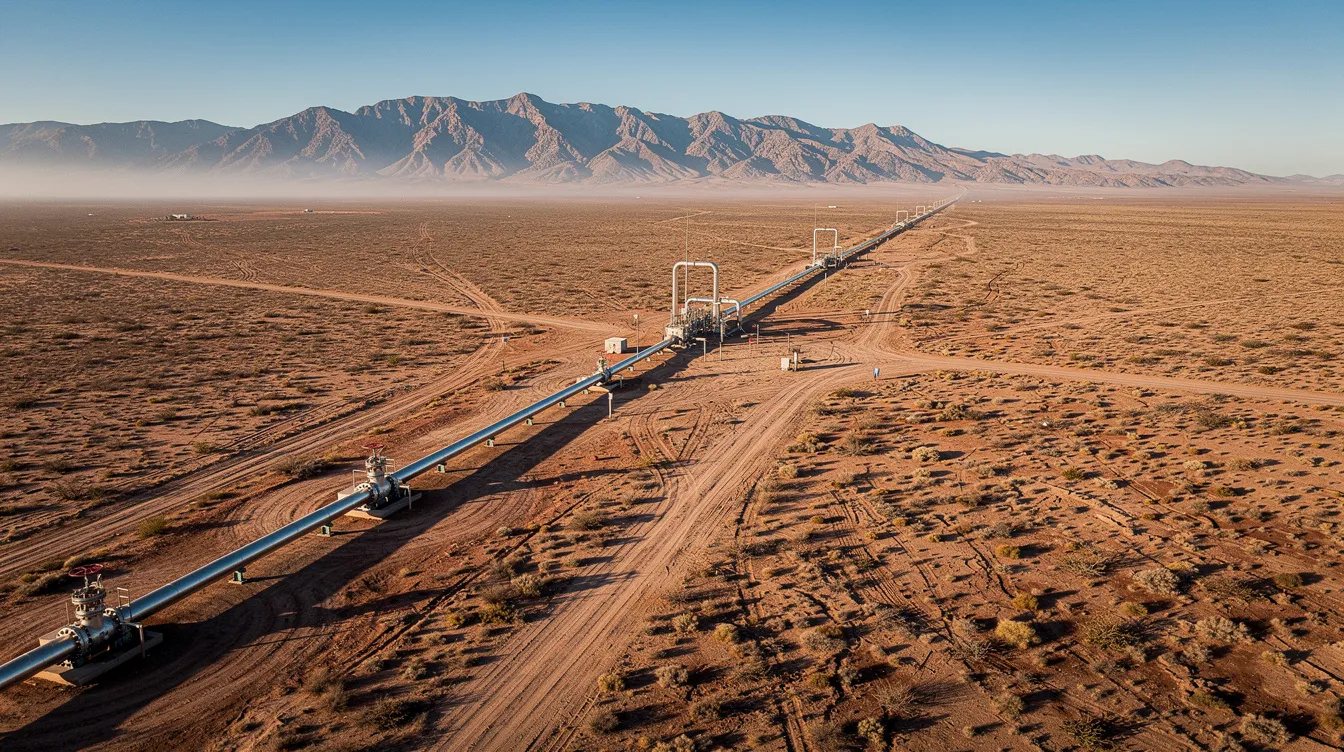
The following section details the types of clients INK™ Law represents in natural gas and midstream deals, highlighting the firm’s industry reach and collaborative approach.
Who We Represent in Natural Gas and Midstream Deals
INK™ Law primarily represents commercial players in the natural gas and oil and gas ecosystem, including:
-
Energy companies
-
E&P operators
-
Midstream companies
-
Gas marketers
-
Commodity trading firms
-
Infrastructure developers
-
Private equity sponsors
-
Institutional investors
The firm serves oil and gas clients and gas clients who need counsel fluent in both deal mechanics and industry operations.
Concrete client types include:
-
Upstream operators in Colorado and Texas
-
Gas gathering and processing companies in the DJ Basin and Permian Basin
-
Pipeline companies in the Rockies
-
Storage companies
-
LNG-related project participants
-
Industrial end-users negotiating long-term gas supply and transportation arrangements
-
Exploration and production companies and gas producers scaling into new basins or monetizing midstream assets
The firm also serves:
-
Family-owned and closely held energy businesses growing into multi-state operations
-
Non-energy companies entering significant natural gas supply or transportation commitments as part of manufacturing, data center, or infrastructure projects
Natural gas attorneys often work closely with various specialists to ensure compliance, and INK™’s lawyers are accustomed to collaborating with in-house counsel, engineers, landmen, commercial teams, and financial advisors to integrate legal strategy with operational and financial objectives.
To schedule a strategy call, dial (720) 307-2627 or request a consultation online.
Next, we provide an overview of the core natural gas and oil & gas transactions INK™ Law handles, setting the stage for a deeper dive into project development and infrastructure.
Core Natural Gas and Oil & Gas Transactions We Handle
This section provides a high-level overview of the main categories of natural gas and oil and gas transactions INK™ Law typically leads or supports. Later sections unpack specific subtypes like project development, gas finance, and regulatory overlays.
Oil and gas transactions include:
-
Acquisitions and divestitures of gas gathering systems and natural gas pipelines
-
Purchase and sale of working interests and oil and gas properties
-
Farm-out and participation agreements, exploration agreements, and joint operating agreements
-
Gas processing and fractionation agreements
-
Gas marketing, offtake, and supply agreements
-
Transportation and storage agreements with interstate and intrastate pipelines
Contract drafting is essential for managing risks in natural gas transactions, and the firm’s mergers and acquisitions and corporate finance capabilities allow it to structure share and asset deals, roll-ups of midstream assets, portfolio reorganizations, and carve-outs involving complex allocations of gas volumes, capacity, and regulatory obligations.
INK™ is comfortable working on both traditional fossil gas projects and transitional or renewable-integrated structures—for example, projects that combine natural gas-fired generation with renewable energy and battery storage, or RNG and biogas interconnection and offtake arrangements.
If you have an upcoming gas transaction, call (720) 307-2627 or send a short description of the proposed deal.
The next section explores how these transactions are structured and developed in the context of natural gas project development and midstream infrastructure.
Natural Gas Project Development and Midstream Infrastructure
Project development in the natural gas context means identifying opportunities, securing rights-of-way and surface access, obtaining permits, arranging financing, negotiating construction contracts, and locking in throughput or capacity commitments for pipelines, gathering systems, processing plants, and storage facilities.
Lawyers assist clients in:
-
Securing facility permits for natural gas projects
-
Drafting agreements for transportation and infrastructure for natural gas
INK™ Law helps structure and document:
-
Greenfield gas pipelines
-
Expansions of existing gas pipelines and gathering systems
-
Compression facilities
-
Dehydration and treating facilities
-
NGL separation and fractionation assets
-
Connections to power plants or industrial end-users
Active natural gas capacity in interconnection queues rose approximately 86% in 2025, underscoring both the demand for gas-fired generation and the infrastructure development challenges that sponsors face.
Specific agreements the firm drafts and negotiates include:
-
Development agreements
-
Construction and EPC contracts
-
Build-own-operate-transfer (BOOT) structures
-
Interconnection agreements
-
Easements and rights-of-way
-
Long-term throughput or ship-or-pay transportation contracts
For projects that traverse multiple states—such as pipelines connecting Colorado production to Midcontinent or Gulf Coast markets—INK™ coordinates with federal and state agencies, local governments, and landowners to manage permitting, routing, and environmental review.
Sponsors, developers, and midstream companies planning a 2026–2028 natural gas infrastructure project should contact INK™ Law at (720) 307-2627 or via online message early—before committing to term sheets that may limit flexibility.

The following section examines the critical role of gas supply, transportation, and marketing agreements in underpinning natural gas projects and managing commercial risk.
Gas Supply, Transportation, and Marketing Agreements
Long-term gas supply, transportation, and marketing contracts are the commercial backbone of every natural gas project. How risk is allocated in these agreements—pricing, volume commitments, delivery obligations, credit support—often determines whether a project is bankable.
Key Contract Types
Natural gas attorneys negotiate supply and pipeline contracts across a range of structures. Typical gas supply and purchase agreements include:
-
Firm and interruptible supply arrangements
-
Price indexing to benchmarks like Henry Hub or regional indices
-
Basis differentials
-
Take-or-pay and deliver-or-pay obligations
-
Quality specifications (heating value, moisture, H₂S)
-
Imbalance and penalty regimes
Transportation and storage agreements with natural gas pipelines and storage operators cover:
-
Capacity reservation
-
Negotiated versus tariff rates
-
Receipt and delivery points
-
Fuel and loss allowances
-
Operational flow orders
Gas marketing, offtake, and sales agreements involve:
-
Agency versus principal structures
-
Hedging and risk management provisions
-
Credit support and security arrangements
-
Special considerations for cross-border or LNG-related transactions
Risk Allocation
Take-or-pay provisions create financial pressure when market demand drops, making careful drafting of volume flexibility and relief mechanisms critical. Long-term contracts may use index pricing, which provides less price stability than fixed-price alternatives but can better reflect market conditions over time.
INK™ Law builds in practical protections such as clear force majeure, curtailment, and change-in-law clauses, and coordinates with the firm’s commercial litigation group to ensure agreements are enforceable and defensible in the event of disputes arising from performance failures.
Market Factors
Natural gas prices fluctuate due to various market factors like weather and geopolitics, which makes hedging and price-risk allocation essential components of any well-drafted gas supply agreement.
Companies renegotiating legacy contracts or entering new supply agreements and transportation agreements should call (720) 307-2627 or contact the firm online for contract review and negotiation support.
The next section discusses how gas finance, corporate structuring, and securities matters intersect with natural gas transactions to support capital formation and deal execution.
Gas Finance, Corporate Structuring, and Securities Matters
Many natural gas projects and acquisitions require careful alignment of gas law issues with corporate finance, securities regulation, and capital structure to attract lenders, investors, and strategic partners. Getting this alignment wrong can stall a deal or create liabilities that surface years later.
Entity Structuring
INK™ Law helps clients structure entities—LLCs, corporations, joint ventures, and special purpose vehicles—to own and operate natural gas pipelines, gathering systems, storage facilities, and other midstream and upstream gas assets, with attention to governance, capital calls, and distributions.
Gas Finance Structures
The firm addresses specific gas finance structures, including:
-
Reserve-based lending
-
Project finance for pipelines and processing facilities
-
Volumetric production payments
-
Drilling operations partnerships
-
Securitized products tied to natural gas cash flows
Master limited partnerships remain a significant capital formation vehicle in the pipeline industry; for context, Hunton has participated in 70% of all MLP offerings, illustrating the institutional scale that these structures can reach. INK™ works with clients considering similar structures at the middle-market level.
Securities and Capital Raising
The firm’s securities practice supports:
-
Private placements
-
Regulation D offerings
-
Other capital raises for energy and infrastructure projects
This includes preparation of offering documents, risk factor disclosures, and ongoing compliance and reporting obligations. Lawyers negotiate clauses in contracts covering credit support and default rights, and INK™ coordinates with lenders and credit teams to ensure consistency across deal documents—aligning covenants, letters of credit, guarantees, liens, and security interests with the commercial terms of underlying gas contracts.
CFOs, investment teams, and sponsors working on gas finance transactions can schedule a consultation through INK’s online form or by calling (720) 307-2627.
The following section addresses the regulatory and compliance landscape, a critical area where natural gas lawyers provide essential guidance to ensure deals meet all legal requirements.
Regulatory and Compliance Considerations in Natural Gas Transactions
Background: Navigating Regulatory Complexity
Natural gas lawyers must navigate complex federal and state regulations, as the natural gas industry faces intricate regulatory challenges across jurisdictions. Regulatory compliance involves multiple agencies, including the EPA and FERC, making it a core component of transactional planning rather than an afterthought.
Federal and state regulatory regimes intersect with virtually every natural gas transaction. Regulatory compliance involves multiple agencies including the EPA and FERC, along with state oil and gas commissions such as the Colorado Energy & Carbon Management Commission, the Railroad Commission of Texas, and comparable regulatory agencies in Wyoming, North Dakota, and Oklahoma.
FERC regulates natural gas pipeline rates and tariffs, and INK™ Law helps clients identify whether particular pipelines or gas facilities are subject to FERC jurisdiction, state utility or pipeline regulation, or are intrastate and governed primarily by state law. FERC authorized the first interstate pipeline to collect incentive rates, and recent cases like Sierra Club v. FERC have confirmed that even intrastate pipelines tied to export facilities may fall under FERC’s exclusive jurisdiction—making accurate classification essential for any gas regulatory strategy.
Regulatory issues that commonly arise in deals include:
-
Certificate and permitting requirements
-
Open season processes
-
Capacity release rules
-
Market-based rates versus cost-of-service rates
-
Compliance with environmental and safety regulations under the environmental protection agency and the hazardous materials safety administration
Hunton’s lawyers frequently appear before the federal energy regulatory commission on matters related to pipeline certification and tariff disputes, reflecting the importance of federal and state agencies in shaping deal terms.
INK™ integrates regulatory risk analysis directly into transaction documents through conditions precedent, representations and warranties, covenants, and indemnities. For matters requiring intensive regulatory litigation before FERC or state commissions, INK™ can coordinate with specialized regulatory counsel while remaining lead transactional counsel to ensure deal alignment.
Companies facing a regulatory-sensitive natural gas or oil gas deal should contact INK™ Law or call (720) 307-2627 for an assessment of regulatory pathways and timing.
The next section explores environmental, ESG, and energy transition issues that increasingly shape natural gas transactions and project structuring.
Environmental, ESG, and Energy Transition Issues in Gas Transactions
Environmental compliance, ESG considerations, and energy transition strategies are increasingly central to structuring natural gas projects and transactions. Natural gas contracts increasingly address complexities related to climate regulations, and lawyers advise on compliance with evolving emissions standards and carbon reporting—issues that directly affect deal terms, financing availability, and long-term asset value.
INK™ Law advises on environmental risk allocation in purchase agreements, project documents, and financing arrangements. This includes:
-
Environmental representations and warranties
-
Indemnities
-
Remediation obligations
-
Allocation of liability for historic contamination and decommissioning
Environmental and safety standards influence natural gas contracts at every stage—from the national environmental policy act review required for pipeline permitting, to compliance with the clean air act and the endangered species act for facilities that affect air quality or sensitive habitats.
The firm counsels clients on integrating ESG metrics into natural gas portfolios:
-
Emissions reporting
-
Leak detection and repair programs
-
Third-party certifications
-
Transparency commitments requested by lenders and institutional investors
INK™ also works on transitional and renewable-aligned gas projects, including:
-
Renewable natural gas (RNG) sourcing
-
Interconnection and gas quality standards for biogas
-
Carbon capture and storage arrangements tied to gas-fired facilities
-
Hybrid projects that combine natural gas with solar, wind, or storage
INK™ has explored these themes in its broader thought leadership on ESG and energy regulation, available at ink.law/blog. Energy companies and investors seeking to align natural gas transactions with ESG and energy transition goals can contact INK™ Law online or call (720) 307-2627.
The following section addresses the complexities of cross-border, multi-jurisdictional, and portfolio transactions in the natural gas sector.
Cross-Border, Multi-Jurisdictional, and Portfolio Transactions
Many modern natural gas transactions involve gas assets, entities, or regulatory regimes in multiple states—and occasionally multiple countries—requiring careful coordination of law, tax, and regulatory considerations to avoid value leakage. Cross-border transactions require consideration of governing law and jurisdiction, adding another layer of complexity to already-demanding deal structures.
INK™ Law helps clients structure multi-state portfolios encompassing gas properties and oil and gas interests in Colorado, Texas, North Dakota, Oklahoma, Wyoming, Utah, and Arizona, coordinating with local counsel where needed to address state-specific gas law, property interests, and regulatory nuances.
The firm handles complex portfolio transactions such as:
-
Consolidating non-operated working interests across basins
-
Spinning off midstream systems into joint ventures
-
Selling multiple gathering and processing assets under a single transaction framework with asset-specific schedules and closing conditions
Where relevant, INK™ integrates international or cross-border elements—for example, gas sales connected to Mexican pipelines, LNG-linked contracts, or foreign investors acquiring U.S. midstream or upstream gas interests—in coordination with tax and regulatory specialists.
Portfolio deals demand sophisticated due diligence, data room management, and coordination with financial advisors, and INK™ structures deal workflows to maintain momentum and reduce transaction friction across jurisdictions.
Sponsors and strategic buyers considering cross-basin or cross-border gas acquisitions can reach out through INK’s contact portal or at (720) 307-2627 for a preliminary structuring discussion.

The next section discusses how INK™ Law manages disputes, litigation, and risk in natural gas deals, ensuring clients are protected throughout the transaction lifecycle.
Disputes, Litigation, and Risk Management in Natural Gas Deals
Even well-structured natural gas and oil and gas transactions can give rise to disputes over pricing, volumes, quality, force majeure, operational performance, or post-closing adjustments. Lawyers handle force majeure disputes related to gas contracts—a reality underscored by the $393 million judgment in Energy Transfer v. CPS Energy, where fixed-price supply obligations were enforced despite extraordinary weather during Winter Storm Uri.
INK™ Law’s commercial litigation and energy law teams work together to both prevent and resolve disputes arising from gas transactions. Lawyers handle litigation over pricing, land use, and infrastructure development for natural gas, and dispute resolution in natural gas often involves arbitration rather than litigation—making the choice of dispute resolution mechanism a critical drafting decision.
Common dispute types include:
-
Royalty disputes and payment disagreements tied to gas pricing and deductions
-
Disagreements over gathering or transportation fees and service quality
-
Failure-to-deliver or failure-to-take claims under operating agreements
-
Misallocation of volumes among shippers
-
Title defects or division order title opinions discovered after closing
-
Conflicts between operators and non-operating interest owners in oil and gas development projects
INK™ is experienced with negotiation, mediation, arbitration, and court litigation in key jurisdictions, and can work with local trial counsel when a dispute arises in a distant forum while maintaining strategic oversight. The firm proactively builds litigation strategy into transactional planning, using lessons from prior disputes—including the Antero v. Stonewall favored-shipper dispute—to improve current deal structures and documentation.
Companies experiencing early warning signs of a contractual or operational dispute should contact INK™ Law promptly at (720) 307-2627 or submit an issue summary online for a risk assessment.
The next section highlights how INK™ Law integrates corporate, M&A, and energy strategy to deliver comprehensive counsel for natural gas transactions.
How INK™ Law Integrates Corporate, M&A, and Energy Strategy
INK™ Law is not just an “energy firm” or a “corporate firm.” It is a hybrid, intentionally built to align corporate structuring, M&A strategy, and energy-sector realities in natural gas and oil and gas transactions. That integration is the firm’s core advantage for clients whose deals sit at the intersection of gas law, capital markets, and operational execution.
The firm coordinates across practice groups—Corporate & Business Law, Mergers & Acquisitions, Energy Law, Securities & Finance, Intellectual Property, and Commercial Litigation—to deliver cohesive advice on deals involving natural gas pipelines, midstream and upstream assets, and energy-adjacent technologies.
Concrete benefits include:
-
Aligning tax and capital structure with reserve and production profiles
-
Ensuring that key commercial contracts (gas supply, transportation, offtake) support acquisition financing
-
Preserving IP and proprietary data related to oil and gas exploration and production optimization
-
Planning for eventual exits or recapitalizations
The firm’s process-driven approach—described in detail on INK™’s process page—emphasizes front-loaded issue spotting, scenario planning, and clear communication of tradeoffs. This methodology helps energy attorneys and clients stay aligned from LOI through closing and beyond.
In the broader natural gas industry, firms like Bracewell have over 50 years of oil and gas legal experience and Bracewell has one of the largest dedicated energy teams globally—demonstrating the market’s demand for deeply integrated energy-legal capability. INK™ delivers that same integration at a scale suited to middle-market operators and investors.
Prospective clients looking for outside general counsel or transaction counsel to represent clients at energy companies should review INK™’s broader legal services at ink.law and contact the firm or call (720) 307-2627.
The next section outlines INK™ Law’s geographic focus and experience across key U.S. energy markets.
Our Geographic Focus: Rockies, Southwest, Texas, and Beyond
INK™ Law is headquartered in Denver, Colorado, and many of its natural gas clients operate in the Rockies, the Southwest, and Texas—but the firm represents businesses on energy transactions throughout the United States.
Specific states and metropolitan areas where INK™ frequently works on energy and natural gas matters include:
-
Colorado: Denver, Greeley, Grand Junction (DJ Basin)
-
Texas: Houston, Dallas–Fort Worth, Midland–Odessa (Permian Basin)
-
Arizona: Phoenix
-
Utah: Salt Lake City
-
Wyoming: statewide oil and gas resources and pipeline corridors
-
North Dakota: Bakken region and Williston Basin
-
Oklahoma: Oklahoma City, Tulsa
-
California: Los Angeles-area transactional work connected to Western markets
Although many deals are governed by the law of one or two states, oil and gas properties and gas flows often cross multiple jurisdictions. INK™ is accustomed to coordinating with local counsel and state agencies to ensure compliance while keeping the transaction strategy centralized. The firm is particularly well suited for oil and gas companies headquartered elsewhere—including New York or international markets—but investing in or financing natural gas and oil and gas projects in the western and central United States.
Out-of-state or international investors and operators can contact INK™ Law online or call (720) 307-2627 to discuss regional nuances that may affect deal terms and risk allocation.
The following section explains why energy companies and investors choose INK™ Law for their natural gas transactions.
Why Energy Companies and Investors Choose INK™ Law
Selecting counsel for a natural gas transaction is a strategic decision, not a commodity purchase. What differentiates INK™ Law goes beyond generic claims of significant experience.
The firm offers:
-
Deep understanding of both law and business drivers in the gas industry and the pipeline industry
-
Responsiveness and clear communication
-
A willingness to challenge boilerplate industry terms
-
A track record of guiding gas companies and oil and gas producers through high-stakes M&A, financing, and project development deals
The firm represented companies across a broad range of transaction sizes and has helped gas interests and gas development projects close on schedule.
INK™ is intentionally lean and strategic—attractive to middle-market and growth-stage production companies and investors seeking senior-level attention without global-firm bureaucracy. Bracewell’s oil and gas practice is ranked among the top in the world, and Bracewell ranks among the top oil and gas practices globally, reflecting the caliber of counsel that energy clients expect. INK™ delivers sophisticated drafting and negotiation at a scale and fee structure that fits growing companies and investors managing natural resources portfolios.
The firm’s attorneys bring backgrounds in business, engineering-adjacent disciplines, and prior in-house and regulatory experience. Client testimonials on ink.law highlight trust, creativity, and practical problem-solving. The oil and gas industry demands counsel who can move at the speed of a deal, and INK™ is built for that pace.
Decision-makers comparing counsel for a specific natural gas transaction should schedule a confidential consultation through INK’s contact page or by calling (720) 307-2627. Early engagement can materially improve deal outcomes.
The next section provides guidance on how to get started with INK™ Law for your natural gas transaction.
Get Strategic Counsel for Your Natural Gas Transaction
INK™ Law handles complex natural gas and oil and gas transactions across the full value chain—integrating corporate, finance, and regulatory perspectives to support operators, investors, and developers on deals that matter.
Before your first consultation, prepare a short summary of your contemplated transaction: parties, gas assets, jurisdictions, timing, and any known pressure points. This allows INK™’s energy attorneys to focus immediately on strategy rather than basic fact-gathering.
Contact INK™ Law today:
-
Call: (720) 307-2627 for a direct conversation
-
Online: Submit details through INK™ Law’s secure contact form
Reaching out creates no obligation—but it does give you access to experienced counsel who can help weigh options, spot red flags, and prioritize next steps for your natural gas or gas pipelines project. Whether you are managing crude oil and natural gas portfolios, negotiating with oil pipelines or gas pipelines operators, or structuring mutual interest arrangements and operating agreements, INK™ is ready to help.
The following section answers frequently asked questions about natural gas transactions, providing additional clarity for prospective clients.
Frequently Asked Questions About Natural Gas Transactions
What types of natural gas transactions does INK™ Law handle most often?
INK™ Law most frequently handles acquisitions and sales of upstream and midstream gas assets, joint ventures, gas gathering, processing, transportation, and storage agreements, gas marketing and hedging arrangements, project development for natural gas pipelines and infrastructure, and gas finance and capital-raising transactions involving drilling operations, reserve-based loans, and securities offerings. The firm also handles oil and gas leasing, gas exploration matters, and work related to ocean energy management where relevant to client portfolios.
INK™ is comfortable acting as lead counsel on mid-market and growth-stage deals and as specialized energy counsel on larger, multi-firm transactions where law firms collaborate across disciplines.
How early should we involve legal counsel in a natural gas project or deal?
Involving INK™ Law early—at the LOI or term-sheet stage, or even earlier when scoping a project—allows the firm to shape structure, risk allocation, and regulatory strategy before key commercial points are locked in. This is particularly important for oil and gas development projects that require regulatory approvals or involve complex gas regulatory issues.
Early engagement can reduce renegotiation costs, avoid signing unenforceable or unfinanceable terms, and create a more realistic timeline by identifying required approvals and consents from the outset. Call (720) 307-2627 as soon as you begin serious discussions with counterparties or lenders on gas projects.
Do you only handle matters in Colorado and Texas?
While INK™ Law is headquartered in Denver and does substantial work in Colorado and Texas, the firm regularly represents oil and gas clients on transactions involving assets and parties in Arizona, Utah, Wyoming, North Dakota, Oklahoma, California, and other states. The firm has supported chemical plants operators, storage facilities owners, and pipeline companies across the western United States.
INK™ can serve as lead transactional counsel on multi-state deals and will coordinate with local regulatory or litigation counsel where necessary, keeping strategy centralized and consistent.
Can INK™ Law act as outside general counsel for an energy company?
Yes. INK™ Law frequently serves as outside general counsel for energy companies, midstream operators, and energy-focused investors, handling ongoing corporate governance, commercial contracts, M&A, energy transactions, and risk management. This model provides continuity and efficiency for clients who do not maintain large in-house legal teams but still face a steady flow of natural gas and oil and gas transactions.
Interested companies can discuss an outside general counsel arrangement via the contact form or by calling (720) 307-2627.
What information should we gather before our first consultation?
Assemble a brief description of the proposed transaction: type of deal, parties involved, asset locations, anticipated closing date, and any existing draft documents or term sheets. Include relevant financial or technical summaries and a list of your top three concerns or objectives—whether related to gas marketers, storage companies, or pipeline capacity.
Providing these materials in advance through INK’s online contact portal allows the attorneys to use the initial consultation to focus on strategic recommendations rather than basic fact collection.