
Oil and Gas Asset Acquisition Lawyer: Buying Oil & Gas Assets, Legal Due Diligence, Deal Structures, and Risk Allocation
Acquiring oil and gas assets is one of the most legally complex transactions in the energy industry. This guide is for energy company executives, investors, and legal professionals involved in oil and gas asset acquisitions. Understanding the legal complexities of these transactions is critical to protecting your investment and ensuring regulatory compliance. Whether you are purchasing producing wells in the Permian Basin, a gathering system in the DJ Basin, or a portfolio of mineral interests spread across five states, the deal demands coordinated legal, financial, and technical expertise from the first conversation through post-closing integration. This guide walks through the critical stages of an oil and gas asset acquisition and explains how INK™ Law helps buyers protect their capital and position themselves for long-term returns.
Key Takeaways
-
INK™ Law guides buyers of oil, natural gas, and midstream assets through due diligence, deal structuring, and risk allocation across the United States, with particular emphasis on Colorado, Texas, Oklahoma, North Dakota, Wyoming, Utah, and Arizona.
-
Strategic legal due diligence on title, contracts, environmental liabilities, and regulatory compliance is critical before closing any energy transaction, whether in upstream, midstream, or related energy services. Oil and gas asset acquisition lawyers manage the purchase and sale of energy-related properties at every stage of the deal.
-
Buyers must choose and negotiate the right structure—asset purchase vs. equity deal, joint venture, farmout, or participation agreement—to balance tax, liability, and commercial goals in the energy industry.
-
Careful risk allocation through indemnities, escrows, purchase price adjustments, and post-closing covenants can protect long-term returns in volatile oil and gas markets.
-
Ready to discuss a pending or potential acquisition? Call INK™ Law at (720) 307-2627 or message us online to schedule a confidential strategy session.

Why Legal Counsel Matters When Buying Oil & Gas Assets
Energy transactions sit at the intersection of property law, contract law, securities law, tax, and industry-specific regulation. That convergence makes specialized counsel essential for acquisitions of oil and gas properties, natural gas infrastructure, and midstream assets.
Definition: Oil and gas asset acquisition lawyers manage the purchase and sale of energy-related properties. Their expertise is crucial for navigating the unique legal, regulatory, and commercial risks associated with these transactions.
Jurisdictional expertise in state laws is necessary for oil and gas lawyers handling these deals, because oil and gas laws vary significantly by state—what works in Texas may create problems in Colorado or North Dakota. Oil and gas attorneys should understand both the legal risks and the commercial realities of deals to deliver actionable advice rather than theoretical opinions.
Common Buyer Types
Common buyers INK™ Law serves include:
-
Private equity-backed management teams acquiring upstream oil or midstream portfolios
-
Independent oil and gas producers expanding through bolt-on asset acquisitions
-
Family-owned energy companies entering new basins or consolidating existing positions
-
Institutional investors diversifying into the oil and gas industry or broader energy practice opportunities
A dedicated oil and gas asset acquisition lawyer coordinates with corporate governance, gas finance, and commercial transaction teams to ensure the deal structure aligns with the buyer’s broader business objectives. The role of an acquisition lawyer includes structuring the transaction and managing risks—from title verification to post-closing integration.
Evaluating a specific acquisition or competitive bid? Schedule a strategy call with INK™ Law at (720) 307-2627 before issuing or responding to a letter of intent.
INK™ Law’s Oil and Gas Law, Energy & Natural Resources Focus
INK™ Law is headquartered in Denver and serves oil and gas clients nationwide, with a concentration in key basins and markets: the DJ, Permian, Williston (Bakken), Powder River, Anadarko, and San Juan basins, plus major hubs including Denver, Houston, Phoenix, Salt Lake City, and Los Angeles.
INK™ Law’s Core Capabilities
The firm’s primary energy law capabilities include:
-
Upstream oil and gas transactions—leasehold acquisitions, mineral purchases, working interest trades
-
Midstream energy infrastructure deals—gathering systems, processing plants, natural gas pipelines, and compression
-
Energy services acquisitions—oilfield service companies, field services providers, and production companies
-
Risk management across the natural gas and natural gas liquids value chain
INK™ Law integrates its corporate and business law, mergers and acquisitions, securities and finance, real estate, and commercial litigation teams into complex energy transactions. Clients receive holistic advice rather than fragmented gas practice counsel.
INK™ Law’s Client Base
The firm’s oil and gas clients span a broad range of the gas sector:
-
Exploration and production (E&P) companies
-
Gathering and processing operators
-
Pipeline companies
-
Marketers
-
Field services providers
-
Petrochemical companies
-
Institutional investors entering or expanding within the energy industry
For additional context on the firm’s approach, visit the Strategic Energy Law page.
Types of Oil & Gas Assets Buyers Commonly Acquire
“Oil and gas assets” covers a wide spectrum of interests, from producing wells to midstream infrastructure to service businesses. Each category carries distinct legal and commercial risks. Many oil and gas companies in the industry have over 30 years of exploration experience, meaning the assets being acquired often have deep histories that require careful examination.
Asset Categories
Common asset categories include:
-
Producing and non-producing leasehold—active gas leases and undeveloped acreage
-
Mineral and royalty interests—surface and subsurface ownership, including net profits interests and overriding royalty interests (ORRIs)
-
Working interests and participation rights—proportionate cost-bearing stakes in wells and units
-
Seismic data and geologic information—proprietary exploration data that supports gas exploration projects and project development
-
Field equipment and related assets—wellhead equipment, tanks, pumps, meters
Natural gas assets add additional layers:
-
Gathering systems
-
Compression facilities
-
Gas processing plants
-
Storage caverns
-
NGL pipelines
-
LNG or CNG facilities
All of these carry regulatory and commercial complexity tied to FERC oversight, state permitting, and long-term dedication contracts. The Permian Basin alone produces over 1.1 million BOE annually, underscoring the scale and value at stake.
Corporate Entities and Asset Perimeter
Buyers also acquire corporate entities that own these assets—operating companies, special purpose vehicles (SPVs), and joint venture interests—often structured as equity purchases. INK™ Law helps buyers map the “asset perimeter” early so that the LOI, purchase and sale agreement (PSA), and closing documents accurately capture the intended scope and exclude unwanted liabilities.

Structuring the Deal: Asset Purchase vs. Equity Acquisition
One of the earliest and most consequential decisions is whether to acquire assets directly or acquire equity in the entity that owns them. The choice drives tax treatment, liability exposure, and regulatory approvals. INK™ Law has published a detailed comparison of asset vs. equity deals that energy buyers frequently reference during this phase.
Asset Purchase Considerations
-
Buyer can cherry-pick desired oil and gas interests, contracts, and equipment while leaving behind unwanted liabilities
-
Potential step-up in tax basis, enabling larger depreciation and amortization deductions on acquired gas properties
-
Requires extensive third-party consents for contract assignments, pipeline access, and permit transfers
-
Title and assignment work is labor-intensive, particularly across multi-state gas development positions
Equity Purchase Considerations
-
Continuity of contracts, licenses, and permits—no assignment needed in most cases
-
Buyer inherits all historical liabilities, including unknown environmental obligations, pending energy litigation, and disputed royalty claims
-
Securities law compliance may be required depending on deal structure
-
Impact on existing corporate governance arrangements and financing covenants
More advanced structures used in energy transactions include:
-
Drop-downs to new entities
-
Mergers
-
Like-kind exchanges where available
-
Partial interest acquisitions that create joint ventures or participation agreements
Acquisition lawyers draft and negotiate various complex agreements relevant to these transactions, and each structure demands a tailored approach.
Weighing an asset deal versus an equity deal for a specific target? Call INK™ Law at (720) 307-2627 to walk through tax, liability, and gas finance considerations before committing in a signed LOI.
Pre-LOI Strategy and Valuation Considerations
Smart buyers involve counsel before signing a letter of intent, so that commercial terms, confidentiality protections, and diligence rights reflect the realities of oil and gas assets rather than generic M&A templates. Oil and gas acquisitions involve complex title issues and environmental obligations that should be anticipated in pricing discussions, not discovered after the LOI locks in a number.
Typical LOI Components
-
Purchase price mechanisms—fixed price, price per flowing barrel of crude oil, or per Mcf of natural gas
-
Adjustment formulas tied to production volumes, reserves, or capital expenditures
-
Exclusivity periods granting the buyer time for meaningful diligence
-
Key conditions precedent, including financing, regulatory approvals, and title acceptance
In 2023, U.S. crude oil and natural gas M&A activity reached approximately $234 billion, the highest in real dollars since 2012. More recently, Jackson Walker represented Renaissance Growth Partners in a 2026 acquisition in which Renaissance Growth Partners acquired 145,000 net acres in the Permian Basin. Jackson Walker also closed a $330 million oil and gas investment partnership, illustrating the scale of capital flowing into the gas sector.
Lawyers need to coordinate with technical and financial professionals in acquisitions of this magnitude, including engineers, landmen, reservoir consultants, and investment banks, to ensure legal risks are reflected in economic models.
Preparing to make a first bid or enter a competitive auction? Contact INK™ Law online to review your strategy, timing, and risk tolerance.
Legal Due Diligence: Title, Contracts, and Data Integrity
Thorough due diligence is the backbone of any oil and gas asset acquisition, particularly when assets span multiple counties or states such as Colorado, Texas, Oklahoma, North Dakota, Wyoming, Utah, and Arizona. Title due diligence is essential for verifying ownership and identifying defects, and a lawyer should have strong title examination skills for acquisitions.
Lawyers often work with petroleum engineers and landmen to achieve due diligence, and experienced lawyers coordinate title opinions and curative work before a purchase closes.
Title Diligence Includes
-
Reviewing oil and gas leases, mineral and royalty deeds, assignments, pooling orders, and unit agreements
-
Confirming depth limitations, term expirations, and burdens like overriding royalties or gas interests encumbering the property
-
Examining chain of title through county records and state filings to identify gaps, unreleased liens, or expired assignments
-
Regulatory compliance including ensuring necessary permits and environmental clearances are in place
Contract Diligence Covers
-
Joint operating agreements (JOAs), farmout and participation agreements, and area of mutual interest (AMI) provisions
-
Midstream gathering and processing contracts, transportation agreements, and sales agreements for crude oil and natural gas
-
Marketing or offtake contracts, including minimum volume commitments and dedication obligations
Common red flags include:
-
Missing consents to assign
-
Preferential rights to purchase (ROFRs)
-
Change-of-control triggers
-
Imbalanced gas accounts
-
Burdensome dedication commitments that limit operational flexibility
Acquisitions often come with environmental and regulatory compliance liabilities that are not immediately visible in production data.
INK™ Law helps buyers create practical defect and exception lists, prioritize issues based on materiality, and negotiate targeted purchase price adjustments or specific indemnities. For a broader look at diligence methodology, the firm’s guide to business acquisition due diligence provides a useful framework.
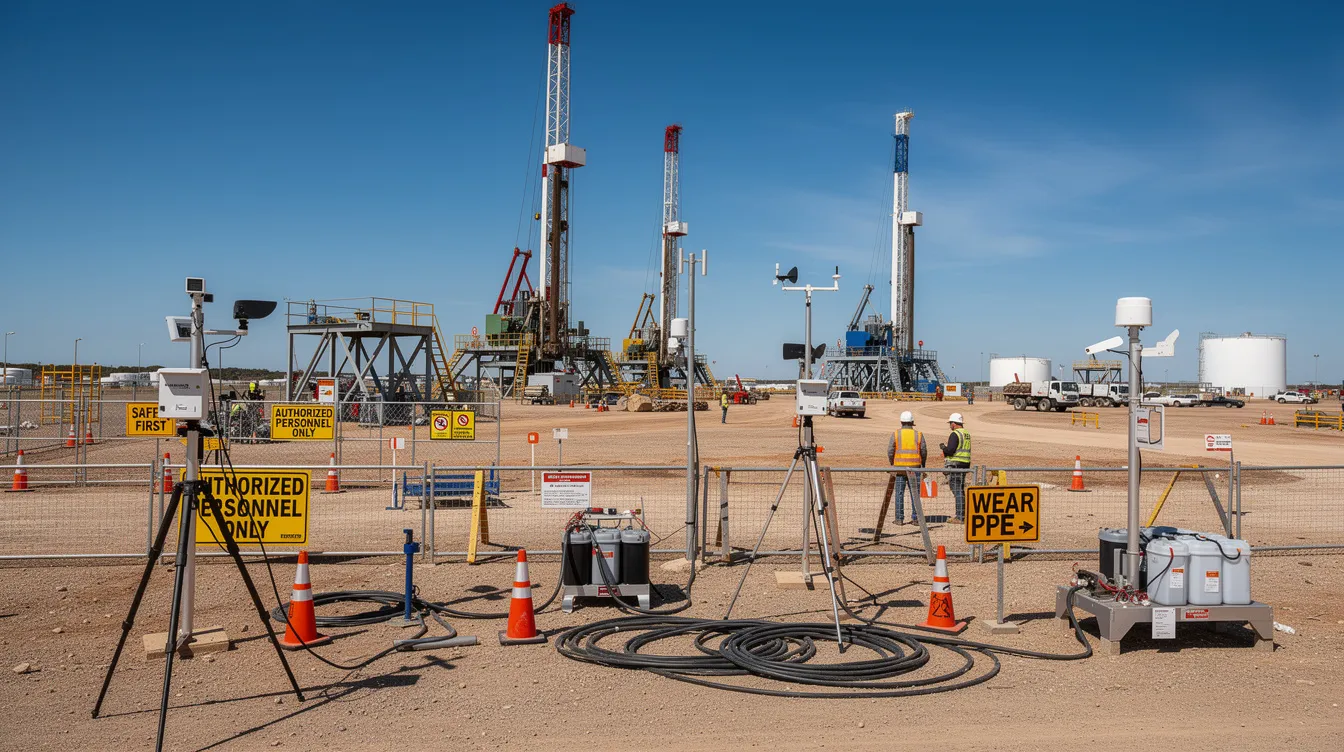
Regulatory, Environmental, and ESG Risk Review
Regulatory and environmental risks are particularly acute in energy and natural resources deals, especially in states with active environmental agencies. Oil and gas companies must comply with EPA regulations, and they must comply with numerous federal regulations beyond the EPA as well.
FERC regulates oil and gas transportation and storage services, making midstream acquisitions subject to additional federal oversight. In May 2026, FERC proposed reforms to its blanket permitting process for natural gas facilities, a development that could impact deal timelines for midstream companies and natural gas pipelines.
Key Regulatory Agencies and Frameworks
-
State oil and gas conservation commissions (e.g., Colorado’s COGCC, Texas Railroad Commission)
-
Pipeline safety regulators, FERC oversight for certain gas pipelines and storage
-
Federal environmental laws: Clean Air Act, Clean Water Act, and the national environmental policy act (NEPA) for projects on federal land
-
Bureau of Ocean Energy Management for offshore oil and gas exploration projects on the Outer Continental Shelf
Environmental Diligence Tasks
-
Reviewing spill history, remediation obligations, and produced water handling practices
-
Evaluating plugging and abandonment requirements and associated bonding obligations, which vary dramatically—Oklahoma’s blanket bond cap sits around $25,000, while some states require six figures per well
-
Assessing surface use agreements, environmental site assessments, and any pending environmental litigation
-
High-profile litigation cases, including spills and explosions, can expose buyers to substantial successor liability
Climate change legislation impacts oil and gas compliance requirements, and environmental compliance includes greenhouse gas emission reductions, including monitoring carbon dioxide and methane emissions. Regulatory compliance includes managing climate change legislation at both state and federal levels.
Environmental compliance is crucial for oil and gas operations, and evolving ESG expectations from lenders and investors may influence deal terms and post-closing operations. INK™ Law’s energy practice monitors regulatory changes—for example, Colorado’s state-imposed remediation rules impacting oil and gas operators—and helps buyers price, allocate, and manage compliance and remediation risks within the purchase and sale agreement.
Financing Structures and Gas Finance Considerations
Most sizeable oil and gas acquisitions require structured financing, and the financing terms must align with both commodity risk and the underlying asset base. Gas finance is not a one-size-fits-all discipline; it requires coordination between acquisition counsel, lenders, and often project finance specialists.
Common Financing Tools for Energy Transactions
-
Reserve-based lending (RBL) facilities—secured by proved reserves, with borrowing base redeterminations
-
Asset-based loans—secured by midstream equipment, pipelines, or processing infrastructure
-
Mezzanine financing and private equity commitments—often used by growth-stage gas companies or independent oil operators building basin positions
-
Seller financing arrangements—promissory notes, earnouts, or deferred consideration
-
Project finance structures—for larger gas projects or infrastructure buildouts requiring non-recourse or limited-recourse capital
Covenants in credit agreements—hedging requirements, leverage ratios, limitations on additional liens, restrictions on asset sales—can materially affect a buyer’s ability to operate and grow the newly acquired oil and natural gas business. Rate cases are litigated for oil and gas pipelines and storage providers, adding another layer of financial complexity.
Coordinating acquisition documents with financing documents is essential. Collateral descriptions, negative covenants, and intercreditor arrangements must not inadvertently restrict oil and gas development plans or future divestitures. INK™ Law’s securities and finance lawyers and corporate finance team support clients by structuring capital raises, negotiating loan terms, and preparing securities disclosures that accurately reflect the acquired energy assets and associated risks.
Risk Allocation: Representations, Warranties, and Indemnities
The purchase and sale agreement is the primary tool for allocating risks uncovered—or not yet uncovered—in legal due diligence for oil and gas asset deals. Effective negotiation of transaction documents is crucial in oil and gas acquisitions, and the representations, warranties, and indemnity provisions are where deal value is often won or lost.
Key Categories of Representations and Warranties
-
Title to oil and gas properties and related assets
-
Authority and organization of the selling entity
-
Contracts, including gas leases, JOAs, and transportation agreements
-
Environmental compliance and regulatory status
-
Pending or threatened litigation, including disputes over royalty claims and class actions
-
Financial statements, production data, and tax matters
Indemnity provisions protect buyers through:
-
Caps (often a percentage of purchase price)
-
Baskets (minimum thresholds before indemnity obligations trigger)
-
Survival periods (how long reps remain enforceable post-closing)
-
Specific indemnities for known risks such as environmental liabilities, title defects in specific fields, or legacy disputes
They ensure compliance with state and federal regulations during transactions by requiring sellers to stand behind their regulatory representations.
Tools like escrows, holdbacks, and representation and warranty (R&W) insurance can reduce closing friction and align interests between energy companies, operators, and investors. R&W insurance is increasingly popular in upstream transactions, though common exclusions include title, environmental defects, and known liabilities.
Currently negotiating or revising a PSA? Call INK™ Law at (720) 307-2627 for a focused review of the draft’s risk allocation terms before they become binding.
Closing the Transaction and Post-Closing Obligations
Closing is not simply a formality. It is a technical process requiring careful coordination of funds, signatures, recorded documents, and regulatory notices across every jurisdiction where the oil and gas assets are located.
Typical Closing Deliverables
-
Executed assignments and bills of sale for each county and state
-
Updated schedules of wells, gas leases, and surface locations
-
Releases or amendments of existing liens and security interests
-
Corporate resolutions, officer certificates, and payoff letters for existing debt
-
Third-party consents and estoppel certificates
Post-Closing Obligations That Frequently Arise
-
Recording conveyance instruments in appropriate counties
-
Filing operator changes with state oil and gas commissions
-
Notifying royalty owners and updating division orders
-
Transitioning contracts for natural gas marketing and transportation
-
Updating gas properties records with midstream counterparties
INK™ Law helps clients manage integration steps such as aligning accounting systems, updating corporate governance documents, addressing legacy disputes, and coordinating with outside general counsel functions when clients operate across multiple states. A well-managed post-closing process reduces disputes, avoids regulatory penalties, and preserves relationships with working interest partners, midstream counterparties, and landowners.
How INK™ Law Integrates Energy, Corporate, and M&A Experience
What distinguishes INK™ Law is the tight integration of its energy attorneys with corporate, M&A, securities, intellectual property, and litigation teams—providing a single coordinated solution for complex oil and gas transactions. Many law firms silo their energy groups away from corporate teams; INK™ Law’s model ensures the firm’s oil and gas team and gas team work alongside transactional attorneys who handle commercial transactions every day.
-
The corporate and business law group supports energy acquisitions through entity structuring, corporate governance, contract drafting and negotiation, and outside general counsel services for growth-stage and mature gas companies
-
The mergers and acquisitions group brings experience with business acquisitions and sales, due diligence, deal structuring, and corporate finance—experience that translates directly to oil and gas asset and company acquisitions
-
The intellectual property and commercial litigation teams assist clients when technology, trade secrets, proprietary data, or legacy disputes are part of the transaction, such as in oilfield service companies or energy technology acquisitions
-
The firm has represented oil and gas operators, represented companies in midstream joint ventures, and advised clients on gas exploration across multiple basins
Holland & Knight and Bracewell are among the national firms known for advising on mergers and acquisitions in oil and gas, with Bracewell bringing over 50 years of experience in oil and gas transactions. Jackson Walker’s energy practice ranked in the 2025 Chambers USA Guide. INK™ Law competes on strategic depth, client responsiveness, and integrated service—qualities that matter most when deals move fast.
Seeking a long-term strategic legal partner rather than a one-off transaction attorney? Contact INK™ Law online to explore an ongoing outside general counsel relationship for your energy practice.
Common Pitfalls in Oil & Gas Asset Acquisitions (and How to Avoid Them)
Even sophisticated buyers can encounter avoidable problems when they move too quickly or rely on generic deal templates not tailored to the oil and gas industry.
Common Pitfalls
-
Underestimating plugging and abandonment obligations—these can run into the hundreds of thousands per well, and many states have strict bonding and financial assurance requirements that differ by jurisdiction
-
Overlooking midstream dedication or minimum volume commitments for natural gas, which can lock a buyer into uneconomic gathering or processing arrangements
-
Missing change-of-control or consent requirements in JOAs, farmouts, or transportation agreements
-
Failing to reconcile production volumes and revenue statements, which can mask decline curves, theft, or accounting irregularities
-
Ignoring litigation risk—litigation includes disputes over royalty claims and class actions, and can also involve gas sales and transportation agreement disputes that tie up cash flow for years. Litigation attorneys handle financial and operational challenges in oil and gas that buyers inherit if not properly addressed in the PSA
Misaligned incentives among minority working interest owners or joint venture participants can create post-closing headaches if AMI and JOA provisions are not carefully reviewed. Failing to coordinate tax, regulatory, and financing counsel can lead to unexpected tax liabilities, delayed approvals, or covenant violations.
The step energy services buyers must take to avoid these problems begins with early engagement of experienced oil and gas asset acquisition lawyers who use targeted due diligence checklists, tailored PSAs, and proactive communications with counterparties and regulators.
When to Involve an Oil & Gas Asset Acquisition Lawyer
Buyers often wait too long to engage counsel, which can lock in unfavorable terms or shorten the window for meaningful diligence on complex gas assets.
Ideal Stages to Involve INK™ Law
-
Initial strategic planning—identifying target basins, deal criteria, and risk tolerance
-
Pre-LOI discussions—reviewing or drafting confidentiality agreements and LOIs
-
Data room review—organizing and analyzing title, contract, environmental, and financial data
-
Negotiation of definitive agreements—drafting and negotiating the PSA, assignments, and ancillary documents
-
Financing negotiations—coordinating loan terms and collateral structures with acquisition documents
-
Closing coordination and post-closing compliance—managing deliverables, filings, and integration across states
Repeat acquirers benefit from a standing relationship with outside general counsel for energy transactions, allowing INK™ Law to develop templates, playbooks, and standardized risk tolerances for faster, more consistent deals. INK™ Law can also step in mid-deal to triage specific oil and gas matters—a disputed title issue, a problematic natural gas gathering agreement, or a lender covenant question—when buyers realize they need specialized gas lawyers partway through the process.
Contemplating a 2026 or 2027 acquisition? Call INK™ Law at (720) 307-2627 for a confidential initial discussion of deal size, timing, and jurisdictional considerations.
Why Energy Companies and Investors Choose INK™ Law
What makes INK™ Law a strong choice for complex energy transactions comes down to strategic thinking, industry focus, and business-first problem solving. The energy sector rewards firms that advise clients with commercial judgment, not just legal checklists.
-
Collaborative and analytically rigorous: INK™ Law builds long-term relationships with energy companies, operators, investors, and developers rather than treating deals as one-off commodity transactions
-
Multi-disciplinary reach: the firm’s energy practice integrates upstream oil and gas, midstream companies, gas producers, noble energy operators, production companies, and energy services providers across its client base
-
Transactional depth: representative deal contexts include acquisitions of multi-state oil and natural gas assets, midstream joint ventures, purchases of energy services companies, and portfolio rationalization deals for institutional investors
-
Jurisdictional range: attorneys are admitted in multiple jurisdictions and accustomed to coordinating with local counsel and regulatory agencies across Colorado, Arizona, Utah, Wyoming, Texas, North Dakota, Oklahoma, and beyond
INK™ Law works with independent oil operators, gas exploration teams, midstream companies, and private equity sponsors who need gas attorneys capable of handling the full lifecycle—from LOI through post-closing integration—without gaps.
Contact INK™ Law by phone at (720) 307-2627 or through the online contact page to see whether the firm is the right fit for your next oil and gas acquisition or broader energy transaction strategy.

Frequently Asked Questions About Oil & Gas Asset Acquisitions
These answers address practical questions that energy buyers and investors commonly raise when planning or executing an acquisition.
How long does due diligence usually take for an oil & gas asset acquisition?
Timelines vary based on deal size and complexity. Many targeted transactions—say, a single-state package of producing wells—close in 45 to 90 days from LOI execution. Larger multi-basin deals or transactions involving natural gas pipelines and processing infrastructure can take four to six months or longer, particularly if regulatory approvals or FERC filings are required. A well-planned diligence process with early data room access can compress timelines without sacrificing quality. Gas exploration projects involving federal land may also trigger national environmental policy act review, which adds time.
Do I need different lawyers in each state where the assets are located?
INK™ Law routinely leads multi-state transactions from its Denver headquarters, coordinating with trusted local counsel as needed for state-specific issues in places like Texas, Oklahoma, North Dakota, Wyoming, Utah, and Arizona. Clients enjoy a single point of contact and unified strategy while still getting jurisdictional depth in each state. Oil and gas law requires fluency in local recording requirements, conservation commission rules, and plugging obligations that differ from one state to the next—and INK™ Law’s oil and gas practice handles that coordination.
What should I have ready before speaking with an oil & gas asset acquisition lawyer?
Gather a description of the target assets, any draft or executed LOI, basic financial and production information, key contracts (such as JOAs and gathering agreements for natural gas), and an outline of your desired closing timeline and financing plan. If you are exploring gas development opportunities or evaluating offshore oil positions, include any relevant regulatory filings or permit histories. The more complete the initial picture, the more precise INK™ Law’s preliminary assessment will be.
Can INK™ Law help if I am already under contract and worried about a specific issue?
Absolutely. INK™ Law can step in mid-transaction to evaluate a pending PSA, advise on a particular risk—a problematic gas transportation agreement, an unexpected environmental liability, or a disputed title defect—and, where possible, negotiate amendments or targeted indemnities before closing. The firm assists clients with oil and gas projects at every stage, not just at the outset.
How do I get started with INK™ Law on a potential oil & gas asset acquisition?
Prospective gas clients can call (720) 307-2627 for a confidential introductory consultation or submit details through the firm’s online contact form. INK™ Law will discuss scope, conflicts, and a proposed engagement structure tailored to the anticipated energy transaction—whether it involves upstream gas properties, midstream infrastructure, or an acquisition of an energy services business.