
Oil and Gas Lease Lawyer: Negotiating the Economic, Operational, and Development Terms That Matter
Negotiating oil and gas leases can feel intimidating, even for experienced operators and mineral estate owners. The stakes are high, the language is dense, and the economics compound over decades. This article breaks down the lease provisions that actually move the needle – and where legal counsel makes the difference between a good deal and a costly one.
Key Takeaways
- INK™ Law, headquartered in Denver and serving Colorado, Texas, Wyoming, North Dakota, Oklahoma, Utah, Arizona, and beyond, helps energy companies, operators, and sophisticated mineral owners negotiate and manage complex oil and gas leases across the nation’s most active basins.
- Lease economics – including bonus payments, royalties, and post production costs – along with development commitments and operational controls are all negotiable. Poorly negotiated gas lease terms can cost millions over the life of a project, and lease terms can often be negotiated for better outcomes when you have the right counsel at the table.
- INK™ Law’s energy and corporate teams routinely structure and negotiate upstream and midstream oil and gas agreements, including oil and gas leases, farmout agreements, joint operating agreements, and asset purchase and sale agreements. Oil and gas leases are complex contracts with many provisions, and experienced attorneys can help maximize bonus payments and royalties in lease negotiations.
- Before signing or amending any oil and gas lease, call INK™ Law at (720) 307-2627 or message us online to discuss your situation.
- This article is designed for operators, investors, and sophisticated mineral and royalty owners seeking to align their natural resources strategy with broader corporate, finance, and M&A objectives.
Why Oil & Gas Lease Terms Matter to Sophisticated Parties
A single oil and gas lease can govern tens or hundreds of millions of dollars in production value over decades in basins like the DJ Basin, Permian, Williston, and Powder River. Understanding lease provisions can significantly impact long-term value for every party involved.
For E&P companies, midstream developers, and private equity-backed energy investors, the lease is the foundational contract that drives field development plans, reserves booking, and project finance. Lease agreements often favor the oil and gas companies without careful negotiation, and that imbalance can quietly erode value for mineral owners and investors alike.
Subtle differences in gas lease terms – royalty calculation language, post production cost allocation, depth severance, pooling and unitization provisions – can shift economics significantly between lessor and lessee. A fraction of a percent in royalty rate, compounded over twenty years of production, can mean millions in redirected cash flow.
INK™ Law approaches leases not as isolated contracts, but as part of an integrated strategy that ties into corporate structure, joint venture agreements, and anticipated M&A or exit events. If your company or investment group is building or acquiring a leasehold position, schedule a strategy call with INK™ Law at (720) 307-2627 to align your leasing program with long-term business goals.
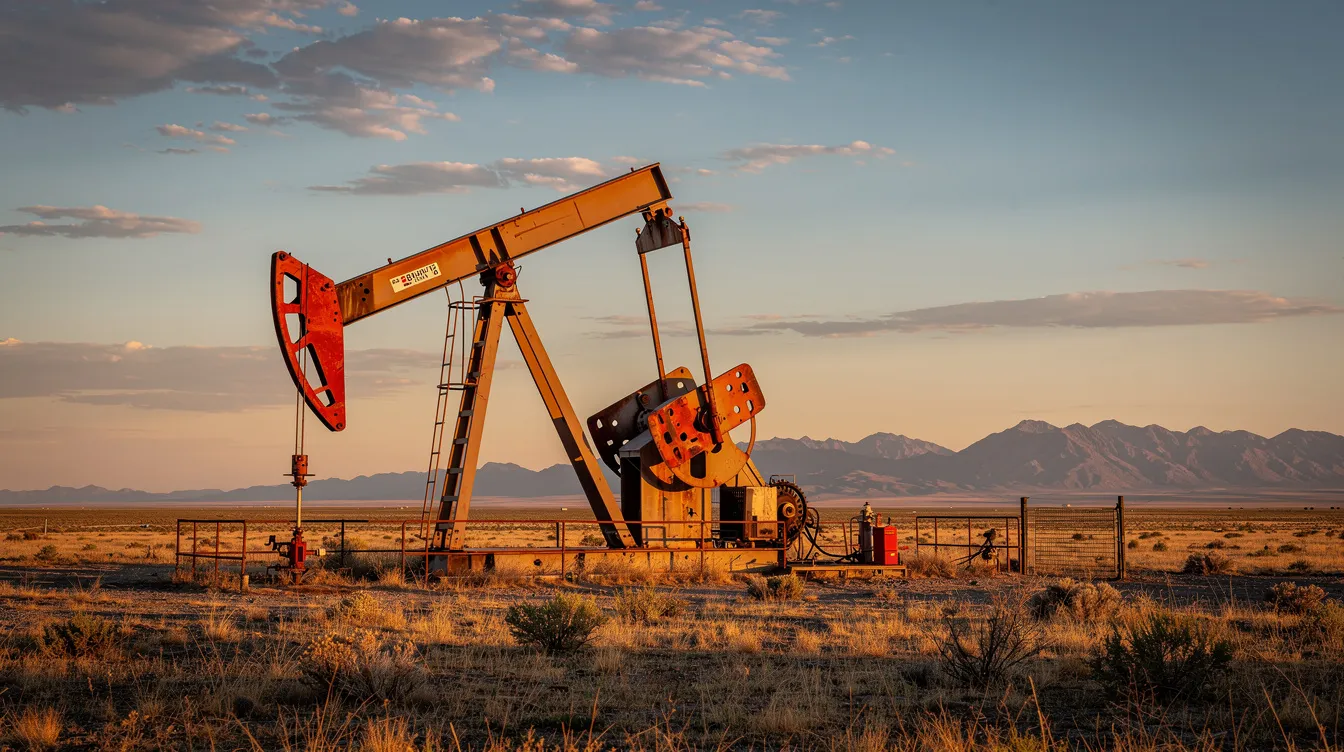
Overview: What Is an Oil and Gas Lease in Modern Practice?
An oil and gas lease is a negotiated contract granting a company the right to explore for and produce oil and gas from a mineral estate, while the mineral ownership typically remains with the lessor. Landowners retain mineral ownership while granting development rights – meaning the lease creates a property interest in the minerals without transferring title.
Modern oil and gas leases typically address:
- Granting of rights – what substances the lessee may explore for and produce
- Primary and secondary terms – the time frame for development and continued operations
- Bonus payments – up-front per-acre consideration paid to the mineral owner
- Royalties – the lessor’s share of production revenue
- Surface and subsurface use – access, pad placement, roads, pipelines, water sourcing
- Pooling and unitization – combining tracts for efficient development
- Development obligations – continuous drilling, retained acreage, and well commitments
- Environmental and ESG commitments – methane controls, produced water, reclamation
Oil and gas leases are complex contracts requiring legal review. An oil and gas lease typically lasts 3 to 5 years in its primary term, though terms of up to 10 years are common in less competitive areas. Modern leases often include environmental protection provisions reflecting evolving regulatory and investor expectations.
The distinction between mineral rights, surface rights, and leasehold interests matters enormously. In split-estate states like Colorado, Wyoming, and North Dakota, the mineral estate is often legally “dominant,” meaning the lessee may access the surface to develop minerals even over the surface estate owner’s objection – though surface use agreements can shape how that access works in practice.
Oil and gas law and gas law are state-specific, with different default rules and implied covenants in Colorado, Oklahoma, Utah, Texas, and other jurisdictions where INK™ Law practices. INK™ Law counsels both sides of sophisticated natural resources transactions – energy companies acquiring leases and mineral owners evaluating whether to lease, sell, or hold their Oil and Gas Rights as a long-term asset.
Key Parties and Interests: Mineral Ownership, Lessees, and Investors
Modern oil and gas leasing frequently involves multiple layers of participants: mineral owners, operators, non-operating working interest owners, royalty buyers, and midstream counterparties. Understanding who holds what interest – and how those interests interact – is foundational to structuring a workable deal.
Mineral ownership is distinct from surface ownership. Under many state laws, the mineral estate is considered “dominant,” giving the mineral estate owner (or their lessee) reasonable rights to use the surface for oil and gas exploration and production. This has real-world implications for access, well pad placement, and coordination with surface owners.
The principal roles in a lease transaction include:
| Party | Role | Economic Interest |
|---|---|---|
| Lessor (mineral owner) | Grants development rights | Bonus, royalties, rentals |
| Lessee (operator/company) | Develops and produces | Working interest revenue minus costs |
| Non-operating WI owner | Shares in costs and revenue | Proportional share of net revenue |
| Royalty buyer | Acquires royalty streams | Purchased royalty payments |
Rights are often fragmented: inherited mineral rights split among multiple heirs, depth-segregated oil and gas interests, and separate ownership of different natural resources beneath the same tract. A lawyer should verify mineral ownership before leasing rights to prevent disputes, and a good oil and gas lawyer needs to understand title opinions and chain-of-title issues to identify these problems early.
INK™ Law assists clients in mapping and cleaning up title, clarifying mineral and leasehold interests, and structuring ownership to support development, farmout transactions, or future divestitures.
Core Economic Terms: Bonus Payments, Royalties, and Lease Rent
Lease economics typically include an upfront bonus payment, an ongoing royalty on production, and sometimes delay rentals or minimum payments. Each of these is heavily negotiated, and together they define the financial relationship between mineral owners and the gas company or operator.
Bonus payments are negotiable based on lease value, geology, and competition for acreage. Current (2024–2026) bonus per acre ranges vary dramatically. In recent federal BLM sales in Wyoming, top parcels in Converse County commanded approximately $4,556 per acre, while less competitive areas attracted bids near the regulatory minimum of $10 per acre. In Colorado, average bonus bids in certain field offices hovered around $75 per acre. Experienced attorneys can help maximize bonus payments and royalties in these negotiations.
Royalties are a share of production revenue. Royalty payments are typically calculated as a percentage of production – commonly 1/8th (12.5%), 1/6th (16.67%), or 1/5th of production, with 3/16 and 1/4 also appearing in competitive basins. Even small rate differences compound into significant sums. Consider:
| Production | Oil Price | Royalty Rate | Daily Royalty | 20-Year Difference |
|---|---|---|---|---|
| 1,000 bbl/day | $70/bbl | 12.5% | $8,750 | – |
| 1,000 bbl/day | $70/bbl | 16.67% | $11,669 | ~$21M more |
Royalty valuation – whether calculated at the wellhead or point of sale, and whether post production costs (gathering, compression, transportation, processing) are deductible – is where many disputes originate and where careful drafting is indispensable.
Delay rentals for federal onshore leases issued after August 2022 now escalate from $3 per acre in years 1–2, to $5 in years 3–8, to $15 thereafter. Wyoming state leases carry rentals of $1 per acre for non-producing land and $2 per acre for producing leases.
Gas lease terms often differ from oil-focused leases in treatment of gathering, compression, treating, and transportation charges – the so-called “netback” deductions that can eat into royalty checks if the lease language permits them.
Have INK™ Law review proposed economic terms before execution by calling (720) 307-2627 or sending documents securely through the firm’s online contact form.
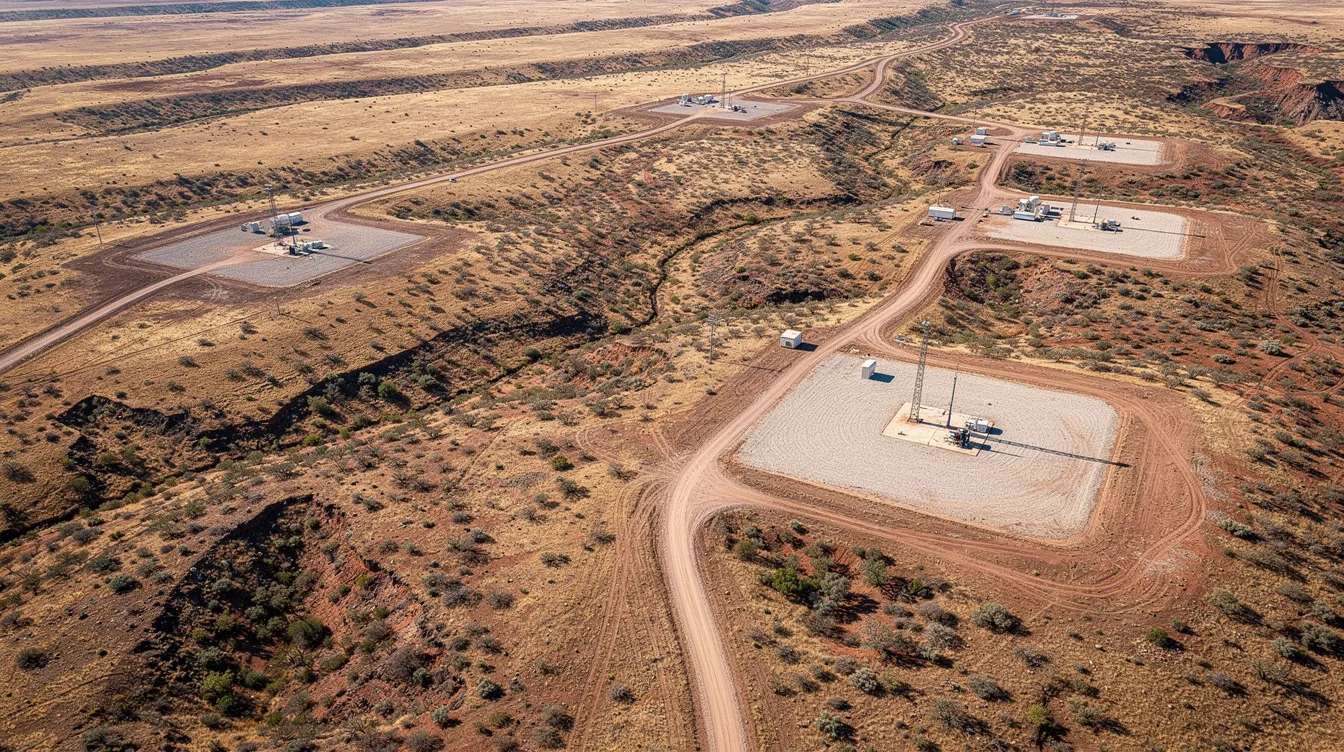
Granting Clause, Habendum Clause, and Development Obligations
These provisions form the structural backbone of an oil and gas lease, defining what is granted, where, and for how long. Reviewing a proposed lease is essential to identify terms that may limit future land use or lock up acreage without meaningful development.
The granting clause defines the scope of the lease: the substances covered (oil, gas, condensate, associated natural resources), the geographic description of the leased land, and whether rights are limited by depth or formation. In horizontal shale plays, depth severance clauses are increasingly common, allowing a mineral estate owner to lease shallow formations to one operator and deeper zones to another.
The habendum clause sets the primary term – often 3 to 10 years – and the secondary term, which typically runs “so long thereafter as oil or gas is produced in paying quantities.” The concept of paying quantities is critical: it means the well must generate revenue exceeding its operating costs. If production drops below this threshold and no savings clause applies, the lease may terminate.
Development-related provisions include:
- Continuous drilling requirements – mandating that the lessee drill successive wells within defined time windows
- Retained acreage clauses – releasing un-drilled acreage back to the mineral owner after the primary term expires
- Depth severance clauses – limiting the lease to specific formations or measured depths
- Performance bonds – most oil and gas leases require a performance bond, protecting the mineral owner against surface damage or abandonment costs
INK™ Law frequently negotiates these terms for energy companies and sophisticated lessors to align with realistic drilling programs, capital availability, and anticipated midstream build-out.
Royalty Provisions, Gas Lease Terms, and Cost Allocation
Small wording changes in royalty and deduction clauses can compound into major value shifts over years of production. This is where a broad range of oil and gas issues surface in lease negotiations.
Common royalty structures include fixed percentage, graduated royalty (increasing with price or production volume), and sliding-scale mechanisms tied to commodity benchmarks. Most leases use a fixed fractional royalty, but more sophisticated deals may incorporate escalation provisions.
Key gas lease terms that drive cost allocation:
- “Marketable condition” – requires the lessee to deliver gas in a form suitable for sale before deducting costs
- “At the well” or “wellhead” – allows royalty calculation before transportation and processing costs
- “Net proceeds” – permits deduction of specified post production costs from the royalty base
In Antero v. Casey (Colorado Supreme Court, 2023), the court emphasized that the duty to market is implied in every Colorado oil and gas lease. Whether gathering, compression, and dehydration costs can be passed through to the royalty owner depends heavily on lease definitions. In Devon Energy Production Co. v. Sheppard (Texas Supreme Court, 2023), the court held that ambiguous lease language on cost deductions should be construed in favor of the royalty owner.
Lease disputes and disputes over royalty payments can arise from unclear terms – and they frequently do. Royalty payments usually begin months after production starts, which means the financial impact of a poorly drafted deduction clause may not become apparent until wells are flowing and the damage is already accumulating. Continuous legal assistance can help address royalty disputes after a lease is signed.
Audit and reporting rights are essential. Mineral owners should negotiate the ability to review division orders, run statements, and underlying sales contracts to verify that royalty payments are correctly calculated. INK™ Law can assist clients in structuring royalty provisions to support financing, securitization, or sale of royalty streams in later corporate finance or M&A transactions.
Surface Use, Subsurface Operations, and ESG-Driven Clauses
Operational clauses govern how operators can use the surface and subsurface, and they increasingly incorporate environmental, social, and governance (ESG) considerations relevant to modern oil and gas development projects.
Typical surface use provisions address:
- Well pad locations, setbacks, and number of wells per pad
- Road and pipeline easements
- Water sourcing, disposal, and produced water management
- Reclamation standards and timelines
- Damage payments to surface owners
Provisions like pooling clauses and surface use agreements are critical in lease negotiations. Surface use agreements separate from the lease can provide additional protections for surface owners and operational clarity for operators.
Subsurface and operational concerns include horizontal drilling across tract boundaries, multi-well pad development, directional drilling coordination, and integration with midstream pipelines and saltwater disposal wells. These operations create compliance obligations that extend well beyond the four corners of the lease.
ESG-oriented provisions that sophisticated parties may negotiate include methane emissions controls, flaring limits, produced water management protocols, and reporting standards consistent with investor or lender expectations. Lawyers must ensure lease agreements comply with state and federal environmental laws – a requirement that has become more complex as regulatory bodies at both levels continue to tighten standards.
INK™ Law’s energy practice also handles related agreements – such as surface use agreements, pipeline easements, and master service agreements – so lease provisions can be harmonized with project-wide documentation.
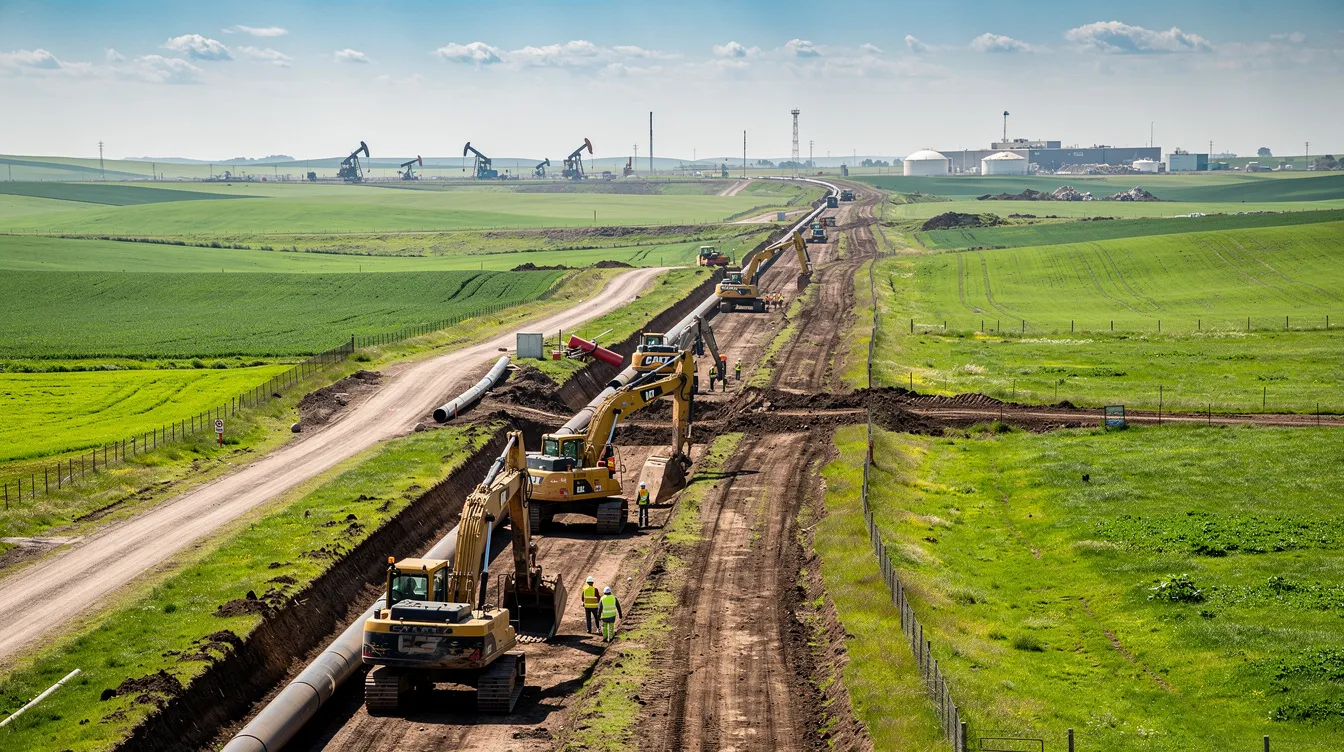
Pooling, Unitization, and Joint Development Structures
Pooling and unitization are mechanisms for combining multiple tracts or oil and gas interests to efficiently develop reservoirs, particularly in horizontal shale plays where a single wellbore may cross several separately owned tracts.
Voluntary pooling clauses grant the lessee the right to pool lease acreage with adjacent tracts to create drilling and spacing units. Statutory pooling – available in states like Colorado, Texas, and Oklahoma – can force pooling under specific criteria when voluntary agreement fails, affecting both consent and compensation. Under Texas Natural Resources Code § 102, unit sizes are typically limited to 160 acres for oil and 640 acres for gas, plus tolerance.
Lease language on maximum unit size, allocation formulas, and consent requirements can materially change an operator’s development flexibility and a lessor’s long-term royalty income. Poorly drafted pooling provisions can dilute a mineral owner’s royalty share or give operators excessive discretion over how gas development units are formed.
INK™ Law regularly advises on related documents such as joint operating agreements and farmout agreements, ensuring that pooling and unitization provisions in leases align with those joint development contracts. The firm’s energy joint venture and midstream energy practices connect directly to these structures.
State-Specific Considerations in Colorado, Texas, and Key Energy States
Oil and gas laws vary dramatically by state and locality, affecting lease negotiations in ways that can surprise even experienced oil and gas attorneys. State laws significantly influence oil and gas leasing terms, from implied covenants to regulatory permitting requirements. INK™ Law focuses on Colorado, Texas, Wyoming, North Dakota, Oklahoma, Utah, Arizona, and neighboring jurisdictions.
Key state-level considerations:
- Colorado: In Crestone Peak Resources v. Boulder County (2023), the Colorado Supreme Court affirmed the “commercial discovery” rule – holding that discovery of wells capable of producing in commercial quantities satisfies the habendum clause, even if production is temporarily shut-in. Post-2020 regulatory shifts affecting drilling permits, setbacks, and remediation obligations have also changed how operators approach lease drafting and surface use in Colorado.
- Texas: Strong statutory pooling under the Mineral Interest Pooling Act. Courts have enforced strict interpretations against operators trying to deduct costs not clearly permitted by lease language. Division orders cannot override express lease terms under Texas Natural Resources Code § 91.504.
- Wyoming: State lease auctions reflect five-year primary terms, royalties at 1/6th or 1/8th, and rentals of $1 per acre for non-producing leases. Bonus bids vary from near-minimum to over $4,500 per acre depending on geology and competition.
- North Dakota & Oklahoma: Forced pooling statutes, Bakken and SCOOP/STACK play dynamics, and state commission orders all introduce variables that require jurisdiction-specific counsel.
Aligning lease terms with state-mandated concepts like paying quantities, shut-in rules, and cessation of production clauses is essential to avoiding unintended lease termination or automatic extensions. Operators and mineral owners active across multiple states should contact INK™ Law at (720) 307-2627 to coordinate a multi-state leasing strategy that accounts for regulatory differences and cross-border corporate structures.
Aligning Leases with Corporate, M&A, and Finance Strategy
For many energy companies, the real value of a leasing program is realized when they raise capital, enter into a joint venture, or sell assets through an M&A transaction. Oil and gas leases often contain hidden clauses favoring energy companies unless scrutinized – and those clauses become material issues in data rooms.
Clean, market-standard, and well-organized oil and gas leases increase asset value in acquisitions, divestitures, and reserve-based lending facilities. Problematic provisions – unanticipated area-of-mutual-interest clauses, broad surface restrictions, ambiguous royalty language – can be flagged in due diligence and directly impact deal price or deal structure.
INK™ Law’s corporate and energy lawyers work together on entity structuring, corporate governance, and securities and finance matters so that lease obligations are properly housed and risks ring-fenced. The firm has significant experience in high-value transactions and can help energy clients position their natural resources portfolio for future sales, recapitalizations, or spin-offs.
Digital Tools, Data Management, and Lease Administration
Effective lease management now relies on digital tools and disciplined internal processes, particularly for operators and investors managing hundreds of gas leases across multiple basins.
Data that should be tracked systematically includes:
- Lease terms and expiration dates (including anniversary date triggers)
- Depth severances and formation-specific restrictions
- Shut-in and continuous drilling deadlines
- Pooling elections and unit designations
- Royalty payment histories and run statement reconciliations
Modern land management software, secure document repositories, and even well-organized spreadsheets for smaller portfolios can prevent the administrative failures that lead to automatic lease termination without compensation. Clear records streamline legal reviews, regulatory compliance, reserve reporting, and readiness for M&A due diligence.
INK™ Law can collaborate with in-house land departments and outside land brokers to design play-specific leasing and administration frameworks that reduce operational and legal risk.
Tax and Accounting Considerations for Lease Bonuses and Royalties
INK™ Law does not provide tax advice but works closely with clients’ tax and accounting advisors to structure deals with tax implications in mind.
Key tax concepts at a high level:
- Lease bonus payments are generally treated as ordinary income to the mineral owner in the year received
- Royalty income is reported as production revenue and may be subject to depletion deductions under U.S. federal tax law
- Different interest types – working interests, royalty interests, and overriding royalty interests – are treated differently for both tax and liability purposes
- State severance and ad valorem taxes vary by jurisdiction and can affect net economics
Coordinating lease negotiations with broader tax planning is especially important where mineral rights are held in entities, trusts, or family partnerships across multiple states. Engage both legal and tax professionals before executing major leasing programs or monetizing royalty streams, and contact INK™ Law at (720) 307-2627 to discuss the legal side of these strategies.

INK™ Law’s Role: Strategic Oil & Gas Lease Counsel for Businesses
INK™ Law provides strategic, business-oriented oil and gas lease counsel to energy companies, operators, investors, and sophisticated mineral owners across the United States. Oil and gas lease lawyers specialize in legal frameworks governing mineral rights and extraction agreements, and hiring a specialized oil and gas attorney is critical for navigating mineral rights in today’s market.
Representative services include:
- Drafting and negotiating oil and gas leases and gas leases
- Reviewing and revising form leases from operators or landmen
- Advising on mineral rights acquisitions and divestitures
- Coordinating leases with joint operating agreements, farmout agreements, and midstream contracts
- Supporting energy M&A transactions and reserve-based lending
The firm is headquartered in Denver with focus markets across Colorado, Texas, Wyoming, North Dakota, Oklahoma, Utah, and Arizona, as well as broad experience with upstream, midstream, and renewables-adjacent projects.
INK™ Law’s approach emphasizes clear explanation of complex lease and oil and gas law concepts, risk mapping for executives and boards, and alignment with client capital plans, private equity mandates, and long-term exit strategies. Legal advice is crucial before signing an oil and gas lease, and lawyers represent clients in court or through arbitration for breaches of lease agreements when disputes arise.
Call INK™ Law at (720) 307-2627 or message the team online to schedule a consultation about current or proposed leases.
Next Steps: How to Move Forward with Confidence
If you’re an executive, land manager, or sophisticated mineral owner facing tight response deadlines or a complex lease packet, know that you don’t have to navigate this alone. Negotiating lease terms effectively can help preserve landowner rights and income – and negotiating lease terms can protect landowners’ rights long-term when done with the right counsel.
A clear process for moving forward:
- Gather all existing lease documents – current leases, amendments, correspondence, and any pending offers
- Identify key business objectives – cash now versus long-term royalty value, drilling control preferences, ESG constraints, tax considerations
- Prioritize – determine which tracts or offers need immediate legal review versus longer-term strategic planning
- Engage counsel early – get legal advice during the leasing process, including review of pending offers before signing, renewing, or amending any oil and gas lease, so material changes can still be negotiated and common pitfalls avoided
Legal counsel can help protect rights during negotiations. INK™ Law can serve as outside general counsel for energy companies, managing ongoing leasing programs, contract negotiations, and related corporate oil and gas matters as an integrated legal partner that brings creative solutions to complex deals.
Ready to move forward? Contact INK™ Law at (720) 307-2627 or submit a brief description of your matter via the firm’s online contact page for a prompt follow-up.
Frequently Asked Questions About Oil & Gas Leases
How long does a typical oil and gas lease last, and can the term be negotiated?
Many modern leases have a primary term ranging from 3 to 10 years depending on the basin, competition for acreage, and market conditions. The secondary term continues “so long as” oil or gas is produced in paying quantities. Primary term length, extension options, and continuous drilling requirements are all negotiable and should be calibrated to the operator’s realistic drilling schedule and capital plan. INK™ Law regularly negotiates customized term provisions and savings clauses to balance lessor and lessee interests and reduce the risk of unintended lease expiration.
What happens if the operator never drills a well on my leased minerals?
If no well is drilled and no other savings clause applies, the lease typically expires at the end of the primary term, and the mineral owner generally keeps any up-front bonus payment already received. Some oil and gas leases include paid-up structures, delay rentals, or extension options that can alter this outcome – underscoring the importance of reading every provision. Have proposed primary term and drilling obligation language reviewed by INK™ Law before signing, especially on higher-value tracts or large mineral portfolios.
Can different companies lease different depths or resources under the same land?
Yes. Depth severance and severed estates allow one company to hold an oil and gas lease on shallow formations while another holds a lease or other mineral interest in deeper formations or different natural resources. This is increasingly common in basins with stacked pay zones – like the DJ Basin’s Niobrara and Codell formations, or the Utica Shale play in the Appalachian Basin. Careful drafting is needed to describe depth limits, formations, and retained gas rights precisely to avoid overlap and conflict between different lessees. INK™ Law assists clients in evaluating and structuring depth-segregated leases as part of both day-to-day land operations and larger asset acquisition or divestiture transactions.
When should an energy company or mineral owner involve an oil and gas lease lawyer?
Counsel should be involved before signing, renewing, or significantly amending any oil and gas lease – and ideally at the planning stage of a leasing campaign or mineral marketing process. Key triggers include receiving a new or unfamiliar lease form, planning to sell a package of leases or mineral rights, negotiating ESG-heavy surface terms, or preparing for an M&A transaction involving significant leasehold assets. A transparent fee structure is important when hiring an oil and gas attorney, so ask about billing arrangements up front. Contact INK™ Law at (720) 307-2627 or via the firm’s online contact form for a discussion tailored to your specific oil and gas matters.
Does INK™ Law represent both companies and individual mineral owners in lease matters?
INK™ Law primarily focuses on corporate and transactional work for energy companies, operators, investors, and sophisticated mineral and royalty owners, including family offices and closely held businesses. The firm’s broad experience on both sides of transactions – representing acquirers, sellers, and lessors – provides a nuanced understanding of market terms and negotiation leverage. Prospective clients across Colorado, Texas, Wyoming, North Dakota, Oklahoma, Utah, Arizona, and other states can reach INK™ Law at (720) 307-2627 to explore a potential engagement related to oil and gas leases or broader energy transactions.