
Oil and Gas Water Rights Lawyer: Structuring Produced Water, Disposal, Infrastructure, and Water-Rights Transactions
Water is essential for oil and gas exploration and hydraulic fracturing. Every drilling program, disposal facility, and midstream infrastructure project runs through a set of water-related legal questions that can accelerate or stall operations. This article breaks down how those questions work, what the law requires, and where INK™ Law fits.
Key Takeaways
- INK™ Law helps energy companies, operators, and investors structure produced water, disposal, reuse, and water-rights deals across Colorado, Texas, Wyoming, North Dakota, Oklahoma, Utah, Arizona, and beyond.
- Oil and gas water rights work now sits at the intersection of energy law, water law, environmental regulation (including the Clean Water Act and the Endangered Species Act), and complex corporate transactions.
- INK™ Law structures and negotiates water supply agreements, gas leases, midstream and water midstream contracts, infrastructure joint ventures, and mineral rights transactions to align legal risk with commercial strategy.
- Contract drafting around groundwater issues, produced water ownership, allocation of environmental liability, and interface with federal agencies such as the U.S. Army Corps of Engineers can materially change project economics.
- Call INK™ Law at (720) 307-2627 or message us online for a confidential consultation about current or planned oil and gas water-rights transactions.
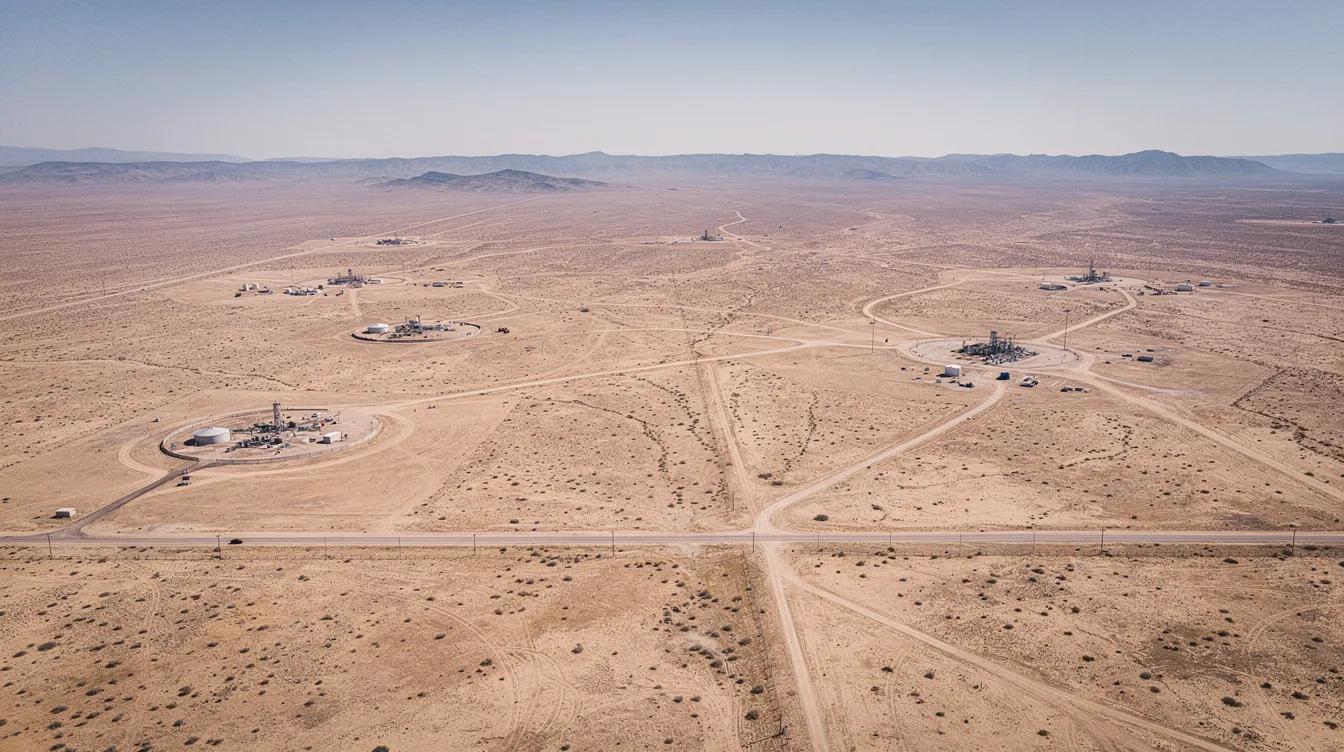
INK™ Law’s Role in Oil & Gas Water Rights and Produced Water Transactions
This section answers a direct question: what does INK™ Law actually do for oil and gas water-rights clients?
INK™ Law is a Denver-headquartered business and energy law firm. The firm represents operators, midstream and water midstream companies, private equity sponsors, and project developers across the Rocky Mountain region, Permian Basin, and other major U.S. energy markets. The oil and gas team handles transactions for gas companies, upstream producers, and infrastructure investors, working alongside water attorneys and gas lawyers when water-related legal work must be integrated into broader deal flow. The firm brings extensive experience and a deep understanding of water-rights issues tied to oil and gas transactions.
Key services include:
- Structuring and negotiating produced water sale and disposal agreements
- Drafting water supply and offtake contracts for drilling and completion programs
- Aligning gas leases, mineral rights, and surface-use agreements with water development plans
- Coordinating with oil and gas attorneys on integrated project documentation
- Performing water-rights due diligence in acquisitions and divestitures
The firm focuses on sophisticated commercial work rather than individual landowner disputes. If you are an operator, investor, or developer with a water-related deal on the table, call (720) 307-26277) or reach out through INK™ Law’s online contact form.
Understanding Water Rights in the Context of Oil & Gas Development
Water law is overwhelmingly state-specific. Water rights and mineral laws change by state, and the allocation system governing who can extract, use, and transfer water varies across every jurisdiction where INK™ Law’s clients operate. Clients also face complex water issues and evolving regulatory requirements that vary by state.
Water permitting regulations vary for surface water and groundwater. In Colorado, prior appropriation controls surface water rights, and groundwater is often subject to designated basin regulation. Texas applies the rule of capture to groundwater, meaning Texas landowners own groundwater under their property and may pump it, subject to restrictions from local groundwater conservation districts. Wyoming uses prior appropriation with permitting and priority-date constraints. Oklahoma and North Dakota each follow their own frameworks, blending statutory and common-law rules.
High-volume hydraulic fracturing involves significant water usage, sometimes millions of gallons per well. That makes water supply the gating item for drilling and completion schedules in many basins. Surface water rights in Texas are subject to complex regulations that differ from the state’s groundwater regime. Understanding these distinctions before signing a lease or starting a program is non-negotiable.
How mineral rights, gas leases, and surface-use agreements intersect with water rights matters at every stage. Owning minerals does not automatically mean controlling access to groundwater or surface ponds needed for drilling operations. During project due diligence or M&A transactions, confirming water-rights title, priority dates, permitted uses (industrial, oil and gas, municipal), and transferability prevents costly surprises.
INK™ Law performs water-rights due diligence for energy M&A, farmout arrangements, and asset acquisitions, reviewing both water and mineral assets in a single integrated workstream to help identify legal issues before acquisition or development decisions are made.
Produced Water: Ownership, Reuse, and Disposal Strategy
Produced water is fluid brought to the surface during oil and gas production. It can include formation water, injected water, flowback, and downhole chemicals. As of 2026, produced water has become both a strategic asset and a potential liability, depending on how ownership, treatment, and disposal are structured.
The Texas Supreme Court clarified ownership of produced water in 2025 in Cactus Water Services, LLC v. COG Operating, LLC, ruling that the mineral estate owner controls produced water unless a contract reserves it to the surface owner. The Texas Supreme Court ruled produced water belongs to the mineral lessee. This decision shifted investment incentives toward mineral owners and their designees. In Oklahoma, the Oil and Gas Produced Water and Waste Recycling and Reuse Act (2025) codified that operators and nonoperators own produced water and may sell, use, or convey it after extraction, unless a binding contract states otherwise.
Operations need to manage produced water and its environmental impacts. Common arrangements include:
- Saltwater disposal (SWD) agreements: contracts governing injection into disposal wells, with specified volumes, injection pressures, and liability allocation
- Produced water purchase and sale contracts: operators sell treated produced water for reuse in frac operations or other industrial applications
- Capacity commitments: long-term throughput or take-or-pay commitments to water midstream infrastructure developers
Produced water management requires knowledge of legal withdrawal and disposal regulations. Clear contractual drafting allocates responsibility for treatment, transportation, and injection-well operations, including indemnities for groundwater contamination and subsurface trespass claims.
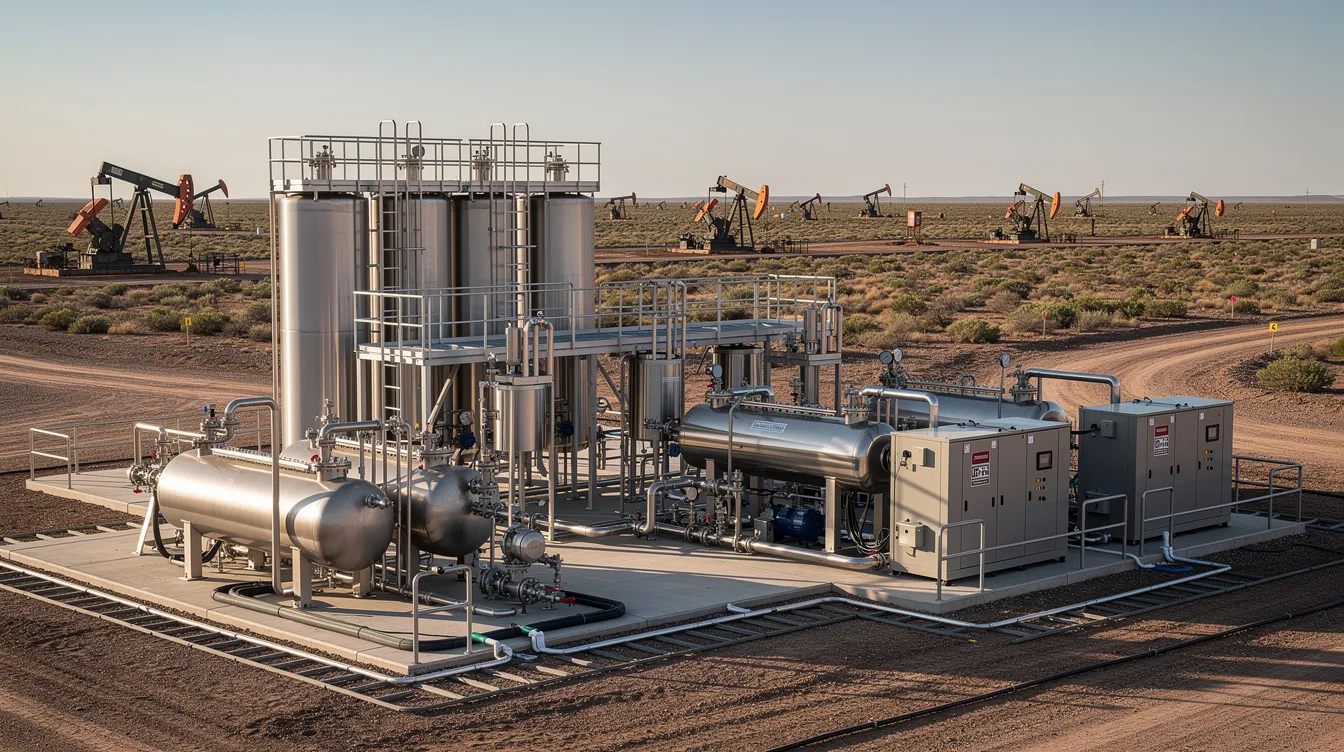
INK™ Law structures long-term produced water and SWD agreements to balance capital investment, regulatory risk, and operational flexibility. Call (720) 307-2627 for counsel on current or planned produced water projects.
Groundwater Issues and Interaction with Surface Owners
Groundwater is increasingly contentious. Drought conditions, seismicity concerns tied to injection wells, and expanding groundwater conservation regimes across Western states have raised the stakes for operators and surface owners alike. Water rights issues often arise during drought conditions in Texas, where competition for finite aquifer resources intensifies.
Groundwater rights regimes differ sharply:
| State | Doctrine | Key Feature |
|---|---|---|
| Colorado | Prior appropriation / designated basins | Priority date determines allocation; some basins have separate groundwater management |
| Texas | Rule of capture | Texas law allows landowners to own groundwater beneath their property; groundwater conservation districts regulate groundwater production |
| Oklahoma | Statutory / contractual | Operator owns produced water; groundwater access governed by lease and permit |
| North Dakota | Regulatory practice | Ownership follows operator contracts; permitting via state engineer |
Texas law regulates groundwater production through conservation districts, which can impose spacing, production limits, and monitoring requirements. Some projects also intersect with water districts in states that use more formal groundwater-management structures. Attorneys represent clients in groundwater matters before conservation districts, including contested permit applications and enforcement proceedings.
Conflicts between operators and surface owners over groundwater extraction for drilling, frac jobs, or disposal wells are common. Gas leases and surface-use agreements can mitigate those disputes by defining water-use rights, compensation mechanisms, and well-setback distances. Without those provisions, litigation follows.
Groundwater contamination allegations, whether from migration out of unlined pits, leaks from produced water gathering lines, or injection-induced movement, create serious liability exposure. Proactive monitoring programs and contractual allocation of risk between operators, contractors, and surface owners reduce the chance of protracted disputes related to groundwater issues.
INK™ Law advises energy clients on permitting strategies, coordination with local groundwater districts where applicable, and dispute resolution strategies that minimize disruption to operations, including counsel on the sustainable groundwater management act, representation involving groundwater sustainability agencies, and work related to groundwater sustainability plans where those regimes apply.
Surface Water, Infrastructure, and the U.S. Army Corps of Engineers
Every intake structure, impoundment, frac pond, and pipeline river crossing needed to supply and manage water for drilling and production involves a set of surface water considerations.
Federal jurisdiction under the Clean Water Act is triggered for discharges, dredge-and-fill activities, and construction in Waters of the United States (WOTUS). The legal scope of WOTUS has narrowed following the Supreme Court’s decision in Sackett v. EPA (2023) and subsequent rulemaking by the Environmental Protection Agency (EPA) and the Army Corps. As of September 2026, supplemental proposed rulemaking to redefine WOTUS remains underway. Recent Supreme Court disputes involving San Francisco have also shaped how Clean Water Act permitting limits are analyzed.
Projects involving wetlands or navigable waters may require permits from the Army Corps of Engineers (Section 404, Nationwide Permits) and sometimes state water quality certifications. Practical examples include:
- Constructing a produced water pipeline beneath a creek bed
- Building a lined impoundment within a mapped floodplain
- Expanding a disposal facility adjacent to jurisdictional wetlands
Each triggers a different permitting pathway. Lead times for individual Corps permits often exceed twelve months, and missing that window can delay an entire drilling program.
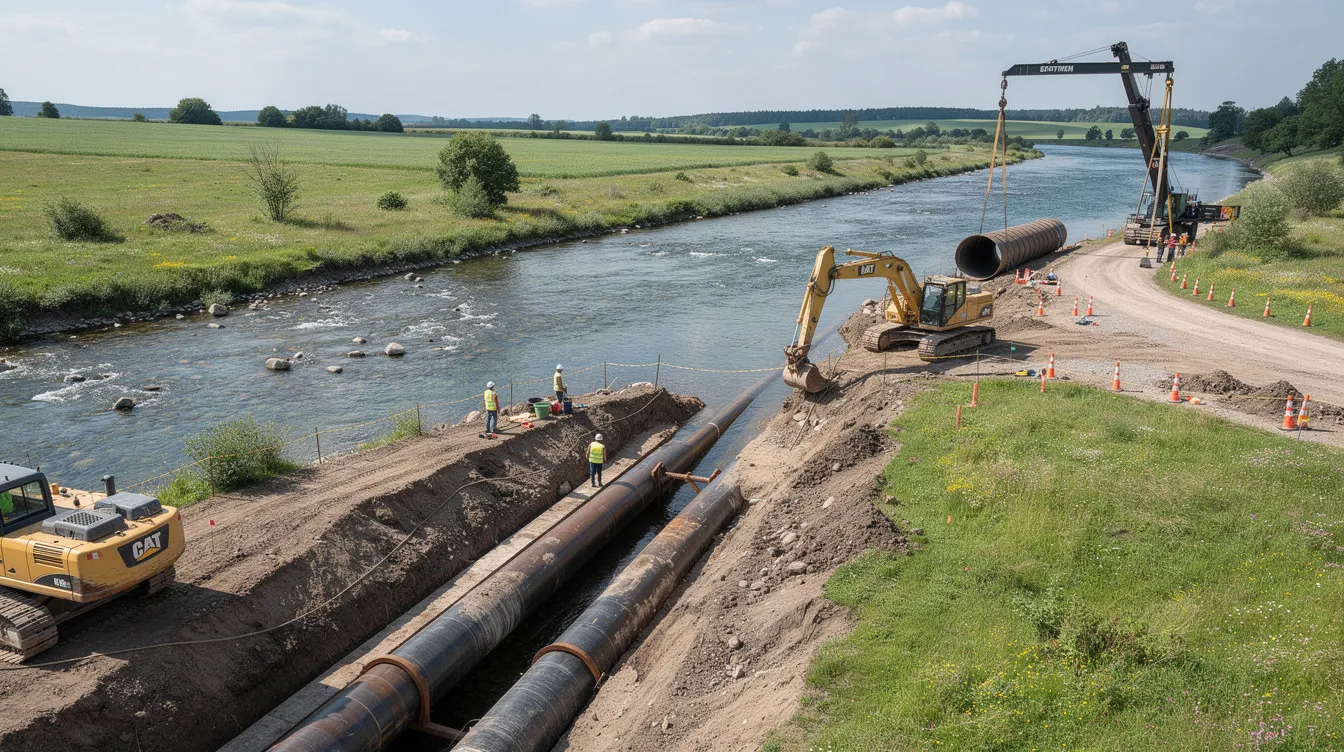
INK™ Law helps clients evaluate when Corps engagement is necessary, structures project documents to anticipate permitting timelines, and aligns construction contracts with regulatory milestones.
Regulatory Compliance: Clean Water Act, Endangered Species Act, and Related Regimes
Sophisticated oil and gas water projects must be designed around federal and state environmental regimes from the outset, not reviewed as an afterthought. Water rights lawyers address regulatory permitting and compliance issues at every phase.
The Clean Water Act governs wastewater and stormwater discharges. Key issues for operators include:
- NPDES permits for discharges of produced water or treated effluent
- Stormwater management at well pads, tank batteries, and processing facilities
- SPCC plans for facilities storing oil in quantities that could reach navigable waters
- Effluent limitations under 40 CFR Part 435 for oil and gas extraction wastewater
Section 316(b) rules address cooling water intake structures at power generation and industrial facilities, which can intersect with energy projects co-located with water infrastructure. Water quality permits are required for various discharges under state law, and permitting compliance is required under the Clean Water Act. The Texas Supreme Court has issued decisions that limit EPA’s wastewater permitting authority in certain contexts, adding another layer of jurisdictional complexity.
The Endangered Species Act and protections for endangered species can impact water withdrawals, infrastructure siting, flow regimes, and consultation requirements for federal permits. Where a proposed pipeline or water intake may affect listed species or critical habitat, the U.S. Fish and Wildlife Service must be consulted. Timing and scope of ESA review can extend project schedules by months. Some projects also require review under the National Environmental Policy Act when federal permits, approvals, or federal lands are involved, and California matters may also require coordination with the California Department of Fish & Wildlife on streambed or habitat-related permitting.
State-level analogs layer on additional constraints. Colorado and Texas each maintain water quality standards and state endangered species or wildlife protections that can limit surface water or groundwater use for oil and gas development.
INK™ Law works with technical consultants and environmental specialists to map regulatory risk into transaction documents, using change-in-law provisions, environmental indemnities, and performance standards tied to permit conditions.
Structuring Water-Rights and Water-Supply Transactions for Energy Projects
Water supply for energy projects is often structured through long-term purchase agreements, joint development of wells or infrastructure, or leasing of existing water rights tied to ranches, farms, or municipalities. Depending on the project location and service area constraints, supply may also come through municipal utility districts rather than only private sources. In some areas, projects must instead work with special utility districts based on existing service boundaries. Water utilities in Texas operate under Certificates of Convenience and Necessity, which can affect availability of supply for industrial users. Water supply corporations in some areas control allocation, and their rules shape what operators can access.
Typical transaction structures include:
- Dedicated water supply agreements with volume commitments
- Take-or-pay capacity deals for pipeline or treatment infrastructure
- Short-term industrial water leases for specific drilling programs
- Assignments or subleases of existing water rights for oil and gas use
Commercial issues that require careful drafting: price indexing (to WTI, Henry Hub, or CPI), volume commitments, curtailment rights during drought, and priority of supply among multiple gas clients and industrial users. Attorneys assist in the negotiation of water supply contracts for oil and gas operations, and lawyers help draft and review water supply agreements and contracts that account for these variables.
Title and due diligence concerns are front and center. Verifying chain of title to water rights, confirming permitted uses include industrial and oil and gas, and checking for existing encumbrances or competing claims is baseline work. Water rights issues often arise during drought conditions, making supply reliability a core contractual concern.
INK™ Law integrates water-rights analysis into broader corporate and M&A work, ensuring water assets are properly valued and risk-adjusted in purchase and sale agreements and joint venture documentation.
Joint Ventures, Midstream, and Water Midstream Infrastructure
Water midstream companies and joint ventures that own and operate produced water gathering, treatment, recycling, and disposal systems have grown rapidly across basins like the Permian and DJ. These businesses require governance, commercial, and regulatory frameworks that differ from traditional gas midstream in several respects.
Joint venture structures align upstream operators, midstream companies, and private equity sponsors around large-scale water infrastructure: pipelines, recycling plants, and SWD networks. Key governance and commercial considerations include:
- JV operating committees and decision-making thresholds
- Capital call mechanics and cost allocation
- Tariff setting and rate adjustments over time
- Dedication areas and acreage commitments
- Capacity reservation rights for anchor tenants
Energy joint ventures and midstream agreements must dovetail with gas leases, mineral rights, and water-rights documentation. Conflicting dedications, where an operator has committed the same acreage’s water volumes to two different midstream or water midstream providers, create disputes that are expensive to resolve.
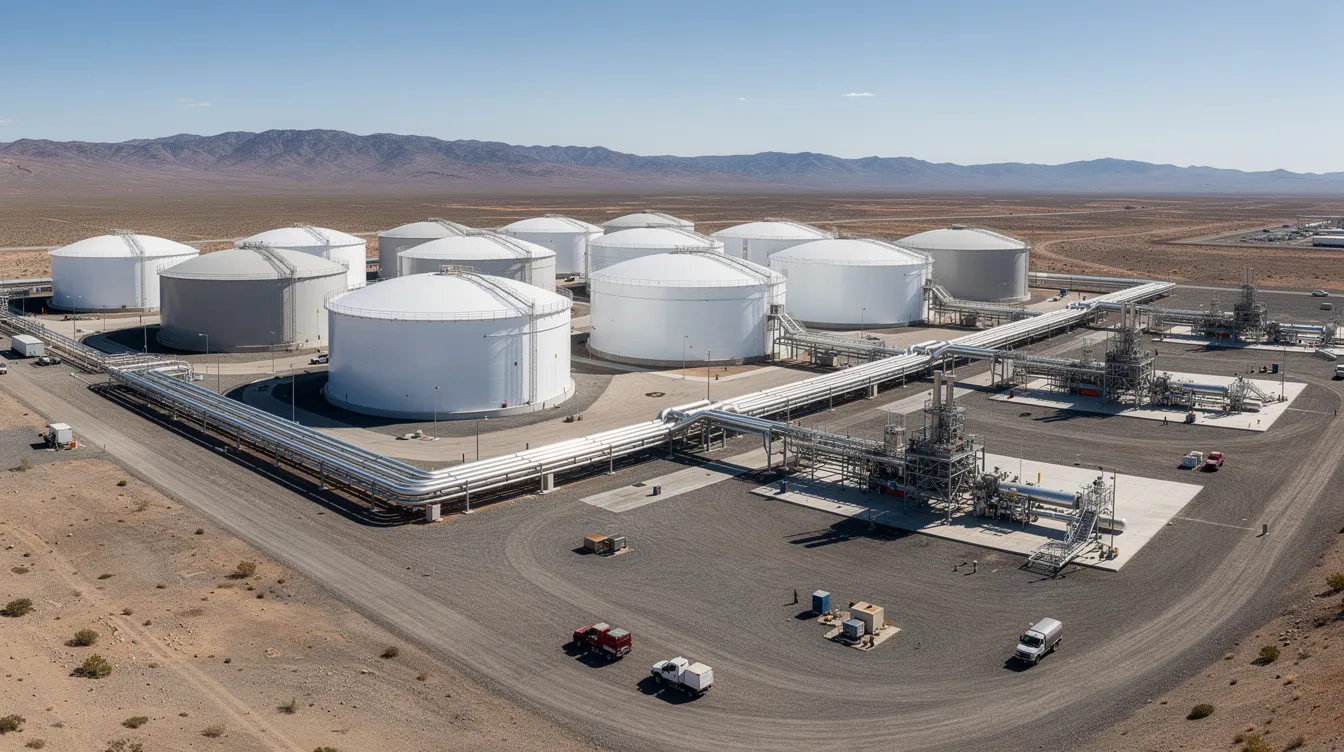
INK™ Law drafts and negotiates joint venture agreements, development agreements, and long-term service contracts for water and midstream infrastructure. Contact the firm online or by calling (720) 307-2627 to discuss your next project.
Contract Drafting for Gas Leases, Mineral Rights, and Surface Use
Many groundwater and produced water disputes, as well as surface damage conflicts, trace back to vague or incomplete language in gas leases and related agreements. Legal representation is crucial for navigating complex oil and gas agreements, and small wording choices at the lease-drafting stage can control outcomes years later.
Lease provisions that affect water include:
- Rights to use surface water or groundwater for operations
- Restoration and reclamation obligations after drilling
- Water well setbacks and protections for domestic or agricultural wells
- Compensation mechanisms for water use or impairment
Addenda and surface-use agreements can clarify produced water handling, infrastructure routes (pipelines, roads, electrical lines), and disposal locations. These documents reduce friction with landowners and regulators by putting expectations in writing before operations begin.
In acquisitions, INK™ Law reviews existing leases and mineral rights to identify water-related risks: restrictive surface-use language, historical water contamination allegations, or missing consents for water infrastructure. A lease that silently reserves all water rights to the surface owner, for instance, can block an operator from recycling produced water on-site without renegotiating.
Lawyers help draft and review water supply agreements and contracts in conjunction with gas leases to ensure consistency across the full document set. The interplay between mineral owners, surface owners, operators, and midstream providers demands precision.
Integrating Corporate, Finance, and Securities Considerations
Water-rights and produced water projects often involve capital commitments large enough to require third-party investors and structured financing. Water infrastructure and disposal projects may be financed through private equity-backed portfolio companies, project-level debt, or securitizations tied to long-term capacity or throughput commitments.
Aligning water contracts with loan covenants, financial reporting obligations, and securities law considerations is essential. Offerings to investors require accurate disclosure of regulatory and environmental risks, including potential liabilities from the Clean Water Act, state environmental law, and groundwater issues.
INK™ Law’s broader experience in corporate law, mergers and acquisitions, and securities and finance matters includes closing billions of dollars in deals across industries, with particular depth in energy and midstream. Early involvement of transactional counsel who understand both energy law and corporate finance prevents conflicts between water contracts, oil and gas industry operations, and financing documents.
Risk Management, Litigation Exposure, and Dispute Resolution
Even well-structured transactions carry litigation risk. Groundwater contamination allegations, induced seismicity from disposal wells, and alleged violations of environmental permits generate multi-party disputes that can last years.
Common dispute themes include:
- Royalty disputes linked to produced water handling and revenue allocation
- Surface-owner complaints about water use, contamination, or surface damage
- Enforcement actions under the Clean Water Act or state environmental statutes
- Endangered Species Act challenges to infrastructure siting or water withdrawals
- Disputes related to administrative hearings and agency decisions on permits
Dispute resolution may involve representing clients in permit protests and proceedings before state court, administrative proceedings, and public agencies. Lawyers assist clients with environmental cleanup responsibilities in oil and gas operations, including allocating remediation costs among responsible parties.
Careful allocation of liability and indemnities in contracts with contractors, water midstream providers, and joint venture partners reduces exposure. INK™ Law’s commercial litigation team handles contract disputes, environmental enforcement actions, and business tort claims tied to oil and gas water operations.
If you face an active or threatened dispute, contact INK™ Law via the online form or call (720) 307-26277) to evaluate litigation strategy alongside contract and regulatory options.
Due Diligence for Acquisitions and Divestitures Involving Water Assets
Buyers and sellers of oil and gas, midstream, and water midstream assets must treat water rights and water infrastructure as core components of deal value. Lawyers perform due diligence on water rights for oil and gas projects as a standard part of any acquisition or divestiture.
Key diligence tasks:
| Category | Items to Review |
|---|---|
| Water rights | Chain of title, priority dates, permitted uses, transferability |
| Disposal infrastructure | Injection well permits, volumes, pressures, compliance history, seismicity data |
| Environmental | Clean Water Act compliance, state water quality permits, legacy contamination, unlined pits, past spills |
| Gas leases & mineral rights | Water-related encumbrances, dedications to midstream providers, change-of-control restrictions |
| Contracts | Water supply agreements, SWD agreements, take-or-pay obligations, assignment provisions |
Evaluating gas leases and mineral rights for water-related dedications to other midstream or water midstream providers, and identifying change-of-control restrictions that affect water supply agreements, prevents post-closing disputes.
INK™ Law’s M&A and energy teams coordinate to integrate water diligence findings into purchase price adjustments, indemnity caps and baskets, closing conditions, and post-closing integration plans.
Call (720) 307-2627 early in the deal process to scope water and environmental review, rather than treating it as an afterthought.
How INK™ Law Partners with Energy Companies, Operators, and Investors
INK™ Law serves as an outside general counsel-style partner for energy companies that need ongoing help with water, oil and gas, and corporate issues. The firm works with in-house counsel, business development teams, engineers, and project managers to identify water-related constraints and opportunities at the concept stage.
Capabilities span oil and gas, natural gas, renewables, and emerging energy technologies, including integrating water-rights planning into carbon capture, enhanced oil recovery, and energy transition projects. Gas exploration in water-constrained basins requires planning that starts before the first permit application.
INK™ Law maintains a presence in markets including Denver, Houston, Phoenix, Salt Lake City, San Antonio, and Los Angeles, handling matters throughout Colorado, Texas, Wyoming, North Dakota, Oklahoma, Utah, and Arizona. The firm advises clients on a broad range of oil and gas issues, regulatory matters, and gas development strategy.
Energy executives and investors looking for a longer-term advisory relationship can reach the firm through this page or by calling (720) 307-2627.
When Should You Bring in an Oil & Gas Water Rights Lawyer?
This section is practical guidance on timing, aimed at executives, project managers, and in-house gas attorneys deciding when to involve outside counsel.
Concrete trigger events:
- Planning a new drilling program in a water-constrained basin
- Negotiating a large water supply or produced water deal
- Developing a new SWD facility or pipeline requiring BLM or state permitting
- Acquiring midstream or water assets in a transaction
- Facing counterparties proposing aggressive indemnity or dedication language
Early-warning signs include regulatory agencies signaling concern about groundwater or endangered species, internal debates about who “owns” produced water under existing gas leases, and litigation threats from surface owners or mineral owners.
A water rights attorney must understand local jurisdictional water laws and regulations. Water rights lawyers must possess technical competence and access to relevant experts in hydrology, environmental science, and engineering. Legal representation is essential for securing water rights in Texas and other Western states where supply is limited and competition is growing.
Benefits of early involvement: more favorable contract terms, smoother permitting, better integration with financing, and reduced chance of litigation or project delays.
Schedule a preliminary strategy call with INK™ Law’s energy team via the online contact portal or by phoning (720) 307-2627.
Frequently Asked Questions: Oil & Gas Water Rights and Produced Water Deals
The following FAQ addresses common questions not fully covered above. Answers are directed at executives and in-house counsel rather than lay consumers.
Who typically owns produced water under a gas lease or mineral rights arrangement?
Ownership is primarily a contract question. Many gas leases and joint operating agreements specify whether the operator, working-interest owners, or a third-party water midstream provider owns produced water once it is brought to the surface or delivered to a facility. State law influences this analysis. In Texas, the 2025 Cactus Water decision places ownership with the mineral lessee absent a contractual reservation. In Oklahoma, statute assigns ownership to the operator. Operators should not assume consistent treatment across Colorado, Texas, North Dakota, and other jurisdictions; a lease-by-lease review is usually required.
Can produced water be reused for drilling or other industrial purposes?
In many basins, operators and gas companies are increasingly recycling produced water for frac operations or selling it for other industrial uses. Reuse is subject to water quality, regulatory, and contractual constraints. Reuse arrangements require careful drafting around treatment standards, liability for contaminants, and compliance with the Clean Water Act and state analogs. Utah’s 2024 amendments, for instance, permit nonconsumptive use of produced water (such as injection or recovery) without certain consumptive-use permits but require state engineer approval for agricultural or industrial consumptive uses.
How do endangered species concerns affect oil and gas water projects?
Where water withdrawals, pipelines, or disposal infrastructure may affect listed species or critical habitat, federal agencies must consider those impacts under the Endangered Species Act during permitting and consultation processes. The U.S. Fish and Wildlife Service reviews may be required for projects needing Corps permits or crossing federal lands. Timing and scope of ESA review can add months to project schedules, so early identification of potential endangered species issues is critical.
What should we look for when acquiring assets with existing disposal wells or water infrastructure?
Buyers should review permits, injection volumes and pressures, compliance history, seismicity data, and any open or threatened enforcement actions. Legacy groundwater issues, unlined pits, or past spills can represent contingent liabilities that must be accounted for in price and indemnity structures. Commercial terms of existing water and disposal contracts, including remaining term, take-or-pay obligations, and assignment restrictions, also affect deal value.
Does INK™ Law represent individual landowners in water disputes with gas companies?
INK™ Law’s oil and gas water practice is focused on representing businesses: energy companies, operators, investors, and developers in complex transactional and commercial litigation matters. The firm does assist clients in administrative hearings and special districts proceedings when those matters relate to commercial energy projects. This can include work for or against special districts on governance-related matters, including election laws, when tied to those projects. In circumstances that fall outside the firm’s core focus, INK™ Law may recommend other counsel to ensure prospective clients receive the right type of representation.
For additional questions, contact INK™ Law at (720) 307-2627 or through the firm’s secure contact form.