
Pipeline Easement Lawyer: Legal Strategy for Energy Infrastructure Development and Expansion
Pipeline easements form the legal foundation of every midstream project. Without clear, well-structured rights of way, pipeline construction stalls, financing falters, and asset values drop. This page outlines how INK™ Law helps energy companies, operators, and investors plan, acquire, and defend pipeline easements across Colorado, Texas, Wyoming, Oklahoma, North Dakota, Utah, Arizona, and beyond.
Key Takeaways
- INK™ Law structures, negotiates, and defends pipeline easements and rights of way for midstream operators, natural gas and oil companies, and developers of CO₂, hydrogen, and renewable gas infrastructure across multiple states.
- Engaging a pipeline easement lawyer before issuing offers, LOIs, or open seasons reduces project risk and cost; the decisions made in the first 90 days of route planning shape easement economics for decades.
- Pipeline easement agreements affect property indefinitely, and initial offers for easements are often negotiable; experienced attorneys can help negotiate pipeline easements that protect both operator access and long-term asset value.
- The firm integrates easement strategy with corporate structuring, M&A due diligence, project finance, and regulatory compliance, connecting its midstream energy practice and energy company corporate counsel services into a single engagement model.
- Call INK™ Law at (720) 307-2627 or message us online for a free consultation on your pipeline easement and right-of-way needs.
Pipeline Easements in the Modern Energy Landscape
Growing Demand for Pipeline Easements
Between 2020 and 2026, the expansion of oil and gas gathering systems, CO₂ sequestration pipelines, hydrogen blending infrastructure, and renewables interconnection has increased demand for new pipelines and associated rights of way across the Mountain West, Texas, and the Southern Plains. Each of these projects requires a clear chain of land rights before a single trench is dug.
Importance of Easements in Midstream Infrastructure
Pipeline easements and rights of way are the legal backbone of midstream infrastructure. They determine route certainty, construction timelines, operating risk, and long-term asset value. A pipeline company that acquires poorly structured easements faces renegotiation costs, title defects, and reduced exit multiples when selling or financing the system.
Strategic Legal Counsel for Easement Acquisition
This page is written for project developers, operators, and investors who need strategic legal counsel to plan, acquire, and defend easements at fair market cost. The goal is to minimize conflict, maximize certainty, and avoid litigation wherever possible; when condemnation is necessary, it should be clean, defensible, and targeted. INK™ Law’s Strategic Energy practice treats pipeline easement work as part of a full-lifecycle energy strategy, not an isolated land transaction.
What Is a Pipeline Easement or Right-of-Way?
Types of Easements
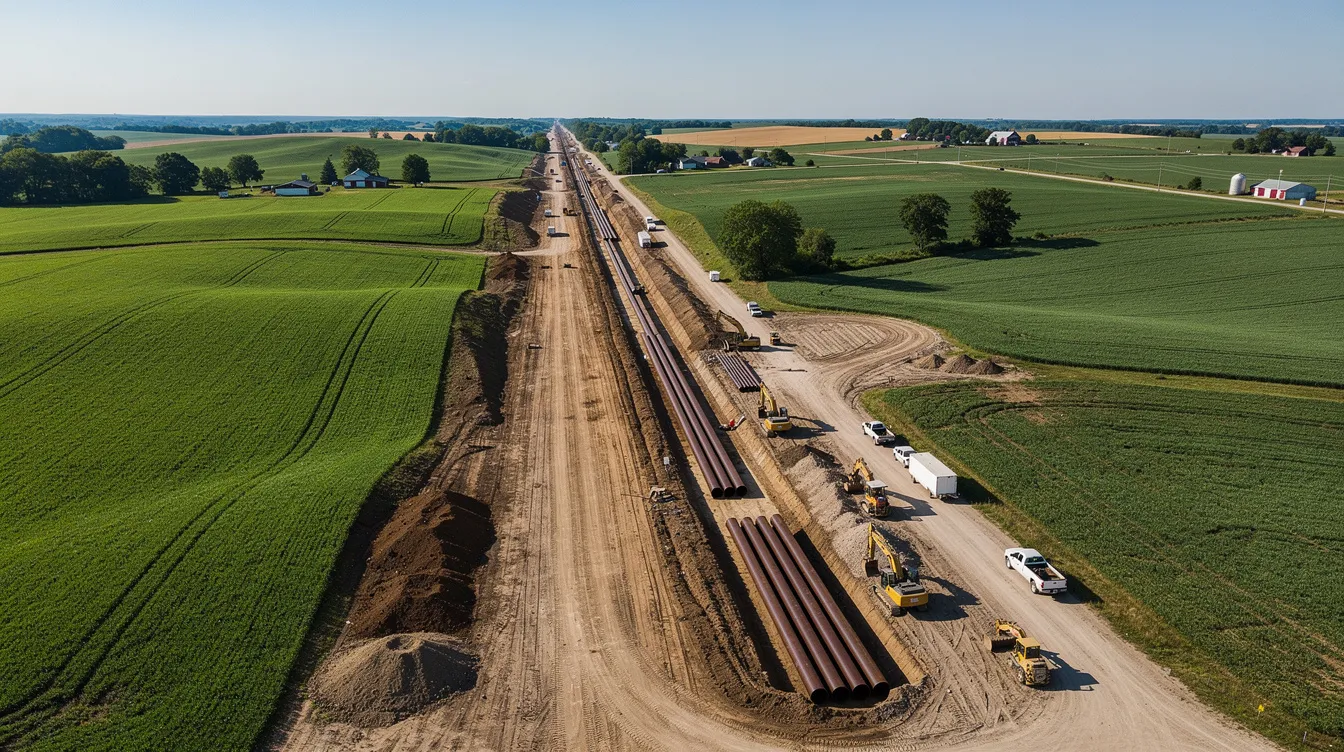
A pipeline easement agreement is a limited real property interest that also governs certain legal rights tied to pipeline construction and operation. It grants the pipeline company the legal right to construct, operate, inspect, maintain, repair, replace, and sometimes expand pipelines across land owned by someone else. The underlying fee ownership remains with the property owner. FERC defines a right-of-way as a defined strip of land where the operator holds rights to build and run the pipeline; such rights may be acquired by ownership or easement.
Three categories of easement instruments appear in most pipeline projects:
- Permanent easements covering the pipeline corridor for the operational life of the system
- Temporary construction easements granting workspace rights during the build phase, typically valued as a rental
- Surface use agreements addressing access roads, staging areas, and ancillary facilities
Easement Agreement Terms
Easement width, depth, and corridor configuration are core commercial terms. They must account for safety codes (such as PHMSA depth-of-cover and setback requirements), operational envelopes, and future looping or upsizing. Pipeline easements can impose long-term restrictions affecting future property owners, including prohibitions on structures, deep-rooted plantings, and other surface improvements within the corridor.
Rights of way also frequently involve co-located assets: fiber optic lines, power cables, access roads, valve stations, and pig launcher/receiver sites. Each must be addressed in the easement agreement. Poorly drafted easements depress asset value in future M&A deals, complicate title diligence, and increase financing costs.
Common Commercial and Legal Risks in Pipeline Easement Deals
Key Risk Categories and Business Impacts
For energy companies and midstream operators, the primary risk categories in pipeline easement acquisition include:
| Risk Category | Business Impact |
|---|---|
| Route uncertainty | Delayed construction, increased right-of-way costs |
| Landowner opposition | Public relations damage, condemnation proceedings |
| Inconsistent easement language | Title defects across system, M&A complications |
| Environmental concerns | Permit delays, remediation liability |
| Valuation disputes | Over-payment or litigation exposure |
| Missing future-use provisions | Inability to expand without renegotiation |
Standardization and Diligence Challenges
Failing to standardize easement agreements and exhibits (maps, legal descriptions, construction specifications) across counties and states creates operational headaches during later expansions or divestitures. When a buyer or lender reviews a system and finds 14 different easement forms across three states, the diligence timeline extends and the purchase price drops.
Eminent Domain and Condemnation Risks
From the company side, eminent domain and condemnation authority carry reputational and timing costs. Landowners can challenge a pipeline company’s right to condemn property if the company lacks eminent domain authority or cannot demonstrate necessity. Contested condemnation proceedings in a single county can stall an entire project segment. Negotiation is the preferred strategy in almost every case.
Federal and State Law Complexities
For interstate gas pipelines and proposed pipeline routes crossing state lines, harmonizing state-specific easement and right-of-way laws with federal frameworks like the Natural Gas Act adds another layer of complexity. CO₂ pipeline projects face particular uncertainty; the Congressional Research Service has noted that developers in several states confront unresolved questions about whether state eminent domain statutes apply to carbon capture infrastructure.
INK™ Law identifies these risks early, structures easement acquisition programs around them, and integrates mitigation into corporate governance and project documentation.
Designing a System-Wide Easement Acquisition Strategy
Building Blocks of a Successful Strategy
Sophisticated operators approach easement acquisition as a system-level program, not a series of one-off transactions. The building blocks include:
- Standardized form easements customized per state and county, incorporating all required commercial, legal, environmental, and safety terms
- Playbooks that define negotiable and non-negotiable terms, internal authority levels, and escalation triggers
- Sequenced execution that moves from route selection to obtain survey rights, then through option agreements to final easement grants
Early Engagement and Alignment
Early engagement with key landowners and local permitting authorities builds goodwill and reduces the chance of organized opposition. Companies should align easement strategy with engineering and constructability studies so that workspace needs, access roads, and staging yards are reflected in legal descriptions from day one.
Land Agent Support and Training
Land agents and brokers handle the front-line negotiation on many projects. INK™ Law trains and supports these teams with template documents, negotiation playbooks, and escalation protocols for complex tracts. When land management teams operate from consistent guidance, the resulting easements are cleaner, faster, and more defensible.
If you are planning a new pipeline or expanding an existing system, schedule a strategy session with INK™ Law at (720) 307-2627 or via the online contact form before sending first offers to landowners.

Key Business Terms in Pipeline Easement Agreements
Easement Agreement Terms
While every project is different, pipeline easement agreements share a core set of commercial and legal terms that affect lifecycle costs. Operators should have counsel review their forms before they sign a pipeline easement agreement or related access document. Landowners can negotiate easement terms with pipeline companies; operators should anticipate this and build their forms accordingly.
Width and Corridor
- Easement width must accommodate the pipeline, safety buffers, and potential future lines.
- Centerline descriptions pin the easement to a fixed location; corridor descriptions give the operator flexibility but cost more in negotiation.
- The easement limits land use and may restrict structures and deep-rooted plants within the corridor.
Number and Size of Pipelines
- A “one pipeline” clause limits the operator to a single line in the corridor.
- If the operator anticipates future expansion, negotiating multiple-line rights up front is far cheaper than re-acquiring rights later.
- Example: In a 2024 gas pipeline right-of-way negotiation in Weld County, Colorado, an operator that secured product flexibility and two-line options during initial easement grants avoided an estimated seven-figure re-papering cost when it added a second gathering lateral 18 months later.
Product Types
- The agreement should specify permitted commodities: oil, natural gas, NGLs, CO₂, hydrogen, produced water.
- As energy-transition infrastructure grows, operators who lock in product flexibility protect their future options.
Above-Ground Installations
- Valve sites, metering stations, pig launcher/receiver pads, and communications equipment all need express easement coverage.
- Missing these creates disputes.
Surface Use Rights
- Access roads, temporary workspace, stockpiling, and restrictions on landowner activities (buildings, ponds, trees near the pipeline) must balance operational safety with commercially reasonable limitations.
- Landowners have rights to limit pipeline company access to their property, and drafting precise easement language can limit the scope of pipeline operations and company access.
- Include indemnification clauses that protect landowners from pipeline liabilities and specify restoration obligations after construction in the agreement.
Assignment and Transfer
- Easements must be transferable in asset or equity M&A transactions, pledgeable as collateral, and divisible by lateral or segment for drop-downs and joint ventures.
Landowner Negotiation Points
Landowners can negotiate easement terms with pipeline companies. Operators should anticipate this and build their forms accordingly, including:
- Restoration standards and obligations
- Indemnification clauses
- Limitations on surface use
- Compensation for damages
Valuation, Fair Market Value, and Compensation Structures
Determining Fair Market Value
Fair market value for a pipeline easement is grounded in a straightforward principle: what a willing buyer would pay a willing seller in an arm’s-length transaction. Fair market value is based on the land’s highest and best use, not its current use alone. Pipeline companies must pay just and adequate compensation for easements, whether acquired by negotiation or condemnation.
Compensation Structures
How compensation packages are built:
- Lump-sum payments at signing, covering the permanent easement
- Staged payments tied to milestones: survey access, construction start, in-service date
- Temporary workspace payments based on rental value for the construction period
- Compensation for temporary construction easements is based on rental value, as confirmed in Mountain Valley Pipeline, LLC v. 8.37 Acres of Land (4th Cir. 2024), where the court valued permanent easements as a 30% reduction in residual land value and temporary easements via market rental rates
Easement compensation may also include payments for temporary workspace and property damages. Landowners should evaluate compensation for the reduced market value of their property due to the easement. Remainder damages can devalue the remaining property; in the Mountain Valley case, the before-and-after method yielded a 30% diminution for permanent corridors.
The Texas A&M Real Estate Center’s valuation framework provides per-rod minimums by pipeline diameter:
| Pipeline Diameter | Minimum Compensation per Rod |
|---|---|
| Under 6 inches | $28/rod |
| 6-inch to 12-inch | $48/rod |
| 12-inch to 24-inch | $72/rod |
| 24-inch and larger | $120/rod or more |
These are floor rates, negotiable upward based on location, soil type, and property use.
Legal counsel can help secure fair compensation for easements by modeling easement economics alongside overall project finance. INK™ Law’s energy finance practice integrates this analysis into the broader capital structure.
Eminent Domain, Condemnation, and Regulatory Authority
Scope of Eminent Domain Power
Many pipeline companies possess the power of eminent domain for land acquisition if negotiations fail. The scope of that power depends on the type of pipeline, the jurisdiction, and the applicable statute.
- Interstate natural gas pipelines operating under NGA §7 certificates issued by FERC can invoke federal eminent domain authority after demonstrating an inability to acquire rights voluntarily.
- Intrastate and common-carrier pipelines rely on state statutes; in Texas, for example, Section 2.105 of the Business Organizations Code grants condemnation authority to common-carrier pipelines transporting oil or liquefied minerals, as confirmed in Hlavinka v. HSC Pipeline Partnership LLC (2020).
- Private or gathering lines may have limited or no condemnation power, depending on state law.
Documentation and Legal Requirements
From the company’s perspective, documenting public use, necessity, and route reasonableness matters even if most easements are acquired voluntarily. In Colorado, courts require pipeline companies to demonstrate that the proposed route is the “most direct practicable” and that existing utility rights of way were considered, per Sinclair Transportation Co. v. Sandberg/Larson (2009). Building this record from the outset protects the company if condemnation becomes necessary for holdout tracts.
Legal representation is crucial for navigating eminent domain claims. Landowners can challenge a company’s right to condemn, and a poorly documented condemnation proceeding can delay an entire project. Federal rights-of-way on public lands are subject to 30 USC §185, which limits corridor width to 50 feet plus the ground occupied by the pipeline and related facilities unless wider area is justified.
Strategic Condemnation Approach
Strategic condemnation of isolated holdout tracts, while maintaining constructive relationships with the broader landowner community, is the standard approach for experienced pipeline operators. Contact INK™ Law at (720) 307-2627 for a confidential strategy call on potential eminent domain issues related to your project.
Environmental and ESG Considerations in Easement Planning
Environmental Risks and Indemnification
Environmental concerns and ESG expectations have become central to pipeline easement negotiations, particularly around wetlands, streams, wildlife habitat, and community impacts. Landowners may face liability and environmental risks from pipeline operations on their property, and indemnification clauses in the easement agreement allocate those risks between operator and landowner.
Coordination with Environmental Consultants
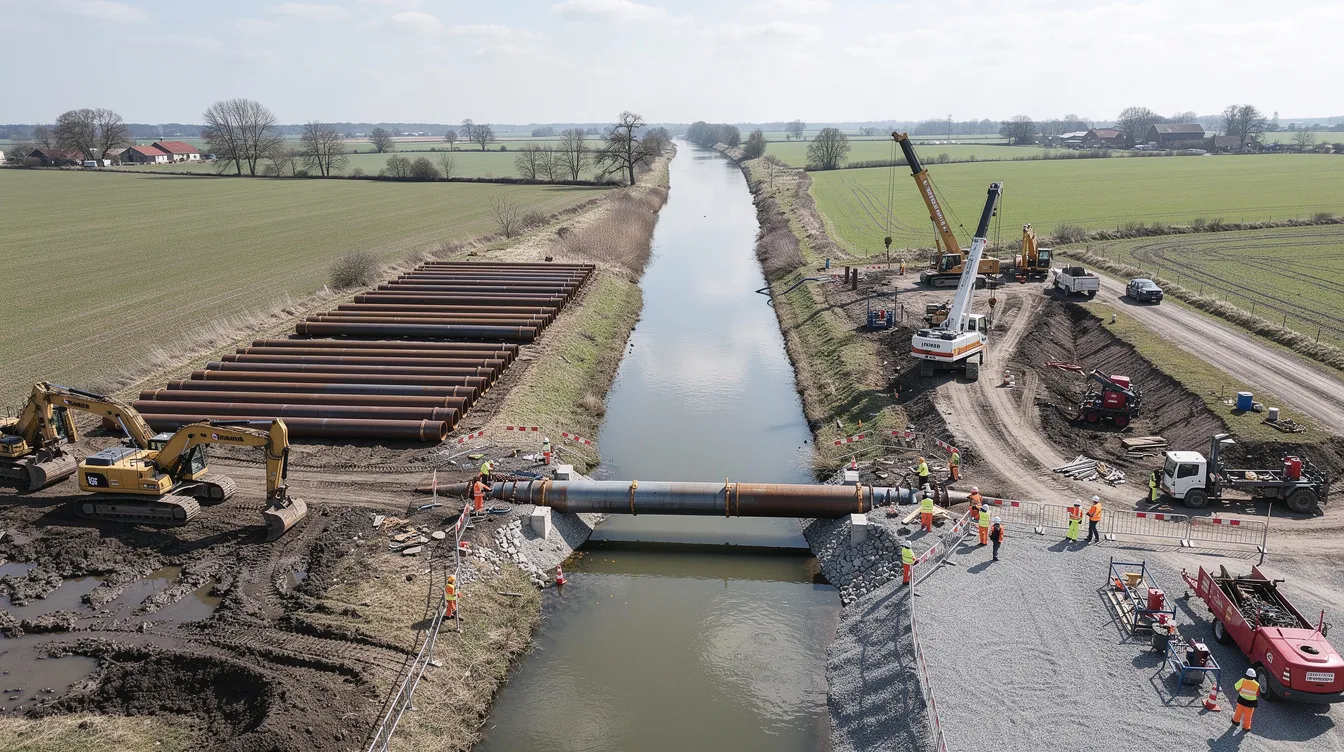
Coordination with environmental consultants on routing options, mitigation plans, and construction methods directly affects easement terms. For example, horizontal directional drilling (HDD) at river crossings requires different workspace and access provisions than open-cut methods. These choices should be reflected in easement exhibits and legal descriptions from the start.
Remediation and Regulatory Shifts
Environmental indemnities and allocation of remediation responsibilities must dovetail with environmental permits and mitigation banking arrangements. INK™ Law has written on related topics, including Colorado’s state-imposed remediation plan and its impact on oil companies, illustrating how regulatory shifts affect operator obligations.
Energy-Transition Infrastructure Considerations
Energy-transition infrastructure, including CO₂ sequestration pipelines and hydrogen blending lines, carries unique risk profiles and public perceptions. These pipeline projects warrant bespoke easement terms rather than recycled crude oil or natural gas precedents.
Integrating Easements with Corporate, M&A, and Financing Structures
Easements as Core Project Assets
Pipeline easements are core project assets. They must align with the sponsor’s corporate structure, joint venture arrangements, and debt and equity financing documents. Title examinations can reveal existing easements affecting marketability and development of property, making early title work a prerequisite for any acquisition or financing.
Diligence and Transferability
In asset vs. equity deals, easements are diligenced for completeness, consistency, and transferability. Common problems include missing consents, improperly described tracts, and easements that do not cover all operating assets of a system. Buyers and lenders expect clear title to easements, consistent terms across the system, and documented regulatory compliance.
Typical lender requirements include:
- Title policies covering key easements
- Cure periods for identified encumbrances
- Representations and warranties related to rights of way in credit agreements and purchase agreements
Case Study: Tax-Efficient Drop-Down
In one recent engagement, careful easement structuring during 2023-2024 allowed a midstream sponsor to execute a tax-efficient drop-down of a gathering system into an MLP structure without re-papering over 200 rights of way. The original easement forms had been drafted with assignment, pledging, and segregation provisions that anticipated exactly this type of transaction.
INK™ Law’s corporate law practice and energy M&A services work alongside its easement team to support clients across the full transaction lifecycle.
Project Development, Construction, and Operations: Getting the Details Right
Aligning Easement Language with Operations
Easement agreements are only as effective as the construction and operations practices they are built around. Misalignment between easement language and what actually happens on the ground creates disputes, delays, and claims.
Easement language should coordinate with EPC/EPCM contracts, construction management plans, and operations manuals. Documented damages during construction should be negotiated for compensation up front, and landowners can require restoration of their land post-construction. Specify restoration standards, topsoil replacement depths, and timelines in the easement itself.
Recurring Issues That Drive Conflict
Common recurring issues include:
- Road use, dust control, and drainage disruption
- Crop damage and livestock impacts during construction
- Timing restrictions tied to planting and harvest seasons
- Trench safety and workspace boundaries
Easement agreements generally provide pipeline companies with rights of access for maintenance and emergency repairs over the life of the system. Ongoing operational rights, including inspection, integrity digs, cathodic protection surveys, and future replacement projects, should be framed to balance long-term access with community relations. Easement agreements can dictate land use for decades; clear language prevents disputes as personnel, ownership, and conditions change.
INK™ Law works with clients’ operations and land management teams to update easement forms as systems age and regulatory expectations evolve.
Disputes, Litigation Readiness, and Regulatory Challenges
Preparing for Disputes
Even well-structured easement programs face disputes: land damage claims, alleged overburdening of easements, encroachment by third parties, and regulatory challenges to route approvals or condemnation authority. Landowners should seek legal counsel for pipeline disputes, and operators should prepare for these situations from the outset.
Litigation Readiness and Documentation
INK™ Law’s commercial litigation team prepares projects for dispute readiness by maintaining clean records of negotiations, appraisals, environmental reviews, and construction practices. These records must withstand scrutiny in court.
Common Dispute Scenarios
Common dispute scenarios include:
- Landowner lawsuits over easement scope or alleged violations of construction terms
- Attempts to block pipeline replacements or expansions not covered by original easement language
- Challenges to eminent domain authority, particularly for CO₂ and hydrogen lines
- Conflicts between overlapping utility corridors where multiple operators share adjacent or intersecting rights of way
Alternative dispute resolution, including mediation and arbitration clauses in easement-related agreements, can limit project disruption while still protecting company interests.
If your company is facing an active or threatened pipeline easement dispute, contact INK™ Law’s litigation team at (720) 307-2627 or via secure online message for a rapid assessment.
How INK™ Law Supports Pipeline and Midstream Clients
Integrated Legal Services
INK™ Law provides integrated energy and corporate legal services for upstream, midstream, and energy-transition projects across the Mountain West, Texas, and key U.S. markets. The law firm represents clients ranging from single-system gathering operators to institutional investors acquiring multi-state pipeline portfolios, with extensive experience in pipeline easements, right-of-way matters, and related midstream projects.
Pipeline Easement and Right-of-Way Services
For pipeline easement and right-of-way matters, the firm offers:
- Drafting and negotiating easement agreements, surface use agreements, and option agreements
- Designing system-wide acquisition programs with standardized templates and playbooks
- Coordinating with land agents and in-house land teams
- Advising on eminent domain strategy and condemnation proceedings
- Supporting environmental and regulatory compliance across multiple jurisdictions
Cross-Disciplinary Strengths
Cross-disciplinary strengths include corporate structuring for pipeline ventures, project finance and securities offerings, commercial contracts (gathering and transportation agreements), and dispute resolution. Patrick Ivy brings contract and energy law experience focused on reading and negotiating complex midstream agreements. Ryan Newburn handles M&A and finance, ensuring that easement assets are properly structured for future transactions.
Schedule a strategy session by calling (720) 307-2627 or completing the contact form. The firm routinely works with clients headquartered in Denver, Houston, Phoenix, Salt Lake City, Los Angeles, and beyond.
Our Process for New Pipeline Easement and Right-of-Way Matters
INK™ Law’s engagement process follows a structured path:
- Initial consultation to understand the project scope, timeline, and corporate structure
- Scoping discussion covering states involved, pipeline type, product, anticipated tract count, and known challenges
- Proposal and fee clarity with defined deliverables and communication channels
- Structured execution beginning with a strategy memo, template development, land agent training, and ongoing oversight
Typical Stages for Pipeline Projects
For pipeline projects, the typical stages include:
- Preliminary review of route and corporate structure
- Development of a model easement package tailored by state and county
- Training sessions for land agents
- Ongoing adjustments as survey data, environmental studies, and engineering refine the corridor
The firm uses data rooms, project management tools, and standardized closing checklists to track easement acquisition status across hundreds of tracts and multiple states. Engagement models are flexible: full outside general counsel for midstream developers, project-specific mandates for a single pipeline expansion, or targeted reviews of easement forms and high-risk tracts.
Reach out early in the project lifecycle. Call (720) 307-2627 or send a message through INK™ Law’s contact page to discuss timelines and scope.
When Should You Bring in a Pipeline Easement Lawyer?
Early Legal Involvement
An experienced pipeline attorney should be involved before the first survey permission or easement offer goes out; ideally at the project concept or pre-FEED stage. Consulting an attorney early can protect your property rights and your company’s investment.
Practical Trigger Points
- Evaluating a potential lateral or greenfield line
- Planning a system expansion into a new gathering area
- Acquiring an existing system in an M&A deal and reviewing its easement portfolio
- Confronting route challenges, landowner pushback, or environmental concerns along a proposed pipeline corridor
Late involvement, after inconsistent forms are signed or condemnation proceedings have begun, increases cost and limits strategic options. Even established operators with in-house teams benefit from outside specialist counsel for multi-state pipeline projects, complex eminent domain issues, or energy-transition lines carrying CO₂ or hydrogen.
Experienced attorneys can help negotiate pipeline easements that protect both operational access and long-term asset value, whether the client is building its first gathering system or managing natural resources across a multi-basin portfolio.
Call (720) 307-2627 or contact INK™ Law online to schedule a confidential consultation with an experienced attorney well versed in pipeline easement strategy.
Frequently Asked Questions: Pipeline Easements and Rights-of-Way
These FAQs address operator-focused questions that go beyond the basics covered in the sections above.
How early in project planning should we start drafting easement agreements?
Easement drafting should begin as soon as preliminary routes and design parameters (pipe size, product type, operating pressure, and anticipated expansions) are available. For most midstream projects, this means 6 to 18 months before targeted in-service dates. Early drafting allows the legal team to align documents with engineering, environmental studies, and financing structures, avoiding the need to re-paper signed easements later. INK™ Law typically starts with a model easement package and tailors it by state and county before land agents begin outreach.
Can we reuse old easement forms from prior projects in different states?
Legacy forms can be a useful starting point, but state law differences, updated safety and environmental regulations, and evolving industry norms make copy-and-paste reuse risky in 2026. Older forms should be treated as references and updated to reflect current law, regulatory expectations, and the specific risk profile of the new project. This is particularly true for CO₂ or hydrogen pipeline projects, which face different safety, environmental, and public perception issues related to traditional oil and gas pipelines. INK™ Law routinely audits and modernizes easement templates for clients operating across multiple jurisdictions, including Colorado, Texas, Wyoming, and beyond. A specialized pipeline easement lawyer represents property owners to protect their land rights during negotiations; operators should expect that landowners on the other side of the table will have counsel reviewing their forms with equal care.
How do pipeline easements affect future M&A or project financing?
Rights of way are critical collateral and diligence items in every energy transaction. Missing easements, vague descriptions, and misaligned rights can delay closings or reduce valuations. Buyers and lenders expect clear title to easements, consistent terms across the system, and documented compliance with condemnation and permitting requirements. Careful easement planning from the outset improves exit options and reduces friction in both asset sales and equity financings, as seen in practice across gas companies and oil and gas operators nationwide.
What special issues arise for gas and CO₂ pipelines compared to oil lines?
Gas pipelines and CO₂ pipelines are subject to more complex federal jurisdiction. Interstate natural gas pipelines require FERC certificates under the Natural Gas Act, with Class location and MAOP implications for easement width and safety buffers. CO₂ pipelines face evolving safety regulations and unresolved questions in several states about eminent domain authority. These differences affect easement drafting: route flexibility, emergency access provisions, indemnity structures, and product-type restrictions all require bespoke terms. Operators building hydrogen or CO₂ systems should not rely on traditional crude oil pipeline precedents. States like West Virginia and others in the Appalachian region are actively updating their pipeline statutes for these new commodities; operators in the Rockies and Plains states face similar legislative developments.
Does INK™ Law represent landowners in pipeline easement disputes?
This page and INK™ Law’s pipeline easement practice focus on representing energy companies, operators, investors, and developers. The firm’s work centers on helping commercial clients structure, negotiate, and defend pipeline rights of way as part of broader corporate, transactional, and energy strategies. Landowners seeking representation in pipeline disputes or negotiating with gas companies should consult oil and gas lawyers who focus on individual landowner interests. Potential corporate or institutional clients with questions about scope of representation can contact the firm directly at (720) 307-2627 for clarification.