
Renewable Energy M&A Lawyer: Buying and Selling Solar, Wind, Storage, and Development Platforms
Key Takeaways
INK™ Law helps buyers and sellers of solar, wind, battery energy storage, geothermal energy, and hybrid renewable energy projects structure, negotiate, and close complex M&A and portfolio transactions across Colorado, Texas, Arizona, Utah, Wyoming, North Dakota, Oklahoma, and nationwide. Whether you are acquiring a single utility-scale solar project or divesting a multi-state development platform, the firm’s integrated approach covers the full lifecycle of an energy project acquisition or sale.
If you are evaluating a specific energy project, development platform, or portfolio sale in 2024–2026, call INK™ Law at (720) 307-2627 or message us online for a focused, confidential discussion.
- INK™ Law combines energy law, energy regulatory knowledge, project development experience, project financing fluency, and corporate M&A execution to manage risk at every stage of renewable energy transactions.
- The article covers deal structures for utility-scale solar, community solar programs, standalone and co-located energy storage, wind farms, and emerging technologies-including how INK™ Law helps clients move from LOI to closing.
- INK™ Law’s integrated approach-strategic energy counsel, corporate governance, securities, tax-sensitive structuring, and litigation and dispute resolution backup-gives sponsors, operators, and private equity investors a single team to guide them through the energy transition.
- A renewable energy M&A lawyer manages transaction timelines, negotiates deal documents, and navigates complex corporate transactions that balance corporate law with regulatory frameworks unique to the renewable energy industry.
Introduction: Renewable Energy M&A in a Changing Market
The period from 2023 through 2026 has reshaped how renewable energy projects change hands in the United States. Record transaction activity-driven by the Inflation Reduction Act (IRA) of 2022, state renewable portfolio standards that mandate specific energy generation levels, aggressive corporate decarbonization commitments, and pressure to reduce carbon emissions-has pushed renewable energy M&A into territory that would have been difficult to imagine even five years ago.
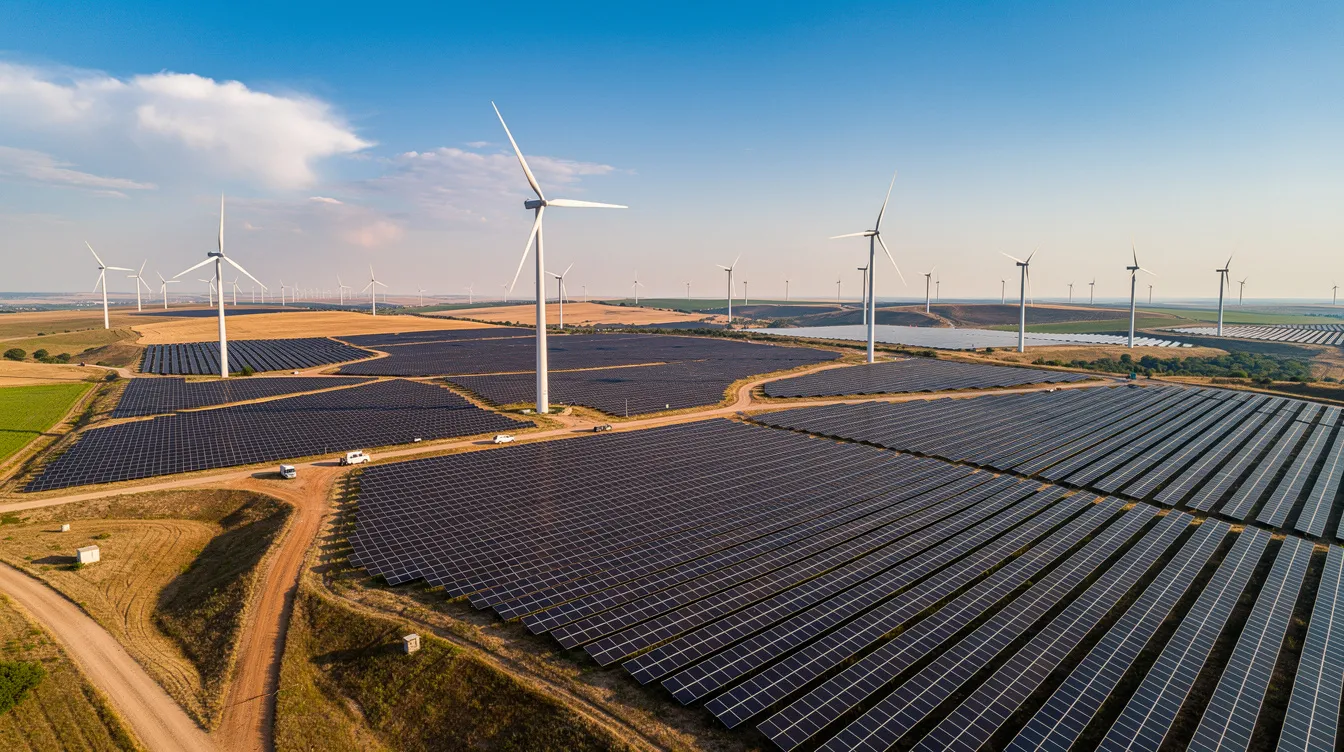
Buyers and sellers are no longer simply trading individual projects. They are transacting entire development platforms: multi-state pipelines of solar, wind, and battery storage assets, community solar portfolios, and hybrid renewable energy and energy storage fleets. In 2025 alone, the U.S. power and utilities sector saw nearly $142 billion across 157 deals, with renewables accounting for over 75 GW of capacity traded-more than half of all capacity transacted that year.
INK™ Law, headquartered in Denver, Colorado, represents developers, independent power producers, sponsors, and investors in buying and selling these platforms and discrete renewable energy projects across Colorado, Texas, Arizona, Utah, Wyoming, North Dakota, Oklahoma, and other U.S. markets. The firm’s work sits at the intersection of project development issues (site control, interconnection rights, environmental permitting), energy regulatory questions (market rules, FERC and PUC oversight), complex project finance structures, and detailed risk allocation in purchase and sale agreements.
If you are evaluating a specific energy project acquisition, platform sale, or joint venture, call INK™ Law at (720) 307-2627 or reach the team through the firm’s online contact page for an initial assessment.
INK™ Law’s Renewable Energy M&A Focus
INK™ Law is a business-first, deal-focused firm with extensive experience in energy projects, corporate law, and mergers and acquisitions. Renewable energy M&A is a core component of its strategic energy law practice-not a sideline.
The firm serves a range of clients in these transactions, including:
- Utility-scale solar and wind developers
- Community solar program operators
- Battery energy storage project developers and operators
- Geothermal energy sponsors
- Independent power producers
- Energy private equity funds and infrastructure investors
INK™ Law frequently works on transactions involving solar and wind farms, standalone and co-located energy storage projects, portfolio acquisitions of operating assets, acquisitions of development-stage pipelines, and sales of entire development platforms or operating companies. The firm’s energy M&A work is integrated with its corporate and business law, securities and finance, real estate, and intellectual property practices-allowing the team to address governance, capital structure, IP, and commercial contracting issues in a single, unified strategy.
To schedule a Quick Fit Assessment call, dial (720) 307-2627. The firm will quickly determine whether the contemplated energy project or platform transaction aligns with INK™ Law’s strengths.
Technologies and Asset Types in Renewable Energy M&A
Renewable energy M&A is not one-size-fits-all. The legal and commercial issues differ for solar, wind, energy storage, geothermal, and hybrid projects-and many deals combine several of these asset types in a single transaction.
INK™ Law regularly helps buy and sell the following categories of assets and companies:
- Utility-scale solar projects with long-term power purchase agreements (the U.S. now has several utility-scale solar projects exceeding 800 megawatts)
- Multi-site community solar portfolios and distributed generation platforms
- Onshore wind farms and wind power projects
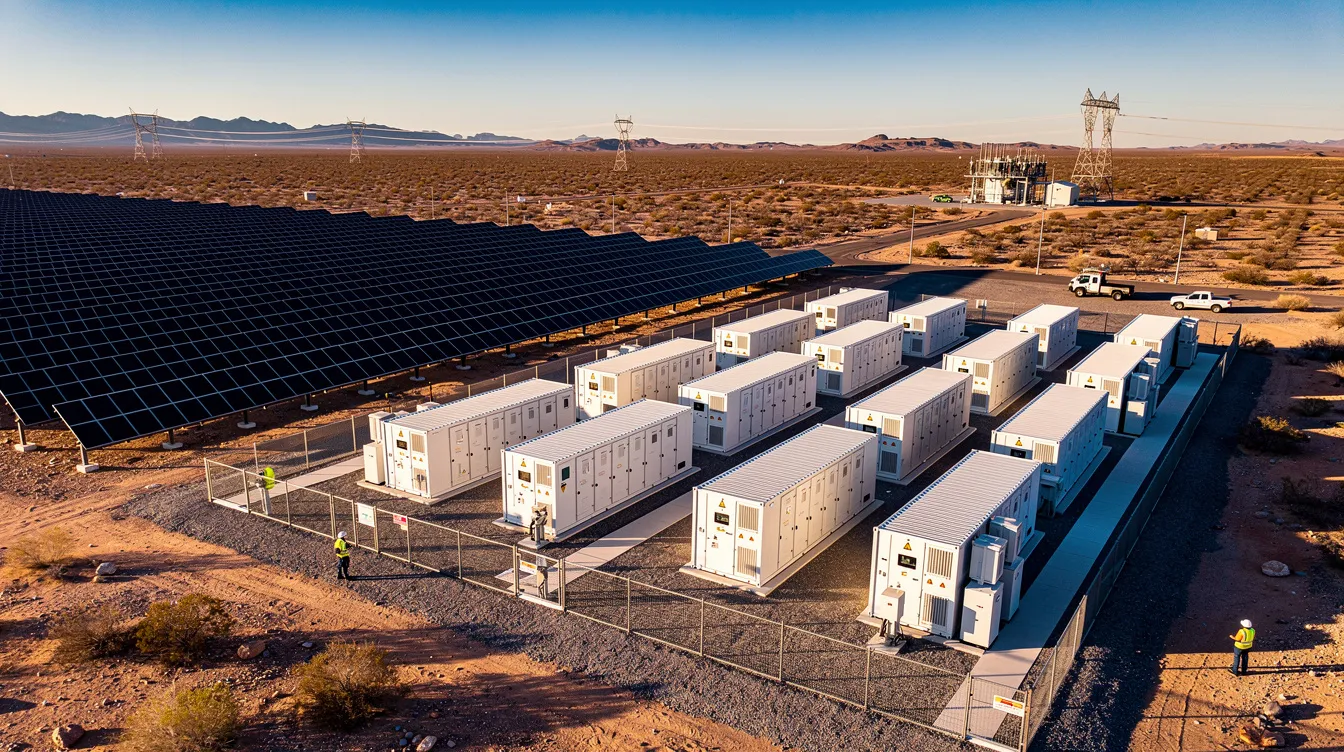
- Battery energy storage systems-standalone and paired with renewables
- Development platforms holding multi-gigawatt pipelines across multiple states
- Biomass projects and offshore wind projects, though these are less common
Solar generation is one of the fastest-growing renewable technologies, while wind energy demand is rapidly evolving due to climate policies. Energy storage is essential for integrating renewable sources into the grid, and battery storage technologies are critical for grid stability and energy efficiency.
Transactions may involve asset purchases of specific projects or SPVs, equity purchases of project companies or holding companies, or larger corporate M&A transactions that transfer entire development and operations teams, intellectual property, and project development know-how. The firm’s due diligence and contract drafting approach is tailored to each technology-focusing on interconnection and curtailment risks for wind and solar, capacity and degradation issues for energy storage systems, and reservoir resource risk for geothermal energy projects.
Have asset-specific questions-for example, how to value a 100 MW solar-plus-storage project in Texas or a portfolio of community solar sites in Colorado? Contact INK™ Law at (720) 307-2627 or reach the firm online at https://ink.law/contact/.
M&A Structures for Renewable Energy Projects and Platforms
Selecting the right M&A structure is one of the most consequential strategic decisions in an energy project transaction. It drives outcomes across tax, financing, regulatory approvals, and risk allocation.
Common structures used in renewable energy M&A include:
- Asset purchases of individual projects or SPVs-ideal for limiting legacy liabilities but requiring thorough consent and assignment analysis for power purchase agreements, interconnection agreements, and leases
- Equity purchases or mergers of project companies-transferring the entity with all assets and liabilities, often cleaner for consent issues
- Holding company acquisitions that transfer multiple SPVs in a single transaction
- Platform-level corporate M&A that transfers development teams, project pipelines, IP, and operational infrastructure
Transaction structuring maximizes tax efficiencies and addresses the unique risks embedded in renewable assets. Investment structures include joint ventures and partnerships for projects where co-sponsors contribute complementary capabilities. Financing options include structured debt and equity investments, each with distinct implications for how a deal is documented and closed.
Structures may also include earn-out provisions tied to project milestones such as notice to proceed (NTP) or commercial operation date (COD), and seller rollovers into post-closing entities. Platform acquisitions have surged in recent years-rising 4.6× in value in early 2025 compared to the same period in 2024-reflecting buyer appetite for scale, teams, and development know-how, not just megawatts.
INK™ Law can walk clients through these options in detail during a strategy consultation.
Project Development Risk: Pre-NTP and Late-Stage Assets
The development stage of an energy project-early-stage, pre-notice-to-proceed (pre-NTP), or late-stage nearing commercial operation-drives both valuation and risk allocation in renewable energy M&A.
Key project development elements that buyers and sellers must evaluate include:
- Site control: leases, easements, and surface rights-project development includes site acquisition and land use matters that vary by jurisdiction
- Interconnection queue positions: projects with executed interconnection agreements are significantly more valuable, while the U.S. interconnection queue holds over 780 GW but only a fraction have signed agreements
- Permits and environmental approvals: environmental permitting is essential for renewable energy projects, and developers must comply with the Endangered Species Act (ESA), the Clean Water Act (CWA), and adhere to the National Environmental Policy Act (NEPA)
- Zoning and land use compliance: environmental and land use analysis ensures compliance with environmental statutes at state and local levels
- Power offtake: power purchase agreements are critical for project financing-whether physical PPAs, virtual PPAs, or hedge structures
INK™ Law’s renewable energy M&A practice is tightly integrated with its project development work, enabling the team to identify which development risks can be mitigated by closing conditions, indemnities, post-closing covenants, or purchase price adjustments-and which risks may warrant walking away.
The firm’s experience with community solar programs and other distributed generation models helps renewable energy clients understand development-specific risks such as subscriber acquisition and retention, net metering policy changes, and interconnection constraints at distribution-level substations.
Contact INK™ Law at (720) 307-2627 for a project-specific risk review.
Due Diligence for Renewable Energy M&A Transactions
Due diligence is the backbone of any successful renewable energy M&A transaction. Energy projects combine real estate, regulatory, technical, and financial components that must be reviewed as an integrated whole-not in silos.
INK™ Law coordinates the primary categories of diligence for energy project and platform deals:
| Diligence Category | Key Focus Areas |
|---|---|
| Corporate & Governance | SPV ownership, capitalization, legal status, security interests |
| Real Estate & Title | Leases, easements, access routes, title defects, setback requirements |
| Energy Regulatory | Market participation, FERC/PUC compliance, interconnection status |
| Project Contracts | EPC, O&M, PPAs, interconnection agreements, equipment supply agreements |
| Environmental | Permits, NEPA compliance, endangered species, wetlands, cultural resources |
| Financing & Security | Loan agreements, tax equity documents, liens, cash waterfall mechanics |
| IP & Data | SCADA systems, forecasting models, software, subscriber management platforms |
Legal due diligence includes reviewing land rights, assets, and existing permits. Regulatory due diligence evaluates compliance with federal and state energy laws. Environmental reviews are critical for renewable energy project approvals, and environmental compliance includes obtaining all necessary permits.
The firm routinely prepares or reviews data room checklists and seller disclosure schedules tailored to each transaction, helping both buyers and sellers streamline the process and avoid surprises late in negotiations. INK™ Law’s cross-disciplinary experience-spanning energy law, commercial transactions, real estate, securities and finance, and intellectual property-allows the team to spot issues that counsel without extensive experience in renewable energy projects might miss.
Reach out through the firm’s contact page or call (720) 307-2627 to request a sample diligence checklist for your contemplated deal.
Energy Regulatory, Market Participation, and Policy Considerations
Even “purely commercial” energy project acquisitions are heavily influenced by energy regulatory frameworks, market rules, and evolving policy at the Federal Energy Regulatory Commission (FERC), state public utility commissions, independent system operators, regional transmission organizations, and local authorities.
FERC oversees compliance for renewable energy projects at the federal level, while state public utility commissions regulate local energy compliance. Renewable portfolio standards mandate that utilities meet specific energy generation levels from qualifying sources-creating both demand for renewable assets and regulatory risk if standards shift. Compliance with NEPA is required for federal energy projects, and ISO/RTO interconnection requirements govern how energy project connections to the grid are managed, queued, and approved.
Regulatory approvals are necessary for clean energy assets at multiple jurisdictional levels. Antitrust and merger clearance involves managing regulatory filings, particularly for larger platform transactions. Developers must navigate federal and state regulatory frameworks that vary significantly by market-from ERCOT’s nodal pricing and congestion rules in Texas to the California Public Utilities Commission’s oversight of distributed generation and community solar programs in the West.
INK™ Law’s strategic energy law practice includes advising on both upstream oil and gas and renewable energy regulatory questions, giving the team a broad perspective on how energy transition policies are reshaping transaction risk and opportunity across the energy sector.
Regulatory diligence and risk allocation are particularly important for deals involving community solar projects, distributed generation portfolios, and projects that rely on state and federal incentives or net metering regimes under political pressure. Regulatory compliance is necessary for project approvals at every stage-from development through post-closing operation.
For additional context, visit INK™ Law’s Strategic Energy Law and Renewable Energy Project Lawyer pages.
Project Finance, Tax Equity, and Capital Stack Impacts on M&A
The capital structure of a renewable energy project-senior debt, mezzanine financing, tax equity, and sponsor equity-has a direct and sometimes decisive impact on how an M&A transaction must be structured and documented.
INK™ Law works with clients and their other advisors to understand existing project finance arrangements, tax equity partnership structures, and lender consent requirements before negotiating purchase and sale agreements. Tax equity and incentive structuring optimizes transactions to leverage government grants and credits, and tax equity investments optimize financial outcomes for renewable energy projects by monetizing investment tax credits and the production tax credit.
Typical issues that arise when acquiring or selling financed projects include:
- Change-of-control covenants in loan agreements
- Consent rights held by tax equity investors
- Cash sweep or distribution waterfall mechanics
- Coordination of closing timing with lender or tax equity approvals
- Preservation of state and federal tax credits that support renewable energy financing, including local tax incentives and state and federal incentives under the IRA
Grants and loans are available for renewable energy projects through various federal and state programs, and financial institutions play a central role in enabling renewable energy development through tax equity financing structures. Federal and state tax credits remain the primary driver of project economics for solar, wind, and energy storage projects.
While INK™ Law does not provide tax advice, it routinely collaborates with clients’ tax advisors to align transaction structures with IRA-era tax incentives and long-term investment objectives-ensuring that deal terms do not inadvertently trigger defaults or jeopardize eligibility for credits.
Key Transaction Documents and Risk Allocation
Well-drafted transaction documents are the primary tool for allocating risk between buyers and sellers in renewable energy M&A deals-particularly where projects are still in development or rely on complex regulatory regimes.
Principal documents typically involved include:
- Letters of intent or term sheets
- Purchase and sale agreements (for assets or equity)
- Disclosure schedules
- Transition services agreements
- Joint venture or shareholders’ agreements
- Assignment and assumption instruments for key project contracts
Common risk allocation mechanisms in energy project deals include representations and warranties tailored to project development and regulatory compliance, pre- and post-closing covenants, conditions precedent to closing, indemnities and caps, and purchase price adjustments based on milestones or working capital concepts adapted to energy projects. Renewable energy deals often involve project-specific contracts and regulatory approvals that require specialized drafting.
Post-closing integration requires transferring permits and updating governance documents-a step that is frequently underestimated by parties unfamiliar with how energy project regulatory compliance works in practice.
As a practical example, consider how curtailment risk, interconnection delays, or community solar subscriber underperformance might be handled. A well-drafted purchase and sale agreement would include specific representations about interconnection status and deliverability, indemnities for breach tied to escrow or holdback amounts, and purchase price adjustments triggered if a project fails to reach COD or meet subscriber targets by a defined date. This kind of practical, business-oriented drafting reflects how INK™ Law approaches every transaction.
Corporate Governance, Joint Ventures, and Co-Ownership Structures
Many renewable energy M&A transactions do not involve a simple buyer and seller. Instead, they create or modify joint ventures, co-development agreements, or co-ownership structures that will govern the parties’ relationship for years.
INK™ Law assists clients in structuring and negotiating:
- Joint venture agreements and joint development agreements
- Shareholders’ agreements and LLC operating agreements
- Governance documents defining capital contributions, decision-making rights, profit and loss allocations, and exit mechanisms
Careful coordination is needed between joint venture terms and key project contracts (PPAs, interconnection agreements, EPC contracts), financing arrangements, and regulatory constraints. The firm’s integrated energy project and corporate practice helps clients keep these moving pieces aligned-ensuring that governance structures reflect how energy projects actually develop, operate, and refinance over time.
If you are considering a co-investment, joint venture, or strategic partnership in the renewable energy industry, the governance questions you ask now will shape your outcomes for decades.
Geographic Focus: Colorado, the Mountain West, Texas, and Beyond
While INK™ Law advises clients nationwide, the firm has particularly deep experience in key U.S. energy markets where renewable energy development and M&A activity is strongest.
The firm works with energy companies, operators, and investors active in Colorado, Arizona, Utah, Wyoming, Texas, North Dakota, and Oklahoma-including major business and energy hubs such as Denver, Houston, Phoenix, Salt Lake City, and Los Angeles.
Regional differences materially affect both the value and the risk profile of energy project acquisitions:
- Texas (ERCOT): Unique grid congestion rules, nodal pricing, and interconnection queue dynamics make Texas solar and storage markets both attractive and complex
- Mountain West (Colorado, Utah, Wyoming): Public lands permitting, wildlife and environmental constraints, and landscape impact add layers to wind and solar project diligence
- Oklahoma and North Dakota: Transmission constraints, deliverability risk, and rural land lease complexities are central to wind power projects
- Arizona: Solar and solar-plus-storage dominate, with state and local permitting and utility regulatory consent requirements shaping deal timelines
INK™ Law’s understanding of both traditional oil and gas markets and emerging renewable energy hubs allows the firm to advise project developers and investors pursuing diversified energy transition strategies across multiple states and technologies, including NexTEra Energy Resources-scale portfolios and smaller regional platforms alike.

Developers and investors active in these regions can contact INK™ Law at (720) 307-2627 or through the firm’s online contact page to discuss region-specific issues affecting planned transactions.
Integrating IP, Data, and Technology in Energy M&A
Many modern renewable energy businesses are not just energy project owners-they are also technology, software, and data companies. That makes intellectual property and data rights key components of M&A transactions.
IP and data-related assets that may be transferred or licensed in a renewable energy M&A deal include proprietary forecasting models, SCADA systems, software platforms for community solar subscriber management, analytics tools for energy storage optimization, and confidential project development methodologies. INK™ Law’s intellectual property and energy practices work together to identify, document, and protect these assets in transaction documents-ensuring buyers receive the IP rights they expect and that sellers appropriately manage their ongoing IP strategy.
Cybersecurity, data privacy, and data-sharing issues may also arise where energy project assets are integrated with broader digital infrastructure, such as data centers or grid-supporting technologies. These considerations should be woven into due diligence and definitive agreements rather than treated as afterthoughts.
Litigation, Dispute Resolution, and Post-Closing Protection
The goal of careful structuring and documentation is to avoid disputes. The reality of high-value energy project and platform transactions is that disagreements sometimes arise over earn-outs, indemnities, project performance, or regulatory changes.
INK™ Law’s commercial litigation and energy-focused dispute resolution capabilities support the firm’s M&A clients-both in negotiating robust dispute-resolution provisions up front and in enforcing or defending rights if problems emerge after closing. Litigation often arises from competitive restructuring of electric utilities, and disputes may involve regulatory challenges and contract breaches. Alternative dispute resolution services are available for energy market disputes, and legal representation includes regulatory appeals and compliance enforcement actions. Attorneys handle disputes related to power purchase agreements and interconnection delays-among the most common post-closing flashpoints.
The firm aims to “design for durability” in transaction documents by anticipating high-risk areas and building in clear mechanisms for notice, cure, expert determination, arbitration, or litigation as appropriate. Having litigation and dispute resolution capacity in-house means clients can rely on a single firm to both structure their deals and defend their interests if things do not go as planned.
How INK™ Law Engages: From Quick Fit Assessment to Closing
INK™ Law uses a three-step engagement process tailored to renewable energy M&A transactions:
- Quick Fit Assessment: A complimentary, approximately 15-minute call where the team evaluates whether the firm is the right match for your contemplated transaction and suggests next steps. Call (720) 307-2627 to request one.
- Strategy Session and INK Plan™: An in-depth session (funded at the firm’s standard business consultation rate) where INK™ Law reviews your goals, the specific energy project or platform assets at issue, deal timeline, counterparties, and initial structuring options-culminating in a tailored INK Plan™ for how the transaction should proceed.
- Execution: The firm drafts and negotiates letters of intent, manages due diligence, prepares definitive agreements, coordinates with lenders and regulatory bodies, and supports closing and post-closing integration. The focus remains on commercial outcomes and long-term relationships.
If you are serious about buying or selling energy projects or platforms in the next 6–18 months, start the process today by calling (720) 307-2627 or sending a message through https://ink.law/contact/.
When to Call a Renewable Energy M&A Lawyer
Timing matters. Bringing in energy-focused M&A counsel too late can limit structuring options, reduce negotiating leverage, and increase the risk of delays or deal failure-especially in markets where interconnection queues and policy changes move quickly.
Common trigger points for contacting INK™ Law:
- Preparing to market a portfolio or platform sale
- Exploring the acquisition of a particular project or pipeline
- Considering a joint venture or strategic partnership
- Early negotiations with a counterparty beginning to solidify into a potential deal
INK™ Law can add value even at the LOI or term sheet stage, ensuring that key commercial and risk allocation points are addressed early. Lead counsel engagement at this stage makes definitive agreement negotiations more efficient and reduces the likelihood of late-stage surprises.
Early legal input is particularly important where deals intersect with complex energy regulation, project finance arrangements, or community solar and distributed generation models that carry unique regulatory and commercial risks. INK™ Law is among the leading law firms that advise project developers and assist clients across the full spectrum of renewable energy investments.
Contact INK™ Law at (720) 307-2627 or through the firm’s online contact page for a confidential, business-focused conversation about your options.

FAQ: Renewable Energy M&A and INK™ Law’s Services
The following addresses common questions sophisticated energy companies, operators, and investors have when first considering a renewable energy M&A engagement.
What types of renewable energy M&A deals does INK™ Law typically handle?
INK™ Law focuses on sophisticated, commercial-scale transactions: acquisitions and divestitures of utility-scale and distributed generation solar and wind projects, battery energy storage systems, community solar portfolios, development platforms with multi-state project pipelines, and joint ventures or strategic investments in energy transition companies. The firm does not focus on small, residential-only deals. It routinely assists sponsors, developers, operators, and investors across Colorado, Texas, Arizona, Utah, Wyoming, North Dakota, Oklahoma, and other active markets-and is comfortable coordinating with local counsel as needed for state-specific regulatory or real estate issues. A mergers and acquisitions lawyer specializing in renewable energy at INK™ Law navigates the complex corporate transactions, risk mitigation strategies, and regulatory compliance requirements that define this space. Contact INK™ Law at (720) 307-2627 or through the online contact page to confirm whether your contemplated deal fits within the firm’s focus.
Can INK™ Law work alongside my in-house legal team and other advisors?
Yes. INK™ Law frequently serves as specialized energy M&A and project counsel working alongside in-house legal departments, external tax advisors, technical consultants, and financial institutions. The firm takes responsibility for energy-specific structuring, project documents, and regulatory issues while coordinating with the broader transaction team. Its experience as outside general counsel for energy companies means it is comfortable leading transactions, supporting internal teams, or taking on discrete workstreams depending on the client’s needs. Early coordination-ideally before the LOI is signed-allows the firm to align its work with other advisors and avoid duplication. Clients can initiate this by reaching out through https://ink.law/contact/.
How early in the process should I involve INK™ Law in a potential energy project acquisition or sale?
As early as possible. Involving energy-focused M&A counsel when a sale process is being planned, a target is first identified, or preliminary negotiations begin gives you the best chance to optimize structure, negotiate favorable terms, and identify regulatory or financing constraints before they become deal-breakers. INK™ Law’s Quick Fit Assessment call is designed to be a low-friction entry point for these early conversations. Do not wait until a draft purchase agreement is on the table-call (720) 307-2627 as soon as a serious opportunity or potential sale arises to discuss renewable energy attributes, renewable energy certificates, or any legal issues specific to your deal.
Does INK™ Law handle disputes that arise after closing a renewable energy M&A deal?
Yes. INK™ Law’s commercial litigation team represents renewable energy clients in post-closing disputes, including claims involving indemnities, purchase price adjustments, earn-outs tied to project milestones, and alleged breaches of representations and warranties concerning renewable project development, regulatory compliance, or financial performance. The firm’s dual focus on transactional and litigation and dispute resolution work allows it to both draft robust dispute-resolution provisions at the deal stage and enforce or defend those provisions in court, arbitration, or other forums. Clients facing a brewing dispute can contact INK™ Law via the firm’s contact page for a confidential assessment.
What information should I have ready before my first call with INK™ Law about a potential transaction?
Gather the basics: the type and location of the energy projects or platform at issue, current development or operational status, key contracts (PPAs, interconnection agreements, equipment supply agreements, EPC or O&M agreements), existing financing arrangements, counterparties involved, desired transaction timeline, and high-level commercial goals-for example, whether you are pursuing a full exit versus a partial sale or joint venture. While INK™ Law can begin a conversation without complete documentation, having this information ready will make the initial Quick Fit Assessment and any subsequent Strategy Session more productive. Start the process by calling (720) 307-2627 or sending a brief description of your contemplated solar project, wind farm, or energy storage transaction through https://ink.law/contact/.