
Navigating Challenges: The Role of a Renewable Energy Project Lawyer
INK™ Law is a Denver-based business and energy law firm that helps developers, investors, and operators structure, finance, and protect renewable energy projects across Colorado, Texas, Arizona, Utah, Wyoming, North Dakota, Oklahoma, and beyond. This page is designed for renewable energy project developers, investors, and operators seeking comprehensive legal guidance throughout the entire lifecycle of renewable energy projects. Here, you’ll find in-depth information on the legal aspects of project development, project financing, regulatory compliance, joint ventures, litigation, and dispute resolution for solar, wind, energy storage, geothermal, hydrogen, biomass, and community solar programs.
Understanding the role of a renewable energy project lawyer is crucial for successful project development. The legal landscape for renewable energy is complex and rapidly evolving, with intricate regulatory requirements, tax incentives, and commercial agreements that must be navigated to ensure projects reach commercial operation on time and within budget. Whether you are planning a new project, expanding a portfolio, or seeking to optimize financing and compliance, knowing how a specialized lawyer can support your goals is essential for mitigating risk and maximizing returns.
A renewable energy project lawyer is a legal professional who specializes in navigating complex regulatory hurdles, ensuring strict adherence to federal, state, and local laws, and helping clients qualify for renewable energy tax credits and subsidies. Their expertise is essential for structuring, financing, and protecting renewable energy projects, making them a key partner for developers, investors, and operators in the clean energy sector.
Key Takeaways
-
INK™ Law provides end-to-end legal counsel for project development, project financing, energy regulatory compliance, joint ventures, and litigation and dispute resolution across solar, wind, energy storage, geothermal energy, hydrogen, biomass projects, and community solar programs.
-
The firm’s role spans the entire project lifecycle from planning to compliance-integrating corporate law, M&A, securities, real estate, and energy law experience into a single, coordinated practice.
-
We serve renewable energy clients throughout the United States, with particular depth in Colorado, Arizona, Utah, Wyoming, Texas, North Dakota, and Oklahoma.
-
Our team offers strategic legal guidance that moves complex energy projects from term sheet to commercial operation date on schedule and within budget.
Ready to discuss a specific renewable energy project? Call INK™ Law at (720) 307-2627 or message us through our online contact form for a confidential consultation.
INK™ Law’s Role in the Energy Transition
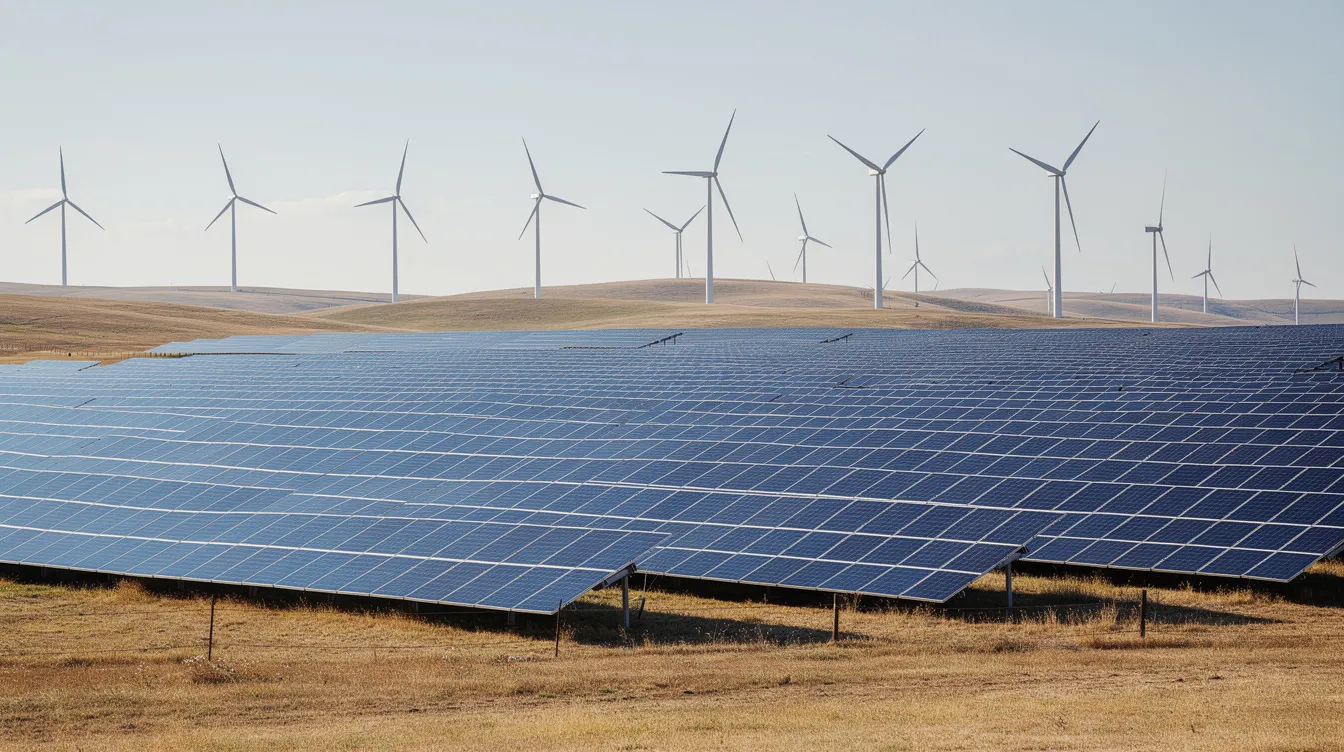
The U.S. energy transition is accelerating. Federal incentives-especially the Inflation Reduction Act of 2022, which increased carbon oxide sequestration tax credits and expanded clean energy investment opportunities-along with state renewable portfolio standards and corporate ESG commitments, are reshaping project development across the Rockies, Southwest, and Texas. The renewable energy industry has moved from niche policy experiments to a core infrastructure investment class, and the legal work required to bring these projects online has grown in volume and complexity.
INK™ Law focuses on sophisticated commercial and transactional work for energy companies, operators, investors, developers, and sponsors. Headquartered in Denver, we are active across major energy markets including Houston, Phoenix, Salt Lake City, and Los Angeles. The same team that advises on upstream oil and gas and midstream projects now structures solar, wind, storage, hydrogen, and carbon management deals-giving clients a full view of how renewables integrate into broader energy portfolios within the energy sector.
We serve a wide range of renewable energy clients:
-
Utility scale project developers and independent power producers
-
Community solar sponsors and distributed generation platforms
-
Private equity and infrastructure funds
-
Family offices and institutional investors
-
Energy technology companies
-
Large commercial and industrial offtakers
-
NextEra Energy Resources and similar major industry participants
Project sponsors and investors: Call (720) 307-2627 to discuss a current or planned project, or contact us online.
Solar and Community Solar Project Development
Solar generation is one of the fastest-growing renewable technologies in the United States. INK™ Law works with utility-scale, distributed generation, and community solar programs across Colorado, Texas, Arizona, and neighboring states-including projects initiated after 2020 as state-level renewable targets expanded. Community solar programs require compliance with state-specific regulations, and utility-scale solar projects are a major focus for legal guidance as developers scale portfolios.
We provide concrete legal services for solar project developers:
-
Site control: Ground leases, easements, options, and access agreements
-
Interconnection: Queue position strategy and interconnection agreements with utilities and market operators
-
Offtake: Power purchase agreements, virtual PPAs, and community solar subscriber arrangements
-
Construction: EPC contracts, balance-of-plant agreements, equipment supply agreements, O&M contracts, and construction contracts with performance guarantees
Key roles include contract negotiation and drafting power purchase agreements, which are essential for solar project financing. We advise on tax equity structures for solar projects-partnership flips, sale-leasebacks, and transferability of investment tax credits under the IRA-coordinating with clients’ tax advisors while focusing on transaction documents and risk allocation. Solar projects must navigate complex federal and state regulations, and we understand the offtaker expectations of utilities, cooperatives, and municipal purchasers in states like Colorado, Texas, and Arizona.
Solar developers and community solar sponsors: Schedule a strategy session by calling (720) 307-2627 or send project details through our secure form.
Wind Energy and Hybrid Renewable Projects
Onshore wind has grown substantially across the Great Plains and Mountain West-Colorado, Wyoming, North Dakota, Oklahoma, and West Texas-driven by strong wind resources and favorable economics. Wind energy projects are rapidly evolving due to climate change policies, and the increasing prevalence of hybrid wind-plus-solar and wind-plus-storage projects since roughly 2018 has reshaped how developers approach site planning, offtake, and grid integration. Google invested approximately $200 million in the Spinning Spur Wind Project, illustrating the kind of institutional capital that flows to well-structured wind assets. Texas has significant wind energy developments, including offshore wind projects, and the U.S. has seen a growing demand for offshore wind energy more broadly.
INK™ Law supports wind energy projects from greenfield development through COD:
-
Wind lease and easement portfolios, title and survey review
-
Turbine supply agreements and balance-of-plant/EPC contracts
-
Interconnection and curtailment risk allocation
-
Long-term O&M and service agreements
We address cross-border and interstate power purchase considerations, including negotiating offtake into markets operated by ERCOT, SPP, or WECC-area utilities. Wind energy projects require compliance with complex federal and state laws, and we ensure that transaction documents align with relevant wholesale market rules and energy regulation. Texas has created incentives for renewable energy research and production, further expanding the development opportunity.
Our experience also helps clients integrate battery storage or other dispatchable capacity into a wind farm to improve capacity value and hedge against congestion and negative pricing events.
Wind developers and investors planning 2026–2030 build-outs: Call (720) 307-2627 to review land, offtake, and construction risk, or reach us online.

Energy Storage and Grid-Scale Battery Projects
Energy storage is essential for integrating intermittent renewables like solar and wind into the grid-especially in Colorado, Arizona, and Texas, where peak load management and solar ramp issues are pronounced. Energy storage systems enhance grid stability and energy efficiency, and the technology mix now includes lithium-ion, flow batteries, and emerging long-duration storage solutions. Energy storage projects require obtaining necessary permits and approvals, and the legal complexities of battery storage include regulatory and financing challenges that differ meaningfully from generation-only assets.
Legal issues unique to storage projects include:
-
Revenue stacking across capacity, ancillary services, and arbitrage
-
Shared asset arrangements with co-located renewables
-
Merchant vs. contracted revenue risk
-
Specialized project finance structures reflecting multi-use assets
-
Energy storage financing, including tax incentives and government grants
INK™ Law drafts and negotiates storage-specific contracts: battery supply and warranties, augmentation plans, performance guarantees, tolling agreements, shared facilities agreements, and participation in wholesale market programs. We assist clients in navigating applicable energy regulatory requirements, including FERC rules for storage participation in wholesale markets and state-level resource adequacy and interconnection processes, coordinating with specialized regulatory counsel where needed. Battery storage projects represent some of the most commercially creative deal structures in the energy industry today.
Battery developers, utilities, and data center operators considering on-site storage: Contact INK™ Law at (720) 307-2627 or via ink.law/contact for project structuring guidance.
Geothermal, Hydrogen, and Emerging Clean Energy Technologies
Geothermal energy, renewable hydrogen, renewable natural gas, carbon management, and biomass projects are moving from pilot to commercial stages-particularly across the West and Gulf Coast. The Texas Bioenergy Council was established to promote bioenergy development, and geothermal developers are increasingly targeting subsurface resources with techniques borrowed from conventional oil and gas operations. The U.S. Department of Energy oversees carbon capture regulations, and Petra Nova is the world’s largest carbon capture plant, underscoring the commercial scale these technologies can achieve.
INK™ Law’s background in upstream and midstream oil and gas transactions translates directly to subsurface and infrastructure issues in geothermal (resource leases, unitization, and injection rights) and hydrogen/CO₂ pipelines and storage facilities. Texas leads in pore space ownership for carbon capture projects, and CCUS projects require navigating complex legal and regulatory frameworks. Federal tax credits for carbon capture have been in place since 2008, and the Inflation Reduction Act of 2022 increased carbon sequestration tax credits. The One Big Beautiful Bill Act modifies carbon oxide sequestration tax credits, adding further complexity for developers and their advisors.
Typical commercial contracts and structures include:
-
Development joint ventures and joint development agreements
-
Build-own-operate agreements
-
Offtake and tolling contracts
-
Shared infrastructure and operating agreements
-
IP licensing and technology collaboration arrangements
Companies working on geothermal wells, hydrogen hubs, or carbon capture and storage projects: Speak with an INK™ Law attorney at (720) 307-2627 or submit a project overview.
Project Development: From Site Control to Commercial Operation
INK™ Law often serves as outside general counsel for renewable project development, coordinating land, corporate, regulatory, and financing workstreams through the life of a project. Lawyers secure site control through land leases or acquisitions for project development, and legal due diligence is essential to prove project viability to investors and lenders. Project development includes site acquisition and environmental permitting, and legal support is crucial for navigating regulatory approvals.
Key development stages we support:
-
Early-stage site screening and LOIs with landowners
-
Option and lease agreements for surface and access rights
-
Permitting and environmental due diligence
-
Interconnection queue applications
-
Initial offtaker outreach and PPA term sheets
-
Early-stage capital provider engagement
Our role in negotiating major construction contracts includes EPC agreements, balance-of-plant contracts, equipment procurement agreements, and O&M or asset management agreements. We focus on liquidated damages, performance guarantees, and change-order risk-because lawyers draft the contracts governing project construction and operation, and the quality of those documents directly affects whether a project survives financing, construction, and commercial operation. Developers must comply with local, state, and federal regulations at every stage.
We coordinate with engineers, environmental consultants, and market advisors to ensure legal documents reflect real-world technical and regulatory constraints-especially in multi-state portfolios spanning Colorado, Texas, and neighboring regions. Jackson Walker assists clients in renewable energy project development and is among the leading law firms active in this space, but INK™ Law brings a uniquely integrated approach combining energy, corporate, and transactional capabilities under one roof.
Developers can engage us for a single project or to build out standard form documents, risk allocation frameworks, and playbooks usable across their entire pipeline. Advise project developers at any stage-we’re ready.
Project Finance, Tax Equity, and Capital Stack Structuring
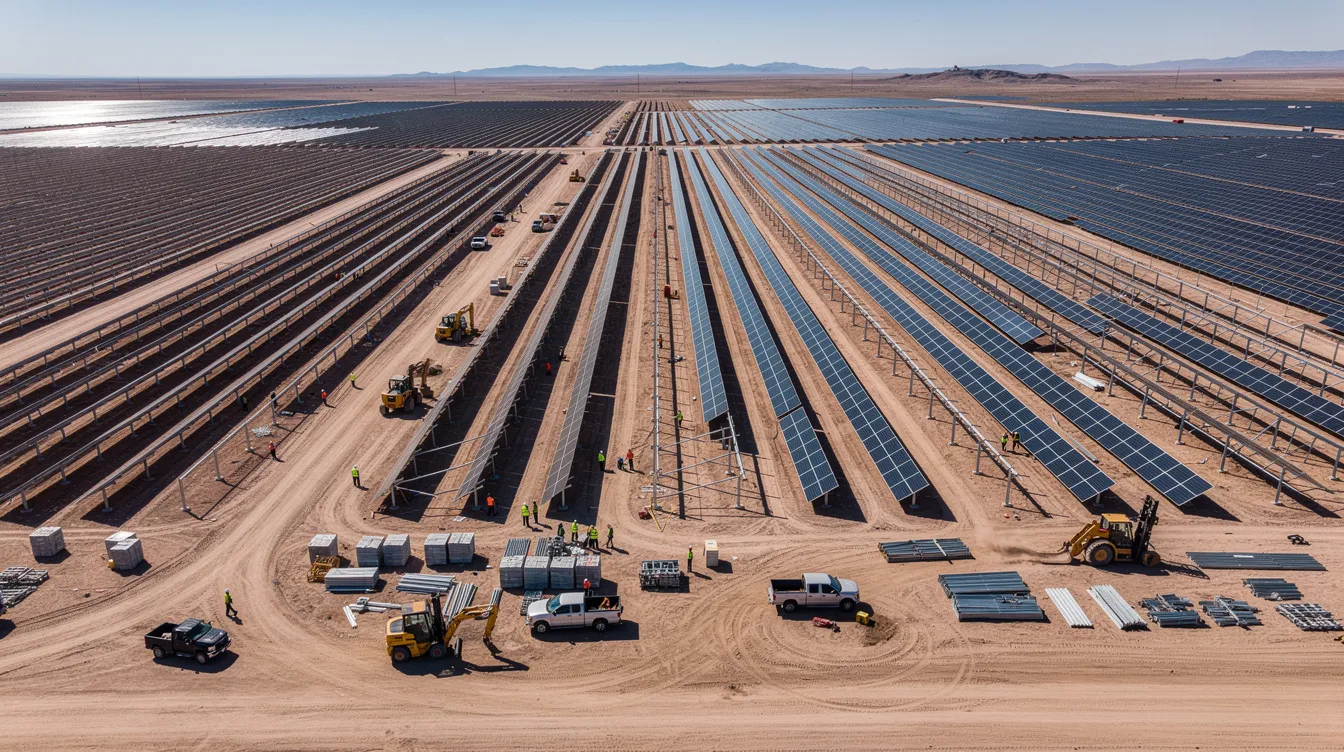
Renewable energy projects are capital-intensive assets typically financed through a mix of sponsor equity, tax equity, construction debt, back-levered loans, and sometimes mezzanine or preferred equity. Projects require complex financing involving tax incentives, and tax equity financing is crucial for renewable energy projects. INK™ Law advises across this entire capital stack, and our corporate finance team brings experience from dozens of financings totaling over $14 billion.
In 2025, total tax equity investments are estimated at $32–35 billion, and when including credit transfers under the IRA, total tax credit monetization reached $55–60 billion. Hybrid structures-combining traditional tax equity with transferability or direct pay-account for over 60% of tax equity commitments. Federal and state tax credits optimize financial outcomes for renewable projects, and structured debt and equity investments are common in energy financing. Energy projects often utilize limited recourse and non-recourse financing to manage risk.
Our project and portfolio financing work includes:
-
Credit agreements, security documents, and intercreditor agreements
-
Membership interest pledge agreements and consent/estoppel documents
-
Tax equity structures: partnership flips (roughly 80% of traditional structures), inverted leases, transferability of tax credits, and direct pay where applicable
-
Lawyers assist with loan documentation and tax equity financing
-
Production tax credit and investment tax credit analysis and structuring
We help clients evaluate and structure joint ventures, farm-in/farm-out arrangements, and project-level or platform-level M&A transactions-including buy-sell options, ROFO/ROFR provisions, and exit strategies in LLC operating agreements. Tax equity investors require carefully negotiated downside protections, and lawyers help clients qualify for renewable energy tax credits and subsidies, including state and federal incentives and local tax incentives. The One Big Beautiful Bill Act modifies carbon oxide sequestration tax credits, adding a new layer to incentive planning.
Sponsors, developers, and investors seeking to raise or deploy capital between $5 million and $500+ million: Contact INK™ Law at (720) 307-2627 or through ink.law/contact.
Energy Regulatory and Wholesale Market Considerations
Successful renewable energy projects must comply with a complex web of federal and state energy regulation. FERC oversees compliance for renewable energy projects, regional transmission organizations and independent system operators govern market participation, and state public utility commissions regulate renewable energy compliance. Renewable energy projects are heavily regulated, requiring guidance through multi-agency approvals, and lawyers must monitor evolving legal landscapes due to new policies and technologies.
Typical regulatory issues our clients face include:
-
Interconnection procedures and queue reform rules
-
Market participation agreements with ISOs/RTOs
-
Qualifying facility (QF) status and PURPA implications
-
Compliance with state renewable portfolio standards and clean energy standard programs
-
Compliance includes interconnection requirements and renewable portfolio standards
INK™ Law collaborates with specialized regulatory counsel when necessary but remains deeply involved in aligning project contracts-PPAs, tolling agreements, and hedges-with the underlying energy regulatory framework and wholesale market rules impacting revenues and curtailment risk. Negotiating interconnection agreements is critical for connecting projects to the electric grid, and regulatory compliance involves navigating federal and state regulations at both the federal energy regulatory commission level and at state commissions.
Specific authorities and markets relevant to our clients include FERC, state public service commissions in Colorado and surrounding states, ERCOT, SPP, and Western balancing authorities. Lawyers ensure strict adherence to federal, state, and local laws governing energy markets. For sponsors and investors evaluating new markets or unfamiliar regulatory regimes, we conduct focused regulatory risk assessments and integrate findings into term sheets and definitive agreements. Renewable energy certificates and renewable energy attributes also factor into compliance strategies.
Real Estate, Mineral Rights, and Environmental Due Diligence
Land and environmental issues can determine whether a renewable project is financeable-particularly in states with active oil and gas development and complex mineral ownership patterns. Obtaining local, state, and federal environmental permits is a major hurdle, and environmental compliance is central to nearly every renewable energy project. Public opposition can arise despite the environmental benefits of renewable projects, making proactive stakeholder management and sound permitting strategy essential.
INK™ Law’s real estate work for energy projects includes:
-
Negotiating ground leases, easements, surface use agreements, crossing agreements, and access/roadway rights
-
Coordinating title and survey review
-
Curative work for defects identified during due diligence
-
Environmental permitting at local, state, and federal levels
Our oil and gas experience helps resolve conflicts between mineral estates and surface-based renewable projects-common in Colorado, Texas, and Wyoming. We employ accommodation doctrine principles, surface damage agreements, and carefully drafted waivers or subordination arrangements. Renewable energy projects require environmental permit compliance, and we review Phase I and Phase II environmental site assessments, endangered species and wetland issues, cultural resource constraints, and permitting requirements, incorporating findings into representations, covenants, and indemnities.
We align real estate and environmental risk allocation with lender and tax equity expectations so that projects reach financial close without last-minute surprises. Risk mitigation strategies at the real estate level protect the entire capital stack.
Corporate, Joint Venture, and M&A Structures for Energy Projects
Renewable energy platforms frequently grow through joint ventures, farm-downs, and strategic M&A. INK™ Law brings deep corporate law and M&A experience to these renewable energy transactions-our team has completed over $20 billion in mergers, acquisitions, and divestitures across 20 industries.
Key corporate and governance issues we address:
-
Choice of entity (LLC, corporation, partnership) and equity class/waterfall design
-
Board/manager composition, veto rights, and reserved matters
-
Deadlock resolution mechanisms
-
Exit rights: tag-along, drag-along, call/put options
We structure joint ventures between developers and capital providers-or between technology companies and operators-to align development obligations, funding commitments, milestone tests, and IP ownership. Joint development agreements and operating agreements are drafted to reflect the specific economics of renewable energy development.
Our role in platform acquisitions and divestitures includes due diligence focused on permits, PPAs, interconnection agreements, and key construction and O&M contracts. Whether a renewable energy company is selling a development pipeline, a portfolio of operating projects, or an energy services business, our M&A team handles deal structuring, negotiation, and closing. Renewable energy investments increasingly require alignment between commercial terms and securities law compliance, and clients involved in capital raising can leverage our broader business law and securities capabilities for private placements and Reg D offerings.
Risk Management, Disputes, and Litigation Support
While INK™ Law is primarily a transactional firm, our commercial litigation team engages early to design contracts that minimize disputes and to respond decisively when conflicts arise. Disputes commonly involve contract breaches, construction delays, and permit challenges-and in the energy industry, the financial stakes of even short delays can be significant.
Common dispute scenarios in renewable energy projects include:
-
EPC and construction delays or cost overruns
-
Equipment performance shortfalls
-
Change-order conflicts with a construction company or subcontractors
-
Interconnection and curtailment disputes
-
PPA and hedging disagreements
-
Joint venture governance breakdowns
We provide front-end risk management by drafting clear, enforceable construction contracts, PPAs, and governance documents-and back-end support through negotiation, mediation, arbitration, and litigation in state and federal courts across our focus states. Renewable energy lawyers must coordinate across various legal disciplines to manage risks, and our litigators handle business disputes, contract disputes, and IP litigation arising from energy projects, working closely with the transactional team that structured the deal.
Facing an active or potential dispute affecting an energy project’s schedule, financing, or operations? Contact INK™ Law promptly at (720) 307-2627 or through ink.law/contact.
Energy Law Plus IP, Data, and Technology Considerations
Modern energy projects depend on proprietary software, control systems, and data-making intellectual property strategy and protection increasingly important for developers and technology providers. From optimization algorithms to monitoring platforms, the technology layer of a renewable energy project carries both value and risk.
INK™ Law’s intellectual property group works with the energy team to protect patents, trade secrets, and trademarks associated with energy storage technology, optimization platforms, and project brands. We address common IP contract issues in energy projects:
-
Technology licensing and sublicensing
-
Joint development agreements for hardware and software
-
Data ownership and usage rights
-
Cybersecurity and data protection obligations
-
Restrictions on reverse engineering or competitive use
We help energy technology startups and established companies alike align their IP portfolios with their commercial strategies-including preparing for fundraising, strategic partnerships, or future exits to infrastructure funds. Energy efficiency innovations and digital control platforms are increasingly embedded in project economics, and proper IP protection ensures those economics are preserved.
Why Renewable Energy Clients Choose INK™ Law
INK™ Law’s differentiators for renewable energy clients are practical: a deep bench in corporate and project finance, real-world energy sector experience including upstream and midstream, lean and responsive teams, and coverage across key U.S. energy markets. We assist clients from early-stage development through operations and exit, and our approach prioritizes results over process.
Clients hire INK™ Law because we offer:
-
The ability to translate technical and commercial issues into effective, bankable contracts
-
Experience closing complex mid-market energy transactions
-
Long-term outside general counsel relationships with energy companies and developers
-
Practical, business-oriented advice-not abstract legal memos
-
Lead counsel capability across corporate, M&A, finance, real estate, and litigation
Since approximately 2019, we have handled matters including negotiating PPAs for mw solar projects at multi-hundred-megawatt scale, advising on acquisitions of multi-state development pipelines, and coordinating project financing for portfolios that include storage and community solar projects. Lawyers must monitor evolving legal landscapes due to new policies and technologies, and our firm’s process-discovery, strategy, execution, and long-term support-is designed to align with developers’ and investors’ timelines. You can learn more about how we work with clients.
Call (720) 307-2627 or reach out via our contact form to explore how INK™ Law can support your next renewable energy project.
How to Engage INK™ Law for a Renewable Energy Project
When you contact INK™ Law about a renewable energy transaction or project, you can expect a straightforward, efficient process designed to get to substance quickly.
Our engagement steps:
-
Initial consultation: We discuss your goals, timelines, jurisdictions, and counterparties
-
Preliminary assessment: We identify key risks and opportunities based on your project specifics
-
Scope and fee proposal: We provide a clear engagement structure tailored to the matter
-
Team introduction: You meet the attorneys who will handle your work
-
Communication protocols: We establish reporting cadence through closing and beyond
For your first conversation, it helps to have the following available: project location, stage of development, key documents (LOIs, term sheets, PPAs, interconnection studies), anticipated financing structure, and critical deadlines such as bid dates or financing milestones.
We are comfortable coordinating with in-house teams and other advisors-tax professionals, engineers, and regulatory specialists-and we tailor engagement structures to each client’s needs, from single-project reviews to long-term outside general counsel relationships for an energy company with a growing portfolio. Legal services are structured to match your development and financing cadence.
Call INK™ Law at (720) 307-2627 now or submit a message online to start the conversation.

Frequently Asked Questions: Renewable Energy Project Lawyer
The following FAQ addresses common questions about timing, scope, costs, and capabilities when hiring a renewable energy project lawyer.
When in the project lifecycle should we involve a renewable energy project lawyer?
Engaging counsel as early as site control and initial term sheet negotiations generally yields the best outcomes. Key risks-title, interconnection, offtake, and environmental permitting-can be managed proactively rather than re-traded later. INK™ Law often begins advising at pre-development or early-stage development, but we can also step in before an RFP response, at construction financing, or ahead of selling a project or portfolio. Solar power projects and wind power projects alike benefit from early legal involvement.
Do you only handle projects in Colorado, or can you help with multi-state portfolios?
While INK™ Law is headquartered in Denver and deeply familiar with Colorado law, we routinely represent clients in Arizona, Utah, Wyoming, Texas, North Dakota, Oklahoma, and other U.S. jurisdictions. We coordinate with local counsel for state-specific permitting or regulatory issues. Our corporate, finance, and transaction documents are typically governed by Delaware, New York, or other commercially familiar laws, making them well-suited to multi-state assets and portfolios. Offshore wind projects and other specialized matters are handled in coordination with appropriate jurisdictional counsel.
What size of renewable energy projects does INK™ Law typically handle?
We regularly work on mid-market and large-scale projects-from several megawatts to multi-hundred-megawatt utility scale facilities-as well as portfolios of distributed generation and community solar assets. For smaller or pilot projects, we can help where there is a strategic fit, such as platform-level initiatives for an emerging renewable energy company or early-stage companies planning to scale. We also advise on carbon emissions reduction projects and energy transition strategies at various scales.
How do legal fees typically work for renewable energy project representation?
INK™ Law offers flexible fee arrangements depending on scope and stage: hourly billing, blended rates, project-based fees for defined transaction milestones, or ongoing outside general counsel structures for repeat work. We discuss fee options at the outset so clients can budget appropriately in the context of their development and financing plans. Transparency in legal issues and costs is a core part of how we operate.
Can INK™ Law also help with corporate governance and ongoing compliance for our energy company?
Yes. Our corporate and business law team regularly advises energy companies on governance, shareholder and LLC operating agreements, commercial contracting, securities compliance, and internal policies-often acting as outside general counsel. This ongoing support complements project-level work, helping clients align day-to-day corporate practices with requirements imposed by tax equity investors, lenders, regulators, and key commercial partners.