
Wind Energy Lawyer: Structuring Development, Investment, Acquisition, and Infrastructure Deals
A wind energy lawyer is essential for structuring development, investment, acquisition, and infrastructure deals in the wind sector. Utility-scale wind farms are no longer simple land leases with turbines. They are capital-intensive infrastructure deals that span corporate law, energy regulation, real estate, tax policy, securities compliance, and construction management.
This guide is for wind energy developers, investors, operators, and legal professionals seeking to understand the legal landscape of wind energy projects. Understanding the legal complexities of wind energy transactions is critical for project success and risk mitigation.
Definitions: Wind Energy Lawyer, Real Estate Law, and Environmental Law
Wind Energy Lawyer: A wind energy lawyer navigates local, state, and federal laws for wind farms, assists clients with land leases and property rights, and provides legal services including real estate and environmental law. Wind energy projects involve complex real estate and environmental laws that require coordinated counsel.
Relationship to Real Estate Law: Wind energy law is closely tied to real estate law because wind projects require long-term land leases, easements, and surface use agreements. Lawyers ensure developers have clean title to land for turbines and address all property rights issues.
Relationship to Environmental Law: Environmental law is integral to wind energy projects due to permitting, wildlife, and habitat considerations. Wind energy lawyers coordinate compliance with federal, state, and local environmental regulations to ensure project viability and risk mitigation.
This post walks through every legal layer of a wind energy transaction, from the first land option to the last page of a portfolio sale, and explains where a wind energy lawyer adds measurable value at each stage.
Key Takeaways
- INK™ Law structures complex wind energy transactions nationwide from its Denver, Colorado headquarters, representing developers, operators, investors, and energy companies across Colorado, Texas, Arizona, Utah, Wyoming, North Dakota, Oklahoma, and major markets including Houston, Phoenix, Salt Lake City, and Los Angeles.
- The firm handles sophisticated commercial and transactional work across the full project lifecycle: project development, land acquisition, construction, financing, mergers and acquisitions, and operations for utility-scale and distributed wind power projects.
- INK™ Law’s integrated practice groups in corporate law, mergers and acquisitions, energy law, real estate, securities, and project finance allow the team to address interlocking deal issues without outside referrals.
- This article is practical and transaction-focused, explaining how legal counsel de-risks wind energy projects, protects returns, and keeps deals on schedule in a layered regulatory and financing environment.
- Call INK™ Law at (720) 307-2627 or message the firm online for a strategic review of a specific wind energy project or transaction.
Strategic Counsel for Wind Energy Developers, Investors, and Operators
The wind energy sector has experienced double-digit growth rates in recent years, driven by falling turbine costs, federal tax incentives, and growing corporate demand for clean power. Texas leads the U.S. in wind power development, and states like Iowa, Kansas, Wyoming, and Oklahoma are close behind. Iowa alone has over 3,700 wind turbines generating 6,300 megawatts. To illustrate the scale, Kathleen Law drafted legal documents for 3,700 Iowa wind turbines and contributed to 40% of Iowa’s wind capacity development. Iowa’s Wind XI project will add 2,000 megawatts of capacity to the state’s grid. These are not small land deals; they are complex projects with nine-figure capital stacks, multi-party governance structures, and 20-year revenue contracts.
INK™ Law represents developers, energy companies, operators, sponsors, tax equity investors, and private equity funds in wind energy transactions across the U.S. Wind energy lawyers at the firm assist in renewable energy projects across core areas including deal structuring, land aggregation, construction contracting, interconnection, financing, and asset sales. The firm’s wind energy practice sits at the intersection of renewable energy, corporate and business law, mergers and acquisitions, securities, and real estate.
INK™ Law’s broader energy team covers oil and gas, natural gas, midstream infrastructure, carbon capture, and battery storage, which matters because many clients operate across multiple energy segments. If you are planning a new wind farm or portfolio acquisition, call (720) 307-2627 to discuss your project.
Wind Energy Project Development: From Concept to Commercial Operation
A utility-scale wind project typically moves from initial site control to commercial operation in three to five years. In Texas, among 32 tracked wind projects, the median development timeline was roughly 3.5 years, with local tax incentive approvals averaging about 7.5 months. Interconnection alone can take three to four years in congested grid regions, making it the primary pacing item in many states.
Legal counsel assists in identifying legal risks early in wind project development, before capital is committed to land options or interconnection deposits. Key development-stage legal tasks include:
- Site identification and wind resource assessment coordination
- Land control through option agreements and ground leases
- Permitting strategy (state, local, and federal)
- Interconnection queue positioning and study management
- Offtake strategy and preliminary PPA discussions
- Preliminary financing and entity structures
INK™ Law helps developers build a “bankable” project file: clear title, documented environmental compliance, robust contracts, and an organized data room that satisfies investors, lenders, and potential buyers. Risk mapping at this stage covers permitting delays, interconnection cost overruns, curtailment exposure, regulatory changes, and supply chain bottlenecks for turbines and transformers.
Developers who contact INK™ Law early in the process through the online contact form avoid costly contract rework and title defects that surface during financing diligence.
Land Acquisition, Leasing, and Wind Energy Real Estate Structures
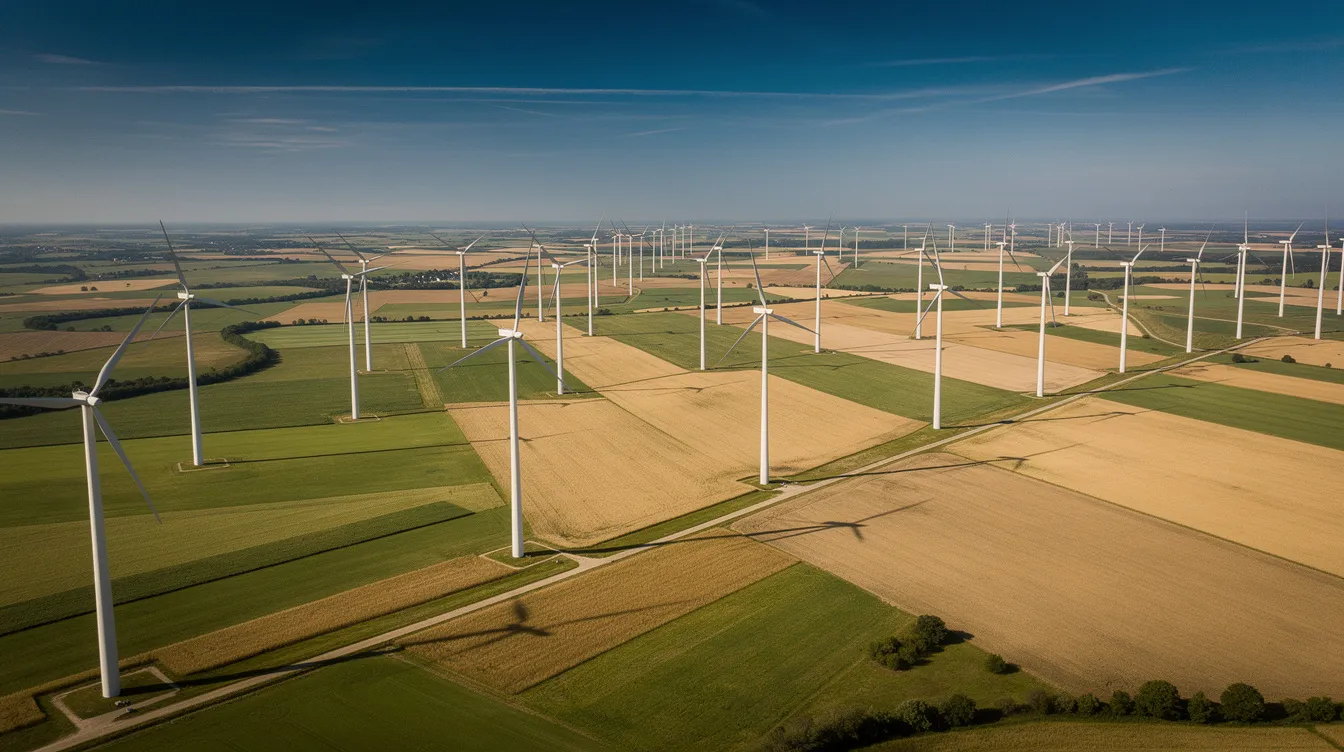
Wind farms require vast expanses of land for optimal wind resource capture. A single 200 MW project can span 20,000 to 40,000 acres across hundreds of individual parcels in rural communities. Wind energy development requires understanding local landowner concerns, from crop disruption and drainage patterns to road damage during construction.
Lawyers draft and negotiate long-term land leases and surface use agreements that govern every aspect of site access and use. Typical real estate structures include:
- Long-term ground leases (20 to 30 years with renewal options)
- Easements for access roads, transmission lines, and collection systems
- Options to lease, giving the developer time to secure permits and financing before committing
- Separate agreements for substations, operations yards, and laydown areas
- Surface use agreements addressing crop damage, drainage, and restoration
Wind energy lawyers assist clients with land leases and property rights, ensuring that legal agreements detail land use for wind turbine projects with precision. Attorneys ensure developers have clean title to land for turbines through title searches on every parcel, curing defects before they derail a closing.
Lease economics must align with project revenue. Structures range from fixed annual payments per turbine or per acre, to royalty-based payments tied to megawatt output or gross revenue, with built-in escalation clauses and decommissioning security provisions. Wind energy legal services include real estate and environmental law, and wind energy projects involve complex real estate and environmental laws that require coordinated counsel.
INK™ Law’s work in commercial real property and energy real estate covers the full scope of land-side risk. The firm’s energy infrastructure practice addresses easements, rights-of-way, and shared-use arrangements that arise when wind projects intersect with pipelines, rail, or existing oil and gas operations.
Construction Contracts, EPC, and Major Project Delivery for Wind Farms
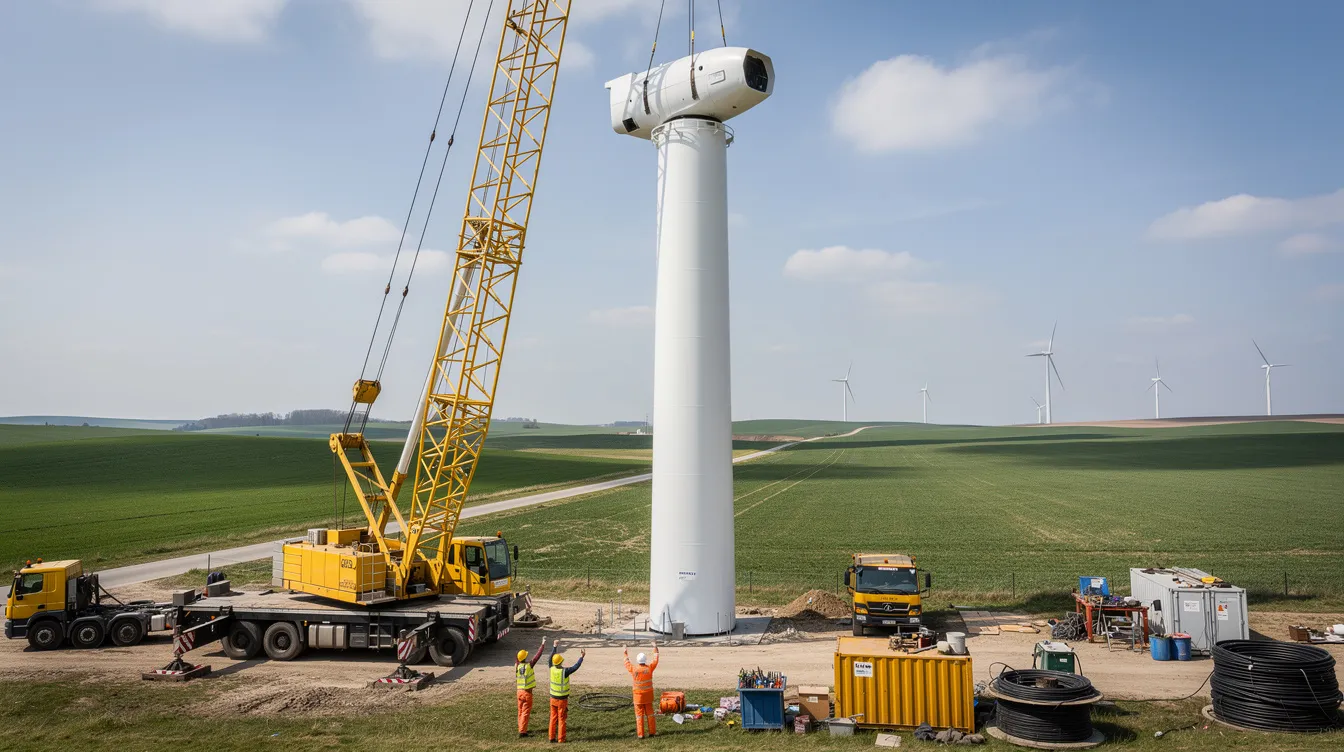
Once a wind project reaches notice to proceed, construction contracts become the backbone of execution risk. An EPC agreement (engineering, procurement, and construction) wraps design, equipment procurement, and construction into a single deliverable, typically with a guaranteed price and schedule. Some projects use an EPCM model, where the owner manages procurement separately, particularly for turbine supply.
Core construction contracts a wind energy lawyer handles include:
- EPC or balance-of-plant (BOP) contracts
- Turbine supply agreements with manufacturers
- Logistics and transportation contracts for tower sections and blades
- Operations building and substation construction contracts
Key negotiation points in these agreements determine whether a project hits its commercial operation date and meets financing milestones:
- Schedule and liquidated damages: daily or weekly penalties for late completion, often tied to PPA start dates or tax credit deadlines
- Performance guarantees: turbine availability above 95%, energy output warranties, and guaranteed capacity
- Change order process: pricing caps, approval thresholds, and documentation requirements
- Warranty coverage: two to five years on workmanship, separate manufacturer warranties on turbines
- Interface risk: clear allocation of responsibility between the turbine supplier and the BOP contractor, especially around foundations, electrical systems, and commissioning
Clear construction contracts, backed by strong insurance and indemnity provisions, are the mechanism for protecting lender and investor interests during the highest-risk phase of the project lifecycle.
INK™ Law can review or draft construction contracts for projects under development in the Texas Panhandle, Wyoming, North Dakota, and across the Midwest. Call (720) 307-2627 to schedule a contract review.
Grid Interconnection, Transmission, and Power Purchase Agreements
Interconnection and grid access are often the primary risk factors in modern wind projects. In congested markets, a project can wait three or more years for interconnection studies to complete, and network upgrade costs can reach tens of millions of dollars. Navigating the Federal Energy Regulatory Commission regulations is critical for compliance, as FERC’s standard interconnection agreements (LGIA and LGIP) govern many of these terms.
Lawyers negotiate interconnection agreements with regional transmission organizations, addressing:
- Feasibility, system impact, and facilities study timelines and costs
- Network upgrade cost allocation and reimbursement mechanisms
- Curtailment and congestion risk provisions
- Transmission service agreements and any needed easements or rights-of-way for new lines
Power Purchase Agreements define pricing and energy delivery guarantees for wind projects. PPA variants include fixed-price contracts, indexed pricing tied to a market benchmark, virtual PPAs used by corporate offtakers, and floor-and-collar structures that bound revenue risk. Key terms include contract length (typically 10 to 25 years), credit support, curtailment compensation, termination rights, and force majeure.
INK™ Law’s experience with power purchase agreements helps clients align offtake terms with financing and investor expectations. A poorly drafted PPA or a misaligned interconnection agreement can erode project returns over the asset’s 25-year life through inflation mismatch, dispatch limitations, or uncompensated curtailment.
Regulatory Compliance, Permitting, and Incentives for Wind Power
Wind energy projects require navigating environmental reviews and obtaining permits across a layered regulatory environment: federal agencies, state commissions, local governments, and regional transmission organizations each have jurisdiction over different aspects of the project.
Common permits and approvals include:
- Environmental impact reviews (NEPA for projects on federal land or requiring federal authorizations)
- Wildlife and habitat studies (endangered species, migratory bird corridors)
- Cultural and historic resource reviews
- Aviation and radar clearance from the FAA
- Noise and setback ordinances at the county or township level
- Siting approvals from local planning bodies
In a review of 19 U.S. states, approximately 90% of wind projects obtained required permits, with many approved within roughly one year of entering the process. Environmental and wildlife law knowledge is essential for wind energy lawyers because a single unresolved species concern or historic-site finding can delay a project by 12 to 24 months.
A wind energy lawyer navigates local, state, and federal laws for wind farms, including incentive regimes. Federal production tax credits and investment tax credits, originally expanded under the American Recovery and Reinvestment Act and most recently reshaped by the Inflation Reduction Act, require meeting safe harbor rules, prevailing wage standards, and domestic content requirements. State-level renewable portfolio standards and local tax abatement programs add another layer. Lawyers help structure projects to comply with federal and state environmental requirements while capturing every available incentive.
INK™ Law helps clients structure ownership vehicles to actually monetize these tax credits rather than leaving value on the table. Developers and investors should consult the firm early on compliance strategy via the online contact form to reduce permitting and incentive risk during diligence.
Corporate Structuring and Entity Formation for Wind Energy Projects
Most wind farms are held in special purpose entities, typically LLCs formed in Delaware or the state where the project operates. Multi-tier holding company structures are standard, particularly when a project involves tax equity investors, joint venture partners, or multiple financing layers.
Typical entities and structures include:
- Project company LLCs (one per wind farm)
- Holding companies that own multiple project LLCs
- Joint venture entities between developers and financial partners
- Operating companies for shared services, asset management, or development activities
INK™ Law’s role includes selecting the right jurisdiction, drafting operating agreements with governance and voting provisions, structuring capital call and distribution mechanics, and preparing the entity architecture for future capital raises or exits. The firm frequently works with sponsors forming new wind development platforms that need scalable structures across multiple states.
INK™ Law’s energy company formation and corporate law practices handle corporate governance, entity structuring, and compliance programs for energy businesses from formation through exit.
Sponsors forming new wind development platforms or joint ventures should call (720) 307-2627 to design entity structures that accommodate growth, tax optimization, and clean exit paths.
Wind Energy Mergers and Acquisitions: Buying, Selling, and Consolidating Assets
The U.S. power and renewables sector recorded $205 billion in aggregated transaction value across 92 deals in the first half of 2026. Operating wind assets in the U.S. have traded at a median valuation of roughly $1.03 million per MW, with a range from $0.76M to $1.29M per MW depending on location, contract quality, and performance. Texas leads the U.S. in wind power development, and many of the largest portfolio transactions in recent years have involved Texas assets.
Types of M&A transactions in wind energy include:
- Asset purchases of specific projects (pre-COD or operating)
- Equity purchases of project company LLCs
- Portfolio sales involving multiple wind farms across states
- Acquisitions of entire development platforms or operating companies
Key deal issues include allocation of development and construction risk, treatment of existing tax equity structures, continuation of offtake and interconnection rights, assumption of long-term land and O&M contracts, and compliance with tax incentive eligibility requirements post-closing. Wind energy lawyers guide clients through complex investment decisions at every stage of the acquisition process.
INK™ Law’s M&A practice draws on the firm’s business law and energy M&A experience, with a track record that includes multi-million and multi-hundred-million-dollar transactions across 20 industries. A wind energy lawyer who understands both deal mechanics and project operations can identify contract weaknesses, valuation traps, and regulatory exposure that a generalist will miss.

Wind Energy Finance, Securities, and Investment Structures
Wind energy attorneys structure and negotiate tax equity partnerships and project financing, which often involve multiple layers of capital:
- Construction loans to fund the build phase, typically secured by the project assets
- Term project finance or back-leverage facilities that refinance construction debt at COD
- Tax equity investments from banks or insurance companies that monetize PTCs or ITCs in exchange for partnership interests and cash distributions
- Private equity or infrastructure fund investments at the platform or portfolio level
When raising capital from multiple investors, securities law applies. Private placements under Reg D and compliance with federal and state securities regulations require careful documentation and disclosure. INK™ Law assists with negotiating term sheets, credit agreements, intercreditor agreements, security interests, and guarantees for energy finance transactions.
The firm’s energy finance and energy securities capabilities cover both project-level and corporate-level financings. Sponsors and investors structuring a fund, tax equity partnership, or Reg D offering should contact INK™ Law at (720) 307-2627 for tailored advice.
Joint Ventures and Strategic Partnerships in Wind Energy
Joint ventures and co-development arrangements allow developers to share risk, combine extensive experience, and access new markets. These structures are common between independent developers and utilities, between domestic developers and foreign infrastructure funds, and between oil companies entering the energy transition and established wind developers.
Common JV structures include:
- Co-development agreements (shared development costs, milestone-based equity contributions)
- Joint operating agreements governing daily project management
- Farmout-style arrangements where one party earns into a project by funding development activities
- Strategic alliances between developers and corporate offtakers
Key negotiation topics: capital contributions and calls, development responsibilities and timelines, decision-making and deadlock resolution, exit rights and buy-sell mechanisms, treatment of proprietary technology and data, and non-compete provisions.
INK™ Law’s work in energy joint ventures focuses on governance documents that balance control and protection for all parties. Informal handshake deals between co-developers are a reliable source of litigation; clear JV contracts drafted before the first dollar is spent prevent disputes over who owns what, who decides what, and who gets what on exit.
Operational Contracts: O&M, Asset Management, and Revenue Optimization
Once a wind farm reaches its commercial operation date, long-term value depends on the quality of operations and maintenance agreements and asset management arrangements. Post-construction, the job of legal counsel shifts to enforcing performance standards and optimizing revenue streams.
Core operational contracts include:
- O&M agreements with turbine manufacturers or third-party operators
- Asset management agreements covering financial reporting, compliance, and investor communications
- Energy marketing and scheduling agreements
- Long-term service agreements for major component replacement (gearboxes, blades, generators)
Performance KPIs that a wind energy lawyer defines and enforces in these contracts include turbine availability (typically above 95%), response times for unplanned outages, scheduled maintenance windows, and reporting metrics that feed into lender and investor covenants.
Revenue optimization often requires periodic renegotiation of offtake terms, curtailment compensation with the grid operator, or participation in ancillary service markets. Each of these has contractual and regulatory implications.
Project owners seeking to improve operating margins or prepare an asset for sale should reach out to INK™ Law via the contact page for a contract portfolio review.
Outside General Counsel for Growing Wind Energy Businesses
Many wind-focused developers, independent power producers, and service companies scale across multiple states without building large in-house legal departments. INK™ Law serves as outside general counsel for these businesses, providing a single point of contact for ongoing legal needs.
Typical ongoing matters include:
- Contract drafting and negotiation for new projects and vendors
- Corporate governance, board advisory, and compliance programs
- Employment and contractor agreements
- IP protection for proprietary wind resource models or software
- Dispute prevention and early-stage claims management
The firm integrates its corporate, IP, real estate, and commercial litigation groups to handle the range of issues a growing energy business encounters. This is especially valuable for management teams that want business-minded legal counsel without the overhead of a full in-house department.
Schedule a strategy call with the energy team by calling (720) 307-2627 or submitting a message through the firm’s contact page.
Integrating Wind Energy with Oil and Gas, Midstream, and Emerging Technologies
Many of INK™ Law’s clients operate across multiple energy segments. A producer with upstream oil and gas operations in the Permian Basin may also be developing a wind farm in the Texas Panhandle. A midstream operator may need to co-locate a compressor station with wind turbines on shared acreage. A utility may be pairing wind with battery storage to provide dispatchable capacity and solar facilities for portfolio diversification.
INK™ Law’s experience in oil and gas asset acquisitions, midstream projects, carbon capture, and battery energy storage supports clients integrating wind with other assets.
Concrete integration issues include shared rights-of-way and surface-use agreements between wind and oil operations, co-location of infrastructure on the same parcels, and hybrid wind-plus-storage projects that require dual interconnection rights, separate PPAs, and split revenue waterfalls. The firm helps design transaction and governance structures that align with broader decarbonization, ESG, and energy transition strategies for clients managing diversified, long-term energy portfolios.
Managing Disputes, Litigation Risk, and Contract Enforcement in Wind Projects
Wind energy projects can generate disputes with various stakeholders, from landowners objecting to access road placement to contractors claiming change orders to offtakers contesting curtailment calculations. Wind energy lawyers handle disputes involving landowners, contractors, and regulatory challenges at every phase of the project lifecycle.
INK™ Law’s approach to dispute avoidance starts with careful drafting: alignment of expectations, built-in escalation clauses, mediation requirements before arbitration, and clearly defined termination triggers. When litigation becomes necessary, the firm’s commercial litigation team represents clients in business disputes, contract claims, and related matters involving wind projects.
Project stakeholders should consult counsel early when issues arise, to preserve claims and evidence and maximize negotiating leverage. Readers facing an active dispute or threatened claim can call INK™ Law at (720) 307-2627 for an evaluation of their options.
Why Choose INK™ Law as Your Wind Energy Transactions Partner
INK™ Law focuses on deal strategy, not document production. The objective is to protect cash flows, timelines, and exit options for every client.
Differentiators:
- Deep energy-sector focus, including renewables, oil and gas, midstream, and emerging technologies
- M&A and corporate finance experience spanning over $20 billion in completed transactions across 20 industries
- Sophisticated contract drafting and negotiation calibrated to wind energy practices and industry standards recognized by organizations like the American Bar Association and rankings such as Chambers USA
- A business-minded, results-oriented culture that treats each deal as an investment to protect
The firm operates from Denver with emphasis on Colorado, Texas, Arizona, Utah, Wyoming, North Dakota, Oklahoma, and coastal demand centers including New York and Los Angeles. Whether you have represented interests in a single project or a 500 MW portfolio, INK™ Law brings the same rigor.
Call (720) 307-2627 or visit ink.law/contact to discuss a specific wind energy transaction, project, or portfolio strategy.
How to Engage INK™ Law for a Wind Energy Project or Transaction
INK™ Law follows a streamlined intake process: understand goals, map risks, design a legal and deal strategy, then execute. Practical steps for new clients:
- Initial consultation: a 30-minute call to understand the project or transaction
- Document and data gathering: the client shares key contracts, financial models, and project materials
- Preliminary risk and structure assessment: the firm identifies critical legal and deal issues
- Scope and fee proposal: a clear engagement letter with defined deliverables
- Kickoff meeting: alignment on timeline, priorities, and communication cadence
Clients should prepare basic project information before the first call: project location, size in MW, development stage, key counterparties, target timelines, and financing plans. Being prepared with these details maximizes the value of the initial consultation.
INK™ Law is available for sponsors, investors, and operators at all stages, from greenfield development and early-stage land aggregation to late-stage M&A and refinancing.
Call (720) 307-2627 or submit your project details online for immediate next steps.

Frequently Asked Questions about Wind Energy Lawyers and Transactions
When in the wind energy project lifecycle should I bring in a wind energy lawyer?
Legal counsel adds the most value early, ideally before signing land option agreements or submitting interconnection requests. At that stage, contracts, timelines, and risk allocations can be structured correctly from the outset rather than patched after the fact. INK™ Law frequently joins projects at various stages (site control, pre-permitting, pre-financial close, or during M&A) and can assess what needs to be backfilled to make the project bankable. Investors and acquirers should always involve a wind energy lawyer during due diligence, before issuing or accepting a term sheet. A bachelor’s degree in engineering or finance may help an executive understand wind resource data, but structuring the legal architecture of a project requires specialized counsel.
How is a wind energy transaction different from a traditional real estate deal?
While land and title issues are central, wind projects add layers that traditional real property transactions do not involve: interconnection rights, PPAs, turbine and construction contracts, regulatory and environmental permits, and 20-year operational risk. A project’s value often resides as much in its contracts, permits, and grid position as in the real estate itself. INK™ Law’s combined strength in real estate, corporate, and energy law addresses these interlocking issues in a coordinated manner, eliminating the gaps that occur when a client uses separate firms for each aspect of the transaction.
Can INK™ Law help with both U.S. onshore wind farms and hybrid projects like wind-plus-storage?
The firm’s primary focus is onshore U.S. wind projects, including stand-alone wind farms, wind integrated into broader energy portfolios, and hybrid projects that pair wind power with battery energy storage. INK™ Law’s dedicated battery storage and renewable energy project capabilities address the unique contracting, financing, and regulatory questions raised by hybrid projects. Prospective clients interested in offshore or international development should contact INK™ Law to discuss whether the firm can assist directly or coordinate with local co counsel in the relevant jurisdiction, whether that is Des Moines, Houston, or a coastal market.
What information should I gather before my first call with INK™ Law about a wind deal?
Helpful items include:
- Project location and size (in MW)
- Current stage (early development, notice to proceed, COD, operating asset)
- Key contracts executed to date (leases, EPC agreement, PPA, interconnection agreement)
- Ownership structure and any existing investors
- Target timelines for financing or closing
Investors should also prepare any offering documents, term sheets, or financial models they want counsel to review. INK™ Law can still add value even if documentation is incomplete or non-standard. The first step is understanding the current state of the project or transaction.
Does INK™ Law work with clients based outside Colorado on wind energy matters?
INK™ Law regularly represents clients throughout the United States, with particular focus on energy-heavy jurisdictions: Colorado, Texas, Arizona, Utah, Wyoming, North Dakota, and Oklahoma. The firm supports deals in major business and energy markets including Denver, Houston, Phoenix, Salt Lake City, Los Angeles, and New York, and can coordinate with local counsel where jurisdictional rules require it. The challenge of managing a multi-state wind portfolio is exactly the kind of work INK™ Law is built for. Contact the firm through ink.law/contact or by calling (720) 307-2627 to determine how the energy team can support your wind energy project, investment, or acquisition.