
Top Energy Company Corporate Lawyer: Navigating Complex Transactions
Energy companies operate at the intersection of capital-intensive operations, commodity-driven revenue, and a regulatory environment that shifts with every legislative session. This guide is designed for executives, founders, and investors in the energy sector seeking to understand the role of corporate lawyers and the legal challenges unique to energy companies. Whether you run an upstream exploration company, manage midstream gathering assets, or develop renewable energy projects, the corporate legal decisions you make—from entity formation to governance to deal structure—directly determine your risk profile and long-term value. This guide explains why specialized corporate counsel matters for the energy sector and how INK™ Law supports energy clients across the full spectrum of corporate, transactional, and strategic legal needs. The scope includes entity structuring, governance, commercial transactions, project finance, M&A, risk management, and more, all tailored to the unique needs of energy businesses.
Key Definitions
-
Corporate lawyer: A legal professional who ensures compliance with federal, state, and local regulations, manages legal, regulatory, and commercial risks, and drafts and negotiates complex agreements for companies.
-
Energy company: A business involved in the production, distribution, or sale of energy resources such as oil, gas, renewables, or electricity.
-
Project finance: Capital intensive and complex financing structures used for energy projects, often involving special purpose vehicles and compliance with multiple regulations.
-
Power purchase agreement (PPA): A contract in which energy lawyers are involved in drafting terms for the sale of electricity from a project to a buyer.
Key Takeaways
-
INK™ Law is a Denver-based business and energy law firm serving energy companies, operators, investors, and project developers across Colorado, Texas, Arizona, Utah, Wyoming, North Dakota, Oklahoma, and nationwide.
-
The firm’s energy company corporate lawyers combine deep energy law experience – upstream oil and gas, midstream infrastructure, renewables, natural gas, and data center power – with sophisticated corporate, mergers and acquisitions, finance, and securities capabilities.
-
INK™ Law acts as outside general counsel for energy clients, handling entity structuring, corporate governance, energy transactions, project finance, and risk management from formation through exit.
-
Ready to discuss your energy business? Call INK™ Law at (720) 307-2627 or message the team online to schedule a strategic consultation.

Strategic Corporate Counsel for Energy Companies: Why It Matters Now
Post-2020 market volatility, the 2022–2025 commodity price swings, evolving ESG pressures, and a wave of federal and state regulatory changes have made sophisticated corporate counsel mission-critical for energy companies. Corporate lawyers in this space manage legal, regulatory, and commercial risks that can make or break an energy project, and they assess legal risks associated with business decisions before capital is deployed. Energy companies must comply with federal and state regulations that continue to expand in scope and complexity. A 2025 PwC survey of directors in energy, utilities, and resources found that governance policies are struggling to keep pace with investor and regulatory expectations – reinforcing why proactive legal counsel matters.
INK™ Law serves a wide range of energy industry clients: upstream oil and gas operators in the DJ Basin and Permian, midstream pipeline and gathering companies, natural gas marketers, renewable developers, and energy-adjacent businesses including data center projects and energy services providers. Corporate lawyers ensure compliance with federal, state, and local regulations that touch every aspect of these operations.
“Corporate law for energy companies” is not generic business law. It must integrate ownership structures, regulatory constraints, capital stack design, and commodity-driven risk into every contract and transaction. INK™ Law intentionally built a combined energy, corporate, M&A, and finance platform to meet these needs.
If you are an energy company decision-maker, call INK™ Law at (720) 307-2627 for a confidential review of your current entity structure, contracts, and pending deals.
INK™ Law’s Energy & Corporate Practice: Who We Serve and Where We Operate
INK™ Law is headquartered in Denver, Colorado, with an energy and natural resources practice that represents clients throughout Colorado, Arizona, Utah, Wyoming, Texas, North Dakota, Oklahoma, and other U.S. energy hubs.
The firm’s primary energy sector client types include privately held E&P companies, family-owned oilfield services and construction companies, midstream operators, mineral and royalty aggregators, natural gas and liquefied natural gas marketers, solar and wind developers, battery storage sponsors, private equity firms, investors, and data center developers reliant on firm power generation. The energy team also serves production companies, public and private companies, and project developers navigating this rapidly changing industry.
The same corporate team that handles complex mergers and acquisitions, corporate finance, and commercial transactions for non-energy clients also drives deals for energy clients, ensuring consistent quality across sectors. This integration means energy clients benefit from the firm’s full range of business law and strategic energy law capabilities without needing to coordinate multiple outside firms.
Energy companies and investors exploring the Rocky Mountain, Permian, Bakken, or Western power markets are encouraged to reach out via the online contact form or call (720) 307-2627.
Entity Formation and Structuring for Energy Ventures
Entity choice and structuring carry unique consequences in the energy sector. Joint operating agreements require careful allocation of working interests and royalty interests among co-owners. Farmout and farmin agreements transfer acreage rights in exchange for drilling performance, often with earning formulas, carried interests, and overriding royalties. Drilling program SPVs isolate risk for specific wells or field programs, and midstream joint ventures demand risk sharing frameworks that protect each party’s capital and operational role.
INK™ Law advises on selecting and forming LLCs, corporations, limited partnerships, and holding-company structures tailored to exploration projects, gathering systems, field services, renewables portfolios, and data center power arrangements. The firm helps founders and investors design capitalization tables, investor rights, and buy-sell mechanics that anticipate reserve-based lending, hedging strategies, and eventual sale or roll-up – including private placements and equity securities issuances.
Multi-state operations create cross-jurisdictional challenges. An entity operating simultaneously in Colorado, Texas, and North Dakota must comply with each state’s corporate and securities rules. Delaware holding companies remain popular for tax efficiency, legal predictability, and flexibility for both domestic and inbound foreign investment.
Good structuring up front protects personal assets, facilitates tax-efficient exits, and reduces the risk of piercing the corporate veil. Poor structuring, by contrast, is expensive and sometimes impossible to fix after liabilities emerge.
Early-stage and growth-stage energy companies should schedule a planning session by calling (720) 307-2627.

Corporate Governance and Risk Management in the Energy Sector
Governance is scrutinized more heavily for energy enterprises than for many other industries. Environmental risk, safety obligations, capital intensity, and regulatory oversight from administrative agencies and regulatory bodies create a governance landscape where oversight failures can generate catastrophic financial and reputational costs. Corporate lawyers provide guidance on corporate governance and compliance to help organizations manage risk and understand regulatory impacts before they escalate. Environmental compliance is critical for energy-sector corporate lawyers, and corporate lawyers help companies navigate environmental and safety laws that affect operations daily.
INK™ Law drafts and updates operating agreements, shareholder agreements, bylaws, board charters, and committee charters tailored to oil and gas operators, pipeline and midstream companies, and renewable project sponsors. These governance documents integrate energy-specific concepts: authorization for expenditure (AFE) and non-consent provisions, capital call mechanics, reserve reporting, off-balance-sheet obligations, ESG reporting expectations, and risk allocation among working interest owners. Firms like Buchalter monitor regulatory developments in the energy sector, reflecting the broader industry recognition that governance must keep pace with regulatory change.
The firm advises boards and management on conflicts of interest, related-party service contracts, insider transactions, and fiduciary duties in the context of joint ventures and farmout relationships. The Ezell v. Dinges derivative suit against Cabot Oil & Gas illustrates how alleged board oversight failures on environmental cleanup can lead to costly judicial scrutiny – a scenario that strong corporate governance practices are designed to prevent.
Executives and board members can request a governance “health check” via the online contact form or by calling (720) 307-2627.
Energy Transactions: Commercial Contracts that Drive Revenue
Energy company corporate lawyers at INK™ Law handle the full lifecycle of commercial contracts that underpin revenue streams and risk allocation in oil and gas, natural gas, power, and renewable projects. Contract management is a core responsibility for corporate lawyers in energy, and corporate lawyers draft and negotiate complex energy-related agreements that define the economics of every project.
The firm regularly handles joint operating agreements, purchase and sale agreements for leases and producing properties, gathering and transportation contracts, processing agreements, natural gas sales and balancing agreements, power purchase agreements, offtake contracts, and tolling arrangements. Energy lawyers are involved in drafting power purchase agreements that set the terms for long-term revenue in both conventional and renewable energy projects. Related transactions such as interconnection agreements, credit support, and guaranty arrangements round out the commercial contract portfolio.
INK™ Law’s energy attorneys work closely with its corporate and finance lawyers to align commercial contract terms with capital structure, covenants in lending agreements, and investor expectations. This cross-practice coordination ensures that a single contract provision does not inadvertently create a default under a separate financing arrangement.
Regional experience matters. The firm drafts and negotiates contracts for DJ Basin upstream operators, Permian and Bakken midstream projects, and Western grid-connected renewable and energy storage projects. Careful negotiation of indemnity, limitation of liability, force majeure, change-in-law, and environmental allocation provisions can materially change the economics and risk profile of a deal. The PennEnergy Resources settlement – requiring over 8,200 tons of annual emission reductions and millions in equipment upgrades – is a sobering reminder that environmental allocation clauses are not boilerplate.
Companies preparing to sign or renegotiate a major energy contract should speak with INK™ Law before they commit, via online message or a call to (720) 307-2627.
Mergers, Acquisitions, and Strategic Exits for Energy Companies
M&A activity is a constant in the energy industry. Asset packages trade hands as portfolios rebalance, private equity exits accelerate, fragmented oilfield services segments consolidate, and strategic acquisitions reshape the renewables and midstream landscape. Corporate lawyers in the energy sector oversee high-value and complex transactions, and energy attorneys assist in multibillion-dollar M&A transactions that can redefine market positions. Corporate lawyers conduct legal due diligence during mergers and acquisitions to uncover risks before closing.
Recent market activity illustrates the pace: Jackson Walker represented GESA in its acquisition by Solaris Energy. Renaissance Growth Partners acquired upstream oil and gas assets in 2026. MCM Energy Partners acquired Delaware Basin assets in February 2026. Westerman Ltd. sold J-W Power Company for approximately $860 million. Each of these deals required specialized energy M&A counsel.
INK™ Law structures, negotiates, and closes energy M&A transactions including asset and stock purchases of E&P entities, sales of mineral and royalty aggregators, divestitures of gathering systems, and acquisitions of renewable project companies or data center power platforms. The firm integrates tax considerations – asset vs. equity deals, F-reorganizations, and §338 elections – drawing on its published guidance on topics like asset sale vs. stock sale structures.
Energy transactions involve specialized due diligence: title, environmental, regulatory, midstream dedications, surface use, and key commercial agreements – layered on top of typical corporate diligence covering governance, contracts, HR, intellectual property, and litigation. INK™ Law’s focus on deal strategy – valuations, risk shifting through reps and warranties, indemnities, escrow and earn-outs, and alignment with lenders and financial institutions – protects long-term enterprise value.
Owners, investors, and executives considering a sale, acquisition, or joint venture should review INK™ Law’s due diligence checklist and schedule a planning call at (720) 307-2627.

Project Finance and Capital Raising for Energy & Natural Resource Projects
Project finance in the energy context means non-recourse or limited-recourse financing of discrete assets – pipelines, gas processing plants, solar farms, battery storage facilities, or data centers with dedicated energy supply. Energy project financing is capital intensive and complex, and project finance is capital intensive in the energy sector because each project requires its own legal, commercial, and regulatory architecture. Energy project financing involves complex legal structures, often including special purpose vehicles that isolate assets and revenue streams for lender protection. Corporate lawyers help structure financing arrangements for energy projects and secure essential permits for energy infrastructure projects before capital can flow. Corporate lawyers support development of new energy projects from planning through operation.
FERC oversees many aspects of energy project financing, and energy projects often require compliance with multiple regulations at the federal and state level. Project finance includes public-private partnerships in energy, adding another layer of governmental entities and regulatory requirements to the mix. Buchalter’s energy group handles complex financing agreements in transactions, reflecting the specialized expertise this work demands across the industry.
INK™ Law collaborates across its corporate, energy, and securities teams to support capital raising for these projects. The firm’s capabilities span reserve-based lending, term loans, private placements, preferred equity, and other structured financings. Its attorneys negotiate and align key project documents – PPAs, offtake agreements, interconnection and transmission agreements, credit support, and O&M contracts – with financing documents to ensure bankability. Securities law compliance for private offerings to accredited investors, institutional capital, and strategic partners is addressed through the firm’s understanding of Reg D offerings and related frameworks.
INK™ Law represents project sponsors, developers, and sometimes investors or lenders in markets like Houston, Denver, Phoenix, and Salt Lake City. Sponsors and investors evaluating a new energy project or refinancing an existing asset should contact INK™ Law through the contact page or by calling (720) 307-2627 to discuss financing strategy.
Oil and Gas: Corporate and Transactional Counsel Across the Value Chain
INK™ Law’s energy company corporate lawyers advise clients across the oil and gas value chain: from upstream exploration and production, to midstream gathering and transportation, to certain downstream and marketing activities. Energy sector corporate lawyers often work closely with regulatory agencies to ensure that operations comply with permit conditions, field rules, and environmental standards. Energy lawyers ensure compliance with emissions standards and safety regulations that apply at every stage of the value chain. Energy lawyers often collaborate with engineers and environmental specialists to address the technical dimensions of regulatory compliance.
Upstream work includes entity structuring for E&P ventures, lease acquisition and divestiture, joint development agreements, farmouts and farmins, area of mutual interest (AMI) agreements, operating agreement negotiation, and drilling program arrangements. These contracts define how costs, revenues, and operational authority are shared among working interest owners, and they must be tailored to the specific geology, regulatory environment, and capital structure of each project.
Midstream and related transactions encompass gathering and processing agreements, dedication and minimum volume commitment (MVC) provisions, transportation and storage contracts, pipeline and facility acquisitions and divestitures, and third-party open access issues. The firm also supports marketing and trading-related corporate work such as natural gas and NGL sales agreements, NAESB-style master contracts, and risk and credit support arrangements with counterparties.
Representative geographies include Rocky Mountain basins, the Permian, the Bakken, the marcellus shale, and other onshore U.S. plays. INK™ Law is familiar with state-specific issues in Colorado, Texas, Wyoming, North Dakota, and Oklahoma that affect permitting, pooling, spacing, and environmental obligations.
Operators, service companies, and investors needing oil and gas corporate counsel can contact INK™ Law via online message or phone at (720) 307-2627.
Natural Gas, Power, and Data Center Projects
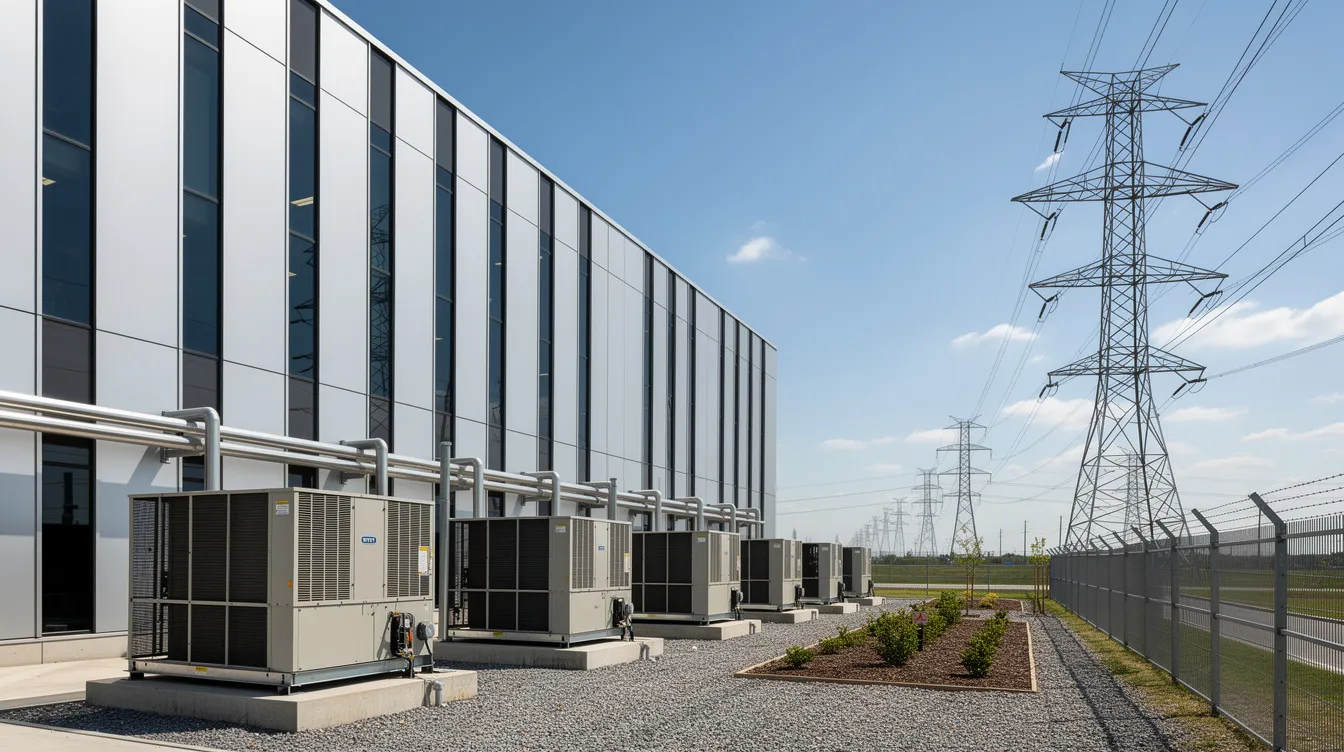
Natural gas infrastructure, electricity markets, and technology-driven power demand – including data center and high-density computing loads – are converging in ways that require coordinated corporate and energy law advice. The Federal Energy Regulatory Commission (FERC) was established in 1930 to regulate interstate electricity sales and continues to shape the landscape: FERC oversees wholesale energy markets and electricity transactions, and FERC approved the first regional transmission organization in 2001, establishing frameworks that still govern power authorities and transmission planning. State regulations impact energy rates and competitive markets, creating additional complexity for projects that span multiple jurisdictions.
INK™ Law supports natural gas-related corporate work including gas gathering and processing joint ventures, LNG and pipeline capacity arrangements, storage transactions, and gas supply agreements linked to power generation or industrial loads. For data center developers and large energy consumers, the firm assists with power purchase agreements and long-term energy supply contracts, including negotiation of pricing structures, curtailment rights, and reliability and redundancy obligations. Energy efficiency considerations – from system design to contractual incentives – are increasingly embedded in these agreements.
The firm understands regional market differences, such as ERCOT in Texas versus the Western Interconnection states, and coordinates with local regulatory counsel when necessary to address FERC or state-level energy regulatory and utility issues. INK™ Law helps clients align energy offtake and supply contracts with data center design, financing, and site control arrangements to make projects financeable and resilient.
Developers, sponsors, and large energy consumers should reach out through the online contact form or by calling (720) 307-2627 to discuss a natural gas or data center-related project.
Renewables and Energy Transition Transactions
INK™ Law’s energy practice extends to renewables and energy transition work: solar and wind farms, battery storage projects, renewable natural gas (RNG), and emerging technologies such as hydrogen and carbon capture. Renewable energy projects include solar, wind, and hydroelectric systems, and the renewable energy industry continues to grow as distributed energy resources can reduce costs for businesses and communities. Renewable energy companies and renewable energy clients increasingly need corporate counsel that understands both the technical project development process and the financial structures that make projects viable. Holland & Knight assists in financing renewable energy projects globally, reflecting the international scope of capital flows in this space – and reinforcing that developers need counsel comfortable with cross-border structuring and institutional investor expectations.
INK™ Law handles corporate structuring and joint venture arrangements for project developers and investors, including sponsor-investor LLC agreements, tax equity-friendly structures, and portfolio-level holding companies for multiple projects drawing on renewable sources. The firm’s energy attorneys manage site control and development agreements – leases, easements, option agreements, interconnection and transmission arrangements – and integrate them into broader corporate and financing strategies.
Offtake contracts, including PPAs, virtual PPAs, and hedges, are commercial transactions that significantly influence project value and bankability. INK™ Law can coordinate with specialized regulatory counsel on incentives and regulatory compliance – such as federal tax credits, state RPS requirements, and interconnection rules – while keeping corporate structure and transaction terms aligned.
Renewable developers, sponsors, and investors can connect with INK™ Law to review current or planned projects through the strategic energy law page and the contact form.
Outside General Counsel for Growing Energy Companies
INK™ Law’s outside general counsel model provides a long-term strategic partnership for small and mid-sized energy companies that do not yet maintain full in house counsel departments. Rather than engaging a different law firm for each issue, clients gain a single team with institutional knowledge of their assets, stakeholders, and risk profile.
Under this model, INK™ Law handles ongoing contract drafting and negotiation, vendor and service agreements, HR and employment issues in coordination with employment counsel as necessary, regulatory compliance calendars, policy development, and board and investor communications. The firm can advise clients on day-to-day operational questions and assist clients with strategic planning – all while maintaining the flexibility to scale up for transactions, disputes, or regulatory events.
Outside general counsel services integrate with the firm’s other practices – M&A, intellectual property, securities, real estate, and commercial litigation – to provide a cohesive legal solution as the business scales and encounters more complex issues. Practical benefits include predictable legal budgets, consistent risk management, faster response times, and a legal team that already understands the client’s operations.
INK™ Law supports private companies headquartered in or operating across markets such as Denver, Houston, Phoenix, Salt Lake City, and other Western and Mid-Continent hubs. Founders, CFOs, and general managers are invited to schedule an introductory strategy call via the online contact form or by calling (720) 307-2627.
Protecting Intellectual Property and Technology in Energy Businesses
Modern energy companies – from oilfield technology firms and software providers to data-rich operators and renewable innovators – often own valuable intellectual property that must be protected strategically. INK™ Law coordinates between its energy lawyers and its intellectual property team to safeguard patents, trade secrets, proprietary data, and brand identity for energy sector clients.
IP-intensive energy assets include drilling and completion technologies, SCADA and monitoring systems, emissions-reduction technologies, software used for geological modeling or power optimization, and proprietary commercial methods. The firm integrates IP considerations into corporate and commercial transactions by ensuring appropriate IP ownership, licenses, and confidentiality obligations in joint ventures, services contracts, and M&A deals. Assisting owners of proprietary technology in structuring agreements that retain control over their innovations is a recurring priority.
When IP disputes arise in the energy context, INK™ Law’s litigation team is prepared to represent clients in federal and state courts. The firm has addressed trade secret, patent, and brand protection issues and published thought leadership on topics including AI and IP, reinforcing its depth in this intersection of energy and technology law.
Energy technology companies and operators developing proprietary systems should consult INK™ Law on their IP and contract strategies using the contact form.
Dispute Avoidance and Litigation Readiness for Energy Companies
While INK™ Law is primarily a corporate and transactional partner to energy companies, its commercial litigation team ensures that contracts and structures are drafted with dispute resolution scenarios in mind. Corporate lawyers help manage litigation and disputes in the energy sector, and proactive drafting is the most cost-effective form of dispute management.
The firm’s corporate energy lawyers work closely with litigators on key contract provisions – choice of law, forum selection, arbitration clauses, limitations of liability, indemnities, and notice requirements – to enhance enforceability and manage litigation risk. Typical dispute areas in the energy sector that good corporate drafting can help prevent or mitigate include joint interest billing disputes, royalty and mineral owner claims, midstream dedication conflicts, construction and services disputes involving construction companies and subcontractors, and M&A post-closing adjustments.
When disputes do arise, INK™ Law’s litigators handle business and contract disputes – including those with technical or regulatory energy dimensions – in state courts, federal and state courts, and arbitration before governmental entities or private tribunals. The firm’s focus is on pragmatic resolution: using negotiation, mediation, and litigation strategy to align legal outcomes with clients’ operational and financial objectives.
Companies that have experienced “handshake deal” problems or legacy contract issues should have their key agreements reviewed. INK™ Law’s approach is to identify vulnerabilities before they become expensive disputes. Reach out through the contact page to schedule a contract review.
Why Energy Companies Choose INK™ Law
Sophisticated energy clients select INK™ Law over larger or more generalized firms for specific reasons: focused energy knowledge, elite corporate and M&A capabilities, and a business-first, strategy-driven mindset. The firm pairs deal creativity with disciplined risk management – ensuring that every entity, contract, and transaction serves the client’s long-term commercial objectives.
The advantages of working with a boutique are tangible. Clients receive direct senior-attorney access, lean and efficient teams, and tailored solutions for energy operators, investors, and developers – not one-size-fits-all templates. INK™ Law’s lawyers bring extensive experience and are accustomed to working alongside in house counsel, engineering and operations teams, bankers, and other advisors. They are comfortable with the technical and commercial language of oil and gas, power, and renewables, and they represent clients with the intensity and precision that high-stakes energy work demands.
The energy practice draws on the firm’s full spectrum of legal services – corporate law, M&A, securities, IP, litigation, and real estate – so that clients have a single point of coordination for every legal issue their business faces. INK™ Law’s energy attorneys and energy lawyers serve as true strategic partners, not just service providers.
Call INK™ Law’s energy company corporate lawyers at (720) 307-2627 or send a message through the online contact form to explore how the firm can support your next transaction, project, or strategic initiative.

Frequently Asked Questions: Corporate Law for Energy Companies
The following questions address common concerns from executives, founders, and investors in energy businesses that may not be fully covered above.
When should an energy company first engage a corporate lawyer?
The best time to engage counsel is at or before formation of the entity – or before signing any significant lease, joint venture, financing, or services contract. Early involvement allows lawyers to design entity structures, governance documents, and commercial agreements that anticipate future capital needs, regulatory requirements, and exit scenarios. Fixing structural and contractual problems after the fact is significantly more expensive and, in some cases, impossible without unwinding prior transactions.
Do you represent both investors and operating companies in energy deals?
INK™ Law represents a mix of sponsors, operating companies, and investors across energy transactions. The firm carefully manages conflicts and engagement decisions to ensure that each client receives unconflicted, aligned advice on a particular transaction. Where conflicts exist, they are identified and addressed at the outset of every engagement.
Can INK™ Law help if our company is based outside Colorado?
Yes. While INK™ Law is headquartered in Denver, the firm regularly advises energy clients with operations and transactions in Texas, Wyoming, North Dakota, Oklahoma, Utah, and Arizona. For specific state or regulatory issues that require local bar admission or specialized local knowledge, the firm coordinates with trusted local counsel to provide seamless representation.
How does pricing work for outside general counsel and transaction work?
INK™ Law offers a mix of hourly billing, flat fees for defined projects where appropriate, and tailored outside general counsel arrangements designed for predictable budgeting. The best way to receive a detailed quote is to schedule a consultation via the contact form or by calling (720) 307-2627.
What information should we prepare before our first consultation?
Gather organizational documents (operating agreements, articles, bylaws), capitalization and ownership information, key commercial contracts, summaries of any pending or contemplated transactions or disputes, and a high-level overview of the company’s assets and operations. This allows INK™ Law’s team to quickly assess priorities, identify risks, and propose a clear path forward.