Energy Technology Lawyer: Transactions, Protecting IP, Commercializing Innovation, and Structuring Strategic Partnerships
The energy sector is being reshaped by technology at every level – from how power is generated and stored to how wells are monitored, pipelines are managed, and data centers are fueled. For the companies building, deploying, and financing these innovations, the legal stakes are enormous. A single misaligned contract term, an unprotected patent, or a poorly structured entity can cost millions in lost value or years of delay.
This guide explains how INK™ Law supports energy technology companies through the full lifecycle of commercialization: protecting intellectual property, structuring ventures, drafting and negotiating commercial contracts, and closing strategic transactions.
Key Takeaways
- INK™ Law helps energy technology companies protect intellectual property, structure complex deals, and commercialize innovations across oil and gas, natural gas, and renewable energy. The firm integrates energy law, corporate and securities practice, and IP services to support sophisticated transactions – including joint ventures, technology licenses, power purchase agreements, and project financings – in the current 2024–2026 marketplace.
- The firm’s specific focus areas include renewable energy, solar energy projects, energy storage, carbon capture, data center power, and digital oilfield technologies, with tailored contract drafting and due diligence support at every stage of development. Green technology – encompassing a broad range of renewable products and processes aimed at reducing emissions and conserving energy – sits at the center of this practice.
- From November 2025 through May 2026, announced U.S. power and utilities M&A surged to USD $216 billion, a 173% increase over the prior period. Energy storage has become a top investment priority, with 90% of respondents in a leading industry survey ranking it as essential. Yet during April 2026 alone, nearly 1.8 GW of planned generation and storage projects were canceled or postponed, representing roughly $3 billion in lost investment – highlighting how much rides on early legal strategy.
- INK™ Law is headquartered in Denver, Colorado, and serves clients throughout Colorado, Arizona, Utah, Wyoming, Texas, North Dakota, Oklahoma, and across national energy hubs including Houston, Phoenix, Salt Lake City, and Los Angeles.
- Ready to discuss your energy technology transaction? Call INK™ Law at (720) 307-2627 or message us online to schedule a strategic consultation.
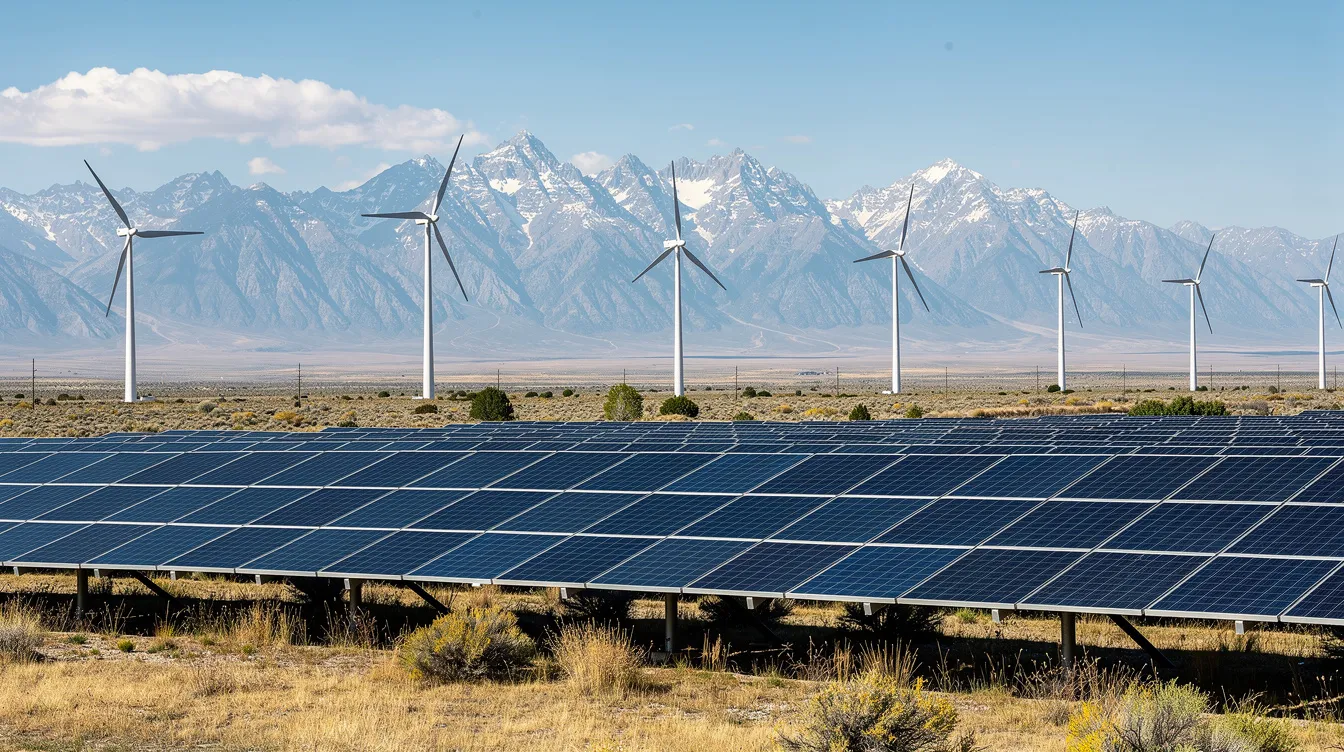
Why Energy Technology Transactions Require Specialized Counsel
Today’s energy technology deals sit at the intersection of energy regulation, complex commercial contracts, and intellectual property strategy. Energy technology law encompasses both traditional energy regulation and emerging technologies, and the legal frameworks for these projects often depend on the specific technology and jurisdiction involved. Lawyers who specialize in navigating legal frameworks for renewable energy projects and advanced oilfield solutions must understand how all these domains interact – because the clients facing these issues cannot afford to learn through trial and error.
Typical clients include:
- Energy technology startups developing novel battery chemistries, grid optimization software, or carbon capture processes
- Renewable energy developers pursuing solar, wind, and storage projects
- Oilfield service companies and software vendors deploying digital tools in the field
- Data center and infrastructure developers securing reliable power supply
- Private equity funds and strategic acquirers targeting energy technology assets
The unique risks in this space are significant. Energy technology projects face litigation risks due to environmental and regulatory challenges. Long project timelines, capital-intensive construction, third-party data reliance, shifting regulatory frameworks, and IP ownership disputes across joint development and field deployments all create compounding exposure. These are not ordinary business transactions – they require specific experience combining energy, corporate, and IP knowledge in a single, integrated advisory relationship.
INK™ Law provides that integrated counsel so clients do not have to juggle multiple disconnected firms.
Planning a 2024–2026 energy technology rollout or transaction? Call
(720) 307-2627 for coordinated deal strategy.
INK™ Law’s Integrated Energy Technology Practice
INK™ Law is a Denver-headquartered business and energy firm representing companies throughout Colorado, Arizona, Utah, Wyoming, Texas, North Dakota, Oklahoma, and beyond. The team draws on deep understanding of both traditional energy operations and the technologies transforming them.
Core practice strengths relevant to energy technology include:
- Energy Law – upstream oil and gas, midstream energy, renewables (solar, wind, storage, hydrogen)
- Corporate & Business Law – entity formation, structuring, governance, commercial transactions
- Mergers & Acquisitions – buy-side and sell-side transactions, deal structuring, corporate finance
- Intellectual Property – patents, trademarks, copyrights, trade secrets, IP strategy and protection
- Securities & Finance – capital raises, regulatory compliance, lending, secured transactions
- Real Estate – commercial real property, land acquisition, easements, surface and mineral rights
The firm structures, negotiates, and documents energy technology transactions such as joint ventures, power purchase agreements, solar leases, data center power contracts, equipment and software licenses, and project development agreements. INK™ Law works with innovators at every stage – from early-stage pilots and demonstrations to commercial-scale rollouts, cross-border licensing agreements, and acquisition exits.
Protecting Intellectual Property in Energy and Clean Technology
Intellectual property is often the core value driver in energy technology companies, whether in renewable energy, oilfield optimization, or digital grid solutions. Innovators develop new solutions to address environmental challenges, and the legal strategies around those innovations can determine whether a company captures or loses the value it creates. Intellectual property management is crucial for protecting innovations in energy technology – and patent disputes in green technology can lead to costly litigation if portfolios are not managed proactively.
Typical IP assets in this space include:
- Patents for solar energy innovations, battery chemistries, carbon capture processes, enhanced recovery tools, and compressor or fluid handling machinery
- Software and algorithms powering grid optimization, predictive maintenance, SCADA solutions, and data analytics platforms
- Trade secrets covering proprietary fabrication processes, internal algorithms, and performance datasets
- Trademarks and copyrights protecting platform brands and technical documentation
The industry benchmark for clean technology IP practice is substantial – and strong counsel in this area often pairs deep experience with fluency in science and engineering. INK™ Law’s intellectual property capabilities include patent prosecution, patent applications, trademark portfolio development, copyright protection for software and technical content, and trade secret strategies for proprietary algorithms and operational data.
Critically, the firm advises clients on IP ownership and licensing in collaboration agreements, field trials with operators, joint ventures, and M&A – and is committed to ensuring that valuable technology is not inadvertently assigned away. Aligning IP strategy with commercial goals means securing exclusive rights for key markets, creating licensing revenue through well-drafted licensing agreements, and preparing clean patent portfolio records to support later acquisition or investment.

Corporate Structuring for Energy Technology Ventures
Thoughtful corporate and entity structuring can facilitate investment, protect IP, and support cross-border operations for energy technology companies. These decisions – made early – have downstream consequences that touch everything from capital raising to exit value.
Key structuring considerations include:
- Entity selection: choosing between LLC, C-Corp, S-Corp, or holding company structures based on investor expectations, tax efficiency, and governance needs
- Separating assets: placing core intellectual property in a dedicated entity, operating assets in another, and project-specific renewable energy or midstream assets in separate project companies – managing risk and optimizing tax outcomes
- Governance documents: tailored shareholder or operating agreements addressing control, capital calls, exit rights, anti-dilution, and board composition for ventures backed by private equity, family offices, or strategic energy companies
INK™ Law advises on how these early-stage structuring decisions made in 2024–2025 can materially affect exit options and deal value in later years. The legal landscape for energy projects is shaped by government incentives and tax policies, and structuring must account for eligibility criteria tied to IRA tax credits, domestic content rules, and state-level programs.
Energy Technology Commercial Contracts and Licensing
Commercial contracts are where energy technology is actually monetized. Complex contractual relationships are fundamental in managing risks in energy projects, and the terms negotiated in these agreements will govern performance, revenue, and liability for years or decades.
Common agreement types include:
| Contract Type |
Key Issues |
| Software / technology licenses |
Scope, territory, duration, field-of-use restrictions, updates and improvements |
| Equipment supply agreements |
Performance warranties, delivery schedules, acceptance criteria, quality controls |
| Master service agreements |
Indemnity and liability caps, insurance requirements, termination rights |
| Data-sharing and analytics contracts |
Data ownership, derivative data rights, privacy, cybersecurity, audit rights |
| SaaS arrangements for energy operators |
Uptime, service levels, rollback/remediation, data portability |
Contract drafting and negotiation in this space demand attention to details that standard commercial lawyers often miss. Who owns derivative data generated by monitoring wells, turbines, or solar arrays across a 10-year contract? Who controls improvements to licensed technology? Are performance guarantees backed by meaningful remedies?
Attorneys draft contracts with contingencies for zoning approvals, regulatory milestones, and interconnection timelines. INK™ Law draws on its existing energy contract experience – including master service agreements, confidentiality agreements, and complex indemnity provisions – to protect clients in these deals. The firm’s team understands that a single poorly drafted IP improvements clause can transfer millions of dollars in technology value to the wrong party.
Renewable Energy and Solar Energy Transactions
Renewable energy projects increasingly rely on sophisticated technology – tracking systems, performance optimization software, advanced inverters, and battery energy storage. The legal support surrounding solar energy projects, wind development, and related construction is as complex as the engineering.
INK™ Law provides legal support for solar projects and broader renewable energy development, covering:
- Site control, real estate, and land use, including long-term ground leases and surface use agreements
- Environmental review and permitting, including compliance with the NYSDEC Brownfield Cleanup Program for solar project siting on brownfields or landfills where applicable
- Negotiation of solar leases, power purchase agreements, and interconnection agreements
- Structuring to leverage federal and state solar incentives, including the IRA’s Investment Tax Credit, while coordinating with clients’ tax professionals
Project financing often relies on power purchase agreements and other contractual frameworks. States are offering attractive incentives for low-carbon energy sources. For example, Pennsylvania’s KOZ program can eliminate taxes for up to 10 years, making it a compelling jurisdiction for energy development – and Pennsylvania has a low natural disaster risk, adding to its appeal. NYSERDA offers solar project incentives through the MW Block Program. The Act 2 Land Recycling Program offers additional incentives for brownfield cleanup. Legal guidance helps navigate these complex tax incentive programs effectively, and attorneys assist in minimizing tax burdens during project planning.
Brownfield redevelopment for solar projects has covered over 700 acres across the country, demonstrating that even contaminated or underused land can become productive clean technology infrastructure. Solar projects have redeveloped over 700 acres of brownfields with proper legal and environmental support.
The firm’s industry experience extends to renewable energy project M&A, joint ventures with utilities or independent power producers, and technology supply agreements for key components such as battery energy storage systems. Attorneys have navigated zoning for solar projects in 37 municipalities, and solar projects must meet Public Service Commission requirements in many jurisdictions.
Pursuing a renewable energy development or solar acquisition? Call
(720) 307-2627 to discuss comprehensive due diligence, contract drafting, and closing support for your upcoming deal.
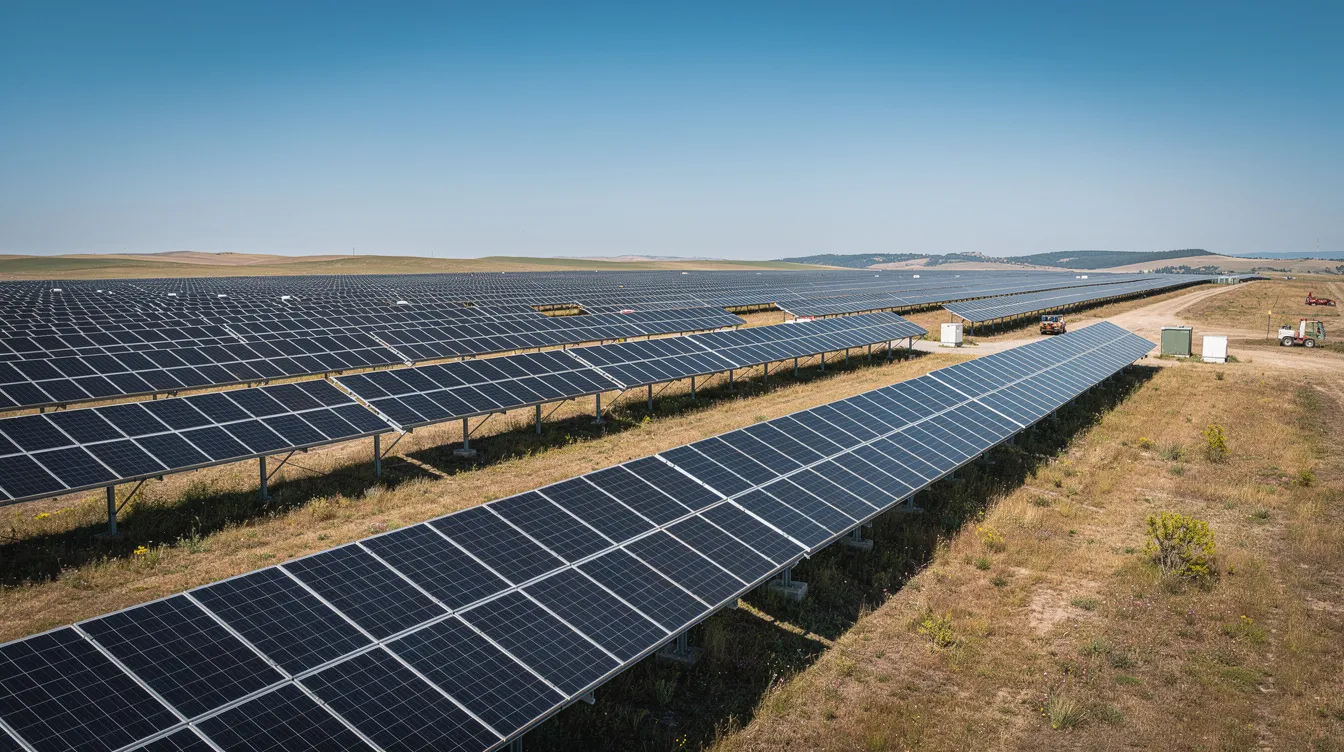
Oil & Gas, Midstream, and Digital Field Technologies
Many breakthrough energy technologies are deployed first in oil and gas and midstream operations – from sensor arrays and automation to predictive maintenance and water management systems. These deployments involve both cutting-edge innovations and deeply traditional contractual frameworks.
INK™ Law supports upstream producers, service companies, and midstream operators with contract structures for deploying new tools, software, and services in the field. This includes pilot projects, phased rollouts, and scaling across basins. Key issues include:
- Allocation of operational risk and insurance requirements in field deployments
- Field test data rights – who owns the raw data, who can use derived analytics, and what confidentiality obligations apply
- Performance benchmarks and remedy structures for underperforming technologies
- Integration of new digital tools into existing joint operating agreements, master service agreements, and pipeline easements
The firm’s regional focus spans major oil and gas markets in Colorado, Texas, North Dakota, Wyoming, and Oklahoma. This geographic knowledge matters because local custom and practice in contract drafting and land use vary significantly across basins and jurisdictions.
Digital oilfield and water-handling technologies often trigger both IP concerns and traditional oil and gas real estate and land use questions – for instance, deploying sensor infrastructure on leased surface rights that are separate from mineral interests.
Energy Storage, Carbon Capture, and Data Center Power Projects
Grid-scale battery energy storage, carbon capture and sequestration, and data center power solutions combine intensive infrastructure with cutting-edge technology. Batteries and renewable technologies require specific legal strategies for interconnection and financing, and grid interconnection requires navigating complex agreements and technical standards.
Typical transactions in this space include:
- Development agreements and joint ventures for storage and CCS facilities
- Site control and real estate deals, including pore space rights for carbon sequestration
- Energy supply and offtake contracts for data centers and hyperscale computing facilities
- Long-term operations and maintenance arrangements with performance-linked compensation
- Complex financing structures involving lenders, investors, tax equity partners, and public incentives
Carbon capture projects carry particular regulatory and permitting considerations: pore space rights, monitoring obligations, and long-duration liabilities that can extend decades beyond active operations. Decommissioning obligations are a critical aspect of energy project lifecycle management for storage and CCS assets. INK™ Law monitors evolving federal and state frameworks to help clients structure around these risks.
For data center and digital infrastructure developers, the firm supports energy supply contracts, grid interconnection arrangements, easements and utility access, and negotiation of incentives with state and local authorities. Oracle’s 1.3 GW “Project Lighthouse” in Wisconsin illustrates the risks:
the project faces severe power delivery delays after regulators restarted grid review, pushing customer delivery past 2027. These delays underscore the importance of due diligence on grid capacity, environmental risks, and long-term land use restrictions before committing capital.
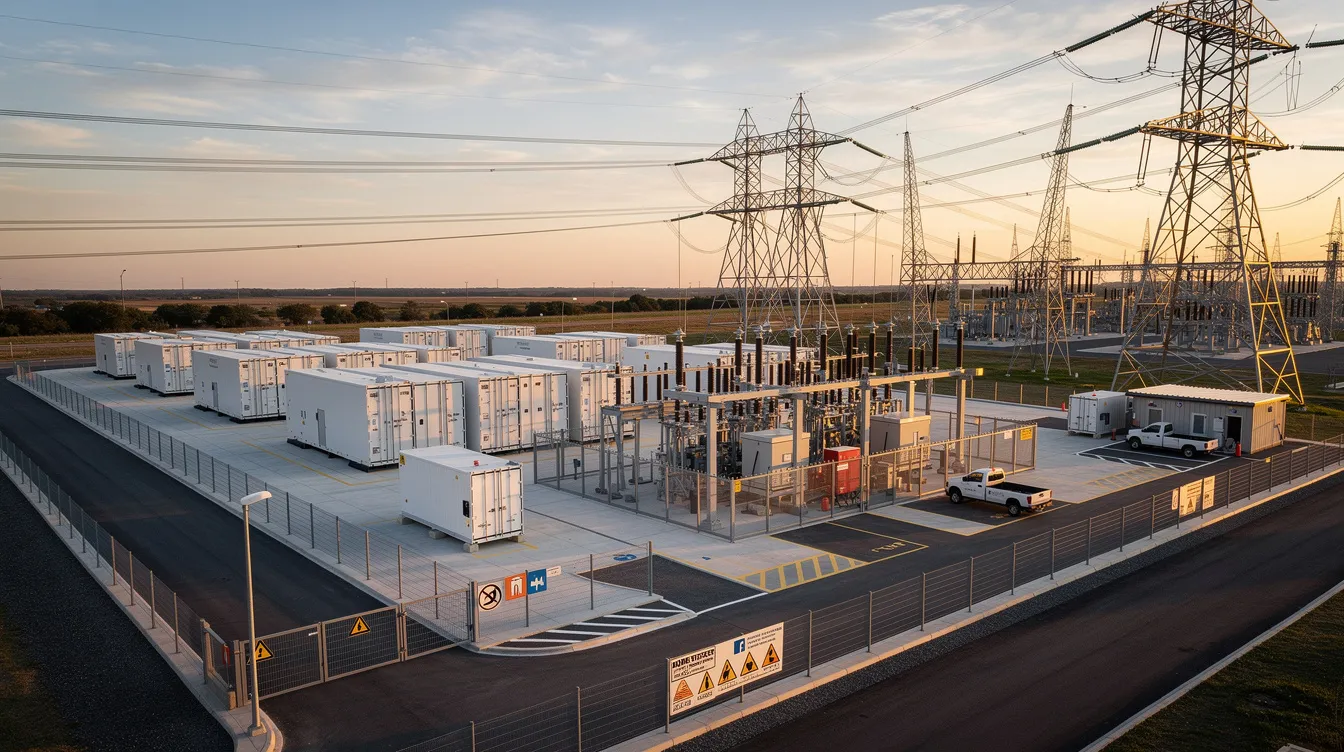
Real Estate, Land Use, and Site Control for Technology-Driven Energy Projects
Even the most advanced energy technology requires solid real estate, land use, and site control foundations – whether for solar fields, battery installations, pipelines, or data centers. Utility access must be assessed for feasibility before construction begins, and permitting processes involve application deadlines and public notice requirements that can delay projects by months or years.
Key issues include:
- Zoning and permitting, including navigating municipal planning board permitting processes
- Land use approvals and compliance with local zoning ordinances
- Easements and rights-of-way for utilities, power, fiber, and pipeline infrastructure
- Mineral and surface rights conflicts, particularly in states with split-estate traditions
- Environmental constraints affecting project siting and expansion
Legal teams analyze zoning ordinances during site due diligence to identify restrictions that could block or limit development. Zoning processes for solar projects have been navigated in over 37 municipalities, demonstrating the range of local requirements that developers face. Lawyers guide companies through municipal planning board permitting processes, and attorneys help navigate local zoning requirements for solar projects across diverse jurisdictions.
Community and tribal engagement is essential for energy projects developed near indigenous lands, and INK™ Law ensures that stakeholder concerns are addressed early in project planning.
INK™ Law’s real estate and energy practices coordinate to structure land acquisition, long-term ground leases, surface use agreements, and easements. The firm conducts and coordinates thorough site due diligence, including title review, survey, environmental assessments, and evaluation of local regulatory risk. For renewable energy projects, overlapping wind, solar, and oil and gas interests on the same tract are increasingly common – and careful contract drafting can prevent disputes between competing stakeholders before they arise.
Mergers & Acquisitions, Joint Ventures, and Strategic Alliances
Many energy technology companies grow by partnering with, or selling to, established operators, utilities, and infrastructure funds. Energy projects often require extensive transactional and project finance structuring, and the current deal environment rewards companies that are prepared.
INK™ Law plays an active role in buy-side and sell-side transactions involving energy technology assets, including:
- Stock and asset deals, carve-outs of IP portfolios, and spin-offs of technology-focused subsidiaries
- Joint ventures between technology providers and energy operators, covering capital contributions, governance, exclusivity and non-compete provisions, and IP ownership arrangements
- Strategic alliances where developers and investors align around specific projects or basins
Integrating securities law, corporate finance, and energy regulatory knowledge is essential in these deals – particularly when private placements or fund-level investments are involved. The firm structures governance, profit sharing, and exit mechanisms to align with both short-term deployment goals and long-term sustainability of the venture.
Contemplating a 2025–2026 sale or strategic partnership? Call
(720) 307-2627 or
contact INK™ Law online to begin pre-transaction planning and due diligence.
Energy Technology Due Diligence and Risk Allocation
Thorough due diligence is critical before acquiring, investing in, or deploying energy technology. Risk management in energy law requires early stakeholder engagement and clear contractual agreements to allocate exposure before problems materialize.
Typical due diligence scopes include:
| Diligence Area |
Focus |
| Intellectual property |
Patent filings, ownership, assignments, freedom-to-operate, litigation exposure |
| Contracts and licenses |
Supplier, customer, JV, software, and field test agreements |
| Regulatory and permitting |
Environmental permits, safety compliance, state and federal approvals |
| Real estate and site control |
Title, easements, zoning, environmental risk, survey |
| Financial and technical |
Performance projections, warranties, O&M costs, financing commitments |
INK™ Law performs and coordinates energy due diligence for both technology-focused investments and project-level acquisitions, providing clear risk summaries and recommendations for deal terms.
Findings translate directly into purchase agreements through indemnities, covenants, holdbacks, earn-outs, and insurance provisions tailored to energy technology risks. For example, discovering a missing IP assignment during diligence can be addressed through targeted closing conditions requiring the seller to deliver executed assignments before or at closing, with post-closing indemnity backing. An unresolved permitting issue can be handled through a holdback tied to permit issuance milestones – protecting the buyer’s capital while keeping the deal on track.
Regulatory, Environmental, and Security Considerations
Energy technology deployments sit within larger regulatory regimes. Regulatory compliance involves adherence to local, national, and international energy laws. Infrastructure projects must comply with local, state, and federal rules, and emerging technologies are reshaping the regulatory environment for energy projects at every level.
Key regulatory touchpoints include:
- FERC and state public utility commissions for power projects, interconnection, and classification of energy storage assets
- Environmental agencies for air and water permits, including environmental impact assessments required for major energy project approvals
- State oil and gas commissions for field deployments, safety, and operational compliance
- Lawyers help navigate complex Public Service Commission requirements across multiple states
Energy projects must comply with safety and operational regulations once they start operating. Environmental compliance includes monitoring stormwater discharge and emissions, and
permitting reform legislation advancing in Congress aims to streamline NEPA reviews and interstate transmission siting.
Digital and data-heavy energy technologies also raise cybersecurity, privacy, and data governance concerns, particularly where operational data and personal information overlap. INK™ Law coordinates with client security teams to address these risks in contract structures.
The firm advises clients on integrating regulatory compliance obligations into contracts – including reporting duties, audit rights, and change-in-law provisions to account for evolving standards between 2024 and 2030. While regulations are complex and shifting, a proactive legal strategy can transform compliance from a vulnerability into a competitive advantage.
How INK™ Law Works With Energy Technology Clients
INK™ Law’s client-service model is built around strategic counseling, clear communication, and business-focused legal advice grounded in real-world energy operations. The firm’s attorneys – including experienced energy and IP practitioners – collaborate closely so that clients receive integrated advice rather than fragmented input from separate practice silos.
Typical engagement formats include:
- Outside general counsel for scaling technology companies that need ongoing strategic support without a full in-house legal department
- Deal-by-deal representation for investors and acquirers pursuing specific energy technology transactions
- Project-specific support for developers and operators needing targeted help with permitting, contracts, or financing for a defined scope
The firm’s intake process begins with an initial consultation, followed by issue identification, phased work plans, and transparent budgeting tailored to the complexity of the engagement. This approach ensures that clients know what they are paying for and what outcomes to expect at each stage.
When to Call an Energy Technology Lawyer at INK™ Law
Timing matters. Bringing in an energy technology lawyer early can avoid expensive rework in contracts, corporate structures, and IP strategies. Legal frameworks for energy projects often depend on the specific technology and jurisdiction, and the earlier those frameworks are mapped, the fewer surprises arise downstream.
Common trigger events include:
- Launching a pilot project with a major operator or utility
- Negotiating a power purchase agreement for a new technology deployment
- Raising a significant funding round or onboarding institutional investors
- Entering a joint development agreement with shared IP implications
- Considering a sale, acquisition, or strategic partnership
INK™ Law can also review and “stress test” existing contracts and structures for companies that grew quickly without dedicated energy technology counsel during earlier stages. Don’t wait until a dispute arises or a deal falls apart. Preventative legal strategy and early-stage due diligence on key relationships and assets are far less expensive than litigation or restructuring after the fact.
Schedule a consultation today. Call
(720) 307-2627 or send a detailed message through the firm’s
contact page to get started.

FAQs: Energy Technology Transactions and INK™ Law
The following FAQs address common questions not fully covered above. For detailed guidance on your specific situation, contact INK™ Law directly.
What kinds of energy technology companies does INK™ Law typically represent?
The firm represents a range of clients, including renewable energy developers and sponsors, solar and battery technology companies, oilfield service and software providers, carbon capture and storage ventures, data center and digital infrastructure developers, and investors and acquirers of energy technology assets. Whether a company is at early-stage pilot or operating at commercial scale, INK™ Law can provide tailored legal support.
Do I need both an energy lawyer and an intellectual property lawyer for my technology?
Many matters benefit from both perspectives. INK™ Law provides integrated support from energy-focused attorneys and IP counsel so clients do not have to coordinate between separate firms. This is particularly valuable in transactions where IP ownership, licensing, and energy regulatory compliance are all at the forefront of the deal.
Can INK™ Law help if my company is based outside Colorado or operates in multiple states?
While the firm is headquartered in Denver, its practice serves clients across the United States, with particular focus on Colorado, Texas, Arizona, Utah, Wyoming, North Dakota, Oklahoma, and national energy and technology hubs. The firm regularly works with local counsel where required by state-specific licensing or regulatory requirements.
At what stage should a startup energy technology company engage INK™ Law?
Engaging counsel early – around the time of initial pilots, meaningful revenue contracts, or the first institutional funding round – can significantly improve IP positioning, contract templates, and corporate structure. That said, the firm also helps mature businesses upgrade or unwind legacy arrangements that no longer serve their commercial goals.
How do I get started working with INK™ Law on an energy technology project or transaction?
Prospective clients can call INK™ Law at
(720) 307-2627 or submit a brief description of their project and objectives through
https://ink.law/contact/. The firm will schedule a consultation to discuss scope, timelines, and next steps tailored to your energy technology needs.