
Essential Guide to Choosing the Right Energy Due Diligence Lawyer
Energy transactions carry risks that standard corporate due diligence cannot catch. Title defects buried in decades-old lease assignments, unresolved plugging obligations, interconnection queue positions that may never convert to commercial operation: these are the issues that separate profitable energy deals from expensive mistakes. This page explains what INK™ Law reviews, why it matters, and how we structure the diligence process to protect buyers, sellers, and investors across the energy sector.
Key Takeaways
- INK™ Law helps buyers, sellers, and investors identify regulatory, environmental, commercial, and title risks in energy projects before closing. Hiring an energy due diligence lawyer mitigates risks and ensures regulatory compliance during transactions.
- Our energy due diligence work spans upstream oil and gas, midstream infrastructure, and renewable energy projects (solar, wind, battery storage, carbon capture) across key basins and markets including the DJ, Permian, and Williston.
- We integrate energy law, M&A, corporate, and finance experience to scope and prioritize diligence around issues that affect valuation, not just catalog every document in the data room.
- Regulatory compliance (including Federal Energy Regulatory Commission rules, state commissions, and environmental agencies) and interconnection risk are front-and-center in our reviews.
- Call INK™ Law at (720) 307-2627 or message us online to get a tailored diligence plan for your next energy transaction.
Why Energy Transaction Due Diligence Actually Decides Deal Value
The true purchase price of an energy asset is the closing price plus every liability and missed revenue stream uncovered after the wire transfer clears. Legal due diligence prevents costly disputes by uncovering hidden legal liabilities early, before they become post-closing surprises. Thorough legal reviews support investment decisions in the energy sector by identifying potential risks that would otherwise erode returns.
Energy projects often require upfront legal, regulatory, and environmental due diligence that goes far beyond a standard corporate checklist. From 2022 through 2026, rapid policy changes around the energy transition, new tax credits under the Inflation Reduction Act, and shifting federal and state enforcement priorities have made cookie-cutter approaches dangerous. In 2023 alone, U.S. E&P companies spent roughly $234 billion on M&A in real terms, with two platform deals (Exxon-Pioneer at $64.5 billion and Chevron-Hess at $60 billion) setting the pace. Investors deployed $105 billion in renewable energy in 2021. At those dollar amounts, missing a single material defect can cost millions.
INK™ Law focuses on risk that moves the model in the heavily regulated energy industry: title and contract defects, regulatory non-compliance, interconnection risk, offtake exposure, and environmental compliance costs. We translate technical, regulatory, and commercial complexity into clear “go, no-go, or re-price” decisions, where federal and state rules play a critical role.
If you are evaluating an acquisition or divestiture right now, call (720) 307-2627 or send us a message to scope an efficient diligence process within days, not weeks.

Where INK™ Law Fits in Your Energy Deal Team
INK™ Law is a Denver-headquartered business and energy law firm representing clients nationwide, with particular depth in Colorado, Texas, Oklahoma, North Dakota, Wyoming, Utah, Arizona, and California. We serve as transaction counsel and outside general counsel for energy companies, operators, developers, and investors, working alongside your bankers, engineers, landmen, and environmental consultants.
Key transaction types we support include:
- Asset and stock purchases
- Platform acquisitions and portfolio divestitures
- Farmouts and farmins
- Joint ventures and project-level SPVs
- Reserve-based and project finance structures
- Tax equity and private placement transactions
Our Energy Law, Mergers & Acquisitions, Energy Finance, and Corporate & Business Law groups collaborate on an integrated due diligence plan aligned with your deal structure and financing. Clients can also explore our energy M&A, oil and gas asset acquisition, renewable energy project, and energy finance advisory services through the INK™ Law website.
Scoping Legal Due Diligence for Energy Projects
Every energy transaction begins with a scoping call where we map the proposed structure (asset vs. equity), key value drivers, financing sources, and closing timeline. Energy due diligence involves risk mitigation, transaction valuation, and ensuring regulatory protection; scoping correctly determines how much of each gets done. Coordination with financial and technical teams is essential in energy due diligence processes, and INK™ Law builds those legal and technical due diligence services into the plan from day one.
We prioritize diligence around the specific asset type:
- Upstream: Leases, joint operating agreements, mineral title, royalty burdens, and plugging obligations
- Midstream: Gathering and transportation contracts, easements, pipeline safety compliance, and tariff structures
- Renewables: Power purchase agreements, interconnection agreements, incentive eligibility, and land control
Typical diligence workstreams we scope include:
- Corporate existence, authority, and capitalization
- Title and real property review
- Commercial contract analysis
- Regulatory compliance assessment to identify potential risks tied to the asset and deal structure
- Environmental compliance and legacy liabilities
- Interconnection risk evaluation
- Labor, employment, and pending litigation
- Finance, securities, and lien searches
For deals under roughly $20 to $30 million, we often recommend a phase-gated diligence plan to control costs, starting with “fatal-flaw” screening before committing to a deep-dive review. Contact INK™ Law at (720) 307-2627 to receive a sample energy due diligence checklist tailored to your deal.
Corporate, Ownership, and Deal-Structure Review
For stock or membership interest acquisitions, we confirm the target’s corporate existence, authority, and capitalization, and test whether ownership and governance support the proposed transaction. Energy due diligence reviews corporate records, operating licenses, and historical permits to ensure nothing in the entity’s history creates an obstacle. Contracts, permits, and stakeholder consents must be successfully transferred post-closing, and we identify every consent, waiver, or approval that closing requires.
Our team reviews LLC agreements, shareholder agreements, voting arrangements, and prior issuances to identify:
- Consent requirements and preemptive rights
- Change-of-control restrictions
- Anti-dilution or tag-along provisions
- Existing pledges or encumbrances on equity
In asset deals, we focus on which assets and liabilities are actually transferring, how cure periods and consents work, and whether the deal structure aligns with tax and regulatory goals.
Consider a mid-sized operator buying working interests in the DJ Basin in 2025. Late in diligence, counsel discovers that the operating agreement for a key production unit requires unanimous consent for assignment, and one non-operating partner has been unreachable for six months. That single defect delayed closing by two months and required a $1.2 million purchase-price reduction to account for the risk of losing the interest.
Title, Land, and Real Property Risks in Energy Projects
Clear title and control over the project site or mineral estate are foundational to any energy transaction. An energy due diligence lawyer examines complex title and survey documents to ensure project integrity, and energy due diligence lawyers verify ownership and title integrity during transactions. Defective land leases or unassigned environmental permits are fatal flaws in energy transactions.
For upstream oil and gas and natural gas assets, we coordinate with landmen and title attorneys to review:
- Chain of title and depth or formation limitations
- Pooling and unitization obligations
- Overriding royalties and net revenue interest burdens
- Surface rights, access easements, and restrictive covenants
A 2026 GAO report found that companies adjusted reported royalties on federal leases downward by roughly $2.7 billion over a ten-year period (2014 to 2024), illustrating how royalty burden miscalculations can create material exposure for buyers.
Midstream and pipeline deals require special focus on easements, rights-of-way, encroachment, and condemnation risk, especially in states like Texas, Colorado, Wyoming, and North Dakota, where land use rules and local regulations vary by county and municipality.
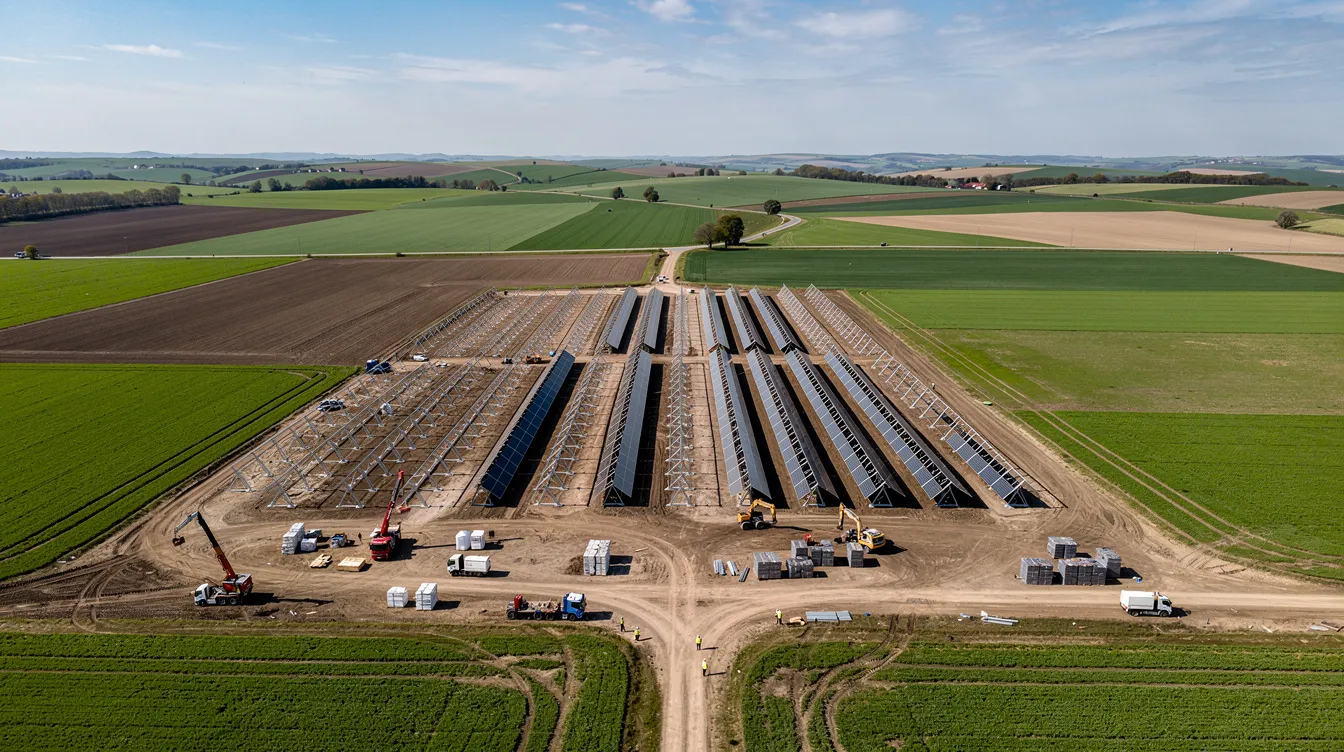
For renewable energy projects, site control diligence covers long-term ground leases, options, access easements, zoning and land use approvals, and co-location with existing infrastructure. Land constraints, including setback requirements and agricultural preservation zones, can reduce usable acreage and project economics.
A missed consent-to-assign clause in a key pipeline easement, for example, can give the underlying landowner the right to terminate on change of control. If that easement is the sole access route to a gathering system, the buyer’s entire operational plan collapses on closing day.
Commercial Contracts: What Actually Drives Cash Flow
In most energy projects, value is locked in commercial contracts, not just the physical assets. Legal due diligence should focus on the contracts that drive revenue and critical services.
Key contract categories we review include:
- Joint operating agreements (JOAs)
- Farmout and participation agreements
- Gathering and transportation agreements
- Offtake and marketing contracts
- Power purchase agreements and tolling agreements
- Long-term service contracts (O&M, EPC warranties)
Energy due diligence lawyers review contracts to identify restrictive covenants and default risks. We assess assignability, change-of-control provisions, termination rights, price redeterminations, curtailment exposure, liquidated damages, and force majeure clauses. For renewable energy and battery storage deals, we pay special attention to bankability standards in PPAs and interconnection agreements because they directly affect project finance and tax equity structures. Investment in renewable energy projects can face construction cost overruns, and the EPC contract’s risk allocation determines who bears that exposure.
North America’s PPA activity dropped from roughly 60 GW in 2024 to 36 GW in 2025, influenced by changing tax credit economics and interconnection delays. That contraction means every active PPA is under heavier scrutiny from lenders and tax equity investors.
INK™ Law converts contract review into a risk matrix with recommended indemnities, escrows, or price adjustments, giving your deal team concrete negotiation leverage rather than a stack of flagged pages.
Regulatory Compliance Across Federal and State Regimes
The regulatory landscape for energy projects is fragmented between federal and state agencies, creating recurring compliance issues across federal, state, and local regimes. Energy projects are heavily regulated and require compliance with numerous laws and permits. Regulatory due diligence is essential to avoid unexpected liabilities, and an energy due diligence lawyer identifies permits that are missing or require transferability confirmation.
INK™ Law reviews compliance with:
- Federal and state oil and gas commissions
- Pipeline safety regulators (PHMSA)
- Environmental agencies (EPA and state equivalents)
- Public utility commissions, where applicable
- Relevant authorities overseeing applicable regulations in each jurisdiction
State Public Utility Commissions often impose stricter conditions than federal regulations. Regulatory compliance includes local zoning and environmental approvals, and regulatory audits and internal controls help ensure regulatory compliance with environmental, safety, and operational laws across all relevant jurisdictions.
For interstate pipelines, power marketers, and certain storage and transmission projects, FERC rules, approvals, and reporting obligations are central to the diligence review. FERC approval is required for transactions over $10 million, and the FERC Office of Enforcement’s FY2025 priorities include fraud, market manipulation, reliability standard violations, and threats to energy infrastructure. Companies face penalties up to $1 million per day for FERC violations.
We evaluate whether the target is in material compliance, has unresolved investigations, or faces potential enforcement risk. Regulatory risks that surface during diligence can lead to penalties, operational constraints, or deal-killing delays.
Energy companies expanding into new states should contact INK™ Law via our online form or at (720) 307-2627 to map cross-border regulatory requirements before signing a term sheet.
Environmental Compliance and Legacy Liabilities
Environmental compliance is often where historical operations create long-tail risk. Environmental and social liability assessments are critical for energy due diligence, and investigating environmental risks such as contaminated land or decommissioning obligations is vital to protecting your investment. Environmental compliance directly affects transaction value in M&A.
Key review themes include:
- Air and water permits (environmental permits are essential for energy sector compliance)
- Waste handling and disposal history
- Spill history and remediation obligations
- Plugging and abandonment (P&A) liabilities
- Obligations under CERCLA, RCRA, and state analogues
- ISO 14001 certification status, which indicates strong environmental management systems
Environmental permits must be verified for renewable energy projects, but legacy oil and gas operations present a different risk profile. As of April 2022, researchers documented roughly 123,318 orphaned wells across U.S. states. These nonproducing, unplugged wells create environmental, methane emission, and financial liability risk for any acquirer.
For renewable energy projects, environmental diligence focuses more on siting constraints: wetlands, endangered species habitat, cultural resources, and construction-phase impacts.
INK™ Law coordinates with environmental consultants to align permit conditions, timelines, and capital expenditures with the acquisition or project development model. When findings arise, they can be addressed in deal documents through special indemnities, escrows, covenants to remediate, or purchase-price adjustments.
Energy Transition, Renewable Energy Projects, and Interconnection Risk
Federal policies since 2022, including the Inflation Reduction Act, have accelerated investment in solar and wind projects, battery energy storage systems (BESS), and carbon capture projects across the U.S., with New York serving as a cutting edge example of state-level renewable policy leadership within the broader energy transition. The Inflation Reduction Act offers tax incentives for renewable energy projects, and compliance with the Inflation Reduction Act is crucial for maintaining eligibility for those tax credits. Federal policies can impact renewable energy project timelines, and federal trade policies can complicate renewable energy project valuations.
Due diligence for renewable energy projects must address unique risks:
- Interconnection queue delays: Over 2 terawatts of projects are waiting for interconnection nationwide. According to Lawrence Berkeley National Laboratory, only about 13% of capacity that entered queues between 2000 and 2020 had been built by end of 2025. Interconnection risk is a major execution risk in renewable energy, and due diligence must assess long interconnection queues and land constraints.
- Curtailment and grid reliability: Renewable energy projects can experience a 40% to 50% reduction in install capacity due to grid constraints, curtailment, and interconnection limitations.
- Supply chain disruptions: Supply chain disruptions have worsened in the renewable energy sector, affecting equipment availability, cost projections, and construction timelines.
- Technology performance: Solar panels may degrade faster than expected, impacting performance. Due diligence should review equipment and design technical specifications to confirm the project is likely to perform as expected and that the technical design is sound and scalable for long term success.
Interconnection risk can delay over 2 terawatts of projects nationwide, making queue position and network upgrade cost exposure central underwriting concerns. We review generator interconnection agreements, interconnection studies, and the potential impact on commercial operation dates and financing.
INK™ Law reviews PPAs, renewable energy credit (REC) arrangements, tax equity and incentive eligibility, and land-use approvals to ensure the legal structure supports bankable project development. Valuation can vary by technology and market cycle, so realistic assumptions about project economics are essential.
Renewable developers and investors considering acquisitions of late-stage development projects should contact INK™ Law at (720) 307-2627 for a streamlined pipeline-level diligence framework.

Safety, Operational, Cybersecurity, and Incident Response Readiness
Thorough due diligence for energy projects includes safety performance, operational reliability, and cybersecurity, with formal risk assessments informing the review. Technical due diligence evaluates equipment quality and performance testing across operating projects. Evaluating technical and operational risks is part of the energy due diligence process.
Our high-level review covers:
- OSHA and industry safety compliance records
- Incident history and root-cause analysis documentation
- Maintenance practices and integrity management programs for pipelines and processing facilities
- Technical evaluations that verify manufacturer certifications and warranties
- Performance testing data, which should include temperature and humidity variations for generation assets
Technical risks include equipment failure and technology obsolescence; both can affect long-term operating expenses and operational risks. Due diligence evaluates technical performance and operational risks to ensure that what you are buying will continue to perform.
For power plants, smart grids, and other grid-connected assets, cybersecurity policies, access controls, and incident response plans can materially affect operational risk and regulatory scrutiny. Information technology and operational technology systems at critical infrastructure assets face increasing attention from federal and state agencies. We look for documented incident response protocols, training logs, and recent testing exercises, and we flag gaps that may require post-closing remediation or covenants.
Findings in this area are allocated through indemnities, covenants, and insurance requirements in the transaction documents.
Financing, Securities, and Deal Economics Alignment
INK™ Law’s Energy Finance and Securities & Finance practices integrate with energy due diligence to ensure financing structures align with project risks and regulatory constraints. Lenders require rigorous legal due diligence before releasing capital for energy projects, and diligence findings often determine whether financing closes on time.
We review:
- Existing credit facilities, hedging arrangements, and liens
- Security packages and intercreditor agreements
- Required lender consents and refinancing constraints
- Cash flow models, which must account for energy production and price assumptions
For deals involving private placements, tax equity, or public-facing securities components, we focus on disclosure accuracy and compliance with applicable securities laws. Diligence findings often drive adjustments to covenants, financial tests, and conditions precedent in new or amended credit facilities. Interest rates and key metrics in project-finance models are stress-tested against the risk profile uncovered during diligence.
Sponsors, private equity funds, and family offices backing energy projects should contact INK™ Law through our online intake form or by phone at (720) 307-2627 to align diligence with their funding strategy.
From Diligence Findings to Negotiated Protections
Diligence only creates value if findings are translated into concrete deal terms. Due diligence findings directly influence purchase agreements, valuations, and risk allocations. Energy due diligence lawyers help structure deals by identifying risks affecting valuation, and due diligence reports provide leverage for price adjustments and additional guarantees during negotiations.
INK™ Law summarizes risk in clear, prioritized reports that deal teams use to support overall risk management in renegotiating LOIs, adjusting valuations, or re-scoping the transaction. Common negotiation levers include:
- Ring-fencing legacy liabilities through special indemnities
- Requiring remediation or compliance plans as closing conditions
- Limiting assumed obligations to specifically identified liabilities
- Staging consideration through earn-outs or milestones tied to permitting or interconnection progress
- Escrows and holdbacks sized to identified exposure
Consider a late-stage finding: an operator discovers that plugging and abandonment obligations on inherited wells are ten times larger than the seller’s estimate. Rather than killing the deal, the buyer secures a dedicated escrow funded at closing, a seller indemnity with a ten-year survival period, and a requirement that the seller complete specified remediation within 24 months. The deal closes, but on terms that protect the buyer.
This is where our combined energy, M&A, and litigation expertise allows us to anticipate how disputes may arise and structure provisions accordingly.
Our Energy Due Diligence Process and Timeline
Our process follows a clear sequence:
- Initial consult: We discuss the asset type, geography, deal structure, and your priorities.
- Scoping and budget: We deliver a written scope of work with fee estimate (flat-fee, capped, or hourly depending on the workstream).
- Data-room access and document request: We issue a tailored request list within 48 hours of engagement.
- Rolling issue spotting: We flag material issues as they surface, not at the end.
- Interim status calls: Weekly or bi-weekly updates with your deal team.
- Final risk memo: A prioritized summary delivered before signing or closing.
Typical timelines for mid-market energy deals range from 2 to 4 weeks for a single asset package to 4 to 8 weeks for multi-asset or platform acquisitions. Speed depends on data quality and scope. Strong project management skills are necessary for energy due diligence under tight deadlines, and we staff accordingly.
As part of our broader diligence services workflow, INK™ Law uses standardized checklists and templates refined from prior upstream, midstream, and renewable transactions to reduce learning curves and keep costs predictable. We can mobilize on short notice to support auctions, competitive bid processes, or distressed divestitures where timing is compressed.
Schedule a strategy call via our contact page or by calling (720) 307-2627 to discuss your ideal timeline and budget.

Why Energy Clients Choose INK™ Law for Due Diligence
Energy companies and investors hire INK™ Law for specific reasons:
- Deep energy-sector focus: Our attorneys have worked on deals involving upstream assets in the DJ, Permian, and Williston basins, midstream gathering and processing systems, and renewable energy portfolios in Western and Southwestern markets.
- Integrated corporate and finance capabilities: We combine energy law with M&A, corporate governance, and securities expertise so that diligence findings connect directly to deal documents and financing.
- Multistate experience: We practice across Colorado, Texas, Oklahoma, North Dakota, Wyoming, Utah, and Arizona, with deep knowledge of how each state’s regulatory framework differs.
- Partner-level attention: Your diligence is not handed off to a junior associate working from a generic checklist. Energy due diligence lawyers must possess deep regulatory knowledge applicable to specific asset types, and our team delivers that.
- Plain-English reporting: We communicate findings with clear bottom-line recommendations, not dense, unusable memos.
Energy due diligence further supports compliance and operational continuity over the long term. After closing, we provide ongoing outside general counsel and dispute-resolution support, helping implement the compliance improvements identified during diligence. Whether you are a sponsor, operator, developer, or investor, a focused diligence strategy from INK™ Law protects your downside while preserving deal momentum.
Talk With an Energy Due Diligence Lawyer at INK™ Law
Do not wait until after signing a purchase agreement or LOI to involve legal counsel in scoping diligence. The earlier we engage, the more leverage you retain to shape data-access rights, closing conditions, and risk allocation.
Next steps:
- Call INK™ Law at (720) 307-2627 to speak with an energy transaction attorney.
- Use our secure online form to request a consultation.
We typically respond within one business day and can provide an initial view on scope, likely regulatory issues, and budget parameters during an introductory call. When you reach out, share these basics: asset type (upstream, midstream, renewables), geography, anticipated purchase price, and target signing or closing date.
The right due diligence partner converts risk into structured protections. The wrong one, or none at all, converts it into post-closing litigation.
Frequently Asked Questions About Energy Transaction Due Diligence
When should I engage an energy due diligence lawyer in the deal process?
The ideal time is before signing a binding purchase agreement and often before an LOI, so counsel can help shape diligence rights, access to data, and closing conditions. For competitive auctions, we can rapidly review teaser materials and management presentations to flag headline regulatory, environmental, or interconnection risks. INK™ Law can also be brought in mid-process to stress-test existing diligence and identify overlooked legal challenges before closing.
How is energy due diligence different from general M&A due diligence?
Energy deals layer sector-specific issues on top of normal corporate, tax, and contractual review. Title to mineral estates works differently than title to commercial real property. Understanding agencies such as the Federal Energy Regulatory Commission, state oil and gas commissions, and environmental regulators is critical to accurately assessing regulatory risks. FERC approval is required for transactions over $10 million, and missing that requirement can delay or block closing. INK™ Law’s extensive experience in upstream, midstream, and renewable energy projects allows us to quickly identify issues that general corporate counsel may miss or undervalue.
What information do you need from us to start the diligence process?
We need a draft or executed LOI, teaser or CIM, any existing title opinions or engineering reports, basic capital structure information, and the anticipated closing timeline. For renewable energy projects, we also request interconnection studies, PPAs or term sheets, land control documents, and any environmental or permitting reports already prepared. We can work with whatever information is available and refine the scope as more documents enter the data room. Making informed decisions early means starting with what you have rather than waiting for a complete data room.
How do you manage diligence costs for small and mid-sized energy transactions?
INK™ Law uses phased scopes, flat-fee components, or capped-fee arrangements for clearly defined workstreams. Financial due diligence and legal review can be structured to focus initial efforts on deal-breakers and high-value issues, expanding only if the transaction remains attractive after early findings. We have run diligence on development projects under $10 million and platform acquisitions north of $200 million; the approach scales with the deal. Contact us at (720) 307-2627 or through our online form to discuss budget-sensitive options tailored to your deal size.
Can INK™ Law coordinate with my engineers, landmen, and environmental consultants?
Yes. We routinely coordinate with technical and commercial advisors, integrating their reports into a unified legal and commercial risk assessment. We help shape scopes of work for outside consultants so their deliverables are optimized for transaction and financing needs, not just operational purposes. This integrated approach lets your deal team act on a cohesive picture of technical, legal, and financial risk rather than sorting through disconnected reports, supporting long term success and ensuring compliance across every workstream.