
Top Energy Company Formation Lawyer for Successful Project Development
The decisions you make when forming an energy company will shape every deal, every financing round, and every regulatory interaction for the life of your business. This guide breaks down the legal and commercial structuring issues that matter most for founders, operators, and investors across the energy sector in 2024–2026 – and explains how INK™ Law helps clients get them right from day one.
Key Takeaways
- This article is written for founders, operators, and investors in oil and gas, natural gas, power generation, renewable energy, battery storage, carbon capture, and data center projects who need to form or restructure energy companies during 2024–2026.
- Entity choice – LLC, corporation, or limited partnership – along with subsidiary design and ownership structure directly affects liability protection, project finance eligibility, tax treatment, and long-term mergers and acquisitions options.
- INK™ Law is a Denver-based firm with a nationwide energy and corporate practice, representing energy clients across Colorado, Texas, Wyoming, North Dakota, Oklahoma, Utah, Arizona, and California.
- Sophisticated energy company formation must integrate regulatory experience, climate change and ESG considerations, and complex commercial contracts including JOAs, MSAs, PPAs, and midstream and offtake agreements.
- If you are forming, restructuring, or scaling an energy business, call INK™ Law at (720) 307-2627 or message us online for a confidential consultation.

Why Energy Company Structure Matters on Day One
Picture a Denver-based sponsor in 2025 raising capital for a multi-state natural gas gathering system and a 100 MW renewable energy project. The sponsor forms a single LLC, commingles upstream and midstream assets, and starts talking to lenders. Within weeks, the project stalls: the bank requires ring-fenced project entities, the tax equity investor refuses to participate in an entity that mixes oil and gas cash flows with renewable energy credits, and the co-sponsor’s counsel flags governance gaps that expose both parties to unnecessary liability.
This scenario is not hypothetical. Energy projects – upstream oil and gas, midstream infrastructure, power generation, battery energy storage, carbon capture, and data center power supply – carry unique operational, regulatory, and financing risks that must be addressed during formation, not after capital is committed.
Lenders, institutional investors, and private equity firms increasingly require disciplined corporate governance, ring-fenced project entities, and clear ownership waterfalls before writing a check. Climate change policy, post-2022 federal clean energy tax credits under the Inflation Reduction Act, and evolving state regulations in Colorado, Texas, and California are reshaping how energy businesses are organized. The energy sector is heavily regulated at local, state, and federal levels – and every layer of regulation influences how you should build your corporate structure.
If you are planning or restructuring an energy business, call INK™ Law at (720) 307-2627 to discuss your specific structure and liability concerns.
INK™ Law’s Role as Your Energy Company Formation Lawyer
INK™ Law is a business-first firm focused on sophisticated corporate and transactional work for energy companies, operators, investors, and project developers. The firm’s core practice strengths relevant to formation include:
- Corporate & Business Law – entity formation, governance, commercial transactions, and outside general counsel
- Energy Law – upstream oil and gas, midstream energy, power generation, and renewable energy
- Mergers & Acquisitions – deal structuring, due diligence, and corporate finance
- Securities & Finance – private placements, equity securities, and capital structure
- Commercial Litigation – transactional and litigation services for dispute resolution when business conflicts arise
INK™ Law regularly assists renewable energy clients in forming project companies, holding companies, and joint ventures for renewable projects, oil and gas development, natural gas gathering systems, midstream assets, and data center infrastructure. The firm structures entities and transactions for projects operating in the Denver-Julesburg, Permian, Williston, Powder River, and Uinta Basins, as well as power and renewables in Colorado, Texas, Arizona, Utah, Wyoming, North Dakota, Oklahoma, and California.
Energy attorneys assist clients in multibillion-dollar transactions, and INK™ Law’s team brings extensive experience assisting clients from formation through exit. Call (720) 307-2627 or contact INK™ Law online to engage an energy company formation lawyer who understands both the legal and commercial realities of the energy sector.
Choosing the Right Entity for an Energy Industry Business
Lawyers play a crucial role in entity formation and corporate structure for energy companies. The choice between LLCs, corporations, and limited partnerships drives tax outcomes, governance flexibility, investor rights, and long-term exit strategies.
LLCs: The Energy Industry Default
LLCs – especially Delaware-formed LLCs – are the default for privately held upstream oil and gas operators, midstream service companies, and small renewable energy developers. Pass-through taxation allows depreciation, depletion, and tax credits to flow directly to members, which is critical when structuring an energy startup that involves tax equity partnerships and clean energy incentives. Governance is flexible: operating agreements can allocate voting, distributions, and management authority in nearly any arrangement the parties negotiate.
C-Corporations: Institutional Capital and IPO Paths
A C-corporation may be preferable when raising institutional capital, building an energy tech startup, or executing a roll-up strategy targeting a five-to-seven-year exit via IPO or strategic sale. C-corps are required for companies that want to list equity securities on public exchanges. However, C-corps face double taxation and generally cannot pass through tax credits to shareholders, which limits their utility at the project level for renewables or oil and gas.
Limited Partnerships
Limited partnerships and master limited partnership-style structures remain relevant for holding midstream energy and pipeline assets. Current tax and market conditions – including the availability of clean electricity production credits – make LPs attractive where investors need predictable, tax-advantaged distributions.
S-Corporations
S-corporations are rarely suitable for complex energy deals. Restrictions on the number and type of shareholders, the single-class-of-stock rule, and limitations on foreign ownership make them ill-suited for multi-class investor structures common in the energy industry.

Holding Companies, Subsidiaries, and Ring-Fenced Project Entities
Sophisticated sponsors rarely hold all assets and operations in a single entity, especially for multi-state energy projects and cross-commodity platforms. There are compelling reasons for this.
A typical structure includes:
- A parent holding company at the top (often a Delaware LLC or LP)
- Intermediate holding entities organized by basin or business line – upstream, midstream, renewables, data center
- Project-level LLCs owning specific pipelines, wells, solar farms, or battery storage facilities
Ring-fencing isolates project risk, protects the sponsor’s other assets, and satisfies project finance lenders’ requirements. Lenders require separate bank accounts, separateness covenants, and strict limits on activities outside the project scope. Separate subsidiaries are also often formed for regulated versus unregulated activities – for example, pipelines subject to Federal Energy Regulatory Commission oversight versus power marketing and trading affiliates.
INK™ Law helps design and document these structures at formation or during restructuring to prepare for future joint ventures, farmouts, drop-downs, or divestitures.
Ownership, Capital Structure, and Investor Waterfalls
Energy company ownership is more than percentage interests. It sets economics, control, and exit rights for founders, management, working interest partners, private equity sponsors, and lenders.
Common ownership scenarios include:
- Operator and non-operator working interests in oil and gas
- Sponsor and co-sponsor renewable energy joint ventures
- Midstream equity with separate preferred and common units
- Developer equity alongside tax equity investors in power generation projects
Capital Stacks in Energy
Capital stacks for pipelines, gathering systems, and power generation projects typically integrate equity, preferred equity, mezzanine debt, and senior secured credit. According to Federal Reserve data, tax equity typically comprises 30 to 66 percent of the capital stack in renewable project finance transactions.
Distribution Waterfalls
Consider a 2025 midstream joint venture: a sponsor contributes acreage dedications while a private equity co-investor contributes $50 million. The waterfall might provide the co-investor a preferred return of 10 percent, then return of capital, followed by a catch-up to the sponsor, and finally a split of excess distributions (70/30 sponsor/investor). In renewable energy deals, partnership flip structures shift economics – for example, from 40 percent to 5 percent – back to the sponsor after the tax equity investor achieves its target return.
INK™ Law’s corporate and securities lawyers help ensure ownership structures comply with applicable securities laws and are clearly documented in operating agreements, shareholder agreements, and partnership agreements.
Managing Liability and Protecting the Corporate Veil
Liability exposure in energy is uniquely high. Well blowouts, pipeline leaks, environmental enforcement, royalty and working interest disputes, construction claims, and grid reliability events impacting data centers can generate catastrophic costs.
Proper entity formation, separate subsidiaries, and documented intercompany arrangements reduce the risk of veil-piercing claims and cross-contamination of liabilities between projects. Risk management and dispute resolution are important aspects of legal work in the energy sector – and they start with structure.
Best practices include:
- Separate bank accounts for each entity
- Independent financial records and accounting
- Board and manager meeting minutes
- Arm’s-length intercompany contracts
- Strict adherence to corporate formalities across all affiliates
INK™ Law’s litigation capability serves as a backstop when corporate veil, indemnity, or insurance coverage is challenged in civil or regulatory disputes involving energy assets. Early consultation with an energy company formation lawyer can make later litigation or regulatory defense significantly easier and more successful.

Regulatory Experience: Multi-Jurisdiction Energy Compliance
Energy companies often operate across multiple states and regulatory agencies, from state oil and gas commissions to FERC and state public utility commissions. Energy companies need to ensure compliance with specific federal energy regulations and environmental laws, and they need to understand regulatory and compliance frameworks for their specific sector.
Key regulatory touchpoints for entity and subsidiary planning include:
- State oil and gas and natural gas regulation – permits, bonding, financial assurance, well integrity
- Environmental permitting – obtaining necessary environmental approvals is vital for energy projects, and complex projects often require facility siting and environmental impact reviews
- Utility commission oversight – for power generation, public utility status, and electricity generation
- Local zoning – for natural gas pipelines, renewable projects, and manufacturing facilities
FERC oversees regulations affecting renewable energy markets and has a long history shaping the energy industry. FERC approved the first regional transmission organization in 2001 – a milestone in which firms like Duane Morris participated directly, and which reshaped wholesale electricity markets. Today, Duane Morris assists clients with FERC applications and regulatory hearings, while firms like Phillips Lytle help clients navigate local zoning and environmental approvals. Regulatory challenges continue to hinder the growth of distributed energy resources, making experienced counsel essential.
Corporate structure can influence regulatory posture. Regulated versus non-regulated affiliates, separate entities for marketing versus transmission, and entities tailored for tax credit and grant eligibility all require deliberate planning. INK™ Law is familiar with Colorado’s evolving energy and environmental framework – including post-2019 COGCC reforms and climate change-driven policies – and similar compliance issues arise in Texas, Wyoming, North Dakota, and beyond.
For more detail, visit INK™ Law’s strategic energy law page.
Energy Contracts that Shape Company and Project Structure
Core energy contracts often dictate how entities must be formed and how ownership is allocated among parties. Commercial contracting includes negotiating power purchase agreements and related operational contracts – and each agreement type carries structural implications.
Key contract types include:
- Joint operating agreements (JOAs) – define operator versus non-operator rights, working interest percentages, and cost-sharing for each lease or unit
- Oilfield master service agreements (MSAs) – govern vendor and service relationships
- Pipeline easements and transportation agreements – energy lawyers often handle negotiations related to land leases, easements, and rights-of-way
- Power purchase agreements (PPAs) – energy companies require specialized contracts like power purchase agreements to secure long-term revenue and satisfy lender requirements
- Offtake and tolling agreements – allocate risk and revenue for midstream and power assets
- Data center power and cooling supply contracts – increasingly relevant as data center demand grows
JOAs and farmout agreements may require specific operator entities, non-operator affiliates, and clear working interest structures. PPAs and interconnection agreements can drive the need for special-purpose entities in renewable energy projects and battery energy storage developments. Energy companies must be familiar with grid interconnection standards and utility tariff structures to navigate these requirements.
INK™ Law helps align contract strategy with corporate structure so that risk, revenue, and operational control are allocated intentionally from day one.
Growth Planning: M&A, Joint Ventures, and Asset Drop-Downs
Energy businesses should be designed for growth: tuck-in acquisitions, divestitures, expansions to new basins, and joint ventures for specific projects or technologies. Mergers and acquisitions in energy require federal and state approvals, adding regulatory layers to every deal.
Early entity design streamlines future mergers and acquisitions, whether selling a portfolio of producing wells, a midstream gathering system, or a cluster of renewable assets with long-term PPAs. Consider the scale involved: Renaissance Growth Partners acquired 145,000 net acres in the Permian Basin, while Jackson Walker represented a $78.2 million sale of Intrepid Ranch. These transactions required entity structures that could accommodate clean asset separation and buyer due diligence.
Typical joint venture structures for upstream development, midstream infrastructure, renewable energy projects, and carbon capture facilities involve forming new JV entities that fit within the broader corporate tree. Drop-downs of assets from a parent entity into dedicated subsidiaries or JV vehicles facilitate project finance or a strategic sale.
Energy founders and investors should engage INK™ Law early if they foresee future exits or recapitalizations so that entity structure supports, rather than hinders, those strategies.
Raising Capital and Project Finance for Energy Companies
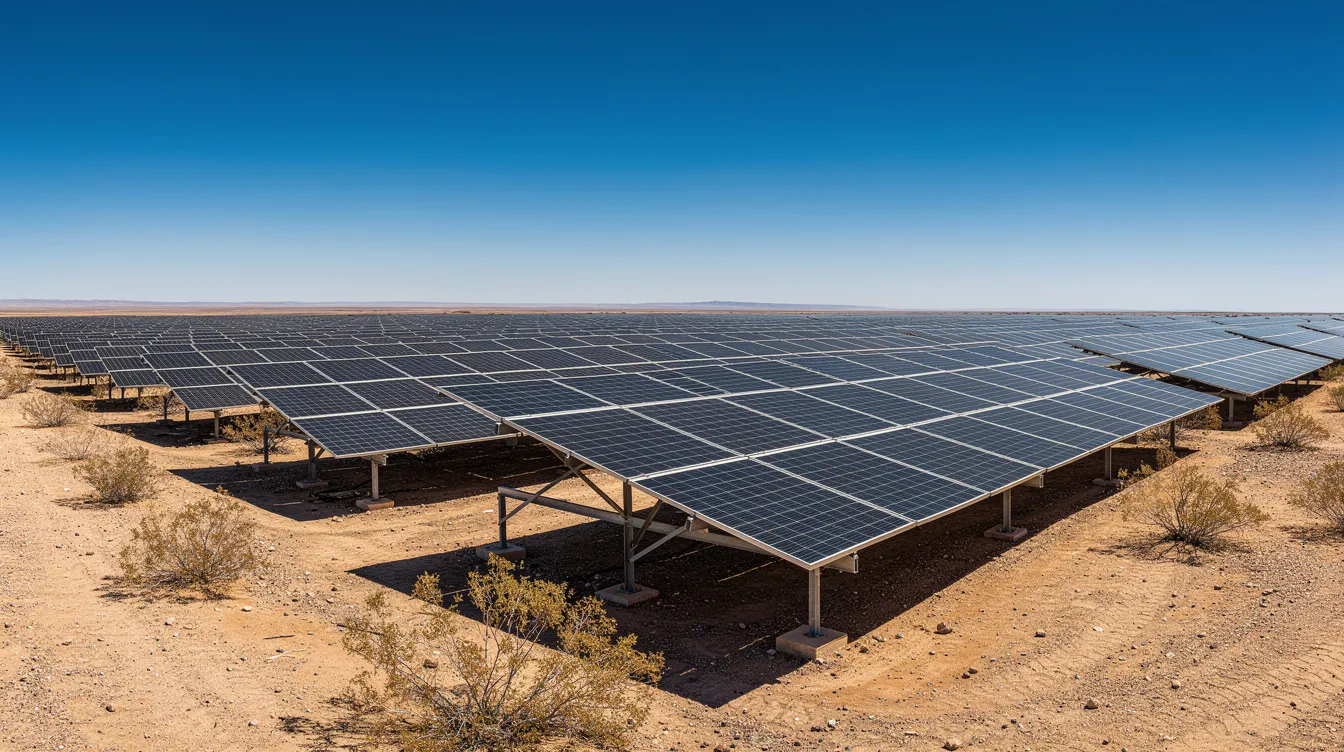
The ability to raise debt and equity often depends on how cleanly a sponsor’s entities and assets are structured and documented. Project finance is capital intensive in the energy sector, and energy project financing is capital intensive and complex – demanding precision at every level of the corporate tree.
Debt Financing
Banks and private credit funds typically finance pipelines, gathering systems, and power generation projects through secured loans, reserve-based lending, and project finance structures. FERC oversees project finance regulations in the energy industry, and lenders expect entities to comply with both federal and state frameworks. Energy project financing often involves public-private partnerships, adding governmental entities as stakeholders.
Equity and Private Equity
Private equity and energy private equity investment – including co-investment and club deals – requires investor-friendly governance, reporting rights, and waterfall provisions embedded in formation documents. Private equity firms expect well-documented entity trees that facilitate both investment and exit.
Incentives and Tax Credits
The energy sector relies heavily on federal, state, and local tax credits and incentives. The Inflation Reduction Act offers tax incentives for renewable energy, and federal and state incentives drive renewable energy facility construction. The Advanced Energy Project Credit (48C) offers up to 30 percent of qualified investment costs, with $4 billion reserved for projects in energy communities. Federal and state incentives support renewable energy project financing, and a lawyer helps manage financing and capital structure for energy projects to capture these benefits.
For mid-sized energy platforms considering capital markets, private placements under Reg D remain a viable path. INK™ Law’s Reg D guidance covers the compliance requirements for these offerings. The firm collaborates with clients’ tax and financial advisors to coordinate capital structure with tax and regulatory goals, drawing on extensive experience across public and private companies.
ESG, Climate Change, and Energy Transition Considerations
Climate change policy and ESG expectations in 2024–2026 are reshaping how energy companies, investors, and lenders evaluate projects and corporate structures. Renewable energy projects, carbon capture and storage, and battery energy storage initiatives often require distinct entities, joint ventures, and risk allocation compared to traditional oil and gas assets.
Distributed energy resources include renewable energy and energy storage, and these DER can participate in wholesale electricity markets for revenue – creating new structuring opportunities. Microgrids enhance resilience for businesses and communities, adding another dimension to project development. New York’s renewable energy policies support 76,750 MW of renewable capacity by 2050, and New York’s Climate Leadership Act promotes aggressive renewable energy policies that are influencing project developers nationwide. New York aims for 76,750 MW of renewable energy by 2050 – a target that is driving capital toward green energy and renewable sources across the country.
INK™ Law understands climate-related disclosure, sustainability-linked financing trends, and how energy businesses in the renewable energy sector can structure themselves to adapt to energy transition opportunities. Governance frameworks – boards, committees, and policies – that credibly oversee environmental matters, safety, and community impact are increasingly required by investors and lenders for midstream and power generation assets. Founders should consider ESG and climate regulatory trends when designing long-term ownership, management, and investment structures for new energy ventures.
How INK™ Law Works with Energy Clients
INK™ Law’s client-focused process follows a clear path:
- Discovery call – understand the business, project, and goals
- Review – evaluate existing structures, business plan, or deal terms
- Design – propose an entity tree aligned with commercial, tax, and regulatory objectives
- Draft – prepare core governance and transaction documents
- Coordinate – work closely with tax and financial advisors to align the full spectrum of formation, finance, and compliance decisions
The firm emphasizes clear communication, practical risk assessment, and alignment with client business goals. INK™ Law often serves as outside general counsel for energy companies, including renewable energy clients, handling ongoing corporate governance, contract negotiation, dispute resolution, and M&A support as the business grows.
Review team pages for Ryan Newburn and Patrick Ivy to understand the firm’s experience before your initial consultation. Call (720) 307-2627 or send a message through INK™ Law’s contact form to schedule a strategy session tailored to your energy company or project.
When to Contact an Energy Company Formation Lawyer
Specific trigger events that should prompt a call to counsel include:
- Acquiring mineral or leasehold positions
- Negotiating a midstream dedication or pipeline easement
- Signing a power purchase agreement
- Planning a data center reliant on dedicated power
- Forming an energy private equity fund
- Restructuring after a significant asset acquisition or divestiture
Energy startups are advised to involve specialized legal counsel early in the development process. It is usually more efficient and less expensive to design a solid structure at the outset than to unwind poorly drafted or improvised entities after capital has been deployed. Early legal advice can help avoid tax pitfalls, inadvertent securities law violations, and structural decisions that deter future buyers or lenders.
Even sophisticated sponsors should periodically health-check existing entity structures with counsel when regulatory or business conditions shift – for example, after new state climate legislation, enforcement proceedings, or a major financing event.
Call (720) 307-2627 or reach out via the online contact page for time-sensitive energy formation issues.
Why Choose INK™ Law for Energy Company Formation
INK™ Law’s differentiators include deep energy industry knowledge across upstream oil and gas, midstream, power generation, renewable energy, and data center infrastructure, combined with sophisticated corporate and finance experience and integrated dispute resolution capabilities. The firm’s energy practice spans multiple disciplines, and its energy lawyers advise clients across a broad range of formation, transactional, and litigation matters.
The firm has a history of handling billions of dollars in corporate and M&A transactions across multiple industries, including midstream and energy deals. INK™ Law’s geographic and regulatory familiarity extends across key energy states, and entity formation and corporate strategy advice is available nationwide.
INK™ Law takes a practical, commercially minded approach: explaining complex structures in plain English, focusing on outcomes, and tailoring governance and ownership to real business objectives. The firm’s attorneys represent clients ranging from early-stage developers to established operators and financial institutions – always with a focus on building structures that support long-term growth, project development, and capital deployment.
If you want a long-term strategic partner for your energy company, call (720) 307-2627 or reach out online.
Frequently Asked Questions about Energy Company Formation
How early in the planning process should I involve an energy company formation lawyer?
Founders, sponsors, and investors should consult counsel as soon as they begin securing leases, negotiating letters of intent, or discussing financing for an energy project – ideally before signing binding contracts or accepting investor funds. Early involvement allows the lawyer to help with entity selection, ownership design, confidentiality agreements, and term sheets so that later definitive agreements and closing mechanics align with the chosen structure. Speaking engagements, industry events, and initial conversations with investors often happen before formal legal engagement – but the best lawyers in this space are the ones you bring in before the first binding commitment.
Do I need separate entities for each well, pipeline, or renewable project?
There is no one-size-fits-all rule, but many sponsors use separate LLCs or project companies for significant assets or geographically distinct projects to isolate risk and facilitate financing or eventual sale. An attorney can help balance the benefits of ring-fencing with practical considerations like administrative burden, lender expectations, and tax efficiency. The answer depends on the scale of your construction activity, number of investors, and whether you plan to sell or finance individual assets independently.
How does forming an energy company differ from forming a typical small business?
Energy companies face more complex regulatory frameworks, higher operational risk, multi-party joint venture structures, and often rely on project finance and long-term offtake contracts – all of which must be reflected in the formation documents. Issues like working interest versus royalty ownership, environmental liability, midstream dedication clauses, liquefied natural gas supply arrangements, nuclear energy regulatory requirements, and power purchase obligations rarely arise in standard small business formations but are central in energy. Public finance considerations and the involvement of governmental entities add further complexity. The full range of related transactions – from carbon credits to pipeline easements – demands counsel with deep regulatory experience.
Can INK™ Law represent energy clients outside of Colorado?
Yes. INK™ Law is headquartered in Denver but regularly represents clients on energy corporate and transactional matters across the United States, with particular experience in Colorado, Texas, Wyoming, North Dakota, Oklahoma, Utah, Arizona, and California. The firm can coordinate with local regulatory or litigation counsel when necessary while still leading entity structuring, deal strategy, and documentation.
What information should I prepare before my first call with INK™ Law?
Prospective clients should gather a brief description of the proposed business or project, the states and basins involved, anticipated investors or partners, basic financial assumptions, and any existing contracts or term sheets. Even if documents are not finalized, sharing draft materials and high-level goals during the initial consultation will help INK™ Law quickly identify key structuring, liability, and regulatory issues. The firm’s best lawyers work most efficiently when clients come prepared – but an initial conversation is valuable even if you are still in the earliest stages of project development.