
Power Purchase Agreement Lawyer: Negotiating Bankable PPAs for Renewable and Large-Scale Energy Projects
Introduction
This article provides a comprehensive overview of how power purchase agreement lawyers support the structuring and negotiation of PPAs for utility-scale energy projects. It is designed for developers, independent power producers (IPPs), utilities, corporate buyers, and investors seeking to understand the critical role of legal counsel in making PPAs bankable, enforceable, and finance-ready. Understanding the expertise and value a power purchase agreement lawyer brings is essential for ensuring project success, securing financing, and navigating the complex regulatory and operational landscape of modern energy markets.
A power purchase agreement lawyer structures and negotiates PPAs so they are bankable, enforceable, and aligned with the financing, regulatory, and operational demands of utility-scale energy projects. Power purchase agreements are the commercial backbone of virtually every utility scale energy project built in the United States today. Whether you are developing a wind farm in West Texas, a solar project on Colorado’s Eastern Plains, or a battery storage facility paired with carbon capture infrastructure, the power purchase agreement lawyer ensures the PPA defines your revenue, allocates risk, and determines whether lenders and tax equity investors will fund your project.
INK™ Law works with developers, independent power producers, utilities, corporate buyers, investors, and energy companies to structure and negotiate these agreements so they hold up under financing scrutiny, regulatory change, and real-world operations. This article explains how a power purchase agreement lawyer supports PPA structure and negotiation, risk allocation, project finance and tax credit integration, market and regulatory issues, renewable and carbon capture contracting, site control and real estate concerns, dispute resolution, and ongoing portfolio management.
Key Takeaways
INK™ Law structures and negotiates bankable power purchase agreements for utility scale projects spanning solar, wind energy, battery storage, natural gas, and data center power projects across Colorado, Texas, Arizona, Utah, Wyoming, North Dakota, and Oklahoma. Projects include wind, solar, and carbon capture developments-each demanding tailored contract terms.
When we say “bankable,” we mean PPA terms that satisfy project finance lenders, tax equity investors, and long-term revenue models for developers, independent power producers, and offtakers. A PPA that cannot be financed is a PPA that cannot be built.
INK™ Law integrates energy, corporate, finance, and real estate experience to align PPAs with interconnection agreements, site control documents, and credit-support packages from early term sheet through commercial operation. The firm also serves as general counsel for energy companies, investors, and developers needing repeat PPA and offtake support across multiple projects and markets.
- Bankability is the standard. Every PPA provision-pricing, tenor, curtailment, force majeure, assignment-must pass muster with lenders and investors.
- Cross-practice integration matters. PPA terms intersect with SPV structuring, site acquisition, tax credit qualification, and project contracts.
- Regional expertise drives results. ERCOT, SPP, and WECC markets each impose distinct rules that shape PPA risk allocation.
- Early counsel involvement saves deals. Engaging a power purchase agreement lawyer at the term sheet stage avoids costly rework later.
Ready to discuss a specific PPA or portfolio? Call INK™ Law at (720) 307-2627 or message us online to schedule an initial strategy session.

What Is a Power Purchase Agreement and Why Bankability Matters
A power purchase agreement is a long-term contract governing power purchase, pricing, delivery schedule, and risk allocation between a project company (seller) and an offtaker-typically a utility, electric cooperative, or corporate buyer. Power purchase agreements are essential for renewable energy projects and large-scale thermal generation because they create the predictable cash flows that lenders and tax equity investors need to underwrite project financing. They involve long-term contracts between energy producers and buyers, often spanning decades and committing both parties to significant financial obligations.
Power purchase agreements are essential for renewable energy projects and large-scale thermal generation because they create the predictable cash flows that lenders and tax equity investors need to underwrite project financing. Without a credible PPA, most non-recourse project finance facilities simply will not close. PPAs typically last 10 to 25 years and involve substantial financial commitments on both sides of the transaction.
“Bankability” means, in practical terms:
- Financeable tenor: A term long enough for debt service (often 15–25 years for renewables).
- Revenue certainty: Pricing for energy, capacity, renewable energy certificates, and ancillary services that supports debt service coverage.
- Creditworthy counterparties: Offtakers with investment-grade credit or adequate credit enhancement.
- Clear risk allocation: Explicit treatment of curtailment, force majeure, change-in-law, interconnection delays, and environmental compliance.
INK™ Law routinely aligns PPA terms with construction financing, term loans, and tax credit structures so the agreement supports-rather than obstructs-closing and funding. Consider a 150 MW wind energy project in West Texas using a long-term fixed-price PPA to satisfy a 1.35x debt service coverage ratio under a non-recourse facility: every curtailment trigger, every force majeure carve-out, every assignment right must work in harmony with the credit agreement. That is what bankability looks like in practice.
INK™ Law’s Role as a Power Purchase Agreement Lawyer
INK™ Law’s energy and corporate team serves as lead counsel for developers, independent power producers, electric utilities, commercial and industrial offtakers, data centers, and energy investors across PPA transactions. Negotiating power purchase agreements requires legal expertise that spans energy markets, corporate structuring, and project finance-and the firm delivers all three under one roof.
Specifically, the firm:
- Drafts, reviews, and negotiates physical PPAs, virtual power purchase agreement structures, contracts for differences, tolling agreements, and related hedging or offtake arrangements for both renewable and conventional power generation assets.
- Integrates corporate and energy company structuring, M&A, energy finance, and real estate practices so PPA terms tie directly into SPV formation, interconnection agreements, site control, and project-level financing.
- Advises clients on ERCOT, SPP, WECC, and other U.S. power markets, coordinating with regulatory agencies when local approvals or market-specific requirements arise while leading commercial negotiations.
- Provides ongoing outside general counsel support for energy companies with repeat PPA and offtake needs across multiple projects.
Lawyers negotiating PPAs must understand federal and state regulatory frameworks-from Federal Energy Regulatory Commission jurisdiction to state utility commission approvals-and INK™ Law navigates regulatory issues before the Federal Energy Regulatory Commission, state utility commissions, and similar bodies in every engagement.
Schedule an initial strategy call at (720) 307-2627 or submit a project overview through the firm’s online intake form.
Types of Power Purchase Agreements We Handle
Different PPA structures respond to different market, regulatory, and financing needs. INK™ Law counsels on the full spectrum, matching structure to client objectives.
| PPA Type | Typical Use Case | Key Feature |
|---|---|---|
| Physical PPA | Utility interconnection, wholesale delivery | Energy delivered at a defined Point of Delivery |
| Virtual/Financial PPA | Corporate buyers hedging price exposure | Contract for differences settled financially |
| Sleeved PPA | Corporate buyers using a utility intermediary | Utility or retail provider “sleeves” the transaction |
| Tolling/Capacity Agreement | Gas-fired or hybrid resources | Capacity payments plus variable energy dispatch |
| Community Solar Subscriber Agreement | Distributed generation programs | Credits allocated to subscribers on utility bills |
| PPAs also differ significantly by technology. Utility scale solar projects, onshore wind, stand-alone battery storage, solar-plus-storage hybrids, and combined renewable plus carbon capture projects each present unique delivery, performance, and pricing provisions. Portfolio virtual power purchase agreement structures allow large corporate buyers to source renewable energy credits from multiple plants across different markets. |
The choice of structure links directly to the client’s objectives: hedge electricity price risk, secure renewable energy supply, qualify for investment or production tax credits, or stabilize revenues for an asset sale or refinancing. PPAs are critical for managing energy price risks, and the right structure can mean the difference between a financed project and a stranded development asset.
Renewable Energy Projects: Solar, Wind, and Battery Storage PPAs
PPAs drive the economics of renewable energy projects across the Mountain West and Texas. In 2025, renewable PPA prices rose by nearly 9% over the prior year, driven by demand from data centers, inflation, and supply chain constraints. Wind PPAs in ERCOT alone climbed roughly 19% year-over-year, according to Utility Dive reporting.
Solar and wind PPAs typically contain hourly or seasonal production profiles, minimum delivery obligations, shape risk and basis risk provisions, and curtailment and degradation assumptions. These provisions must align precisely with the developer’s production model, the lender’s P50/P90 yield assumptions, and the offtaker’s load profile.
Battery storage PPAs raise distinct legal issues:
- Capacity vs. energy payments: How the project gets paid for standing ready versus actually dispatching.
- Performance guarantees: Round-trip efficiency, response time, degradation curves.
- Charging energy sources: Whether the storage asset can charge from the grid or only from co-located renewables.
- Market rules: Federal and state constraints on storage participation in wholesale markets.
Hybrid PPAs-solar-plus-storage in particular-rebounded sharply in late 2025, with 2.4 GW contracted in Q4 alone, a ninefold increase over Q3, according to S&P Global. INK™ Law coordinates PPA provisions with interconnection study results, congestion risk analysis, and curtailment exposure to protect the project’s net capacity factor and revenue stack.
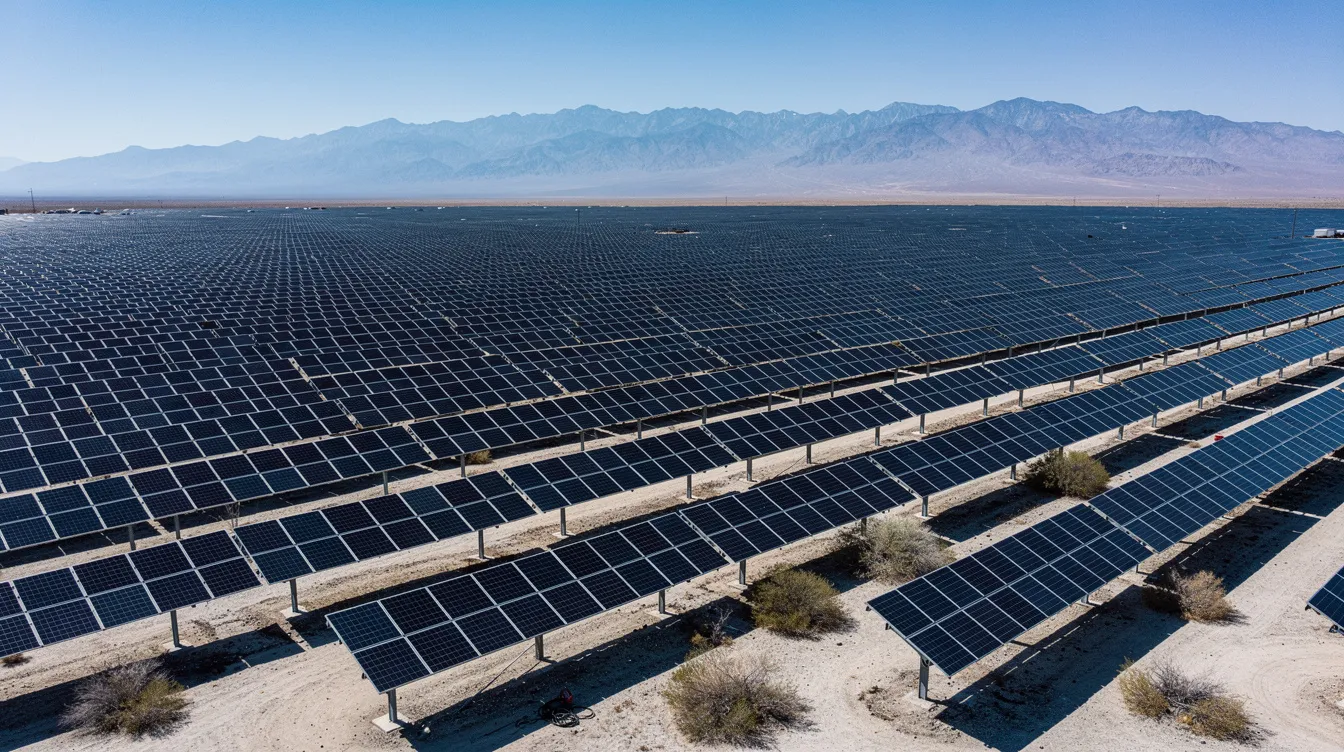
The firm’s renewable energy project practice integrates PPA work with site control, permitting issues, and construction contracts for wind and solar developments, as well as biomass projects, landfill gas, and hydroelectric facilities at commercial scale.
Carbon Capture, 45Q Tax Credits, and Emerging Low-Carbon Offtake Structures
Carbon capture, utilization, and storage (CCUS) projects rely on offtake and revenue contracts that complement or substitute for traditional power purchase agreements. The relationship between Section 45Q tax credit monetization and long-term CO₂ offtake or sequestration agreements is central to project bankability.
The One Big Beautiful Bill Act modifies carbon oxide sequestration tax credits, and IRS safe harbor guidance (Notice 2026-1) provides interim rules for reporting and regulatory compliance. These developments directly affect how offtake and sequestration contracts must be drafted to preserve credit eligibility.
Bankable CO₂ offtake agreements typically require:
- Minimum volume commitments over long periods to enable lenders to underwrite cash flows.
- Quality specifications for captured CO₂ and delivery schedules.
- Measurement, reporting, and verification (MRV) requirements aligned with IRS guidance.
- Indemnities for environmental harm, leakage liability, and regulatory non-compliance.
- Creditworthy counterparties-often governmental, quasi-governmental, or established industrial buyers.
INK™ Law helps developers and investors negotiate bankable CO₂ offtake, sequestration, and enhanced oil recovery (EOR) agreements alongside power purchase agreements where projects co-produce power and captured carbon. Consider a natural gas generation asset retrofitted with carbon capture: the sponsor sells power under a PPA and CO₂ under a long-term sequestration contract, stacking revenue streams that each require distinct risk allocation, credit support, and regulatory alignment. Carbon emissions reduction is the project’s environmental purpose; revenue stability is its financial one.
Project Development Lifecycle: Integrating PPAs from Early Stage to COD
PPAs should never be an afterthought. They shape project development from the first financial model through commercial operation date (COD) and beyond. Energy project development involves compliance with federal regulations at every stage, and the PPA must reflect those requirements.
INK™ Law gets involved at key stages:
- Term sheet and RFP responses: Shaping commercial positions before form PPAs become entrenched.
- Exclusivity and milestone letters: Defining development obligations, deposits, and timeline commitments.
- Full-form PPA negotiation: Drafting and redlining the complete agreement with bankability as the standard.
- EPC/O&M coordination: Ensuring construction contracts and operating agreements align with PPA milestones and performance guarantees.
- Pre-COD amendments and side letters: Addressing delay, regulatory change, or force majeure issues that arise during construction.
PPA milestones-notice to proceed, interconnection agreement execution, testing periods, COD-must synchronize with construction schedules, permitting timelines, and financing draw conditions. Misalignment between a PPA’s COD deadline and an interconnection study delay can strand tens of millions in development costs.
The firm negotiates curtailment protections, delay liquidated damages, and performance guarantees to fairly allocate risk between the project company, EPC contractor, and offtaker. Bankability is preserved through careful drafting of conditions precedent, step-in rights for lenders, and assignment provisions that allow future refinancing or asset sales. While firms like Jackson Walker assist with renewable energy project development and Nossaman has decades of experience in energy project development, INK™ Law’s integrated approach across energy, corporate, and finance practices positions it to handle the full lifecycle.
Independent Power Producers, Utilities, and Corporate Offtakers
The interests of independent power producers, regulated or municipal electric utilities, electric cooperatives, and large corporate or data center offtakers diverge significantly in PPA negotiations.
INK™ Law represents energy developers and IPPs as sponsors, as well as corporate buyers and certain utilities in targeted matters, while carefully managing conflicts and expectations. The firm runs robust conflict checks and sets clear engagement letters defining the client, scope, and positions being advanced.
Key differences in perspective:
- Merchant IPPs seek upside exposure, flexible curtailment risk sharing, and pricing that reflects market value.
- Regulated utilities need rate stability, regulatory approval pathways, and compliance with qualifying facilities and exempt wholesale generators requirements.
- Corporate offtakers increasingly demand virtual power purchase agreements, green tariffs, and REC-only deals to meet ESG or net-zero targets, requiring alignment with internal accounting and public disclosures.
In ERCOT, for example, the Crusoe/Ensign Goodnight wind farm co-location case illustrates how behind-the-meter data center loads create complex curtailment obligations. Regulators are seeking 30-minute notice curtailment requirements during grid emergencies-provisions that must be carefully allocated in PPA terms. In WECC and SPP markets, different capacity, transmission, and renewable portfolio standard rules drive distinct PPA structures. INK™ Law’s renewable energy clients span these markets and benefit from counsel that understands how local rules affect deal terms.
Key Bankability and Risk Allocation Terms in PPAs
This section walks through the PPA provisions that lenders, tax equity investors, and strategic buyers scrutinize most closely in current transactions. Risk allocation is a critical aspect of negotiating power purchase agreements, and every clause discussed below has direct financing implications.
Core Commercial Terms:
- Contract tenor: 15–25 years for most renewables; potentially shorter (10–15 years) for corporate offtakers.
- Pricing: Pricing structures in a PPA can include fixed rates, escalating tariffs, or indexed pricing-each with distinct bankability characteristics.
- Delivery obligations: Baseload, unit-contingent, or as-available, depending on technology and market structure.
- Point of Delivery: The Point of Delivery and related delivery terms are crucial in PPA contracts because they determine where title, risk, and measurement occur.
Risk Allocation Clauses:
- Force majeure events and exclusions (pandemics, trade tariffs, grid emergencies).
- Change-in-law protections and cost recovery mechanisms.
- Grid curtailment and mandatory curtailment exposure.
- Interconnection delay remedies.
- Environmental attributes such as renewable energy certificates should be clearly defined in PPAs, including ownership, transfer timing, and eligibility for state or federal programs.
- Indemnities for regulatory or environmental non-compliance.
Credit Support Mechanics:
- Parent guarantees, letters of credit, performance bonds.
- Collateral thresholds tied to mark-to-market exposure.
- Interaction with the project’s capital stack and lender expectations.
Performance guarantees and remedies are essential provisions in power purchase agreements, particularly for battery storage and hybrid projects where round-trip efficiency, availability, and ramp rates directly affect revenue. INK™ Law focuses on making these clauses internally consistent with EPC, O&M, and interconnection agreements, preventing gaps that could strand risk at the project company level.
Financing Considerations: Aligning PPAs with Energy Finance and Tax Credits
INK™ Law’s energy finance practice bridges the gap between commercial PPA terms and the requirements of project finance lenders and tax equity investors. Power purchase agreements help secure financing for energy projects only when the contract terms actually support the financial model.
Lenders and tax equity investors underwrite debt service coverage ratios (typically requiring 1.3–1.5x or higher), P50/P90 production scenarios, and curtailment assumptions drawn directly from the PPA’s commercial terms. A PPA that allocates excessive curtailment risk to the project, for example, may undermine P90 revenue projections and reduce available debt capacity.
PPAs often require alignment with project finance lenders for bankability. Lawyers should investigate the interaction of PPAs with other project contracts-EPC, O&M, interconnection, site lease-to ensure that a default under one agreement does not trigger cross-defaults under the PPA or financing documents.
INK™ Law coordinates PPA drafting with financing documents, addressing:
- Conditions precedent to draws and COD.
- Representations and warranties (offtaker credit, regulatory compliance).
- Events of default, cross-default, and cross-acceleration provisions.
- Assignment and consent rights for lenders and their designees.
- Step-in and cure period mechanics.
The Inflation Reduction Act of 2022 established clean energy tax credits-including production tax credits, investment tax credits, energy community adders, and domestic content bonuses-that directly affect PPA pricing and COD timing. Tax incentives like these can represent tens of millions of dollars in project value, and PPA terms must preserve eligibility. The One Big Beautiful Bill Act further modifies carbon oxide sequestration tax credits and introduces additional compliance requirements that impact project economics.
Developers, lenders, and investors: Call (720) 307-2627 to review whether your existing or proposed PPAs are finance-ready for upcoming transactions.

Regulatory and Market Framework: ERCOT, WECC, SPP, and Beyond
PPA structures must fit within regional transmission organization or independent system operator rules and state-level regulatory regimes. Interconnection terms must comply with regional transmission organization (RTO) or independent system operator (ISO) rules, and failure to account for these requirements can render a PPA unenforceable or unfinanceable.
ERCOT (Texas): An energy-only market with nodal pricing where congestion and basis risk are significant. Texas has been a leader in energy independence for over a century, and its Competitive Renewable Energy Zone plan for power distribution has enabled massive renewable buildout. Recent legislation-Senate Bill 6-imposes strict financial security requirements ($50,000/MW), five-year site control mandates, and mandatory curtailment programs for large loads exceeding approximately 75 MW.
SPP (Southwest Power Pool): Capacity markets in certain sub-regions, different interconnection queue timelines, and distinct cost allocation rules. PPAs here often need to account for capacity payments if applicable.
WECC (Western U.S.): Diverse balancing authorities, various renewable portfolio standards, and long distances between resource and load create basis risk. Regulatory review, interconnection delays, environmental permitting, federal land management, and other regulatory issues can materially affect PPA structure and timing.
Federal regulations govern siting and permitting of energy facilities, and regulatory compliance includes navigating both federal and state energy laws. Utility regulations can significantly influence the terms of a power purchase agreement, particularly where qualifying facilities status under PURPA, Federal Energy Regulatory Commission jurisdiction, or exempt wholesale generators considerations come into play. While firms like Bracewell advise on siting and permitting for power projects, INK™ Law leads the commercial and transactional negotiations and coordinates with specialized regulatory counsel when state utility commission, Federal Energy Regulatory Commission, or other regulatory agencies approvals are needed.
INK™ Law’s strategic energy law practice spans both regulated utilities and competitive power markets, giving the team a cross-segment view that informs every PPA negotiation.
Real Estate, Mineral Rights, and Site Control for PPA-Backed Projects
A bankable PPA assumes secure site control and a clear path to construction and operations. This ties directly into real estate and mineral rights work that cannot be separated from the PPA negotiation timeline.
INK™ Law negotiates and documents site leases, easements, and surface use agreements for wind, solar, battery storage, and carbon capture projects. The firm addresses survey, title insurance, and curative issues to ensure clean site control that satisfies both lender requirements and PPA conditions precedent.
Common conflicts arise between surface rights for renewables and subsurface mineral rights in states like Colorado, Texas, Wyoming, and North Dakota. Accommodation doctrines and negotiated surface use agreements help resolve these tensions, but they must be documented before financing closes.
Due diligence for PPA-backed projects includes:
- Title and survey review with curative work as needed.
- Environmental assessments, including Endangered Species Act compliance, which is crucial for renewable energy projects.
- Clean Water Act review, which regulates impacts to wetlands for energy projects.
- Federal wildlife laws that impact renewable energy development and operations.
- Coordination with local land-use, zoning, and permitting requirements.
- Site acquisition strategy and timeline aligned with PPA milestones.
These real estate and environmental matters connect directly to PPA covenants and representations, including site control conditions precedent to COD and financing draws.
Outside General Counsel and Portfolio PPA Support
Many energy companies, independent power producers, and infrastructure funds manage multiple projects and need ongoing PPA, interconnection, and offtake support-not just one-off transaction counsel.
INK™ Law serves as outside general counsel for energy companies, providing monthly or project-based plans that cover repeated PPA negotiations, portfolio standardization of contract templates, and rapid review of counterparty forms. The firm helps energy clients build internal playbooks for risk allocation, standard commercial positions, fallback language, and approval thresholds so executives and boards can make consistent decisions across deals.
This role extends beyond PPAs. Coordination across practice groups-corporate, M&A, securities, IP, litigation-supports equity investment raises, asset sales, joint venture structures, joint development agreements, and dispute resolution connected to PPA-backed assets. Storage companies, solar developers, wind developers, and emerging technology platforms all benefit from a single firm that can assist developers across the full deal lifecycle.
Growing developers, IPPs, and investors: Reach out at (720) 307-2627 or via the online contact page to discuss a tailored outside GC arrangement.
Disputes, Renegotiations, and Contract Enforcement
Even well-structured PPAs can face stress from unexpected market events, regulatory changes, or operational underperformance. Terminating a PPA can involve financial penalties and specific conditions that must be carefully navigated.
Typical dispute triggers include:
- Curtailment frequency exceeding contracted thresholds and disputes over compensation.
- Change-in-law cost recovery claims.
- Performance shortfalls against guaranteed minimums.
- Force majeure declarations (weather events, grid emergencies, trade disruptions).
- Early termination rights, default remedies, and cure period disputes.
INK™ Law’s commercial litigation team supports energy clients in pre-dispute strategy, formal notice and cure processes, mediation and arbitration, and court litigation when necessary. The firm handles regulatory matters, permitting issues, and related legal issues that intersect with contract enforcement.
Where possible, structured amendments and forbearance agreements can preserve value for all parties better than immediate termination. The firm has significant experience advising on renegotiation strategies that protect commercial relationships while enforcing contractual rights.
Engage counsel early-before sending or responding to default notices-to preserve rights and maximize strategic options.
Why Choose INK™ Law for Your Power Purchase Agreement Needs
INK™ Law combines extensive experience across energy transactions, corporate law, project financing, and real estate. Headquartered in Denver, the firm represents clients across Colorado, Arizona, Utah, Wyoming, Texas, North Dakota, and Oklahoma in the major business and energy markets of Denver, Houston, Phoenix, Salt Lake City, and Los Angeles.
Differentiators:
- Deal-tested energy contracts with deep familiarity across PPAs, interconnection and offtake agreements, and related agreements for renewable sources and conventional power generation.
- Integration with financing and corporate structures that ensures PPA terms survive lender and investor scrutiny.
- A practical, business-first approach: INK™ Law provides clear risk summaries and negotiation strategies for executives, boards, investors, and lenders-not just redlines.
- Attorneys who have been involved in transactions spanning upstream oil and gas, midstream infrastructure, renewable energy, and large commercial projects, giving them a cross-segment view of power markets.
- Ability to represent clients, assist clients, and advise clients across a complex mix of technologies, markets, and deal structures.
Among leading law firms serving the energy sector, INK™ Law’s multi-practice integration and responsive client service set it apart. The firm’s attorneys assisted on transactions requiring the coordination of energy efficiency measures, environmental compliance, and commodity futures trading commission considerations alongside traditional PPA work.
Call (720) 307-2627 or submit a confidential inquiry via the online contact form to review a current or proposed PPA. We prioritize quick turnaround for time-sensitive deals.

How to Engage INK™ Law for a PPA or Energy Offtake Matter
INK™ Law’s intake process is streamlined for PPA and offtake work. Whether you are responding to an RFP, entering negotiations on a counterparty’s form, or building documents from scratch, the firm can join at any stage.
What to prepare for the initial consult:
- Project location and technology (solar, wind energy, battery storage, natural gas, carbon capture).
- Interconnection status and queue position.
- Draft or executed PPAs and counterparty identity.
- Financing timeline, lender requirements, and any term sheets from capital providers.
- Internal decision-making authority and timeline constraints.
Typical engagement steps:
- Initial strategy call to understand project scope and timeline.
- Review of existing documentation and counterparty positions.
- Risk and bankability assessment with written summary.
- Proposal of scope and fee arrangements (hourly, flat-fee, or project-based).
- Alignment with internal deal teams, public agencies, and federal agencies as needed.
INK™ Law can join ongoing negotiations, support RFP responses, or draft complete PPA packages from scratch depending on your energy project stage. The firm’s attorneys have experience across electric generation projects of all sizes, from commercial scale distributed generation to utility scale projects exceeding 500 MW.
Call (720) 307-2627 today or contact the firm online to start the engagement process.
Frequently Asked Questions About Power Purchase Agreement Lawyers
When should I hire a power purchase agreement lawyer for my project?
Developers, IPPs, and corporate buyers should involve PPA counsel at the term sheet or RFP stage-ideally before signing any letter of intent or responding to an offtaker’s standard form. Early legal input helps shape commercial positions, avoid hidden risk allocation traps, and ensure PPA terms will be acceptable to lenders, tax equity investors, and future buyers. INK™ Law often conducts quick “red flag” reviews of draft term sheets or PPAs to guide negotiation strategy before parties become locked into unfavorable structures. NRG Energy and other major market participants routinely engage counsel at this stage, and smaller developers should follow the same practice.
How long does it take to negotiate a bankable PPA?
Expect 6–18 weeks for a first-of-a-kind or utility scale deal and potentially shorter timelines for repeat counterparties or template-based agreements. Key timing factors include the complexity of the project (a hybrid solar-plus-storage deal with shaped delivery takes longer than a simple solar power project), the number of stakeholders, required regulatory approvals, and parallel interconnection or financing negotiations. Working with experienced PPA counsel who can anticipate counterparty positions-and having clear internal decision-making authority-can significantly compress negotiation timelines. Two wind farms or solar projects with the same offtaker can often leverage template terms from an initial deal.
Can INK™ Law review an existing PPA for bankability and financing issues?
Yes. INK™ Law routinely reviews executed or near-final PPAs to assess financeability, identify bankability gaps, and suggest targeted amendments or side letters. The review typically covers pricing and term, curtailment and force majeure, change-in-law protections, credit support, assignment and step-in rights, events of default, renewable energy attributes, and alignment with applicable tax credit regimes. Contact the firm at (720) 307-2627 or via the online contact form to request a scoped PPA bankability review tailored to your transaction.
Do you represent both developers and offtakers in PPA negotiations?
INK™ Law represents a mix of market participants-developers, IPPs, and certain utilities and corporate buyers-but never opposite sides in the same transaction. The firm runs robust conflict checks and sets clear engagement letters defining the client, scope, and positions being advanced. This diversity of experience helps the team anticipate counterparty arguments and market positions, improving negotiation outcomes. Whether your role is as a wind developer, solar developer, or corporate offtaker, the firm can assist developers and buyers alike with the legal issues inherent in PPA negotiations.
What regions and markets does INK™ Law serve for PPA work?
INK™ Law is headquartered in Denver, Colorado, and regularly serves renewable energy clients and energy companies in Colorado, Texas, Arizona, Utah, Wyoming, North Dakota, and Oklahoma, with experience in ERCOT, SPP, and WECC markets. The firm coordinates with local regulatory counsel when a project requires specific state utility commission or siting approvals while still leading PPA and financing negotiations. If you have a project in these or other U.S. markets, call (720) 307-2627 to discuss how INK™ Law can support your PPA and energy transaction needs.